
Commercial Roof Due Diligence Surveys in Victoria, TX
Roofing Capabilities · Victoria, TX
Commercial roof due diligence surveys in Victoria document visible roof condition, access limits, repair needs, and follow-up questions for a property decision.
Next step
Request a Roof Assessment
Call
555-555-5555
A roof survey for a property transaction should give the buyer or owner a clear record of visible condition, likely near-term needs, and what remains uncertain. Commercial roof due diligence surveys in Victoria begin with the transaction question, available roof documents, and safe access. We inspect identified sections, record defects and repairs, and separate roofing observations from structural, environmental, code, or legal conclusions outside the survey scope.
Commercial Roof Due Diligence Surveys
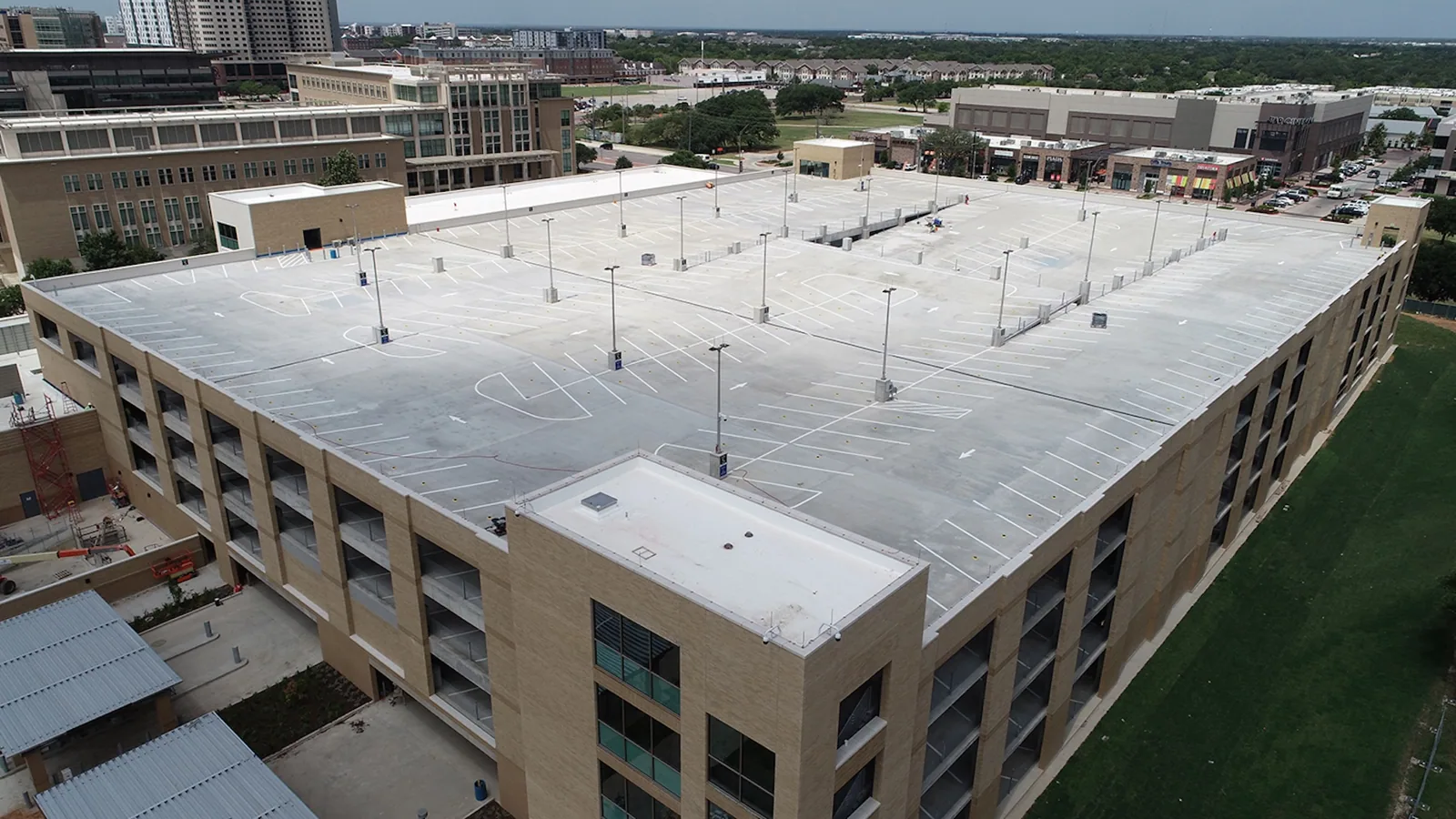
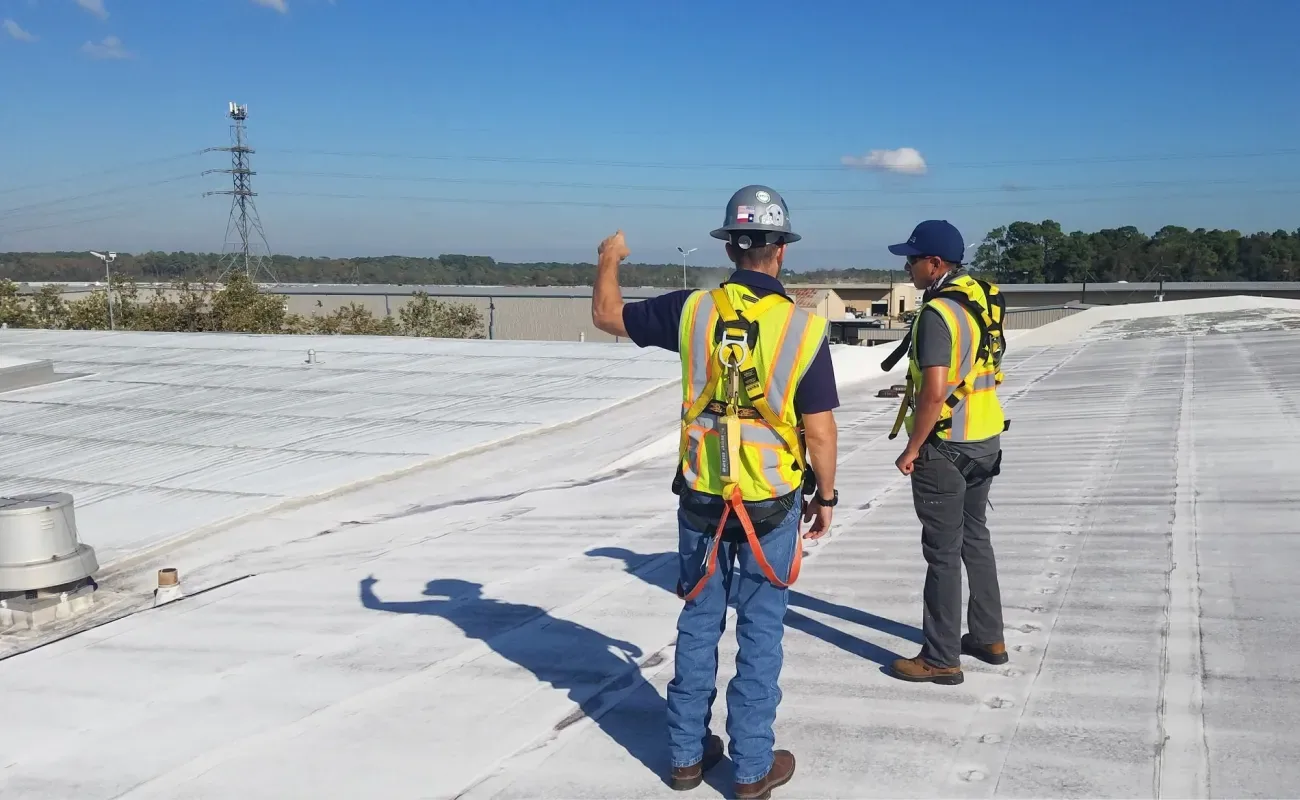
Before access, confirm the properties and buildings in the transaction, the intended decision date, available roof plans, installation records, warranties, leak history, and prior repair files. Clarify whether the survey supports acquisition, disposition, financing, or a condition update. A parcel can include multiple roofs, additions, and canopies; name each one that is included. If some structures cannot be reached, list them as excluded or deferred rather than implying they were surveyed.
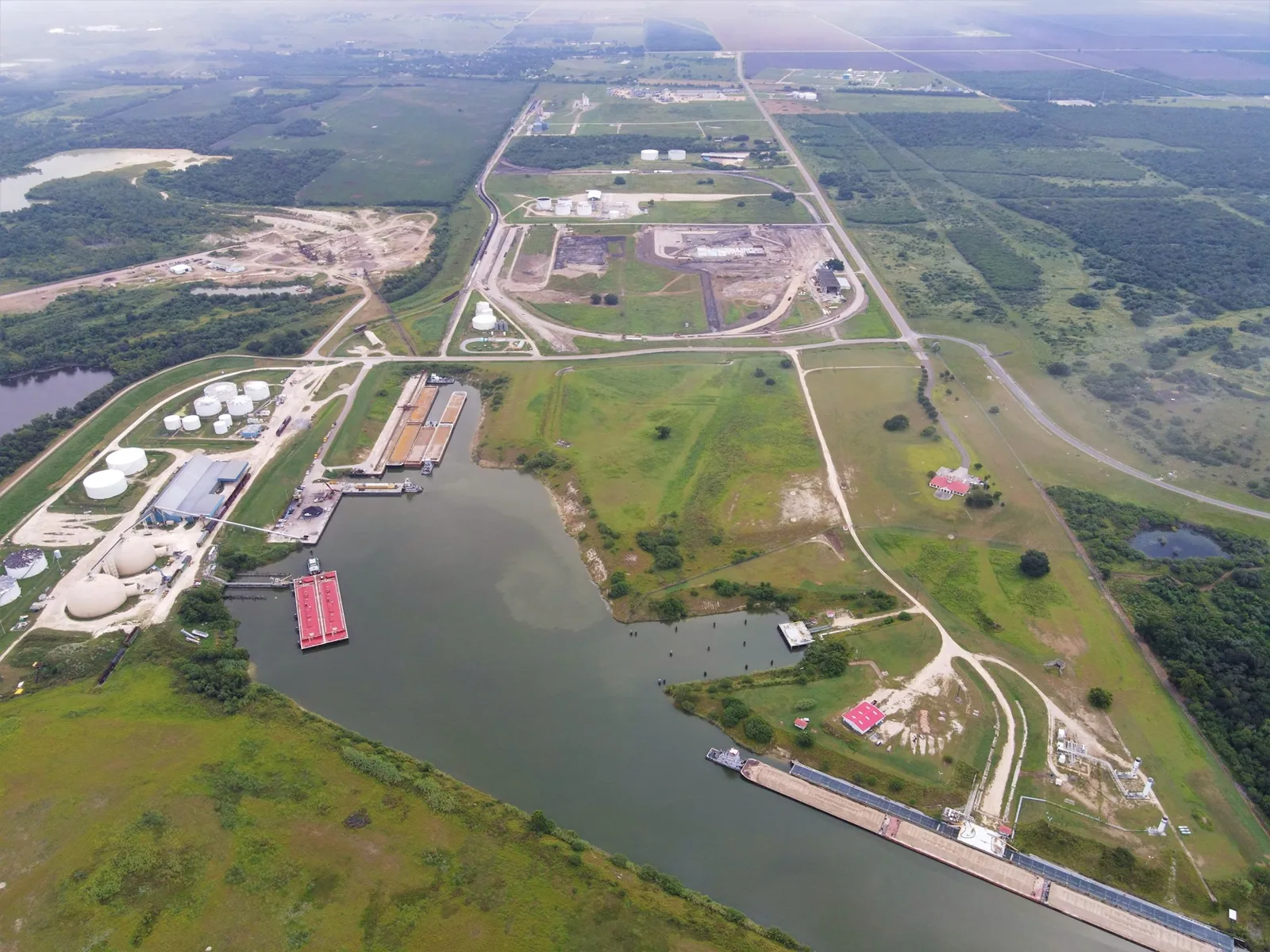
For an asset near the Port of Victoria Industrial Park South, plan around approved site access and freight operations. A commercial roof inspection records accessible conditions by building, while a roof asset management file can connect those findings to the buyer’s property schedule. The scope states what question the fieldwork is meant to answer.
Set the survey question and property list
Review roof plans, repair invoices, previous reports, manufacturer information, and known additions before inspection. Confirm that document names and building identifiers match the site. A replacement contract may cover one structure or one roof section, while a transaction exhibit may treat the entire parcel as one asset. Note discrepancies in system type, age, and repair history for follow-up rather than selecting whichever date appears newest.
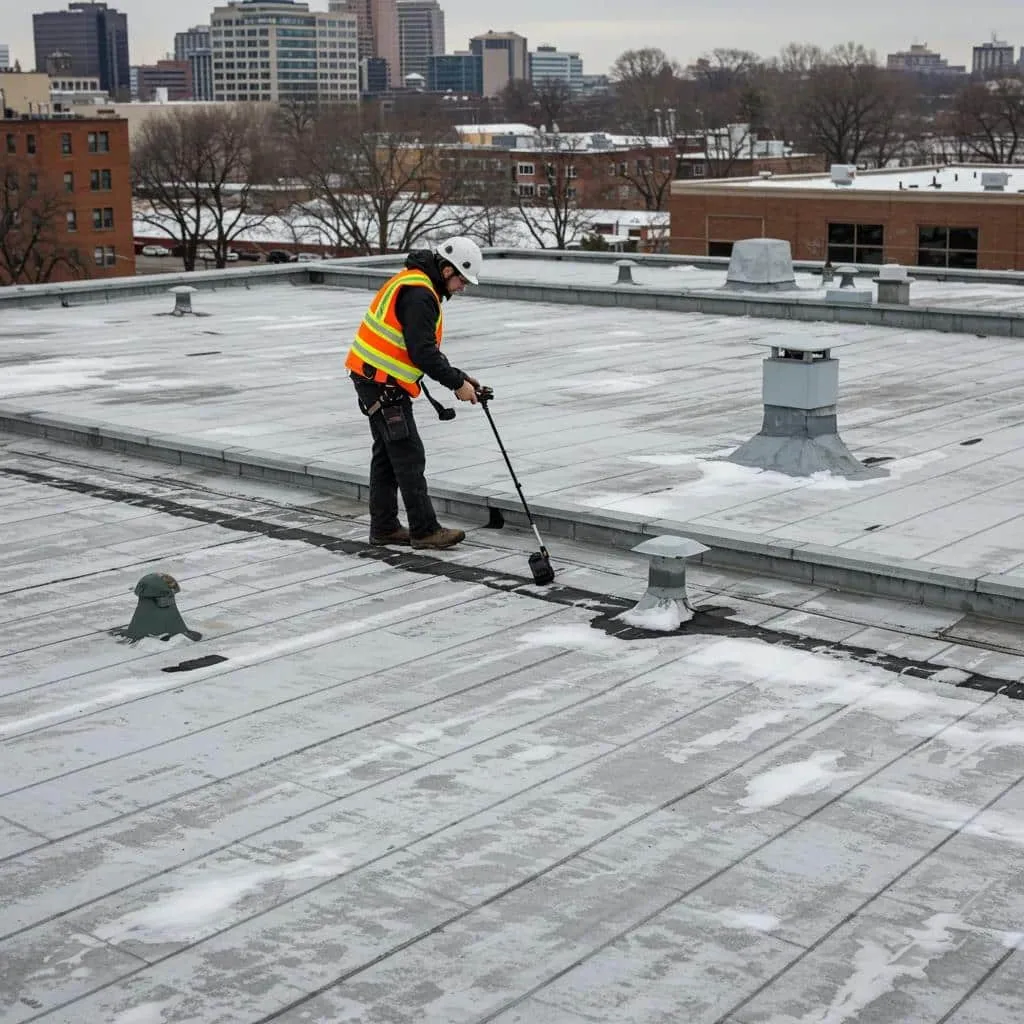
On the roof, identify visible membrane or panel types, seams, drains, edges, penetrations, equipment supports, and prior patches. The inspection can compare those details with the documents, but cannot establish hidden layer condition without testing or openings. The report labels information taken from owner records separately from direct observations. This allows the transaction team to see which conclusions depend on a document that may need confirmation.
Build a short document register before the site visit: file name, date, building or roof section covered, and any gap that affects interpretation. A set of invoices may use a contractor's shorthand that does not match the buyer's schedule. Ask the property contact to resolve those identifiers where possible. If the history is incomplete, say so plainly; absence of a repair record is not evidence that no repair occurred.
Compare documents with what is on the roof

Photograph representative field areas and critical transitions, then note splits, blisters, open laps, corrosion, loose metal, debris, ponding, damaged accessories, or interior leakage reports. Each item gets a location reference and a practical description. Use a consistent route through roof sections so findings can be reviewed against a plan. If heat, weather, occupancy, or safety restricts the visit, state when and where access ended.
A transaction survey is usually a visual record unless the agreed scope adds testing. It should not describe insulation as dry or deck as sound when those layers were not examined. If evidence suggests moisture or structural movement, identify what additional professional review would answer the question. A roof condition report format can preserve photographs and limits for the buyer’s review without overstating what a visual survey can establish.
Organize observations so a reviewer can return to the same place. Use the roof plan when available, assign simple section labels when it is not, and connect each photograph to its location. Record whether an observation is widespread or isolated, and distinguish an active leak report from a visible roof defect. Interior reports can help direct attention, but they do not establish the path or source of water without further investigation.
Document visible condition by roof section
Separate immediate repair, near-term maintenance, further testing, and longer-range capital questions. A confirmed opening may need a repair estimate; widespread deterioration or repeated leaks may justify a broader replacement review. A roof survey can describe scope factors and identify exclusions, but an exact project price depends on measurements, design, access, procurement, and concealed conditions. Label any planning allowance with its assumptions and the date it was prepared.
Victoria properties span industrial, medical, education, commercial, and public uses. An asset close to Lone Tree II Industrial Park may have site-specific access or operating windows, but the survey should record the actual property’s instructions. A roof capital planning review can place survey findings into a budget sequence after the buyer confirms priorities and financial assumptions.
For each recommendation, name the next decision rather than treating every finding as a construction order. That may mean requesting a measured repair scope, confirming a warranty contact, budgeting for a replacement study, or obtaining access for additional testing. State the timing basis and assumptions. If a buyer needs an immediate transaction decision, identify which unanswered items could materially change the roof outlook and who should resolve them.
Translate findings into decision support
A roof survey does not by itself certify structural capacity, code compliance, environmental condition, fire resistance, or the presence or absence of concealed moisture. Those questions require the appropriate engineer, building official, environmental consultant, or specialty testing provider. If the survey finds an unsafe area or damaged framing, do not continue into that zone until the owner obtains direction from the responsible professional.
Likewise, a roofing report does not interpret title matters, lease obligations, insurance coverage, or warranty validity. It can identify visible issues and documents the owner should request. The report should list its inspection date, methods, exclusions, assumptions, and the conditions that could change a repair or replacement recommendation.
Weather and access affect what a visual survey can establish. Wet surfaces, high winds, locked areas, fragile assemblies, or active site operations may limit inspection. The report should record those conditions and avoid implying complete coverage. Where a conclusion depends on records supplied by a seller or property manager, attribute it to that source and recommend confirmation if it matters to the decision.
Keep professional boundaries clear
Provide an executive summary, property and building list, roof-section plan, photo log, observations, priorities, exclusions, and follow-up questions. Use language that distinguishes “observed” from “reported” and “not inspected.” A buyer can then reconcile the survey with lease, capital, maintenance, and purchase records. If a later access visit adds evidence, issue it as a dated supplement rather than silently changing the original report.
Victoria’s regional employer base includes industrial and healthcare facilities as well as education and public-sector sites. A transaction that includes Victoria properties may require separate access coordination for each location. The survey gives decision-makers a roof-focused baseline, while subsequent repair design, pricing, and other diligence remain separate steps.
A useful handoff also includes a concise open-items list: missing documents, inaccessible areas, estimates still needed, and specialists to consult. Keep the summary tied to the detailed observations so the transaction team can trace a priority back to evidence. If the property list changes during diligence, identify additions and removals by building and issue a revised scope before treating those roofs as included.
Deliver a file the transaction team can use
Related Roofing Work
Frequently Asked Questions
Does due diligence include opening the roof?
Only if the agreed survey scope includes selective openings or testing and the owner approves access, locations, and restoration.
Can a roof survey confirm the deck is structurally sound?
No. Structural capacity belongs to an appropriately qualified engineer or design professional.
Will the survey provide a final repair price?
It can identify visible needs and scope factors. Final pricing may require measurements, design, access planning, and concealed-condition review.
What if some roofs cannot be accessed?
List them as excluded or deferred, explain why access was limited, and state what is needed for a follow-up visit.
Does a roof survey verify warranty coverage?
No. It can identify warranty documents to review, but the issuer determines status and coverage under the written terms.
Provide the property list, transaction purpose, roof plans, maintenance records, and access window. We will document visible conditions, exclusions, and follow-up questions.
Call 555-555-5555 or email [email protected].