
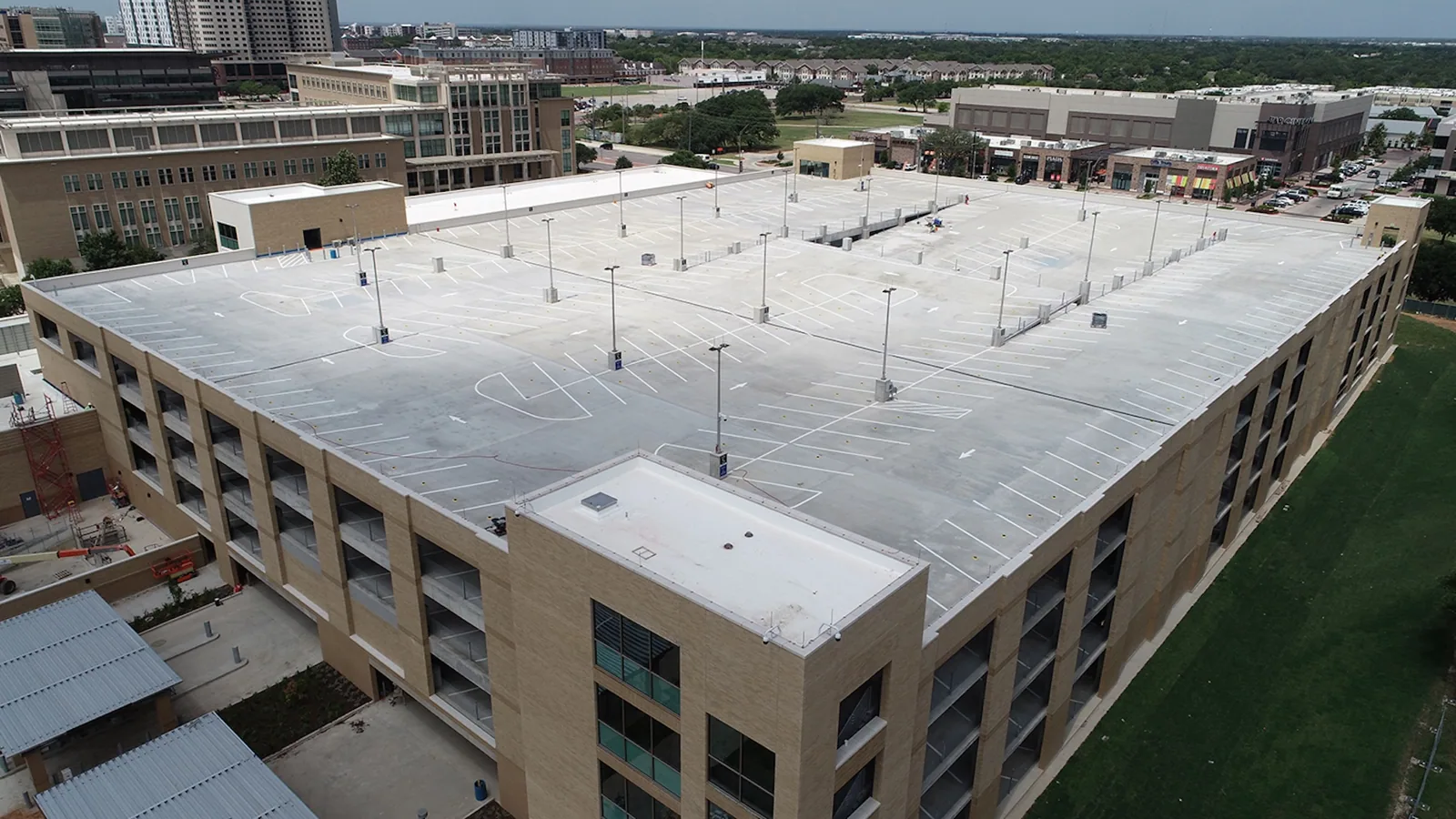
Commercial Roof Warranty Management in Victoria, TX
Roofing Capabilities · Victoria, TX
Commercial roof warranty management in Victoria organizes documents, maintenance records, repair notices, and contacts without presuming coverage or terms.
Next step
Request a Roof Assessment
Call
555-555-5555
A roof warranty is a set of written terms, not a general promise that every future leak will be covered. Commercial roof warranty management in Victoria starts by locating the actual document, identifying the covered roof and parties, and tracking maintenance, repair, and notice records. We help owners keep those materials together so questions can be reviewed against the applicable manufacturer or contractor terms.
Commercial Roof Warranty Management
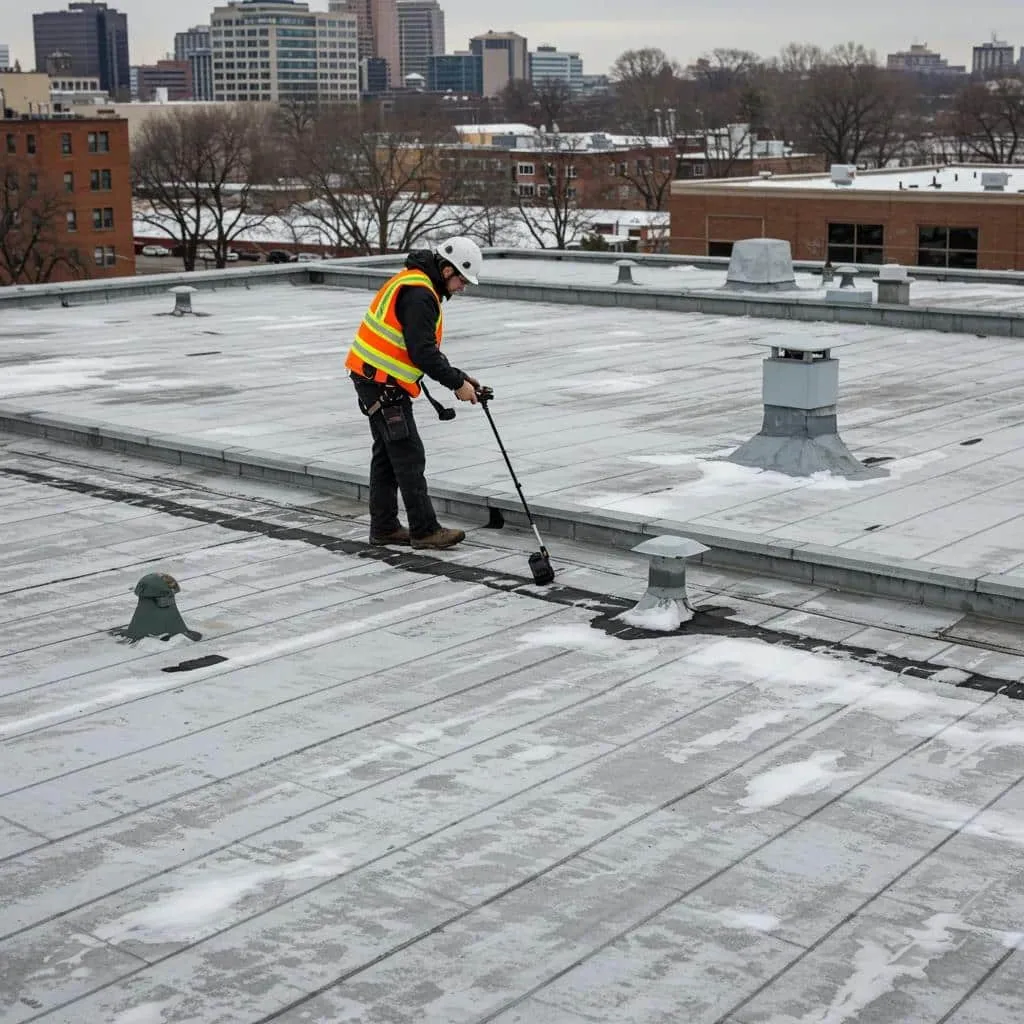
Collect the issued warranty, final project closeout, approved submittals, product information, installer records, roof plan, and any transfer documents. Check the property, building, system, roof area, effective date, term, and named parties against the physical asset. A campus or industrial parcel may contain several roofs; do not assume a document covers every structure on the property unless its scope says so.
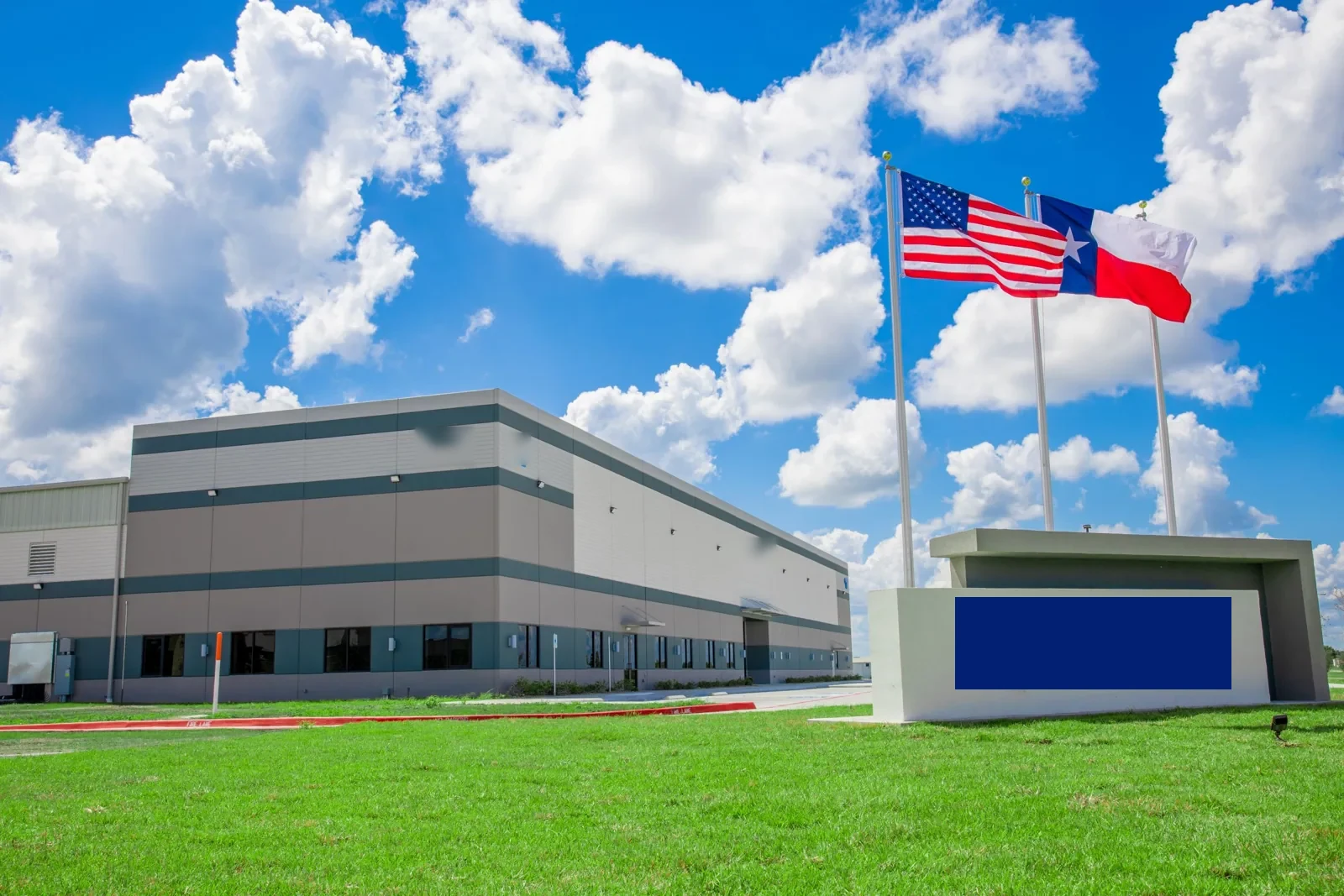
At a large facility around Lone Tree II Industrial Park, separate buildings and additions may have different installation dates or contractors. A roof asset management register can tie each document to the specific roof section. If a manufacturer’s document is missing, request it from the project file or issuing party instead of substituting a generic product brochure.
Separate the manufacturer’s system warranty from a contractor’s workmanship document, service agreement, or project closeout. The names may appear in one binder, but their issuers, covered work, exclusions, and claim channels can differ. List the document title and issuer in the index, then retain the signed or issued version rather than relying on a proposal or product submittal. If a roof was repaired under a separate work order, keep that record adjacent to the warranty file without assuming the repair changed its terms.
Identify the document and covered assembly
Warranty documents may set requirements for routine inspection, drain maintenance, approved repairs, notice timing, access, or record retention. Requirements differ by issuer and document. We identify the relevant clause and its required action, then help the owner arrange a roof review or keep the documentation. We do not interpret a policy, promise that a claim will be accepted, or replace advice from the warranty issuer or legal counsel.
If a leak appears, record the date, interior location, weather, immediate protection, and roof section. Follow the notice route stated in the document and preserve photographs before repairs when it is safe to do so. A commercial roof inspection can describe current roof conditions for the owner’s review. The issuer determines whether the notice meets its process and whether a condition falls within coverage.
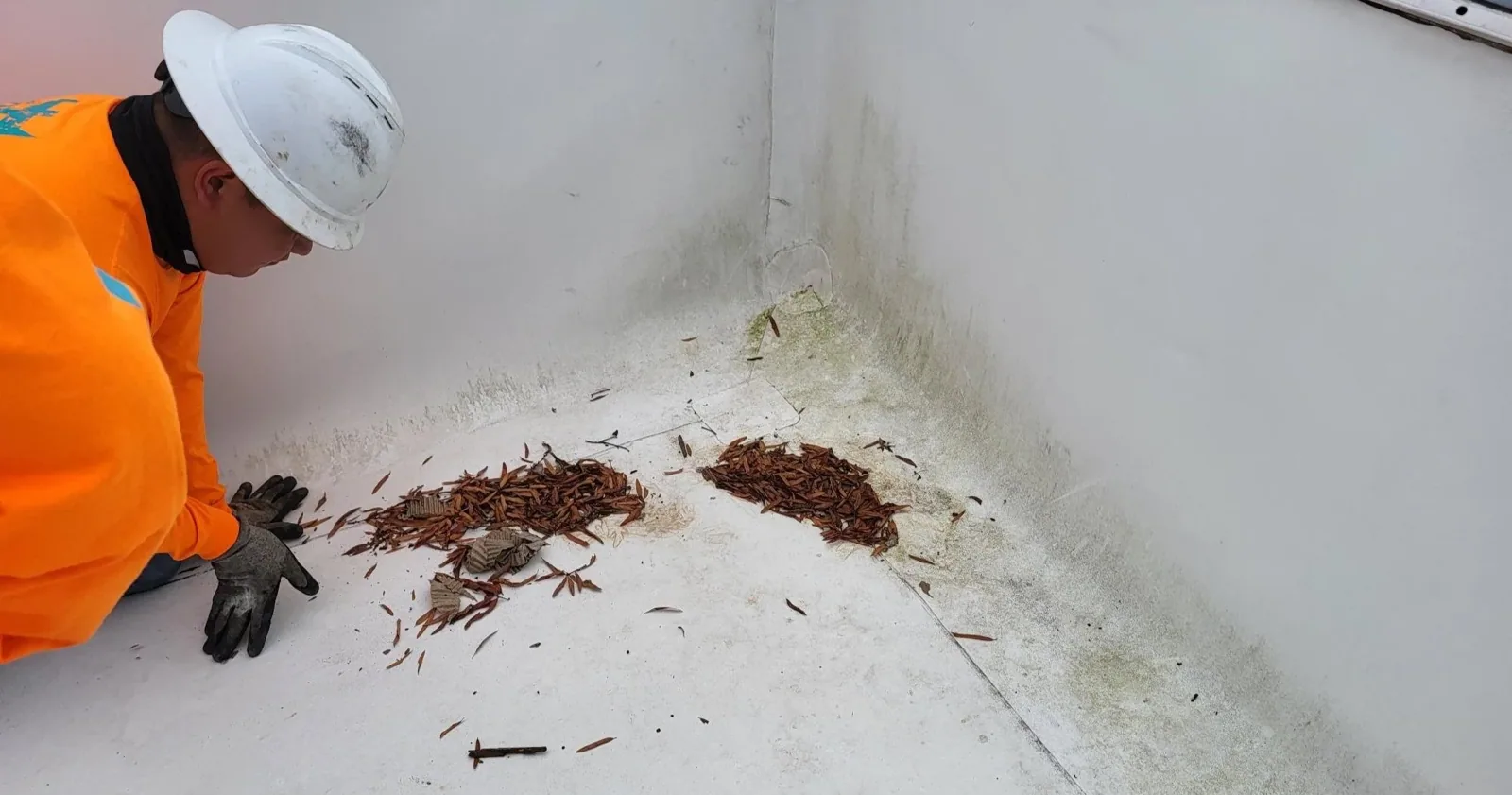
Read notice and maintenance language before a problem occurs. A document may require the owner to report a condition within a stated time, keep drains clear, or use an approved repair method. Record the exact requirement and the source page or section, then ask the issuing party to clarify unclear instructions in writing. Do not convert a maintenance suggestion into a coverage condition unless the document actually states it. That distinction helps staff follow the contract without creating a rule the issuer did not set.
Read the actual requirements before acting
For each maintenance visit, save the date, building, roof area, drains or seams reviewed, findings, photographs, and work completed. Retain service invoices and material details with the corresponding roof record. If an unrelated trade accesses the roof, the property manager can log the work and any roof condition that was reported. A clear timeline can help the owner respond to a warranty question without treating a maintenance note as an issuer’s decision.
A preventive roof maintenance plan can help schedule recurring inspections and capture records. When a repair is needed, use the material and method allowed by the actual warranty and roof system. For a TPO assembly, system-specific requirements still depend on the issued document and installation details, not only its published product family.
Keep maintenance and repair history traceable
Before opening a roof, determine whether the document requires prior notice, an approved contractor, or an opportunity for the issuer to inspect. If an active leak threatens the building, protect the interior and document conditions while following the applicable emergency process. Do not delay necessary safety measures based on an assumption about coverage, and do not conceal the affected detail before the owner understands the record needed.
A commercial roof leak repair scope should identify the opening and materials used. The owner can send the work record through the notice channel in the warranty and ask the issuer how the repair affects remaining terms. Keep approved directions, responses, photographs, and the final invoice together. An edge or flashing repair may require a separate note if it changes a covered transition.
Keep a log of whom the owner contacted, when notice was sent, what documents were included, and any response or site visit requested. If the issuer asks for additional photographs or testing, add those materials to the file and record who authorized the work. When immediate protection is needed, preserve the before-condition when safe and describe any temporary measure separately from the permanent repair. This history helps later reviewers understand the sequence without treating notice itself as a coverage decision.
Coordinate repairs and notification
Record the effective date, stated term, inspection milestones, renewal or transfer instructions if any, and the contact for questions. Set calendar reminders ahead of required inspections or notice windows. If a building is sold or a new owner takes responsibility, review any transfer process in the original document and retain written confirmation of accepted changes. A date in a spreadsheet does not amend or extend the terms.
Victoria owners may have multiple facilities with different project histories. A roof near the Port of Victoria Industrial Park South and another along a commercial corridor should be tracked under separate building records. A roof condition report can provide current observations, while the warranty issuer remains the authority on document status and coverage.
Some records include multiple completion dates for different roof areas. Use the final project documents and written issuer confirmation to match each coverage period to the installed section. If a transfer, ownership change, or renovation occurred, preserve the request and response. A reminder calendar can prevent missed administrative steps, but only the issuer can confirm whether a document remains active or whether a transfer was accepted.
Track dates, transfers, and open questions
Keep a short index that points to the issued document, project closeout, roof plan, maintenance history, repair notices, and contact correspondence. Identify missing documents and who will request them. Avoid storing access credentials or sensitive personal details in a shared warranty summary. The facility record should explain which roofs are covered and where the original terms can be reviewed.
When staff or property management changes, hand over the record and explain open notice or inspection items. If the roof system or building area cannot be matched to a document, schedule a field review and mark coverage as unconfirmed until the issuer clarifies it. That avoids describing a roof as “under warranty” based only on its age or a remembered project year.
Create a usable warranty file
Related Roofing Work
Frequently Asked Questions
Does a roof warranty cover every leak?
Not necessarily. Coverage depends on the issued terms, covered roof area, conditions, notice process, and issuer review.
Can a generic manufacturer brochure substitute for the warranty?
No. Locate the issued document that identifies the covered roof, parties, dates, and requirements.
Should an owner wait for warranty approval before protecting an active leak?
Protect occupants and property safely, document the condition, and follow the notice process in the actual document.
Can an inspection determine warranty coverage?
An inspection documents roof conditions. The issuer decides whether a condition or repair is covered under its terms.
What records should be retained?
Keep the warranty, roof plan, closeout, maintenance, repair notices, photographs, and related issuer correspondence.
Share issued warranty documents, roof plans, maintenance logs, repair history, and open notices. We can organize the records by building and identify missing information.
Call 555-555-5555 or email [email protected].