
Commercial Skylight and Penetration Flashing in Victoria, TX
Commercial Roofing Services · Victoria, TX
Skylight and penetration flashing in Victoria checks curbs, corners, seals, and nearby membrane so the repair addresses the roof transition.
Next step
Request a Roof Assessment
Call
555-555-5555
A skylight can stay clear and intact while water enters at the curb corner below its frame. In Victoria’s heat and storm exposure, movement at a curb, pipe, or equipment penetration can stress sealant and membrane tie-ins. We inspect the unit, flashing, adjacent roof field, and interior report together, then set a repair boundary that reflects the actual transition rather than the visible drip alone.
Commercial Skylight and Penetration Flashing
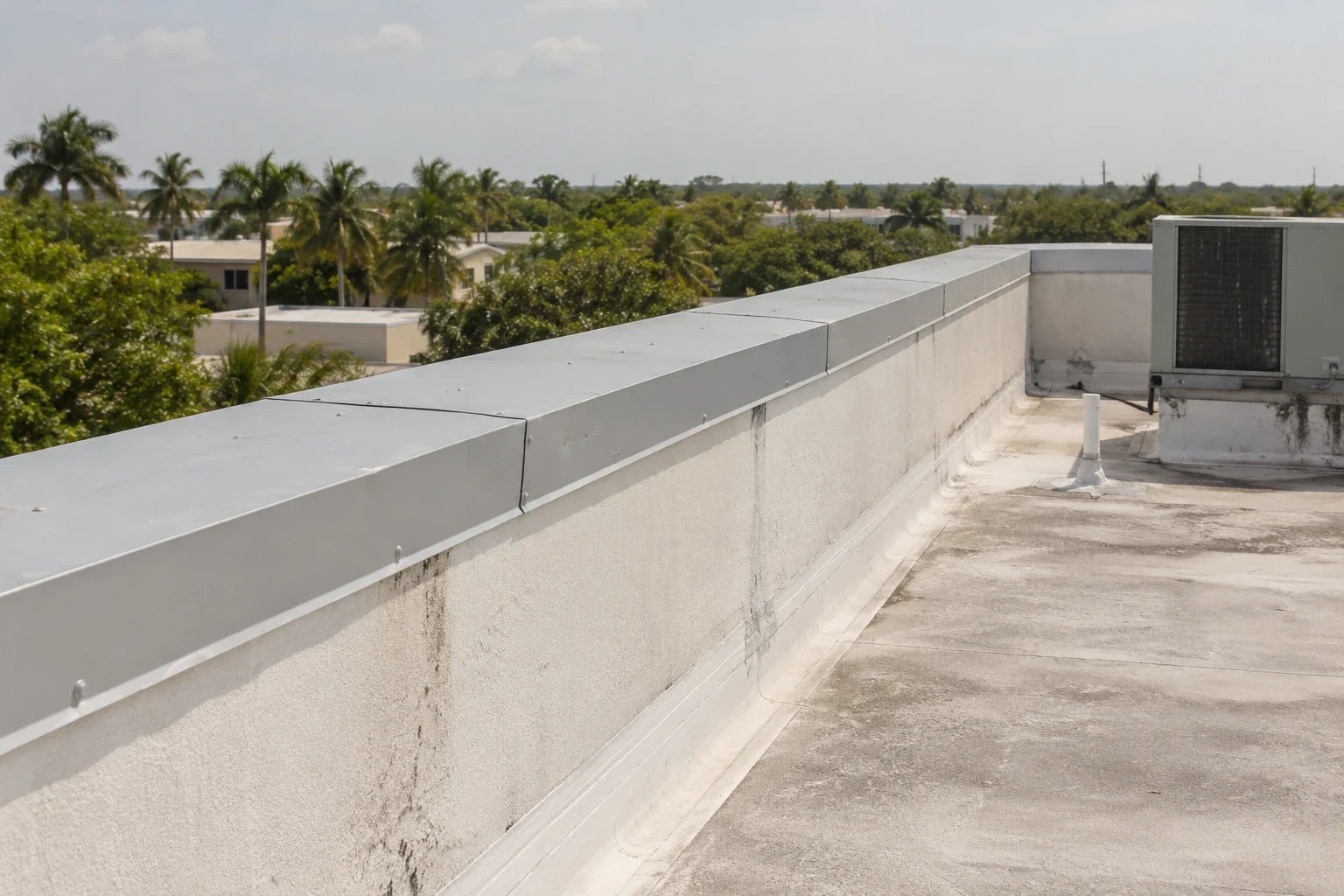
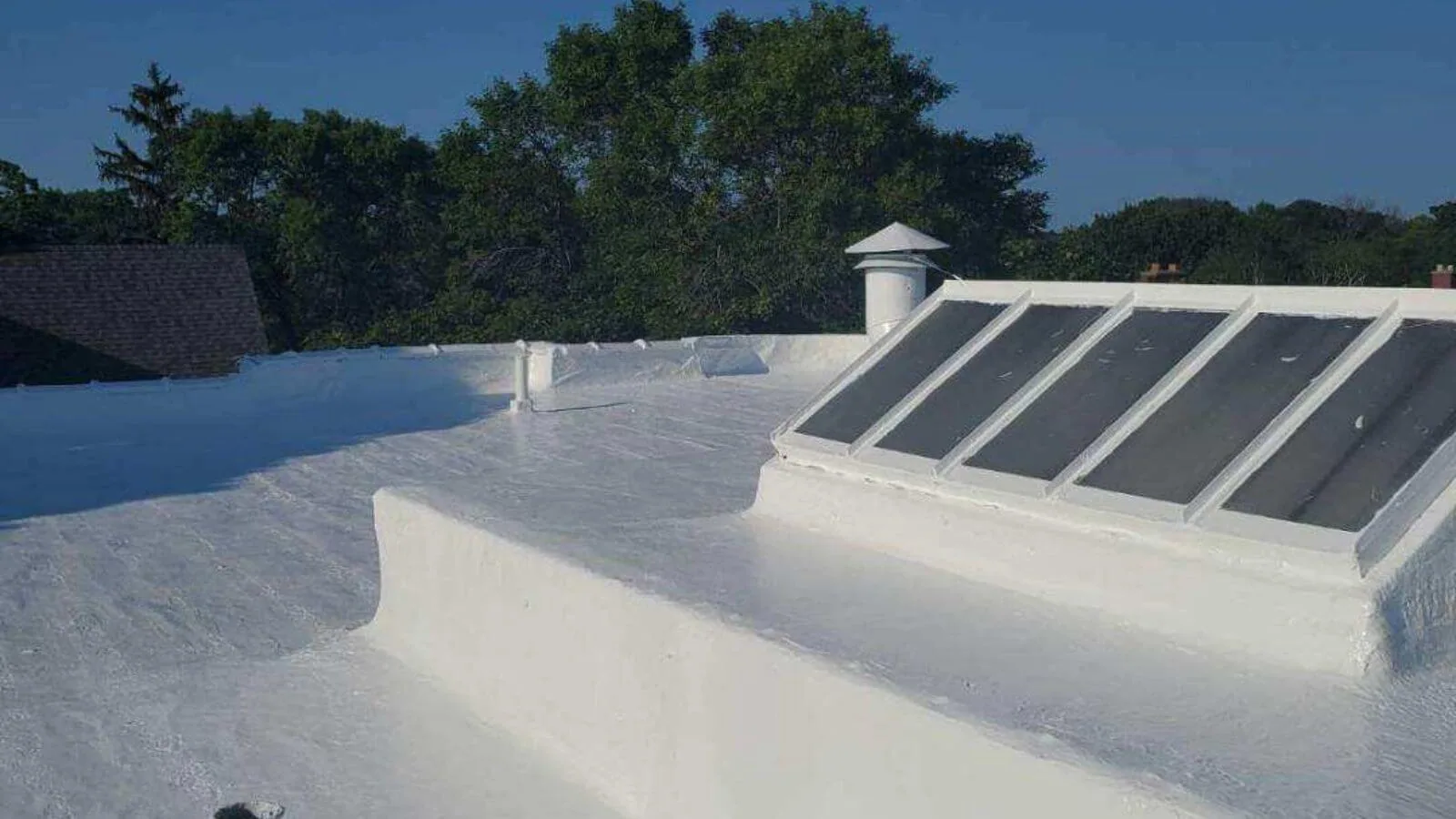
We check the curb height and condition, corner seams, counterflashing, fasteners, glazing frame, and connection to the roof membrane. Look for open laps, cracked sealant, corrosion, loose metal, displaced gaskets, and signs that water has passed behind the curb. A bead of sealant over a failed corner may hide the opening without restoring the flashing. The repair depends on whether the defect is at the frame, curb, roof-side membrane, or a combination.
Skylight condition also affects safety and access. We identify fragile glazing, guards, and marked travel paths before a roof walk or repair. The property contact should share any restrictions for interior rooms, production lines, or occupied suites below. When the roof plan labels several units, use a consistent identifier so the report and closeout photos point to the same skylight or penetration.
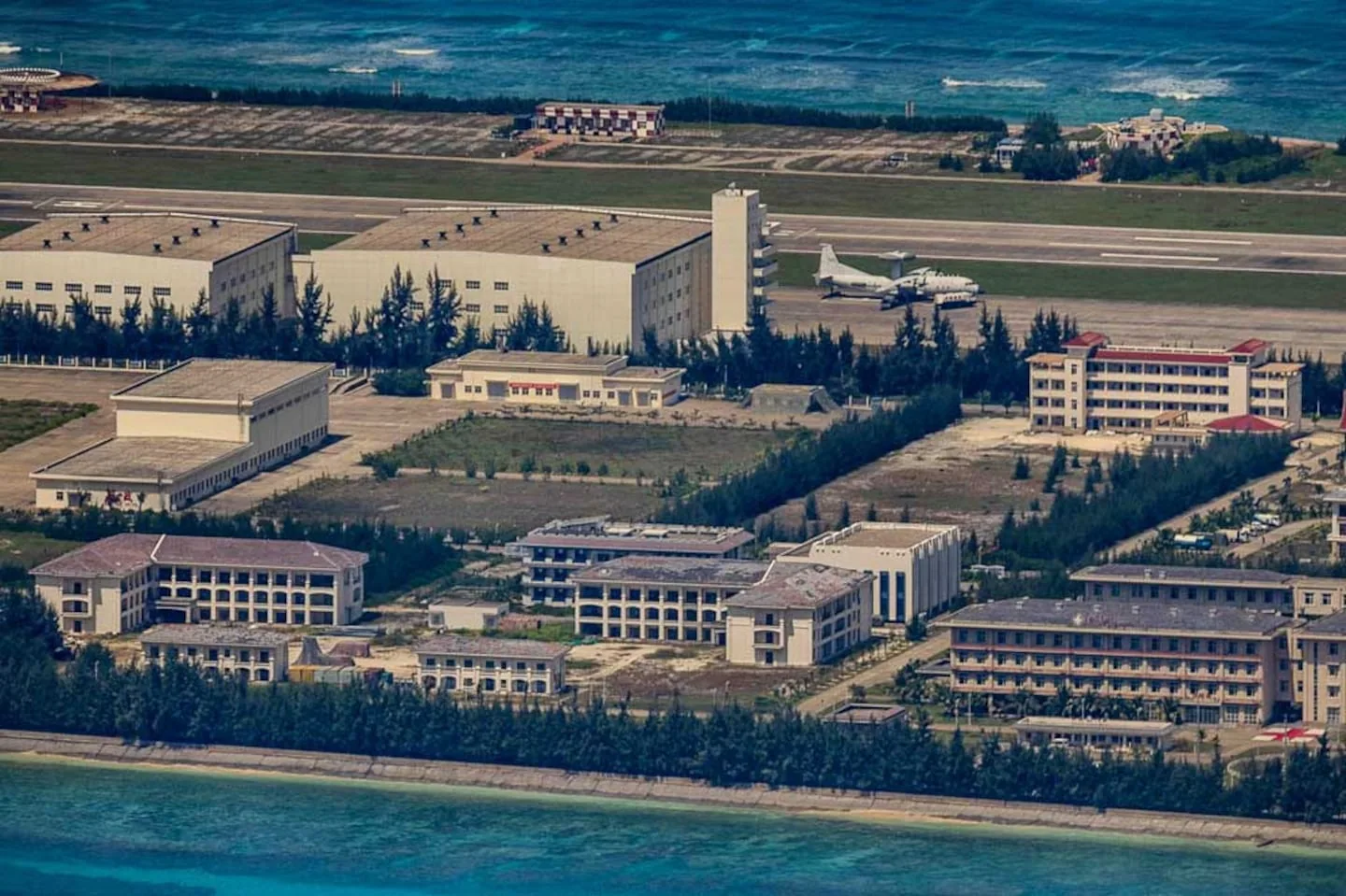
For a school or training building near Victoria, including training sites such as the Emerging Technology Complex, occupied schedules may narrow the work window. The complex is part of Victoria’s education and workforce setting; access rules for the specific building still come from its property contact.
Inspect the curb before choosing a seal
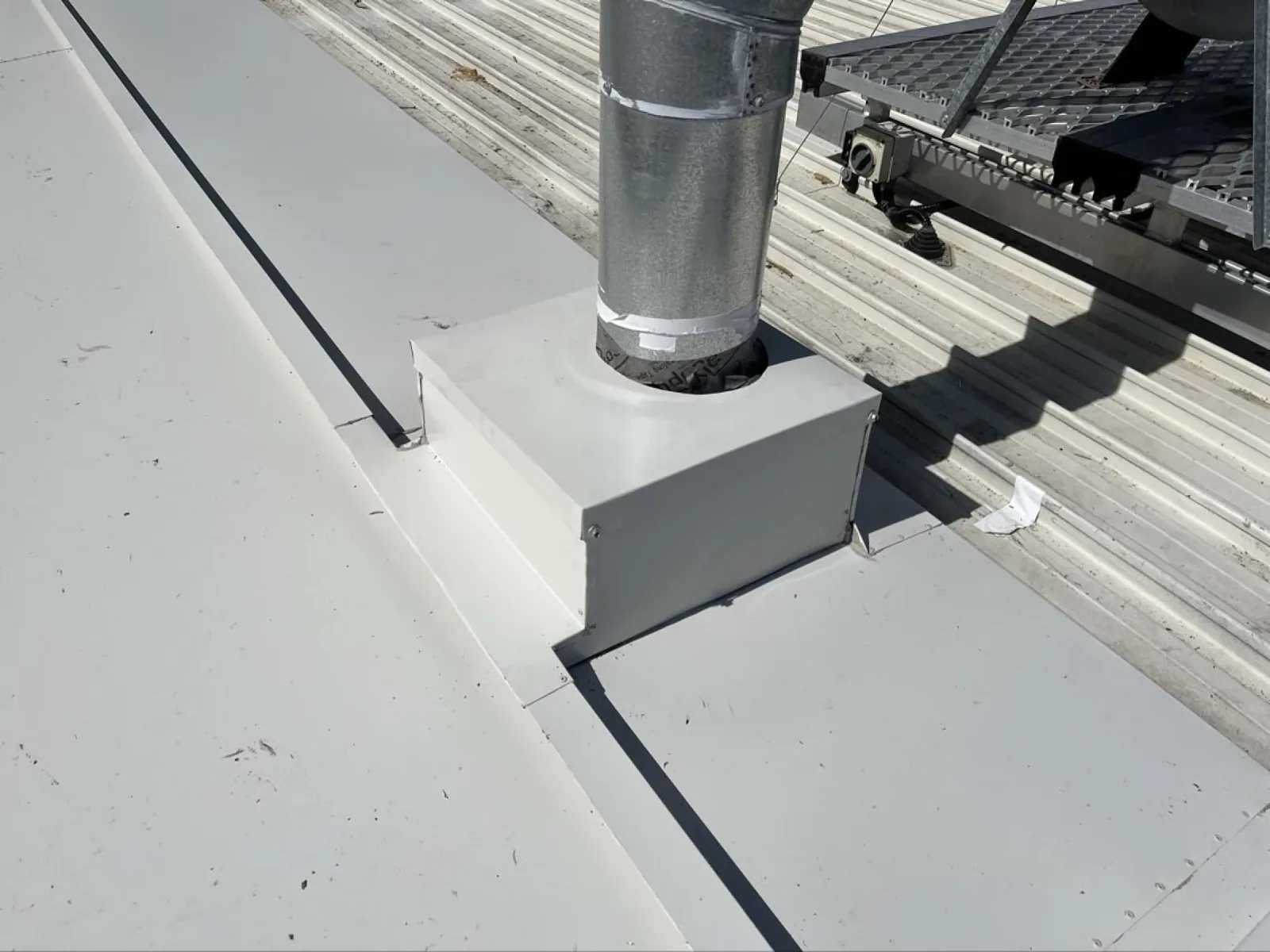
Pipe boots, conduit, supports, exhausts, and HVAC curbs interrupt the membrane and create individual flashing details. We check whether the boot fits the pipe, the flange remains bonded, and nearby support feet have shifted or pressed into the roof. A support movement can pull on the membrane even when the equipment itself remains in service. If equipment isolation or a trade shutdown is needed, confirm the responsible contact before work starts.
Water at a ceiling below a pipe penetration may travel along the pipe or deck before appearing indoors. We compare the reported location with the roof detail and adjacent seams. A leak repair inspection can trace the entry path when the nearest penetration is only one of several possible sources. If moisture extends beyond the visible area, targeted testing or a selective opening may be required before replacing insulation or closing the repair.
Victoria Regional Airport’s commercial and industrial development areas include a mix of operating uses. The local business setting is a reminder to coordinate roof access and equipment schedules with each site. It does not establish what penetrations or roof systems are present at a particular facility.
Trace pipes, supports, and equipment curbs
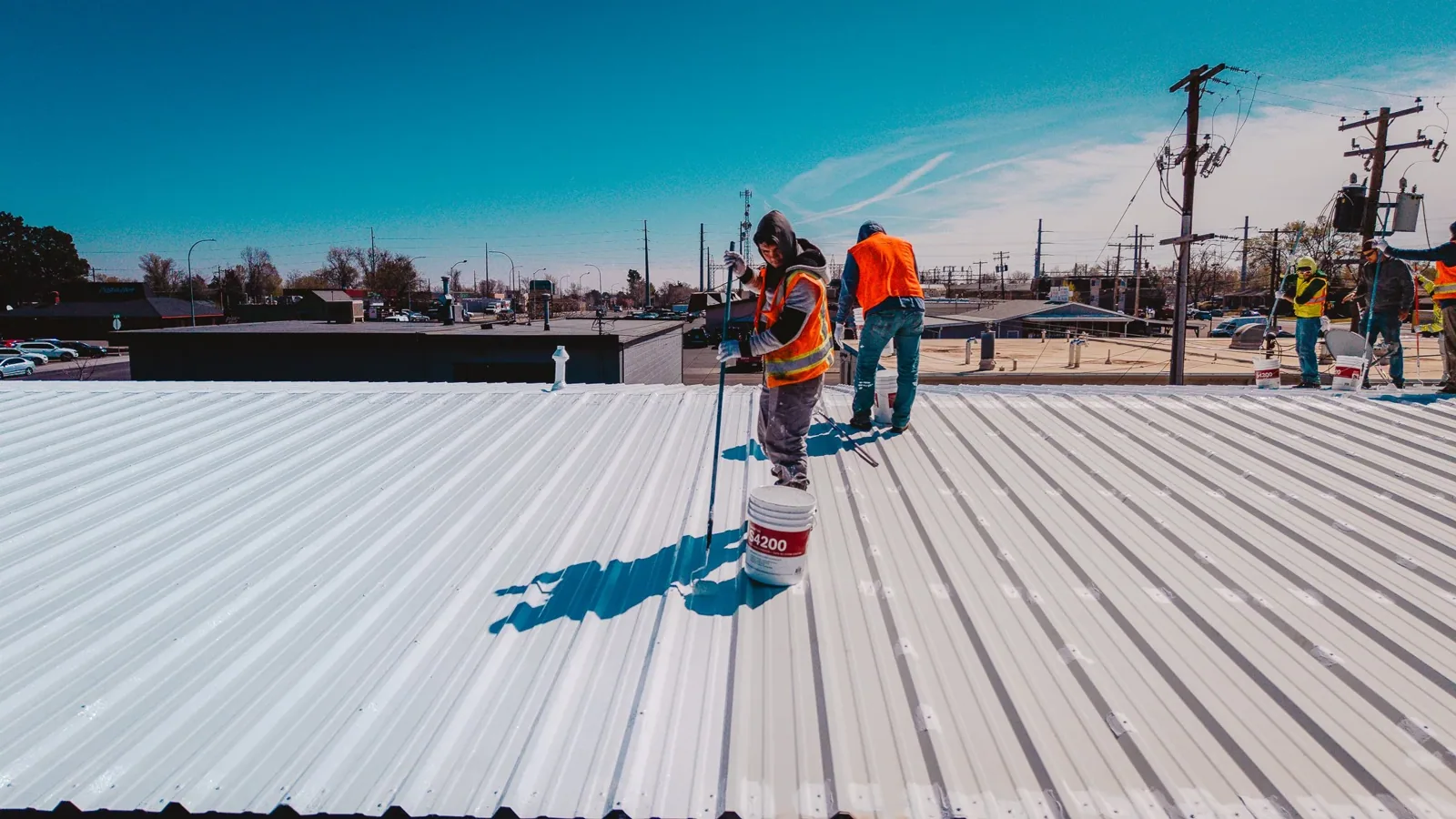
A flashing repair begins with the actual assembly and its surface condition. We remove loose or failed material within the agreed scope, clean and prepare the tie-in, and use compatible flashing or membrane components. At a single-ply roof, seams and corners may need welding, reinforced flashing, or a compatible liquid-applied detail. Metal roofs require a different approach at ribs, fasteners, and curbs. The roof type in a maintenance file is a starting point, not a substitute for field confirmation.
Where the curb itself is split, deteriorated, or moving, membrane work alone may not stabilize the unit. The report identifies whether carpentry, glazing, sheet-metal, or mechanical coordination is needed. A roof inspection can document broader field conditions and compare repeated details across the same building.
In the North Navarro Street Retail Corridor, retail roofs may serve tenants with different schedules. Protect the space below and coordinate access with the property manager. A completed flashing should be tied in before the crew leaves the exposed section.
Tie the flashing into the confirmed roof system
Hail can damage skylight glazing, guards, and rooftop accessories; wind can move loose caps, screens, or curb flashings. We inspect the components that are safely accessible and document impact, displacement, or breakage separately from existing wear. A 2026 warning for central Victoria County described hail near an inch across and gusts reaching 60 mph. That alert supports local inspection, but it does not establish damage at every property.
For July 2026, the VCT climate sheet gives a 94°F normal maximum and a 110°F date record. That summer heat can stress sealant and exposed flashing, and direct sun changes surface-preparation conditions. We plan repair timing around the product requirements and actual roof conditions. If a unit has cracked glazing or unsafe access, secure the area and coordinate replacement before attempting a membrane tie-in.
For broader storm effects, a storm repair assessment can record edge, field, and penetration conditions together. The report distinguishes immediate protection from the permanent correction and lists areas that still need a glazing or mechanical contractor.
Check penetrations after wind and hail
At closeout, inspect flashing corners, seams, fasteners, frame joints, and the perimeter tie-in. Confirm the work area is clear and that temporary protection is removed or documented. Photos should show both the overall unit and the repaired detail. If access did not allow a full inspection of the frame, concealed curb, or interior side, state that boundary so the owner knows what remains unconfirmed.
Where several similar units share a roof, record each by roof section and identifier. Note any nearby equipment that must not be disturbed and any future service coordination that can affect the repair. A condition report can keep those details alongside seam, drain, and edge findings on larger buildings.
For recurring maintenance, compare the same curb and flashing corners over time. Changes in a seal, open seam, or support position can guide a focused repair before water reaches the occupied space. A documented maintenance visit can keep the roof plan and photographs current.
Verify each transition and record access limits
When requesting skylight or penetration service in Victoria, provide the roof type, leak location, unit or pipe identifier, access window, and any equipment restrictions. We will inspect the frame or curb, trace the roof-side tie-in, and document which component needs repair. If another trade must stabilize the unit, we will identify that coordination before the flashing work is closed.
For a building with multiple roof sections, share a plan that distinguishes the unit locations and rooms below. Protecting the occupied area matters as much as preparing the membrane. We keep the work boundary visible, confirm the repair material against the assembly, and leave a photo record that shows what was corrected.
The closeout also lists any section we could not access and the practical next step. That gives the property manager a clear record for later service instead of a broad statement that every roof opening was checked.
Schedule a curb or penetration review
Related Roofing Work

Frequently Asked Questions
Can you seal a leaking skylight without replacing it?
Sometimes. We inspect the glazing, frame, curb, and roof tie-in first. The repair depends on whether the leak is at the unit or the surrounding flashing.
Why does a pipe penetration leak after it was sealed?
The boot may not fit, the flange may have separated, or movement may continue below the seal. We check the full transition and adjacent membrane before selecting a correction.
Do you repair the skylight glazing too?
We inspect the unit and identify whether glazing, frame, curb, or roofing work is needed. A glazing contractor may be required for damaged glass or frame components.
Can the repair happen while equipment is running?
Often, but curbs, exhausts, and supports may require mechanical coordination. The site contact confirms shutdown rules and safe access before the work window.
What should I report when water appears below a curb?
Share the room, approximate time, weather, unit identifier, and any prior work. We compare that report with the roof detail and nearby drainage path.
Send the roof plan, leak location, unit or penetration identifier, access window, and equipment restrictions. We will inspect the curb and membrane transition and document the repair boundary.
Call 555-555-5555 or email [email protected].