
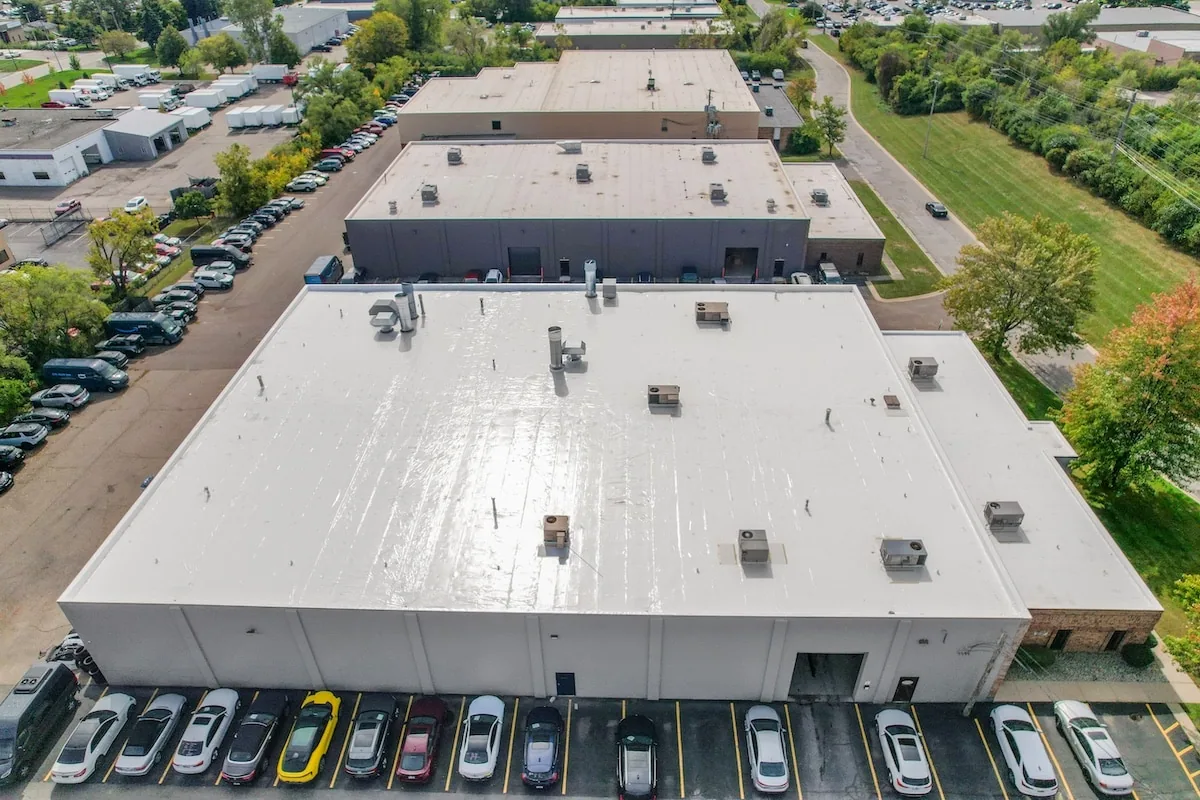
Duro-Last Commercial Roofing in Victoria, TX
Roofing Manufacturers · Victoria, TX
Duro-Last roof repair in Victoria, TX starts with sheet and seam identification, flashing review, drainage checks, and a written limit for each roof section.
Next step
Request a Roof Assessment
Call
555-555-5555
Regional heat and severe-weather history help inform the Victoria work calendar, while the actual roof inspection determines the repair. Confirm the forecast and surface condition, then stage the Duro-Last materials and closure plan for the selected roof zone. A warning or past storm is a reason to inspect where appropriate, not a substitute for documenting a visible defect.
Duro-Last Commercial Roofing
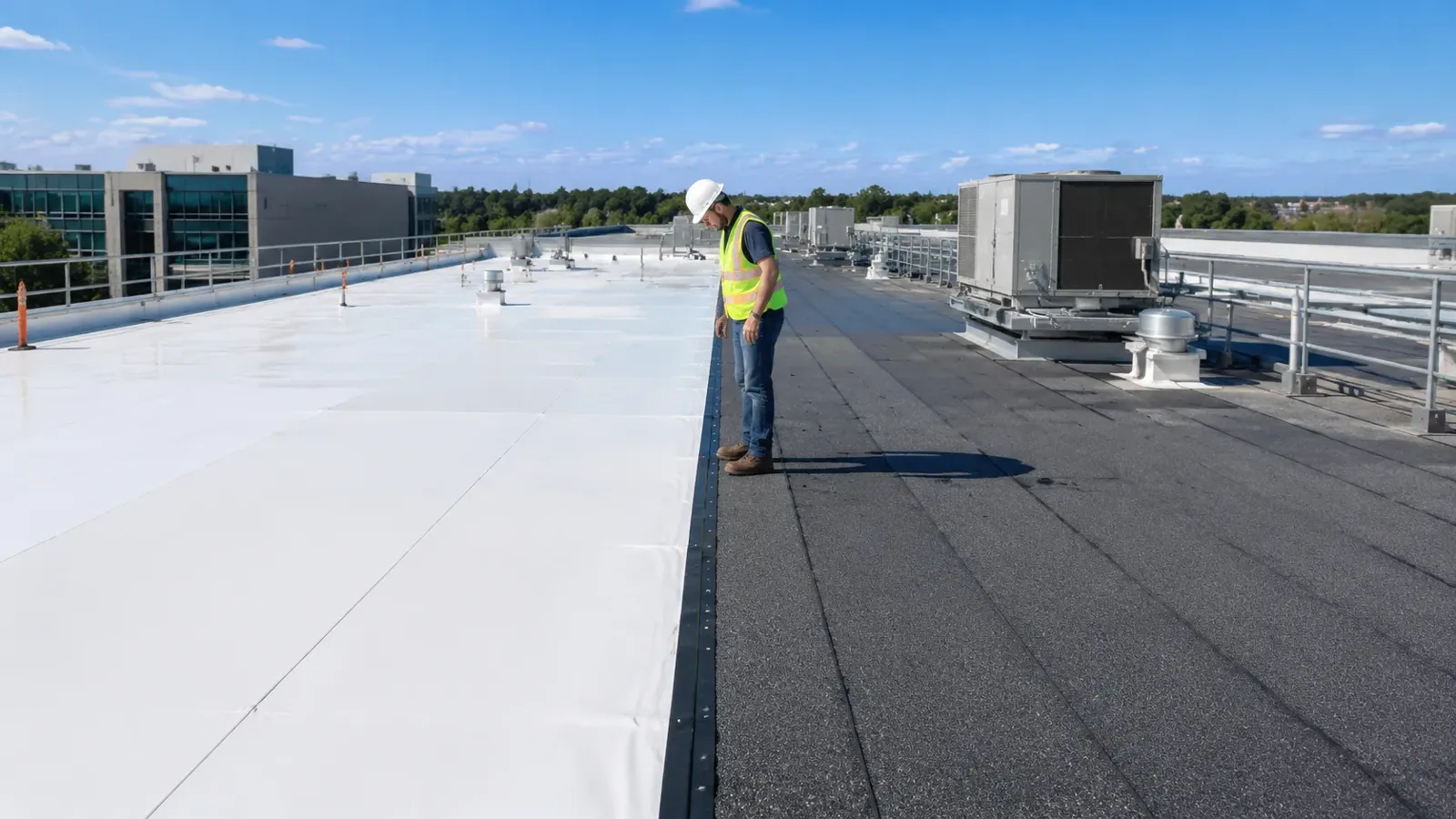
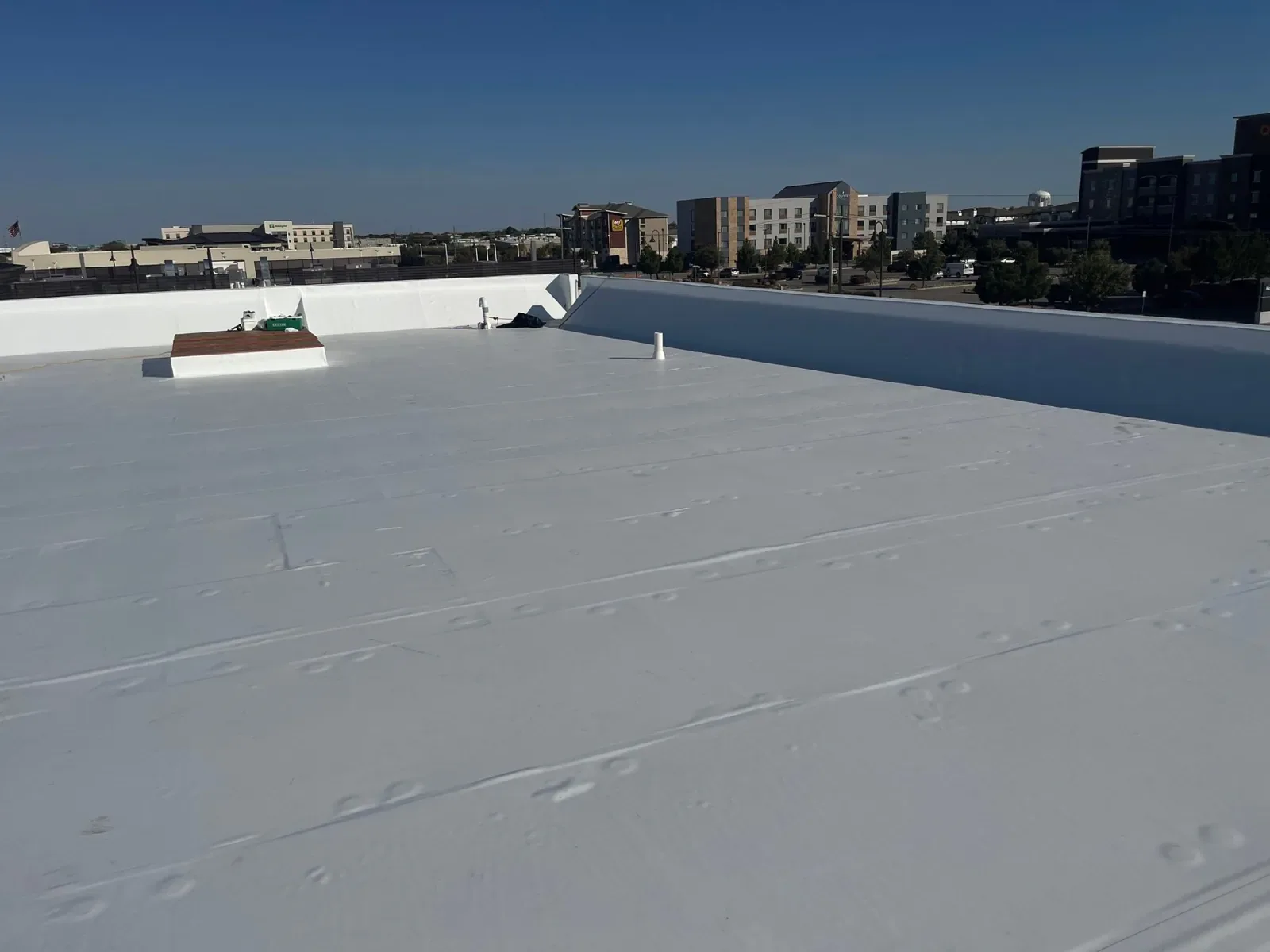
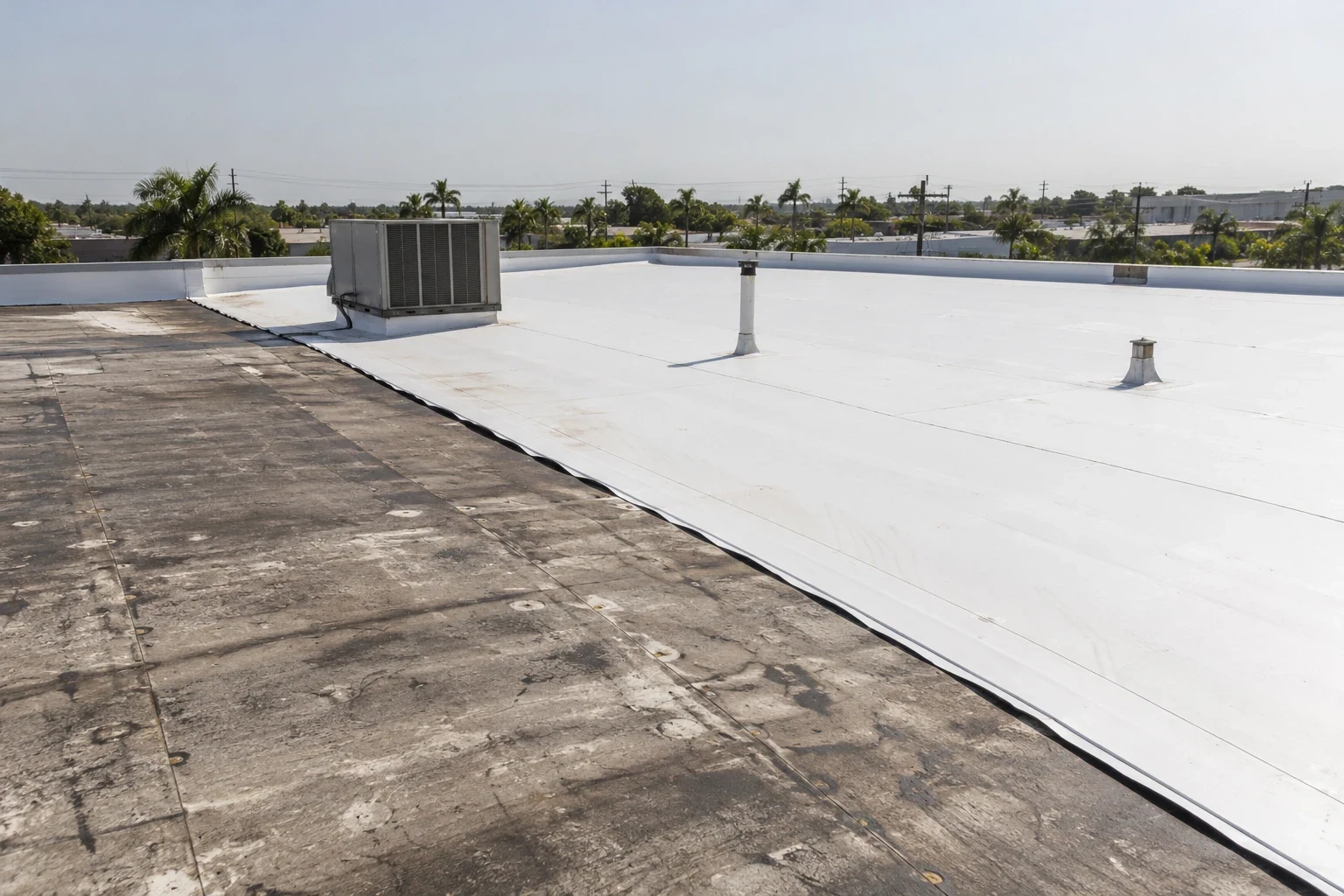
Duro-Last systems use PVC roofing membrane, with project details that can include prefabricated components. The work still has to match what is installed at the property: membrane condition, seam construction, flashing, attachment, insulation, edge metal, and drainage. We compare product records with visible field details, because a later repair or roof addition may use a different material. If one section differs from the file, the inspection states that difference before a material order or tie-in is proposed.
Heat-welded seams need compatible preparation and a clean surface. We inspect the weld, surrounding sheet, penetrations, parapets, and prior patches before marking a repair limit. An invoice label alone cannot show whether a coating, overlay, or second membrane now covers the original. When the owner is evaluating options, compare the documented assembly with a Versico membrane system or a Sika Sarnafil assembly; a PVC roof review should explain the installed sheet and details rather than treat every PVC product as interchangeable.
What should match the existing Duro-Last assembly?
The interior stain provides a starting point, not a roof diagnosis. Water can follow a deck, insulation joint, or curb and show up away from the entry. We inspect the section above the report, test nearby seams and transitions, and document drains, scuppers, and overflow routes. If a test cut is needed to see whether insulation is wet, we mark the proposed location, expected size, temporary closure, and approval limit before opening the assembly.
For a bounded repair, the tie-in should reach clean, sound sheet and leave no loose edge exposed to wind or water. When the seam condition extends beyond the visible defect, we show the additional length and explain why it changes labor or material. A separate drainage review checks outlet conditions; curbs and penetrations are documented as separate transitions; and insulation and cover-board findings record the lower layers. Keeping those items visible helps the owner choose a repair scope without blending concealed conditions into the base quantity.
Where does the leak enter, and what can wait?
Regional heat and severe-weather history help inform the Victoria work calendar, while the actual roof inspection determines the repair. Confirm the forecast and surface condition, then stage the Duro-Last materials and closure plan for the selected roof zone. A warning or past storm is a reason to inspect where appropriate, not a substitute for documenting a visible defect.
Victoria includes citywide commercial corridors and industrial development areas serving manufacturing, freight, healthcare, education, and government uses. The Port of Victoria's barge, rail, and highway connections can affect deliveries at some industrial sites; other buildings set different access and occupancy limits. We confirm the address for dispatch, roof access, and the contact authorized to approve changes, then record observations by building and roof zone.
How does Victoria weather affect a repair day?
A repair may hold when the affected seam is isolated, the surrounding membrane is serviceable, attachment is sound, and the insulation below is dry. Repeated water entry, broad seam or flashing failure, wet materials across roof zones, or a deteriorated deck can change the recommendation. We list what is known, what remains concealed, and which test would settle it. The estimate separates the measured repair from an allowance so the owner can see where the cost could change.
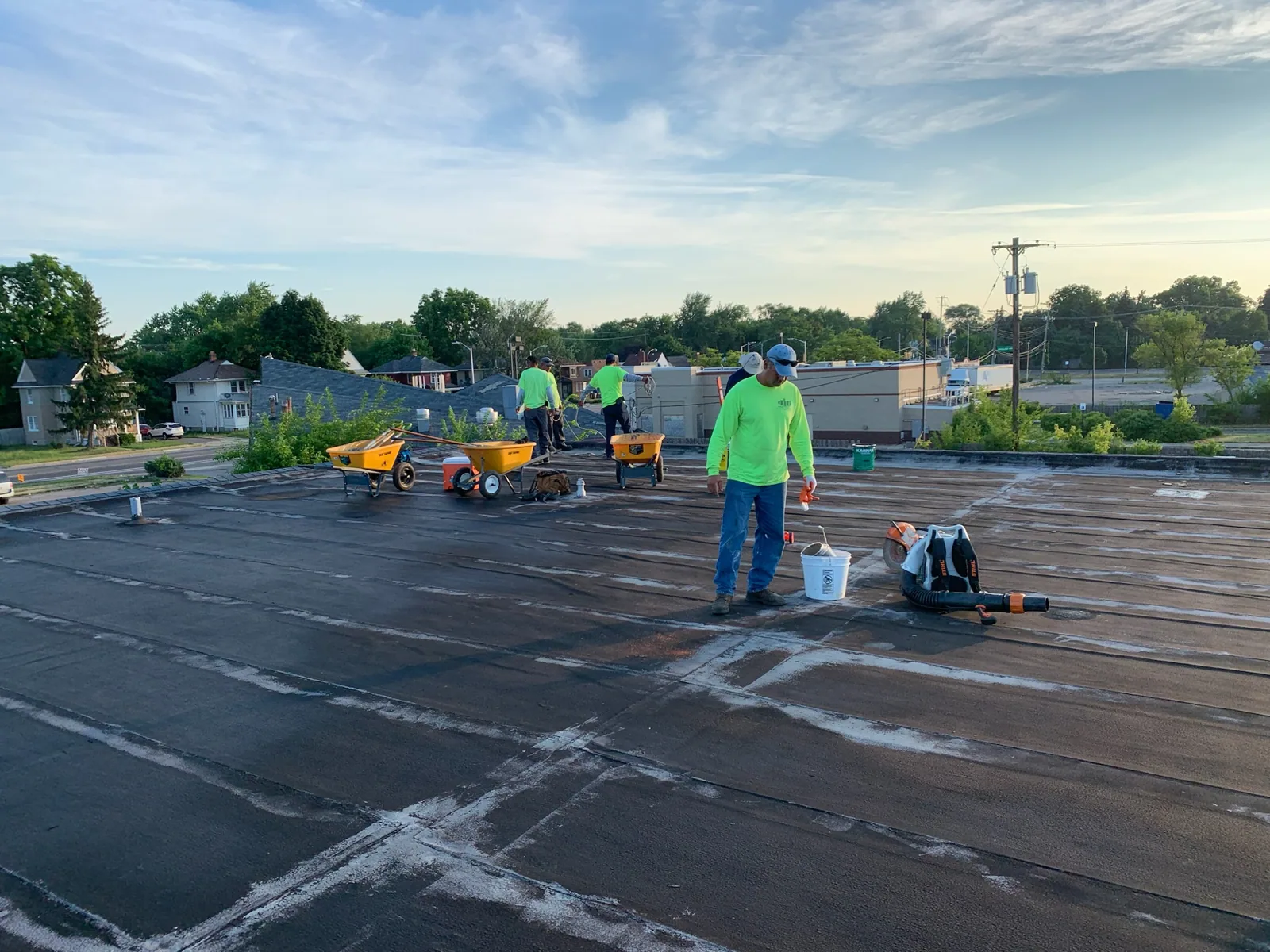
Recover work depends on the existing layers, moisture, attachment, drainage, edge heights, and the condition of penetrations. A recover assessment tests whether the current assembly can remain under a new system, while replacement work identifies removal, insulation, membrane, flashing, and edge-metal quantities. Roof area, staging route, occupied hours, haul access, and rainy-season holds all affect timing and cost. We keep each assumption in the work authorization, so added substrate work reaches the owner as a specific next approval rather than a surprise field change.
When should a repair become a replacement review?
The closeout should name the roof section, observed membrane and accessories, seam and flashing work, insulation or deck findings, drainage observations, photos, and conditions left outside the authorization. For a test opening, the record shows the measured area and whether additional material was approved. It also distinguishes temporary protection from permanent work and identifies any return visit. Those details let a facility manager track which roof zone changed without assuming the entire building shares the same assembly.
Victoria includes citywide commercial corridors and industrial development areas serving manufacturing, freight, healthcare, education, and government uses. The Port of Victoria's barge, rail, and highway connections can affect deliveries at some industrial sites; other buildings set different access and occupancy limits. We confirm the address for dispatch, roof access, and the contact authorized to approve changes, then record observations by building and roof zone.
When a replacement reaches several roof sections, record which assembly is new, where it meets older membrane, and whether existing drains or edge conditions changed. The owner can use the marked plan to distinguish completed work from the next phase. We also record any roof area that stayed closed because the weather or access window changed. That protects the next approval from relying on an assumed quantity and gives maintenance staff a clean handoff for the following inspection. Add open questions and the planned return date to that record so the next shift starts with the remaining work clearly defined.
The port and inland industrial areas set different delivery patterns. Port of Victoria Industrial Park South has barge, rail, and highway connections; Lone Tree II Industrial Park focuses on manufacturing and assembly. A site-specific access check still governs every roof visit. The Victoria coverage spans city and surrounding areas, with each roof inspected within its own approved scope.
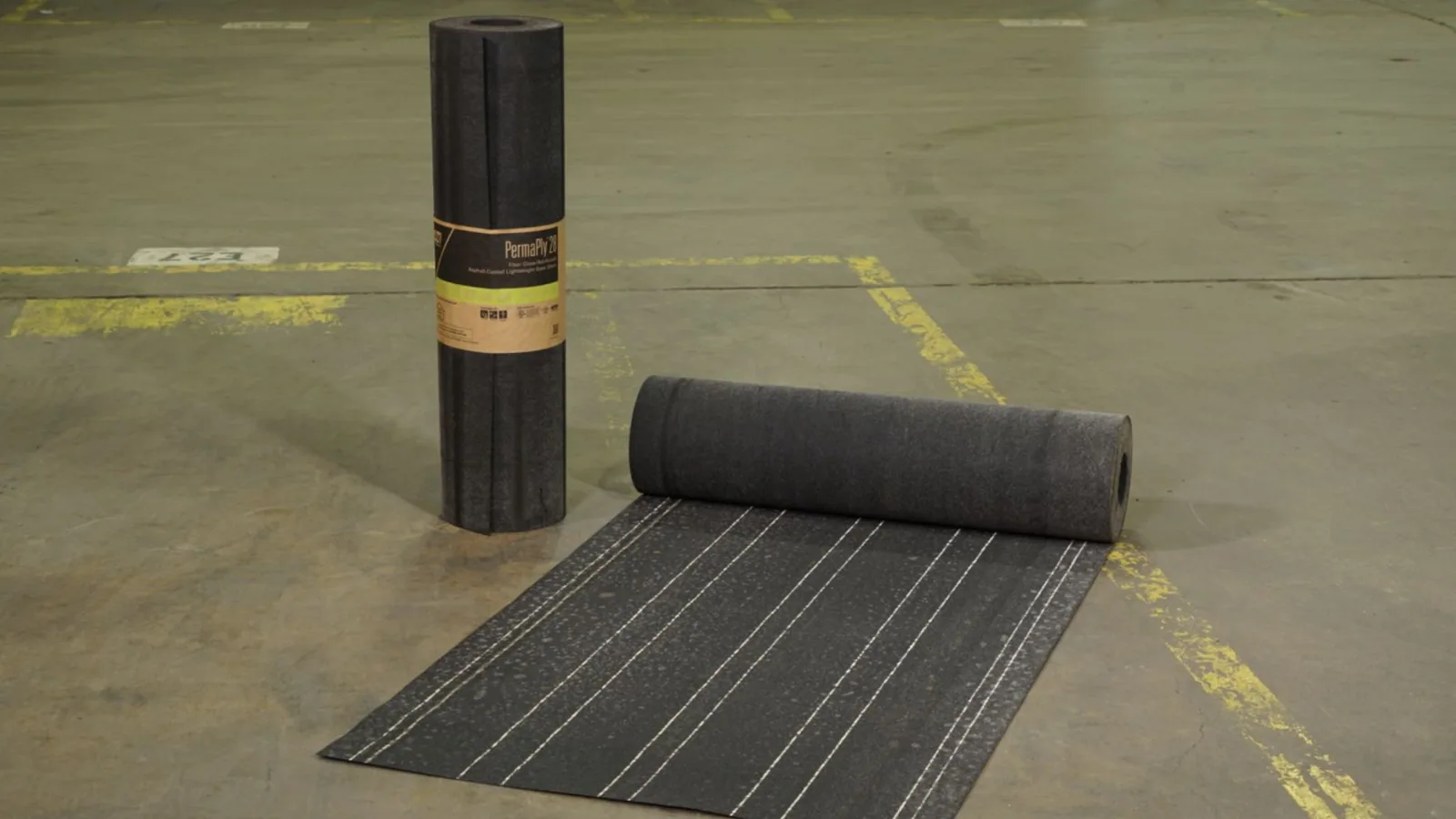
Factory-prefabricated components can change where seams occur, but they do not remove the need to inspect transitions and field repairs. Compare the panel or sheet layout with the roof plan, then examine penetrations, edges, drains, and any hand-fabricated changes made after installation. The repair scope should state whether material is prefabricated for the measured area or field-cut under the applicable details. Photograph substrate and seams before concealment so a later reviewer can distinguish original fabrication from subsequent work.
What belongs in the final roof record?
Related Roofing Work
Frequently Asked Questions
How do you confirm a roof is Duro-Last PVC?
We compare submittals and product records with membrane markings, seam construction, exposed edges, and repair details. The report identifies which evidence supports the system name and any section that needs more testing.
Can a separated seam be repaired without replacing the roof?
A local repair can fit when the surrounding sheet is sound, the attachment is stable, and a compatible weld can be prepared. We inspect beyond the open seam before setting its length and limits.
Does a prefabricated detail mean every curb is sound?
No. The existing curb and field connection still need inspection for movement, water entry, prior repairs, and substrate condition. We document the transition and price any added work separately.
What if the membrane covers wet insulation?
We mark the test opening and the observed moisture boundary, then protect the area. Added removal and replacement remain outside the original scope until the owner approves the changed quantity.
Can the repair happen during Victoria's rainy season?
Yes, when the work window and forecast allow a secure dry-in. We set the removal limit, weather hold, and return plan before opening the roof, and adjust if lightning or rain interrupts access.
Share the product records, roof plan, leak location, access rules, and contact who can approve testing. We will identify the installed membrane, document the affected section, and return a bounded repair or renewal scope.
Call 555-555-5555 or email [email protected].