
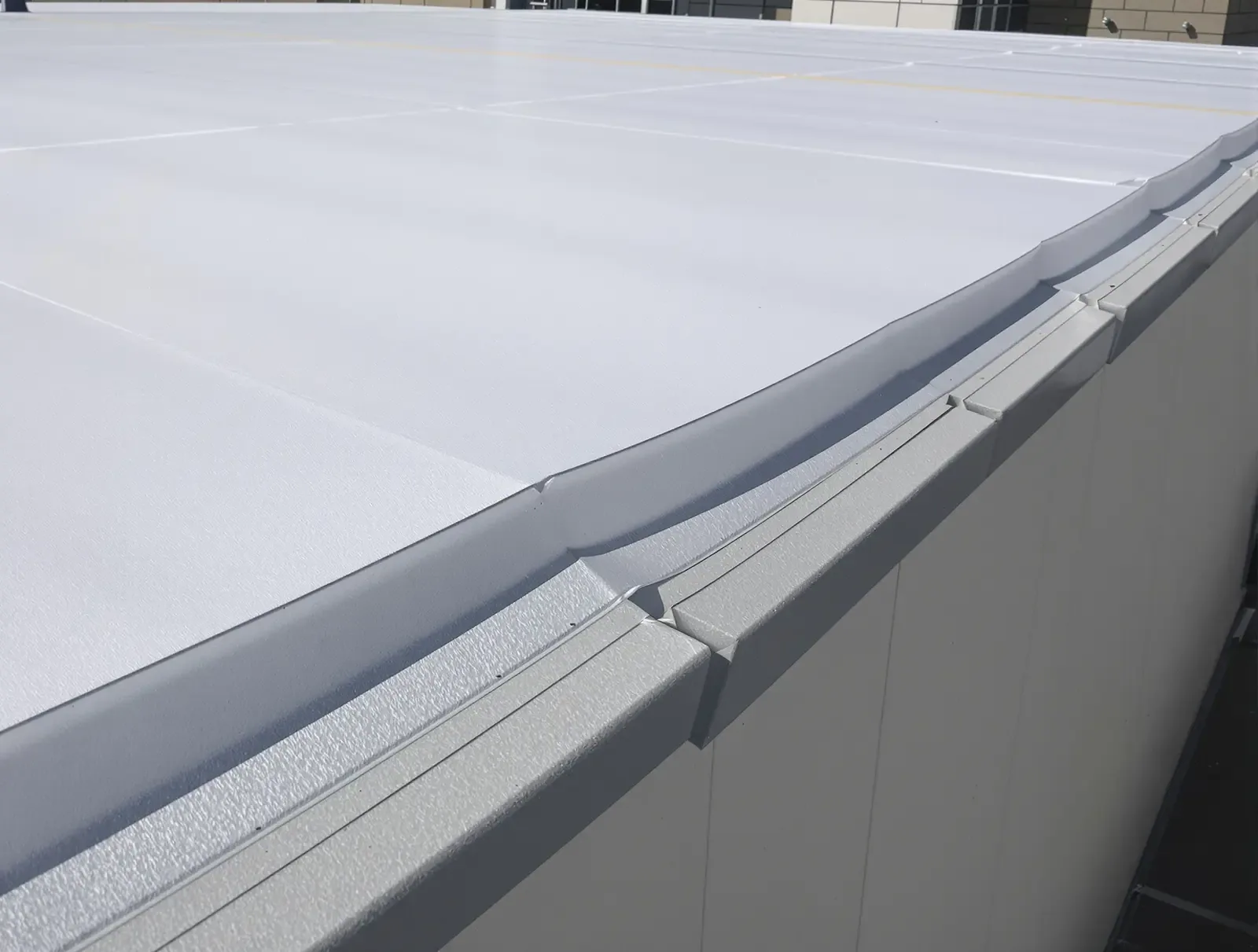
Sika Sarnafil Roofing in Victoria, TX
Roofing Manufacturers · Victoria, TX
Sika Sarnafil roof work in Victoria, TX starts with membrane identification, seam review, drainage checks, and a repair boundary tied to the roof section.
Next step
Request a Roof Assessment
Call
555-555-5555
Victoria records show that hot days and severe weather are part of regional roof planning. They do not show whether a specific PVC membrane has a defect. Before setting the installation sequence, check surface conditions, forecast, safe access, and the detail requirements for the Sarnafil system being considered. Protect the work zone whenever an interruption could leave a seam or penetration incomplete.
Sika Sarnafil Roofing
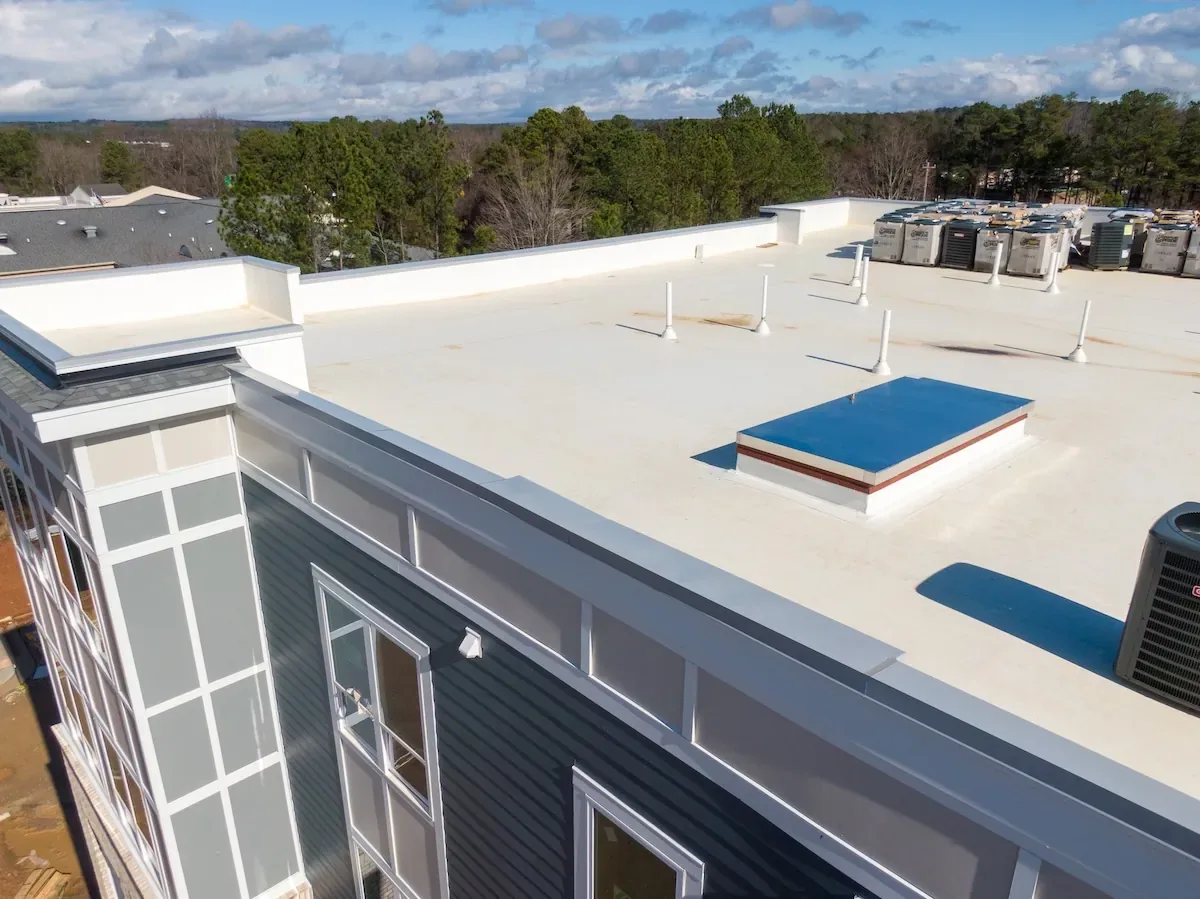
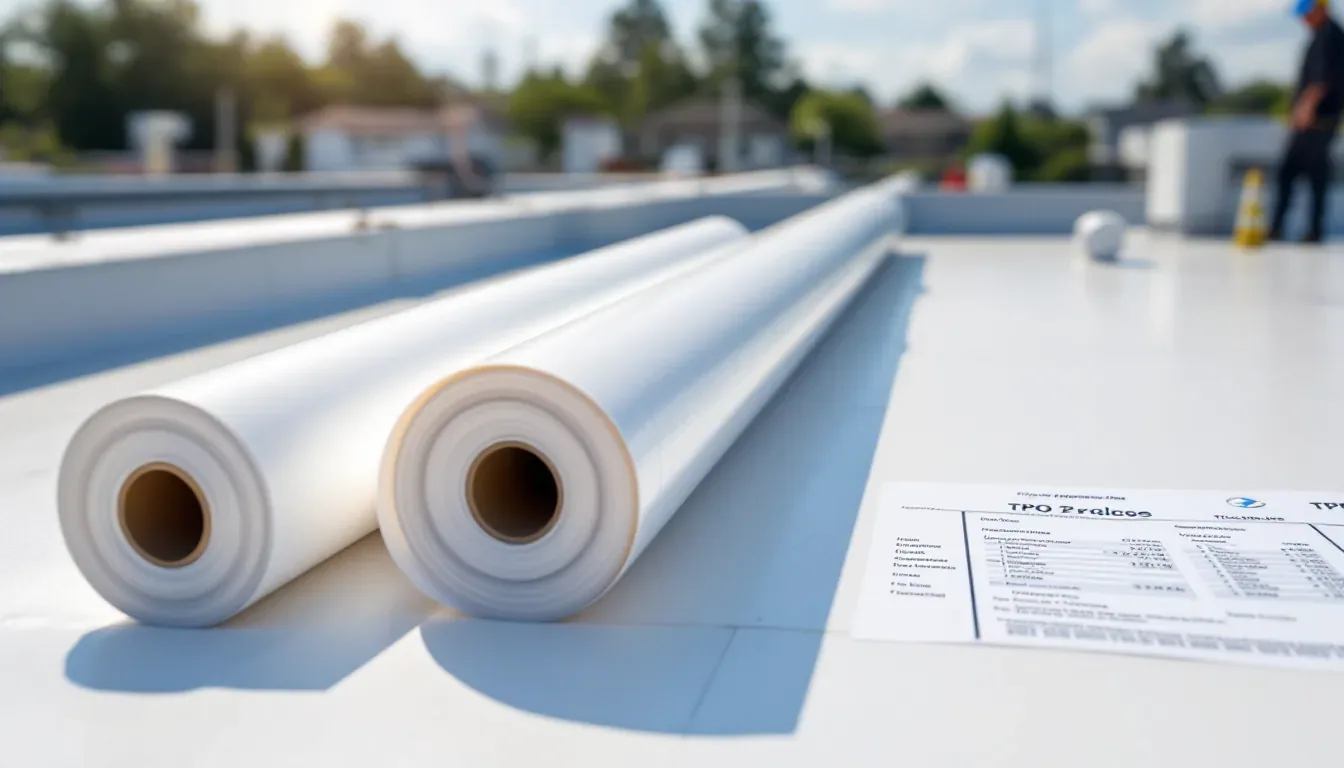
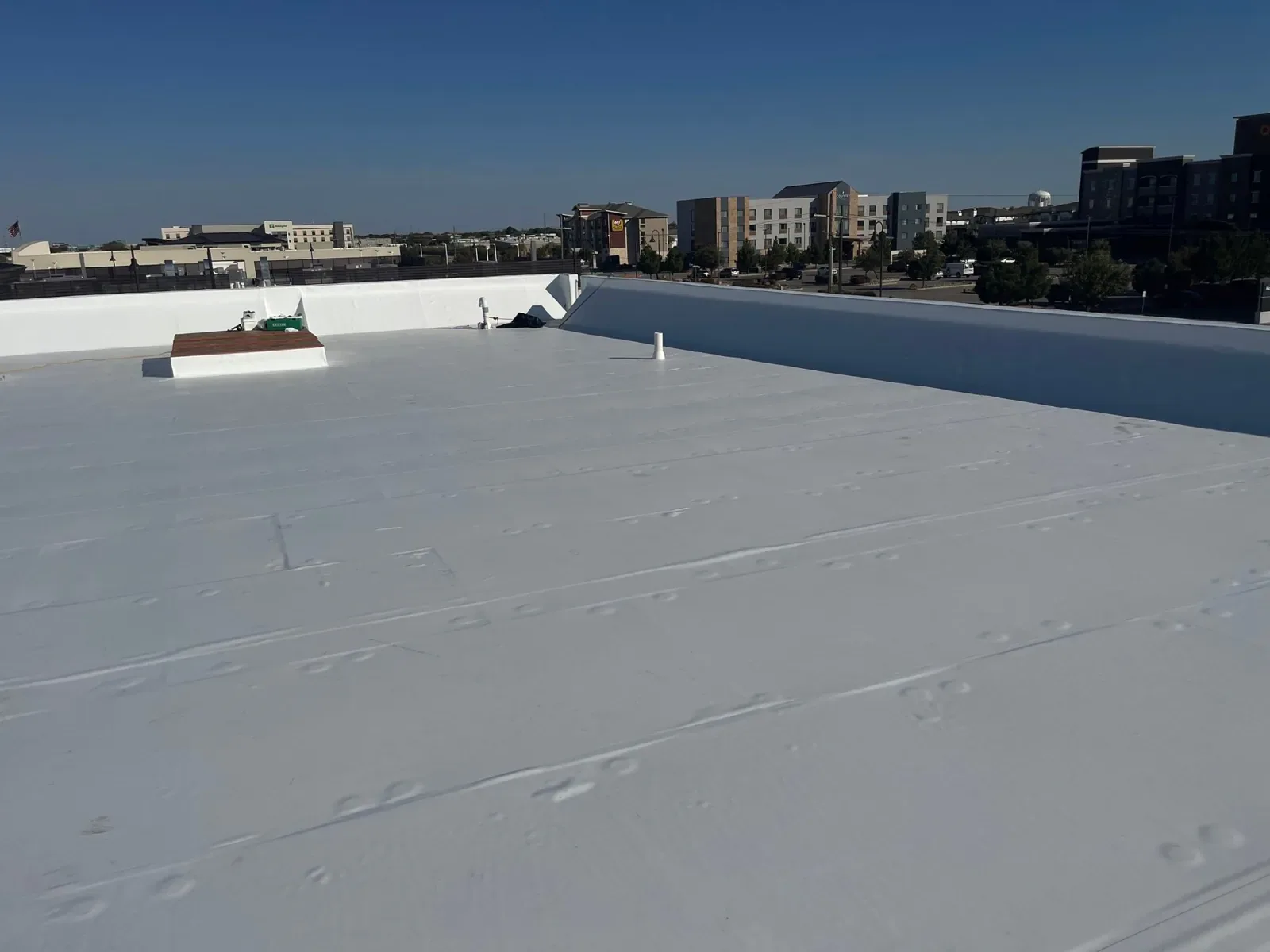
Sarnafil systems are associated with reinforced thermoplastic single-ply membranes, but a roof may include several generations of work. A coating, overlay, repair strip, or later addition can change what is exposed at the leak. We compare roof plans, product labels, seam appearance, flashing, and any safe-to-open edge before writing a material-specific scope. If the field evidence does not settle the membrane family, the proposal states the uncertainty and limits the work authorization to what can be confirmed.
That distinction matters at a tie-in. Thermoplastic seams are heat-welded, and the surface has to be clean and prepared for the weld; an accessory intended for another membrane family is not interchangeable. We also check whether the field sheet is mechanically attached, adhered, or held by a different assembly detail. A GAF membrane comparison or Carlisle system review can help an owner compare documented alternatives, while an existing PVC assembly should be evaluated on its own seams and details.
At a repair, we distinguish the visible membrane surface from the layers carrying it. A cut edge may expose insulation, cover board, or deck that changes how the repair should be prepared. We record the layer transitions and whether moisture extends beyond the seam line. If the surface is aged or has multiple patches, the work limit should stop at a clean, stable area instead of relying on a new patch to bridge uncertain material. That decision keeps the repair quantity measurable and the owner’s approval tied to an observable condition.
Which membrane is in the work area?
Start at the reported interior mark, then inspect the roof area above and the path water could follow. A seam split, puncture, flashing corner, curb, wall termination, or open edge can admit water; the ceiling stain alone does not identify which one. We trace the route, photograph the condition, and check adjacent details before setting a patch limit. If testing requires an opening, the owner approves its location and the allowance before insulation or cover board is removed.
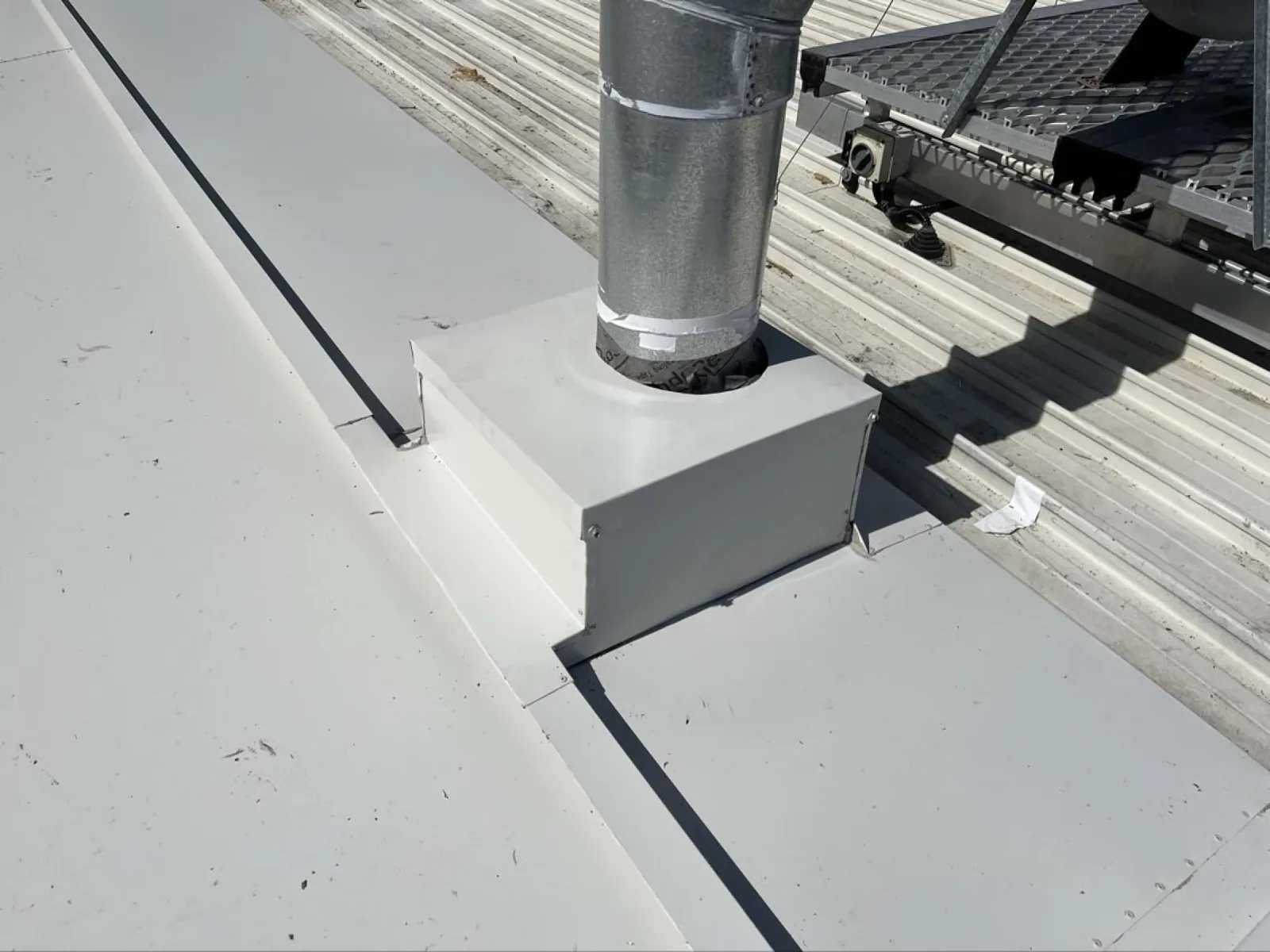
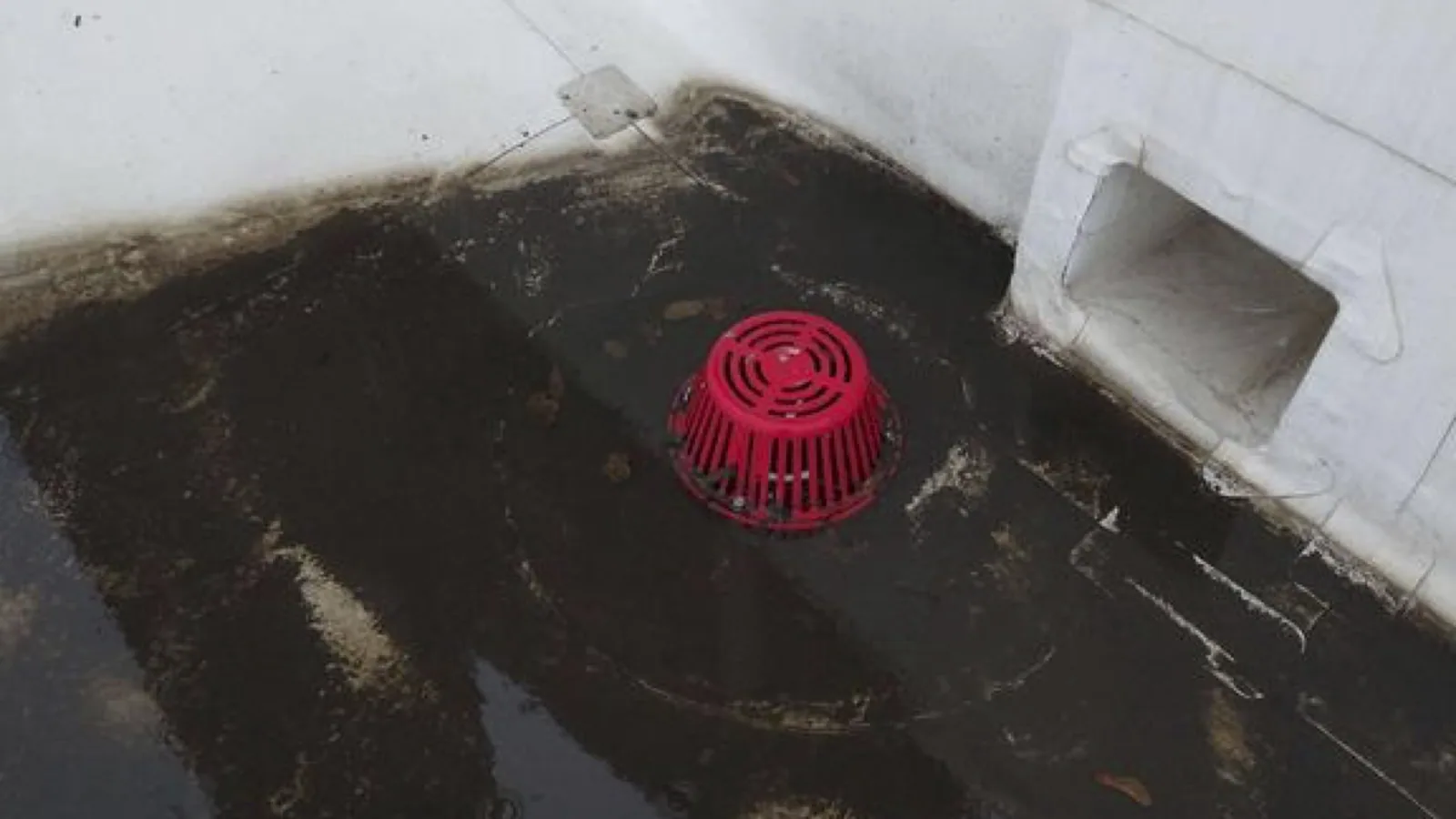
A repair boundary should end at material that can accept a sound connection. We record whether the surface is contaminated, weathered, wet, or covered by a prior patch because those conditions affect preparation. A penetration flashing inspection addresses curbs and pipe boots, and a cover-board review checks the layer below the membrane. When drain or scupper condition could be contributing, a separate drainage check keeps that work visible instead of hiding it inside a seam allowance.
Where can water cross a seam or transition?
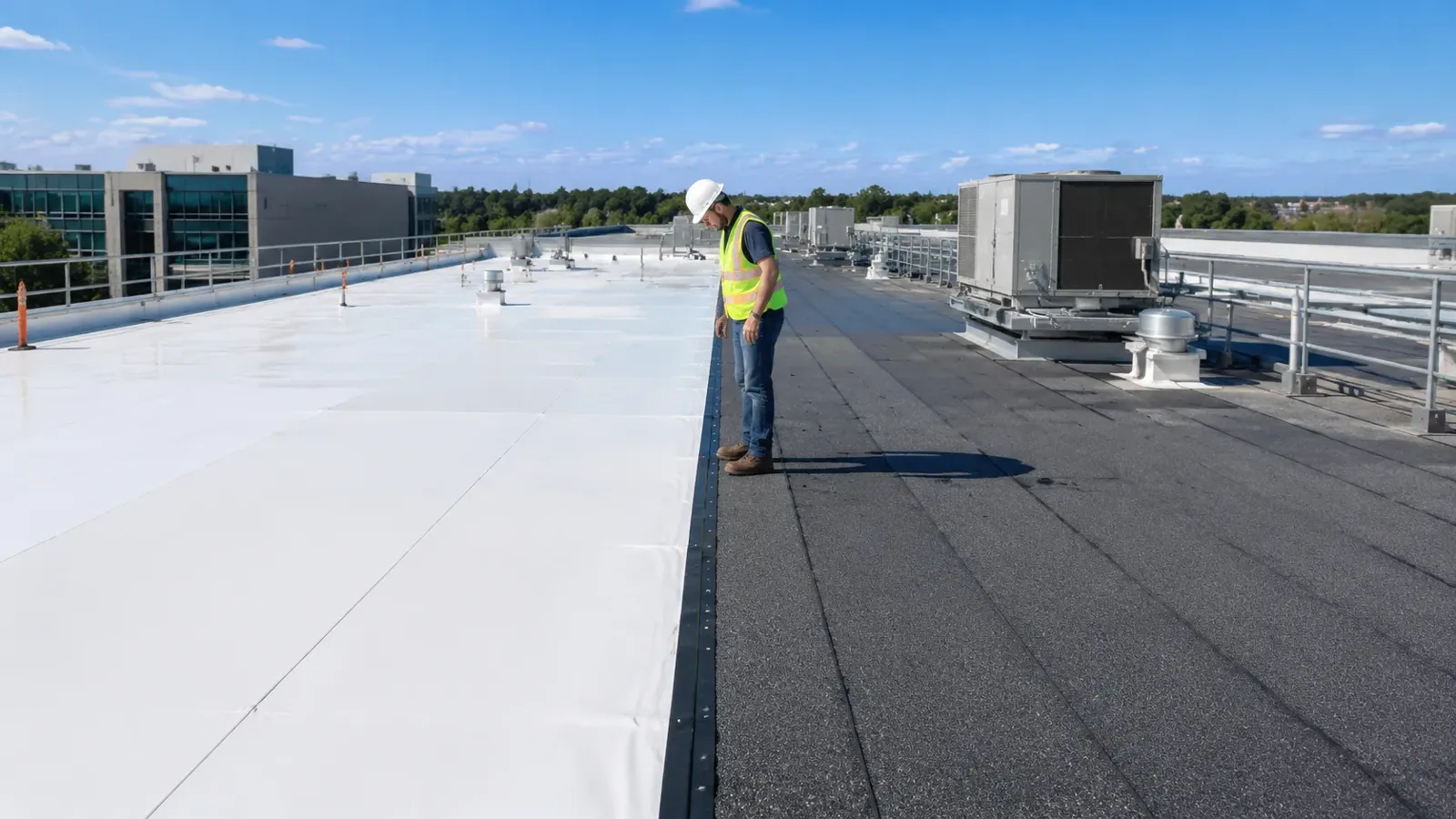
Heat and a changing forecast can shorten the time available for welding and detailing. Before work starts, verify the roof surface is suitable, confirm the selected system instructions, and stage enough material to finish a secure stopping point. A seam left partly prepared needs protection until the weld can be completed and checked.
Victoria's economic activity includes manufacturing, healthcare, education, freight, and government, while the Port of Victoria Industrial Park South combines barge, rail, and highway access. That variety makes site coordination part of the scope: delivery route, roof access, occupied spaces below, and the person who can approve a change. We confirm those facts at the property and keep the roof-zone record separate from broad local context.
How does the weather change the work window?
An isolated defect may support a defined repair when the nearby membrane, attachment, insulation, and transitions remain suitable. Multiple seam failures, recurring water entry, wet insulation, or widespread surface damage point toward a broader review. We mark confirmed quantities separately from concealed conditions, then state which test or opening would change the recommendation. That gives the owner a repair allowance with boundaries instead of a patch description that silently expands once work starts.
A repair should stop when the surrounding sheet no longer provides a clean, stable weld area. If several seams have separated or the same detail has been patched repeatedly, compare the confirmed repair area with the cost and disruption of broader replacement. We show the tested boundary, identify layers that remain uncertain, and ask for approval before extending removal.
When does a repair stop being the economical choice?
The record should identify roof section, observed membrane family, seam and flashing conditions, insulation findings, drain status, repair materials, photos, and any condition left outside the authorization. If a test opening shows wet material beyond the allowance, we stop at a secure boundary and return the added quantity for approval. Closeout distinguishes interim protection from permanent repair. It also records the weather hold or access delay that changed the schedule, so the owner can see what remains before the next visit.
Send the roof plan, prior repair records, leak location, access rules, and contact authorized to approve testing before dispatch. We compare those records with field conditions and return a scope that names the assembly, work area, exclusions, and next decision. When a proposed replacement is under review, submittal details should identify the membrane, insulation, attachment, flashing, and edge components as one assembly. That record lets facilities staff reconcile the work with later maintenance without assuming that every section has the same age or construction. A concise roof-zone key also helps staff match a reported leak to the correct repair record, especially when several tenants share the property.
For dispatch planning, distinguish the city's multiple operating environments. Lone Tree II Industrial Park serves manufacturing and assembly uses, whereas Port of Victoria Industrial Park South has barge, dual-rail, and highway connections. Confirm the real building entrance, escort needs, and roof-zone identifiers with the property contact. The Victoria service area provides the wider city context.
When assessing an older Sarnafil roof, review the available project documents alongside visible markings and seam construction. A membrane family may include different thicknesses, colors, reinforcements, and attachment methods; the product data and approved detail should match the proposed repair. Keep chemical exposure, grease, rooftop traffic, and incompatible contact materials in the inspection notes where relevant. If the system record is incomplete, confirm compatibility with the manufacturer before ordering materials rather than relying on visual resemblance.
What should the closeout leave behind?
Related Roofing Work
Frequently Asked Questions
What proves a roof is a Sarnafil system rather than another PVC assembly?
Product records, markings, seam construction, and exposed layers provide the strongest evidence. We compare those details in the work area and identify any uncertainty before selecting a repair method.
Can a split weld be repaired without removing the whole section?
A localized repair can fit when the surrounding sheet is sound, cleanable, and accessible for a proper tie-in. We inspect beyond the visible split and set the boundary at material that can accept the repair.
What happens if the membrane is wet underneath?
We mark the affected roof zone and keep the approved opening secure. Any added removal or insulation replacement is priced and authorized as a separate scope before the work area expands.
How do rainy-season storms affect scheduling in Victoria?
A storm window can shorten the safe removal period. The daily scope needs a dry-in limit, clear weather-hold authority, and a return plan if rain or lightning stops work.
What should be compared in a replacement proposal?
Compare the same roof sections, removal assumptions, insulation quantities, attachment, flashing, drainage work, access, and protection requirements. We list each separately so the next approval has a usable scope split.
Send the roof plan, leak location, prior system records, access rules, and the person authorized to approve testing. We will inspect the assembly, identify the confirmed repair area, and return a clear scope with the next decision.
Call 555-555-5555 or email [email protected].