
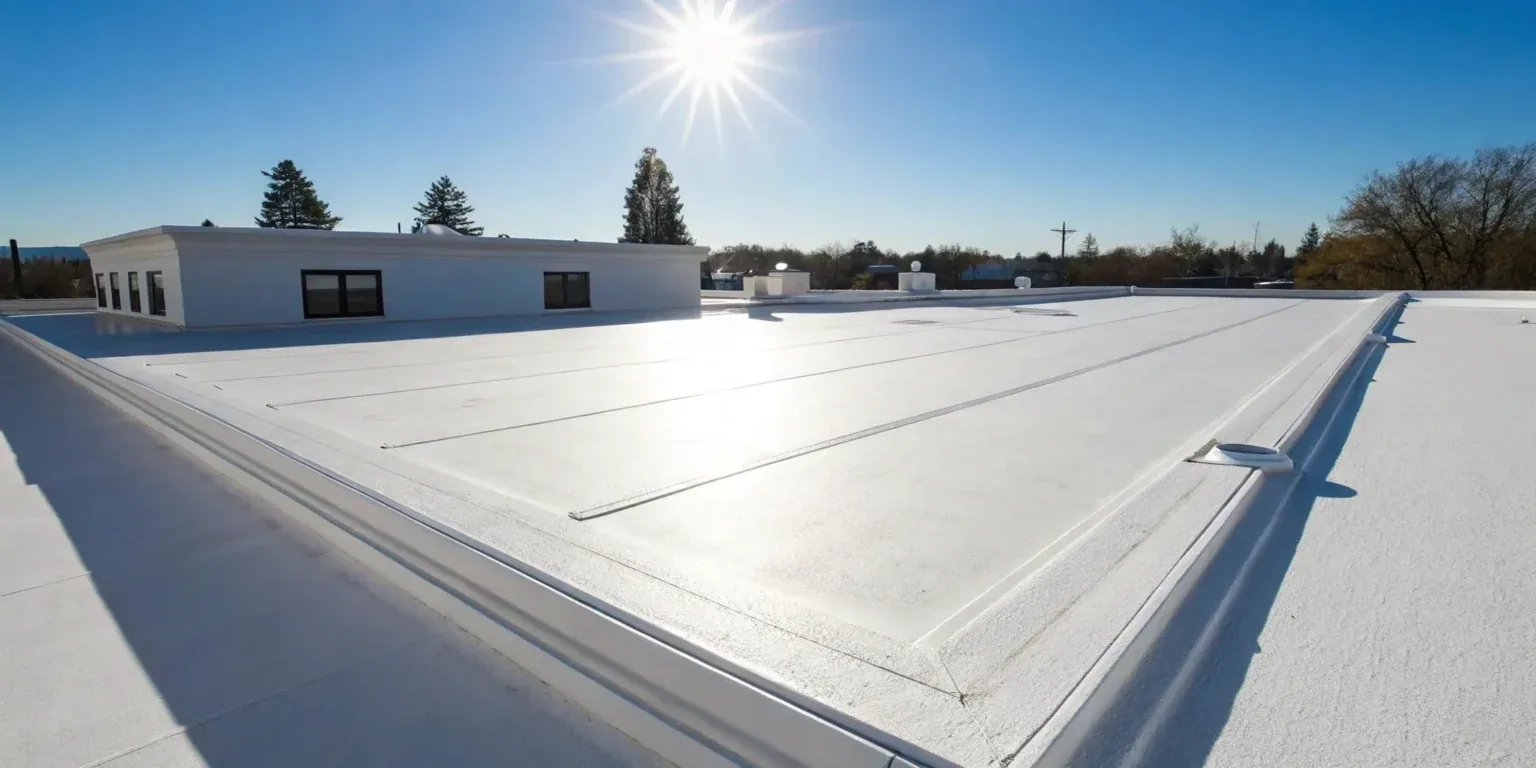
Versico Commercial Roofing in Victoria, TX
Roofing Manufacturers · Victoria, TX
Versico roof repair and replacement in Victoria, TX begins with system identification, seam and flashing checks, drainage review, and a defined work limit.
Next step
Request a Roof Assessment
Call
555-555-5555
Before seam work, confirm the membrane type and the preparation specified for that assembly. Keep the area clean and dry, then document the seam condition and repair materials before the new tie-in is covered.
Versico Commercial Roofing
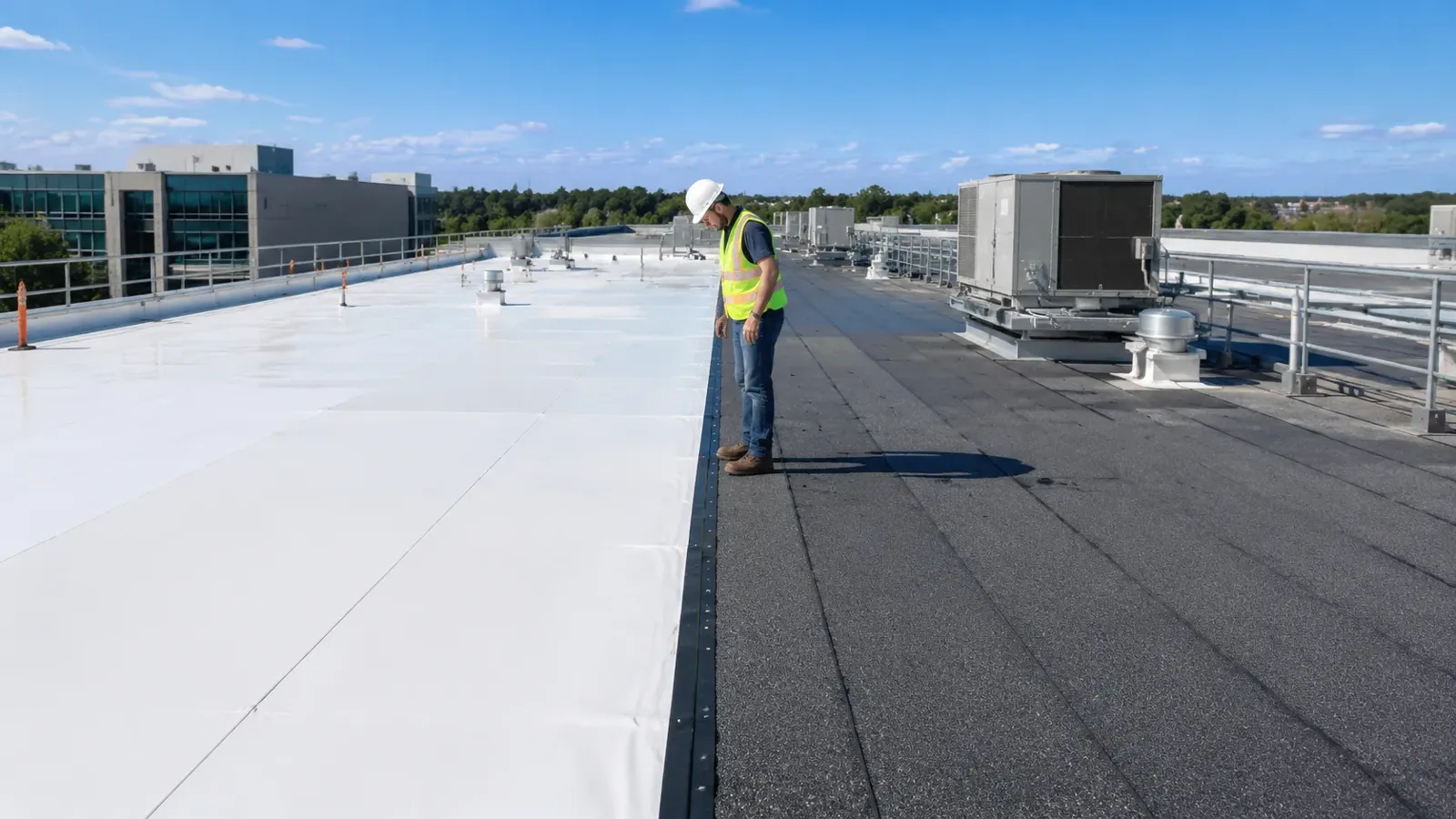
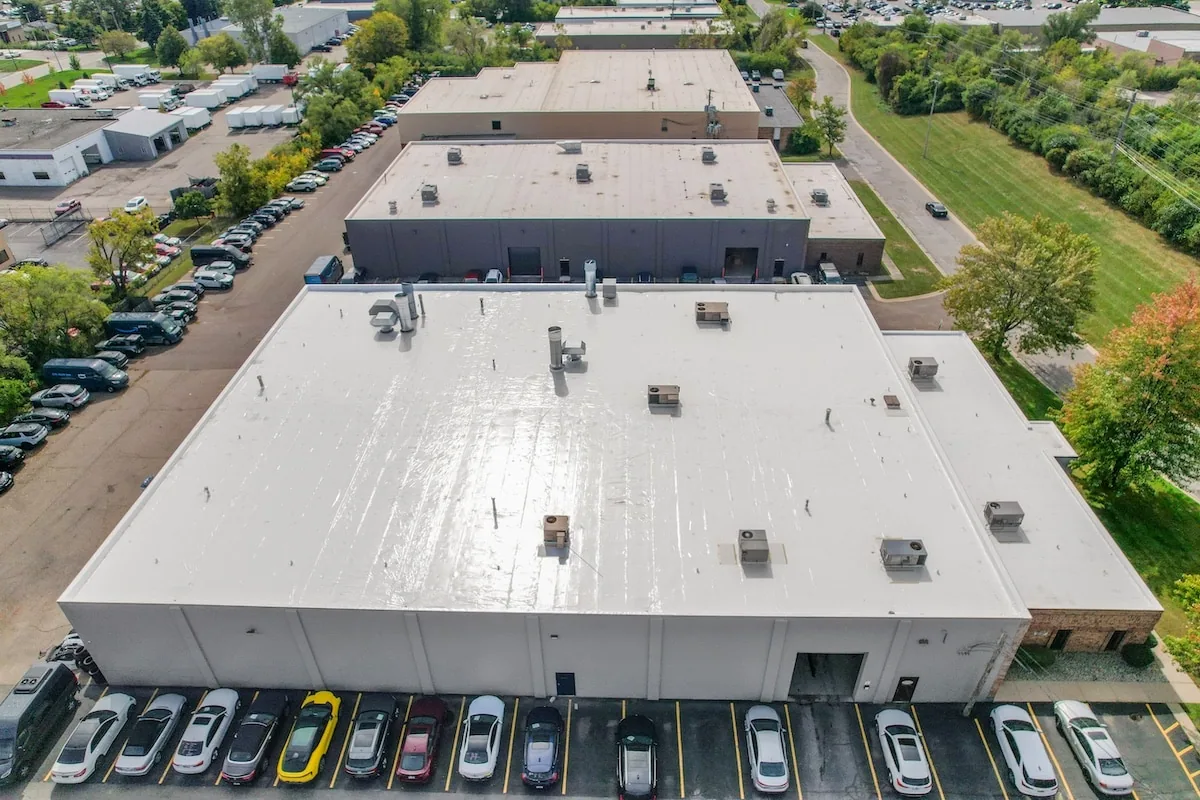
Versico supplies commercial roofing systems that include single-ply membranes, but an older building may carry a mixed history of repairs, additions, or replacement sections. We compare the available submittal, roof plan, membrane surface, seam detail, and exposed edge at the reported area. If records point to one system and the roof shows another, the inspection records that difference before material is ordered. We inspect each wing or tenant area for its own attachment and insulation conditions.
Material selection follows the installed sheet. TPO and PVC seams are heat-welded with compatible preparation, while EPDM repairs call for their own compatible materials and details. A prior coating or patch can obscure the field membrane, so we check its bond and termination before tying new material into it. An owner reviewing alternatives can compare a Carlisle membrane system or Johns Manville assembly against the existing conditions; a TPO seam review stays focused on the actual sheet and weld.
What does the roof actually have installed?
We trace the water path from the interior report to the roof details above it. A wet ceiling can sit below a seam, drain bowl, curb, parapet, wall transition, or puncture, and water may travel before it becomes visible. Photos and roof-zone marks show the suspected entry and the nearby conditions checked. If an exploratory cut is needed, we identify its size and location, set a temporary closure method, and get approval before removing insulation or cover board beyond the agreed allowance.
The permanent repair must terminate at material that can hold a sound connection. We inspect beyond the first visible split for loose sheet, contaminated surface, wet substrate, and nearby flashing failure. The insulation and cover-board review documents whether lower layers remain in the scope, while drain and scupper condition is recorded separately from the membrane repair. For curbs and pipes, the penetration-detail inspection keeps those transitions from disappearing inside a field-seam allowance.
How do you keep a small opening from becoming a large scope?
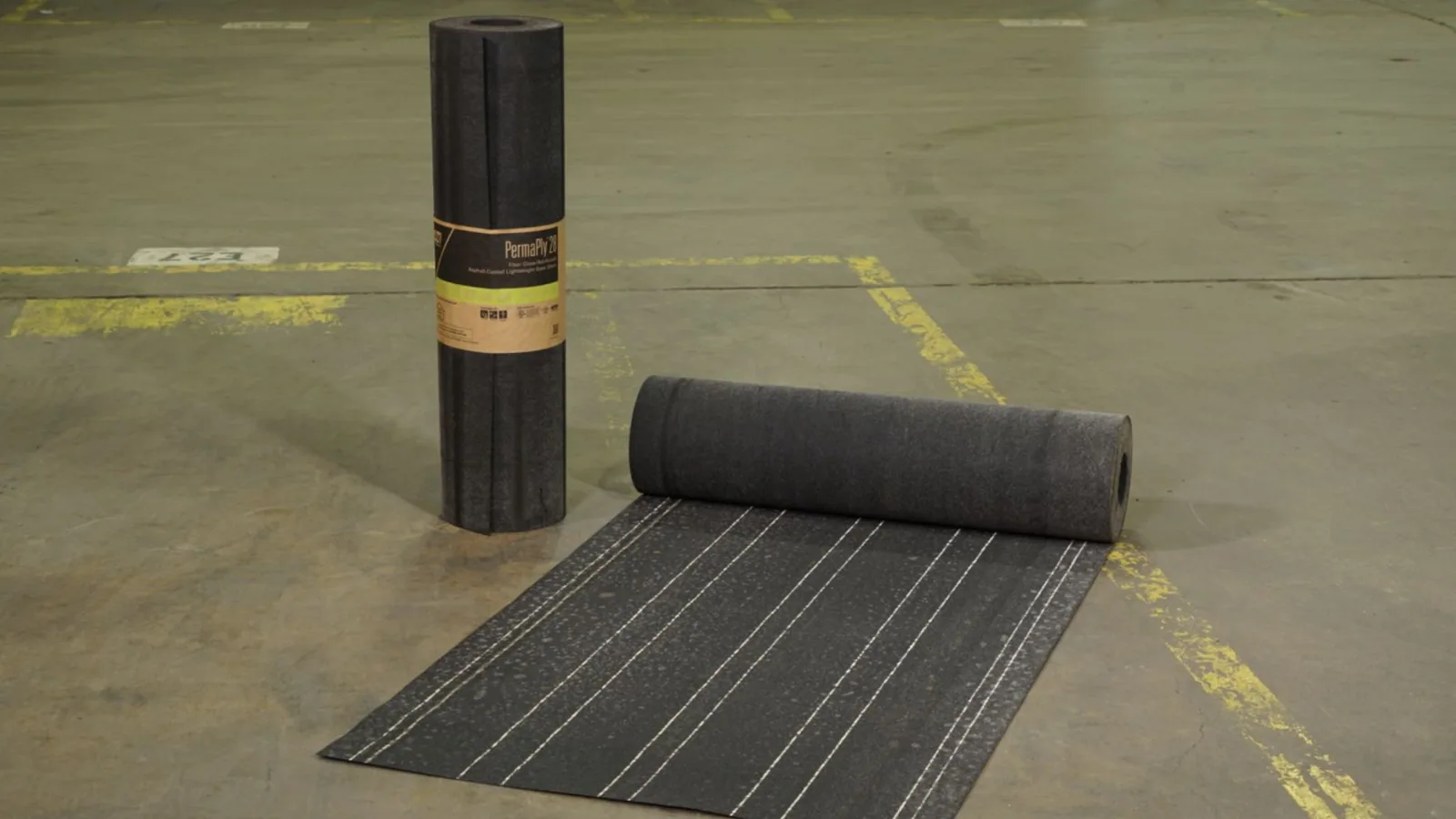
When a repair crosses an older patch or a change in membrane, identify both materials and verify compatibility before application. If the assembly cannot be confirmed from records and field review, preserve that uncertainty in the scope and request the needed product information.
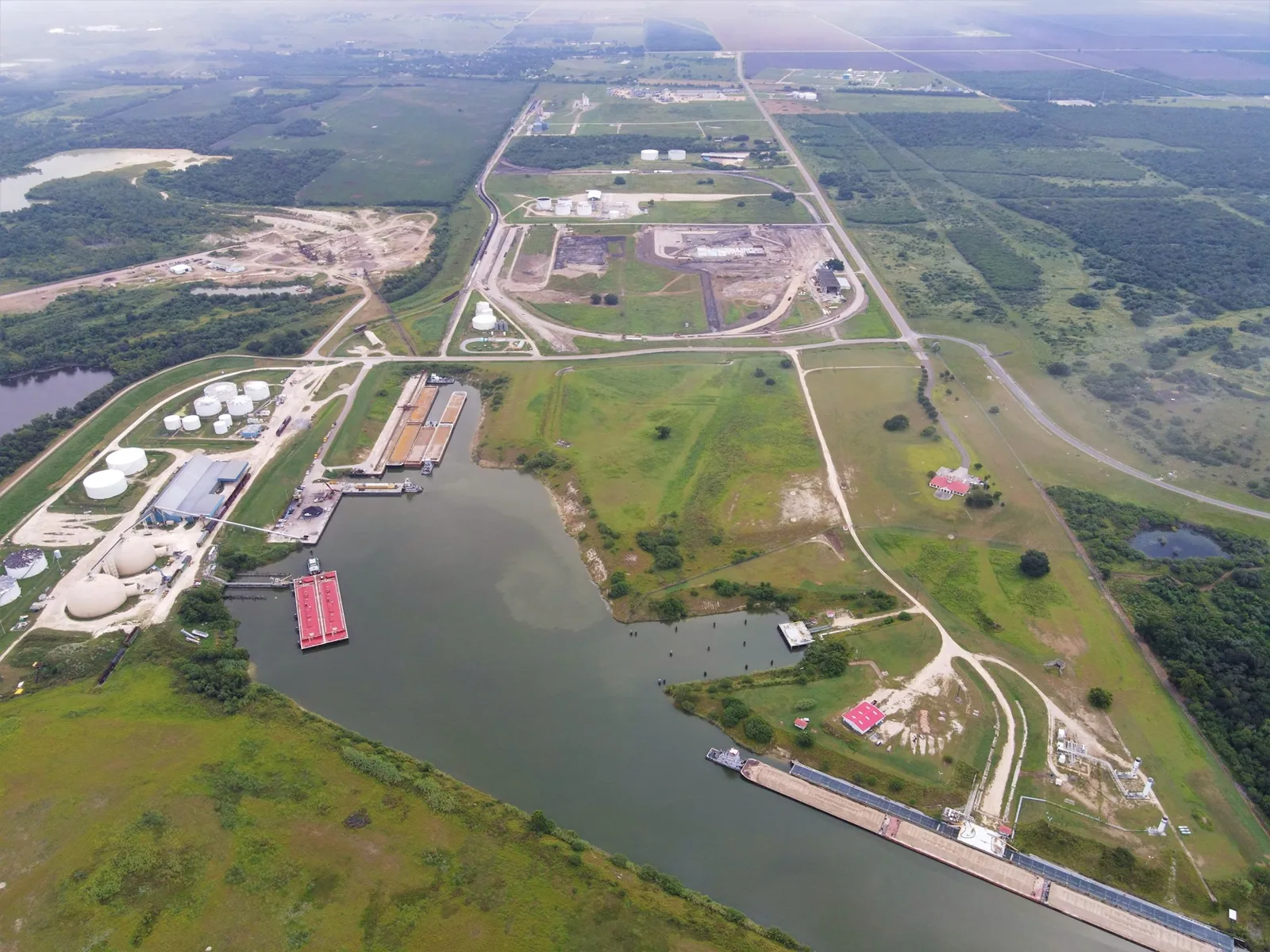
Victoria's commercial setting includes citywide corridors, educational and healthcare facilities, manufacturing operations, and port-connected industrial property. The Port of Victoria Industrial Park South supports barge, rail, and highway activity; a project there may require different delivery planning from an office or school. The owner or facilities contact confirms the actual rules. Our scope identifies the building, roof section, staging plan, and protection needed for the space below. When the crew reaches the repair area, verify that the surface is clean, dry, and compatible with the specified primer or cleaner. A seam probe can identify a loose edge, but it does not reveal hidden moisture or confirm the insulation condition. Mark each test location and record the limits of any scan or opening. If a detail crosses a change in roof plane, curb, or edge, include the full transition in the repair sketch. Keep foot traffic and tools off completed seams until the system’s stated cure or cool-down period allows inspection. This closeout sequence gives the owner evidence about the work performed without turning a targeted repair into a claim about every roof section.
How should Victoria storm exposure shape staging?
A repair can make sense when damage is contained, the attachment remains sound, the insulation is dry, and the surrounding sheet can accept a tie-in. Repeated leaks, wet materials in several areas, loose attachment, or failing perimeter details can change the cost decision. We show the confirmed repair quantity, the uncertain area, and what additional test would resolve it. A quote that combines those items into one allowance does not tell the owner which condition drives the next approval.
At closeout, record the repaired seam, nearby flashing, and any area that could not be inspected. A clear photo set and material note give the next maintenance visit a reliable reference without implying that concealed conditions were tested.
When should the owner compare repair and replacement?
Closeout records the membrane and accessory materials used, the roof zones repaired, seam and flashing details, attachment observations, drains checked, photographs, and any remaining condition. If concealed damage extends past the approved quantity, we protect the opening and submit the changed scope before proceeding. The record distinguishes interim dry-in from the permanent repair and identifies the work that remains outside the authorization. That distinction gives facilities staff a useful reference when the next leak report comes in.
Before the visit, send the roof plan, previous repair records, leak location, access instructions, and contact authorized to approve testing. We return the conditions found, the work completed, exclusions, and next decision in writing. A roof map should identify section boundaries and avoid using tenant or resident names where a zone label will do. That keeps roof maintenance records clear while limiting personal information in plans shared with contractors. For properties with multiple uses, the report also notes the tenant area below the work so future access can be coordinated.
At closeout, record the repaired seam, nearby flashing, and any area that could not be inspected. A clear photo set and material note give the next maintenance visit a reliable reference without implying that concealed conditions were tested.
Local logistics vary: Port of Victoria Industrial Park South handles bulk cargo with barge and rail access, while Lone Tree II Industrial Park is designated for manufacturing and assembly. A contractor should confirm which route and access procedures apply to the actual building. For a Victoria-area roof inspection, identify the property, affected building, roof section, and access contact before arranging the visit.
Attachment choice also affects what an owner should compare. A mechanically fastened assembly, adhered system, fleece-backed option, or induction-welded design has different details and inspection points. The repair file should state which arrangement was observed and what documents support it. Do not substitute an attachment method simply because it is available on another project. If the existing roof includes several phases, identify the system by section and isolate any unresolved area until its assembly is confirmed.
What should the work record clarify?
Related Roofing Work
Frequently Asked Questions
How can you confirm which Versico membrane is on the building?
We compare roof records, visible markings, seam construction, and exposed layers in the area being repaired. The report names what is supported by field evidence and flags any unresolved section.
Can a Versico seam be repaired locally?
A local repair may be appropriate when the surrounding sheet and attachment remain suitable and a compatible tie-in can be prepared. We inspect the full affected run before setting that limit.
Will a coating solve an active seam leak?
A coating does not replace a failed seam or wet insulation. We trace the entry point and determine whether a compatible repair, drying, or broader renewal is needed before considering a coating scope.
What changes the price after an exploratory opening?
The quantity of wet insulation, condition of the deck, added flashing work, and distance to sound membrane can change labor and material. We stop at the approved limit and price added work separately.
How are weather delays handled during a roof repair?
The work authorization identifies a secure stopping point and a contact who can approve a return. We protect each opened area before leaving and document what remains if rain or lightning interrupts the shift.
Share the roof plan, prior product records, leak location, access limits, and authorized contact. We will inspect the membrane and lower layers, define the work boundary, and return the repair or renewal scope for approval.
Call 555-555-5555 or email [email protected].