
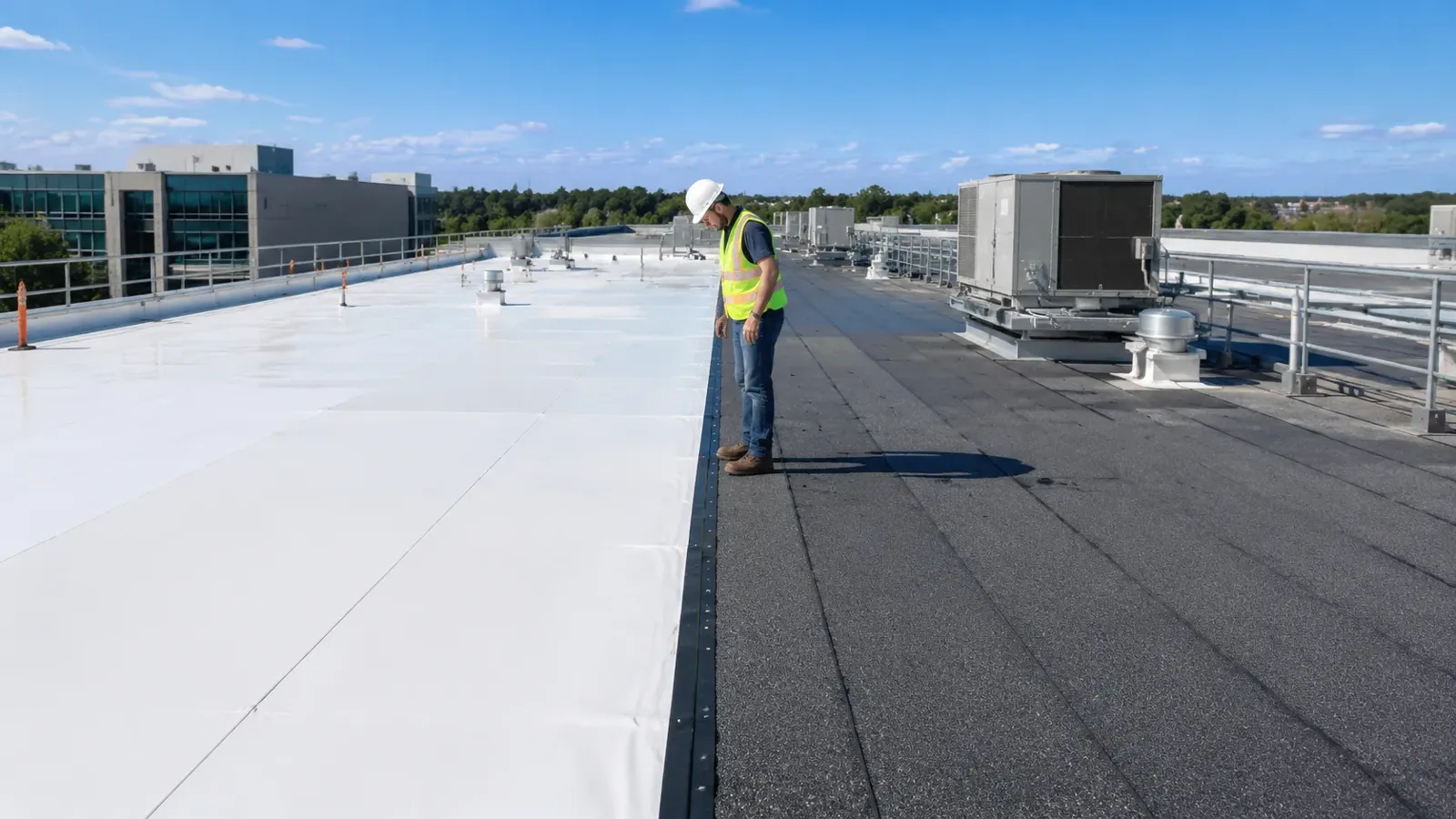
Soprema Commercial Roofing in Victoria, TX
Roofing Manufacturers · Victoria, TX
Soprema roof work in Victoria, TX starts with identifying the installed membrane or bitumen system and separating repair, coating, and replacement scope.
Next step
Request a Roof Assessment
Call
555-555-5555
Victoria's weather history supports planning for heat and storm interruptions; it does not prove a specific roof was damaged. SOPREMA material procedures may depend on substrate, ambient conditions, and application method. Verify those conditions on the job, protect open areas, and defer a coating or membrane step when the manufacturer's published limits are not met.
Soprema Commercial Roofing
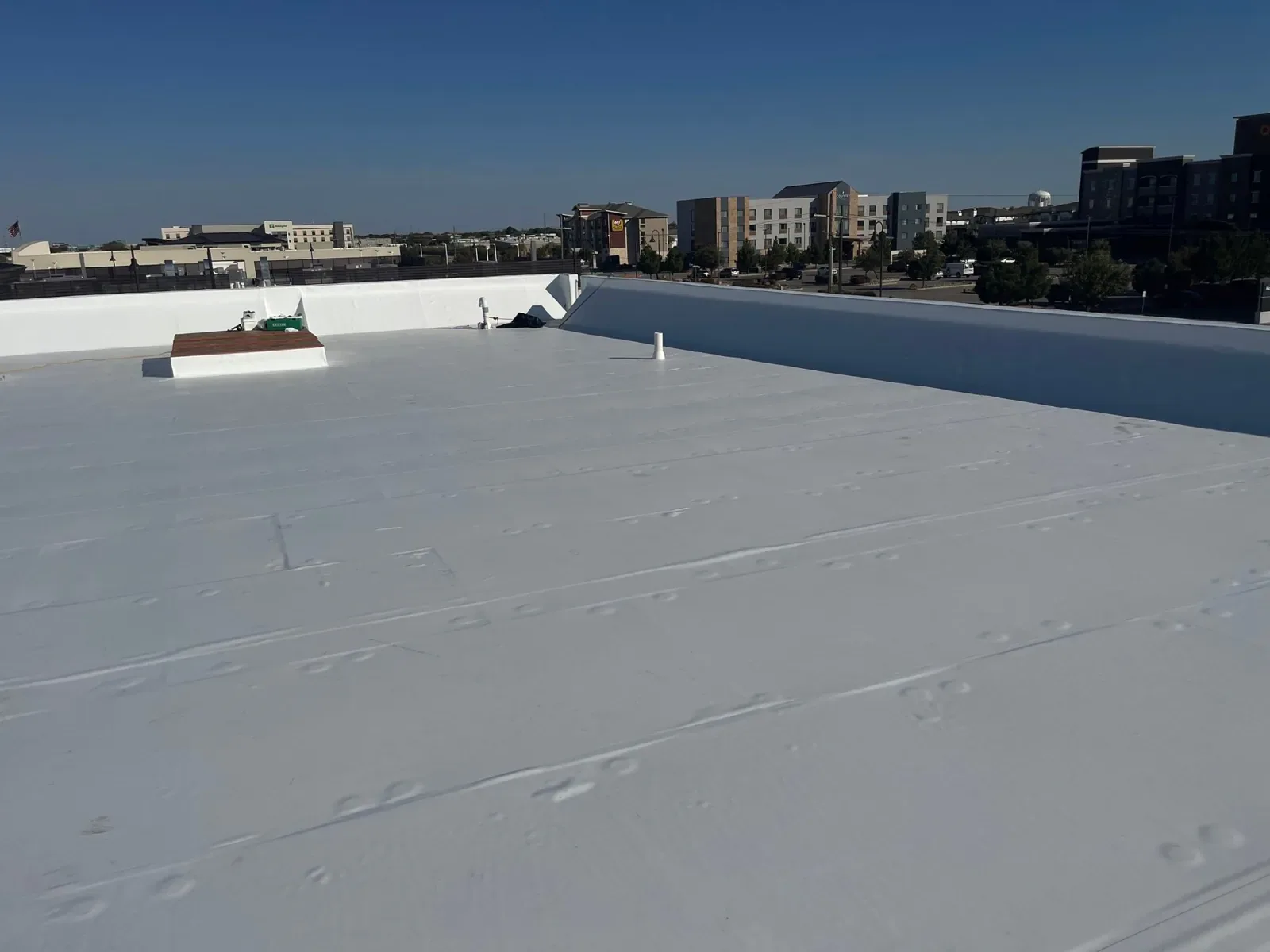
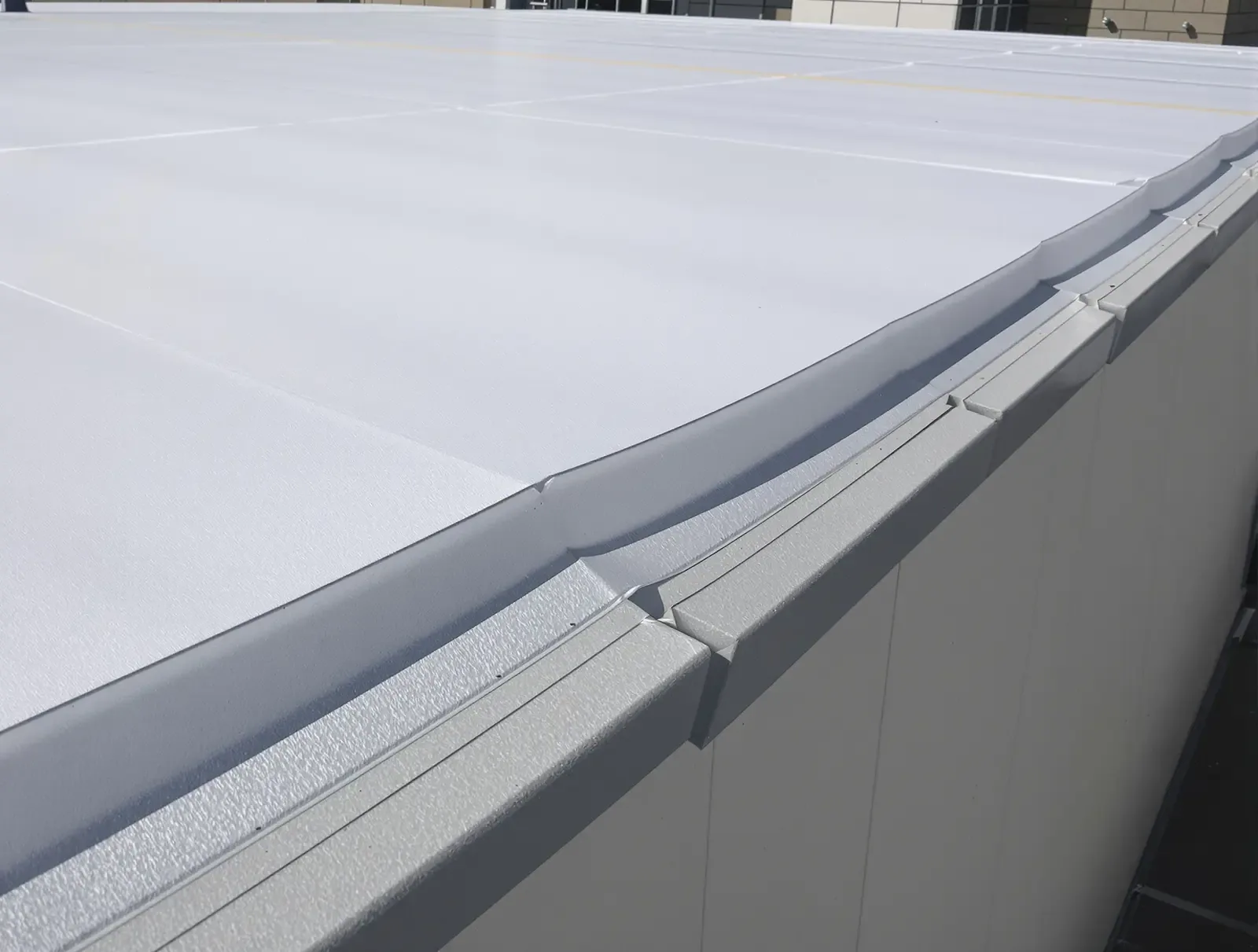
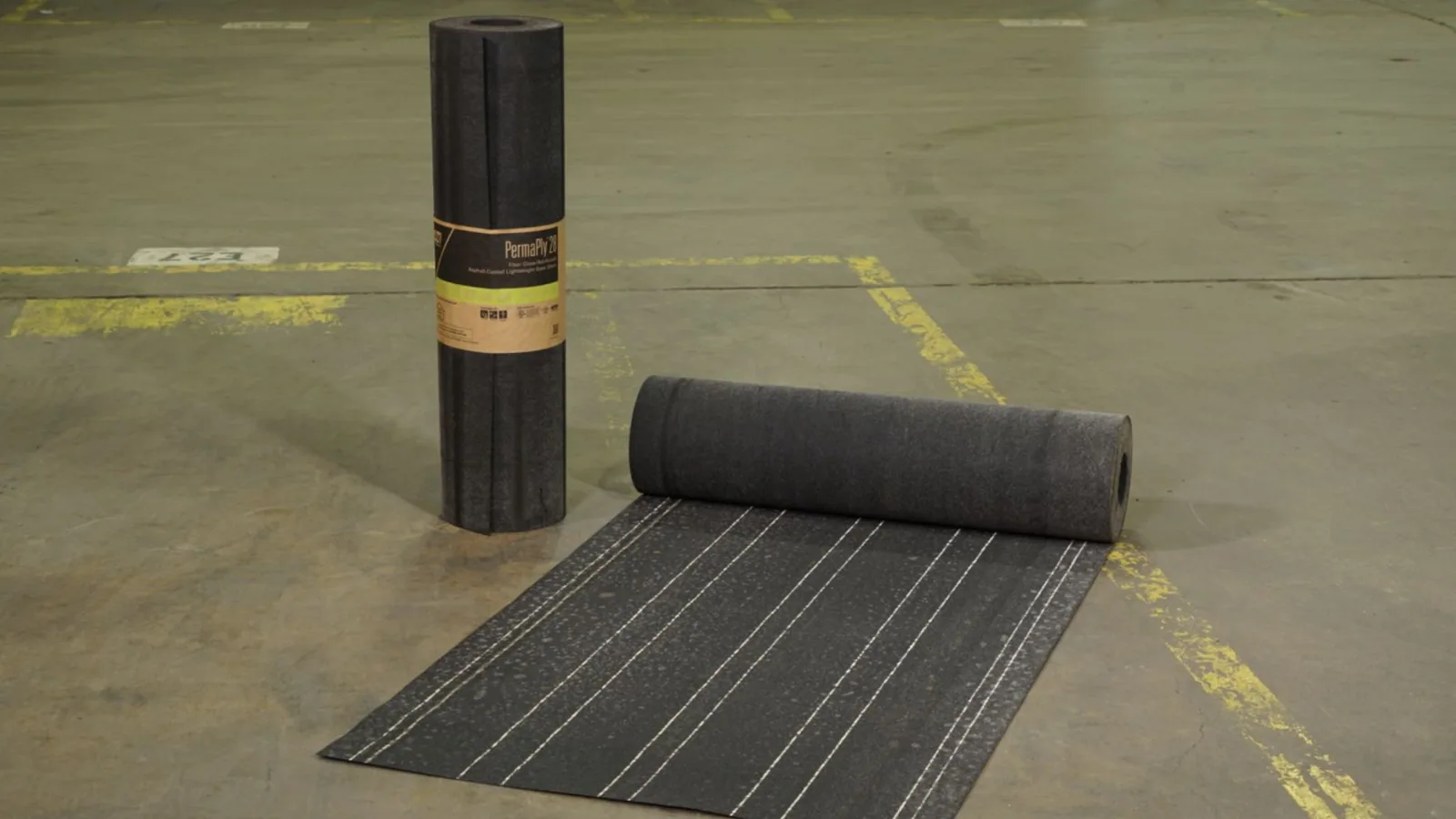
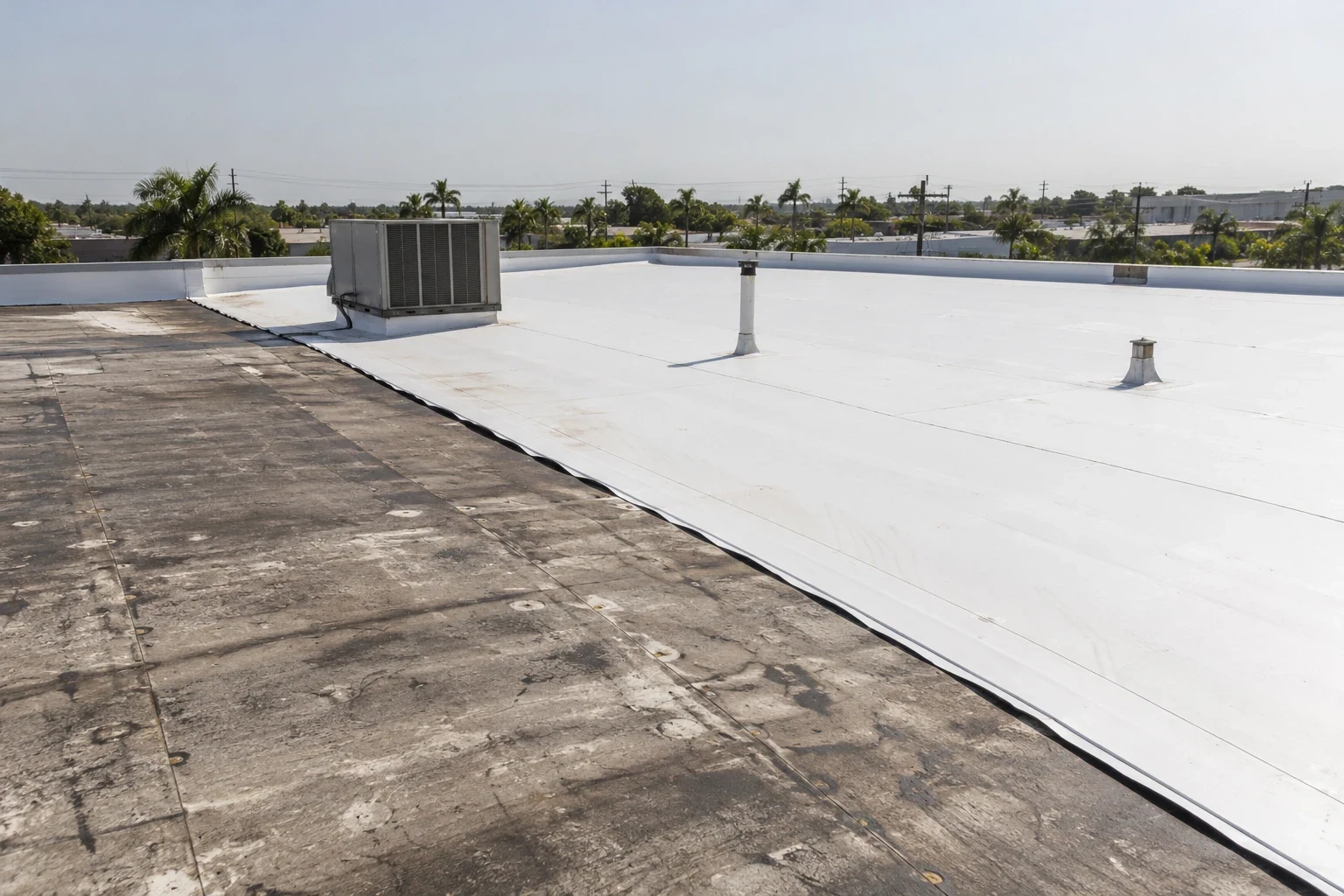
Soprema's commercial portfolio includes membrane and liquid-applied roofing products, but the field assembly determines the repair method. We compare product records with seam type, surface texture, flashing, attachment, and any exposed layer at the work area. A roof may have been repaired with materials from a later project, or one section may differ from the next. If the documents and field conditions conflict, we identify what is confirmed and price testing separately from the permanent repair.
Modified bitumen assemblies may use torch-applied, cold-applied, or self-adhered plies depending on the installed product and project. A liquid-applied flashing detail has different substrate and reinforcement requirements from a sheet membrane. We do not select an accessory by brand resemblance; compatibility and preparation have to match the existing layer. An owner can compare a Johns Manville roof system or a Carlisle membrane scope when evaluating alternatives, while modified-bitumen construction needs its own review of plies, laps, and termination.
Which Soprema system needs attention?
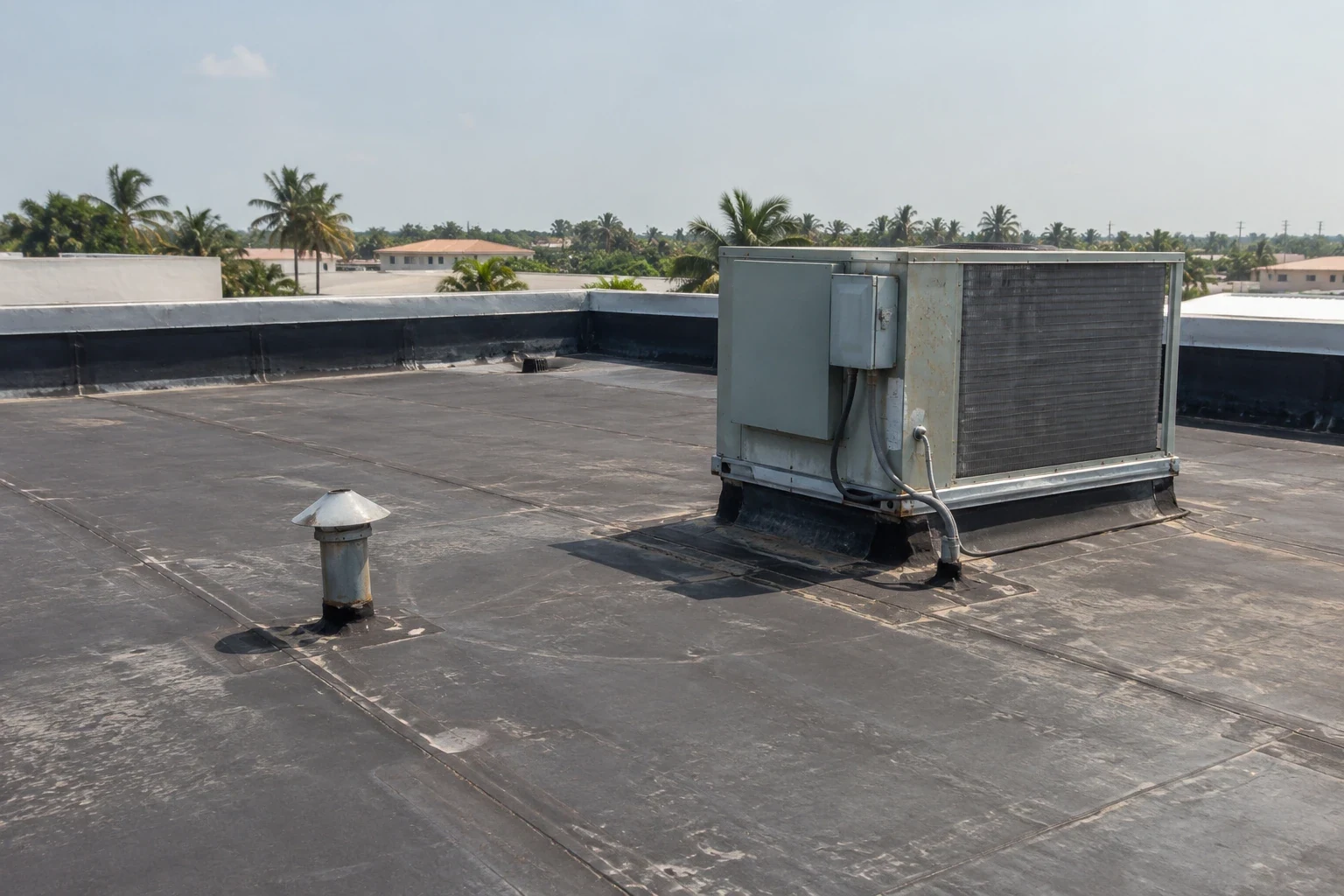
Start with the interior location, but do not assume the roof opening is directly above it. Water can move along a deck, insulation interface, or curb before reaching a ceiling. We inspect field seams, laps, drains, parapet edges, rooftop equipment, and wall transitions around the reported zone. Photos mark the likely entry, adjacent conditions, and any area that needs an exploratory opening. Before opening the roof, we set the size, temporary closure, and allowance with the person authorized to approve additional work.
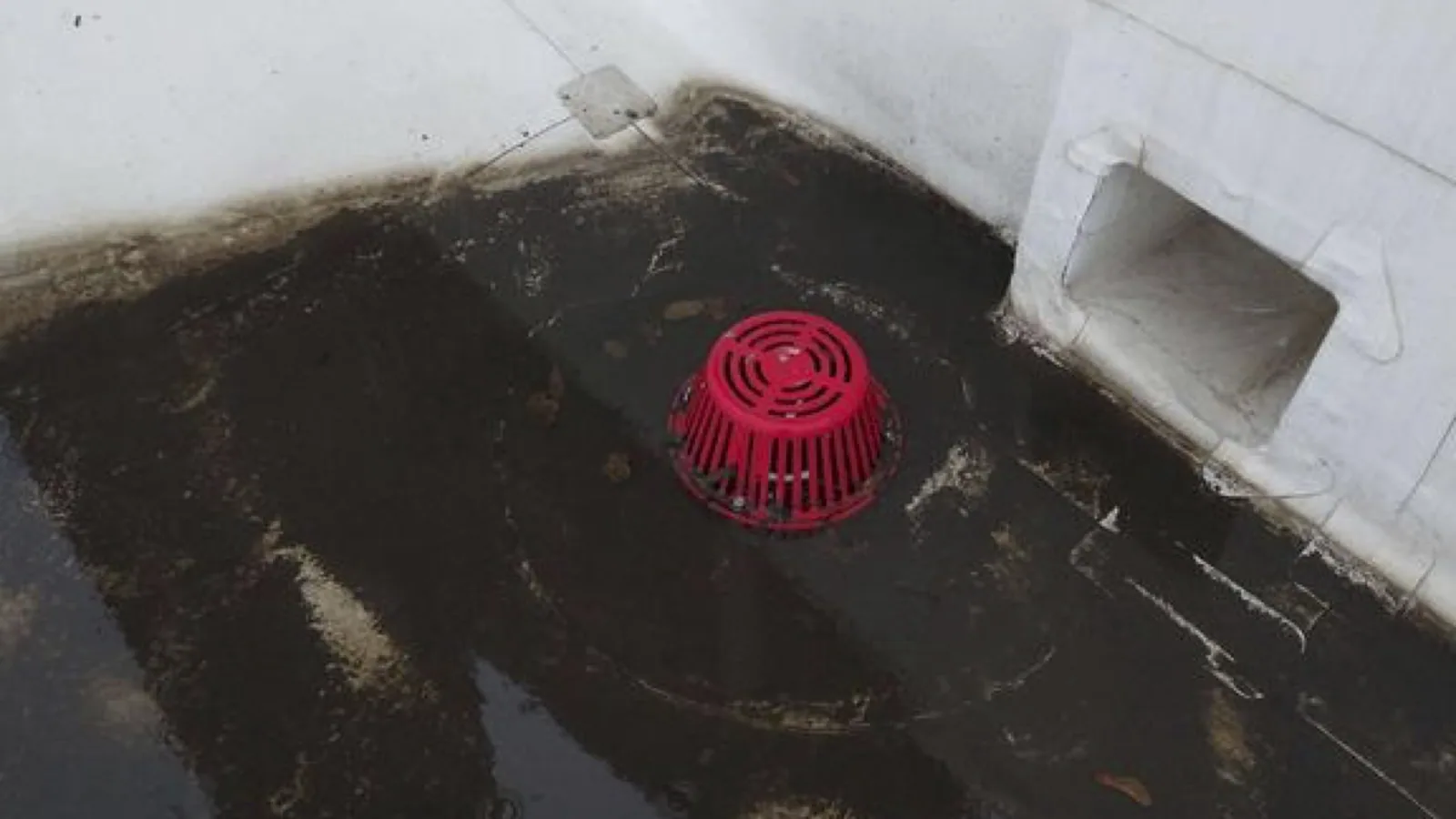
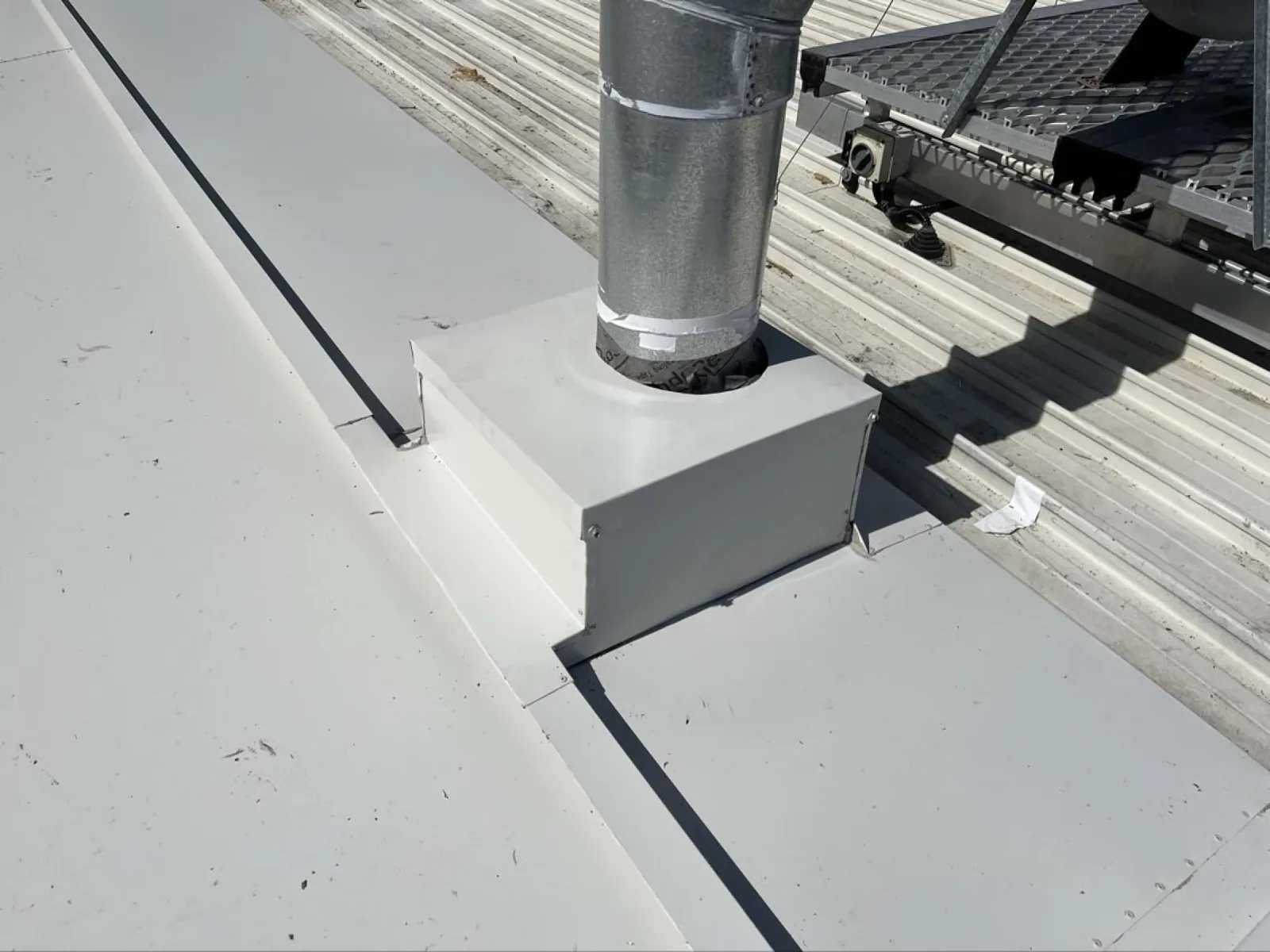
The repair limit has to reach sound material and a detail that can be closed securely. If a test finds wet insulation or deteriorated cover board beyond the allowance, the added quantity is not silently folded into a patch. A drain and overflow inspection can establish whether outlets are clear, and curb and penetration work treats transitions separately from the field membrane. Where lower layers need review, we document what stays and what must be replaced. The inspection notes the location, depth, and boundary of any wet material so the added quantity can be priced and approved before removal.
Where does the moisture cross the assembly?
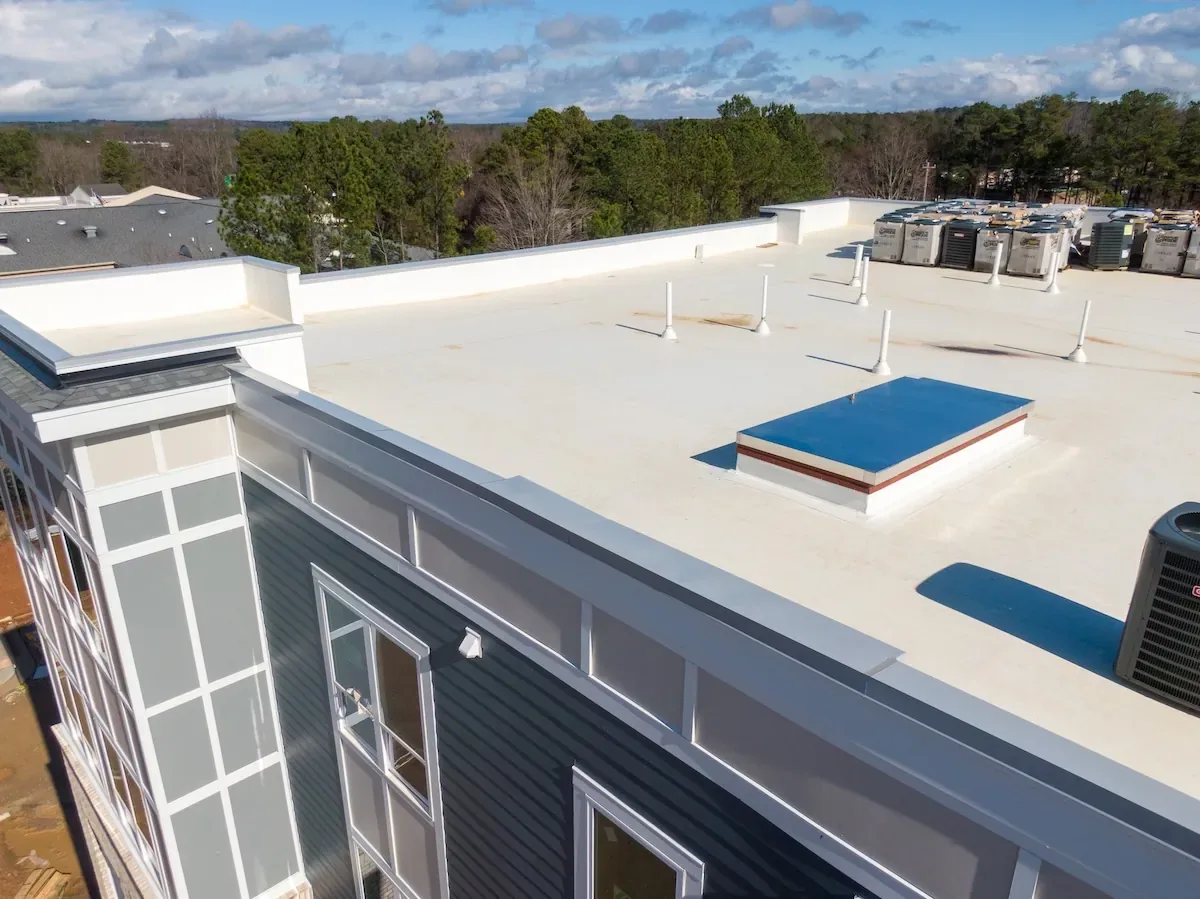
A coating may be part of a restoration when the substrate is suitable, the existing membrane is bonded, and the details can be prepared as specified. It cannot dry concealed insulation, rebuild a failed deck, or make an open seam sound by hiding it. We identify repairs required before coating, test or preparation that changes the price, and the limits of any area that cannot be confirmed. The scope keeps seam, flashing, drainage, and field restoration quantities visible.
Victoria's land-use plan identifies multiple commercial corridors, and regional employment includes manufacturing, healthcare, education, freight, and public organizations. Port-connected sites may require freight coordination, while occupied offices and institutional buildings have different access needs. We confirm the site's actual rules and use a roof-zone plan to distinguish the repair area from the surrounding facility. This local context informs logistics; it does not substitute for identifying the installed SOPREMA-compatible assembly.
Can liquid-applied work solve this condition?
A local repair may be appropriate when damage stays within a defined area and the surrounding assembly remains dry, attached, and capable of taking a compatible tie-in. Widespread water entry, multiple failed laps, recurring repairs, wet insulation, or compromised edge conditions can shift the decision. We document the evidence and identify what remains concealed. That gives the owner a choice between a bounded repair and additional investigation without implying that a small visible defect describes the whole roof.
A recover or replacement plan needs review of existing layers, moisture, attachment, deck, drainage, and roof height at edges and penetrations. The recover feasibility review records whether the current assembly can remain; a replacement scope can separate removal, insulation, membrane, edge metal, and drain adjustments. Cost changes with access, occupied hours, haul route, weather hold, and the amount of substrate that must be opened. We set those assumptions before work authorization so a concealed condition has a defined path to the next approval.
What changes the repair-versus-replacement call?
Closeout should identify the roof zone, system family, product installed, preparation and repair limits, seam or flashing work, drainage observations, photos, and any condition left outside the scope. The owner should be able to distinguish temporary protection from permanent repair and see what remains exposed to weather. When material is concealed, photographs taken beforehand can show the substrate and the quantity authorized. If the scope changed, the record identifies who approved the change and which roof section it affected. The closeout record separates authorized work from open questions and gives the next inspection a clear reference. This is useful when the property has several roof sections or a layered older assembly.
The closeout record distinguishes a product identified in project submittals from a system inferred only by appearance. Keep the product information with zone photographs, lap and flashing details, preparation, and any tests. If records do not identify the installed membrane or liquid-applied material, state that limitation until documentation or sampling resolves it. The next repair can then use evidence from the correct roof section rather than inherit an assumption.
When a property has multiple roof systems, index photographs and repair details by section rather than by the overall building name. Mark where an addition meets a different field, where a coating stops, and which transitions were included. Maintenance staff can compare the same seam or curb on a return visit, while an estimate separates SOPREMA-compatible work from another assembly. That distinction keeps the repair quantity tied to what was actually inspected.
Planning a Victoria roof visit begins with the property's access and use. The Lone Tree II Industrial Park supports manufacturing and assembly, while the Port of Victoria Industrial Park South links freight to barge, road, and rail. These are useful examples of regional variation, not a single-property service target. A request within Victoria receives a property-specific roof inspection, access plan, and work boundary.
A repair decision also depends on which SOPREMA product family is actually present. Modified-bitumen plies, single-ply sheets, and liquid-applied details have different substrates, laps, preparation, and application limits. Record the product label or project submittal where available and inspect the transition into adjacent materials. If a surface treatment is proposed, state the required preparation and repair work first; do not use a coating to mask a seam failure or moisture below the visible layer.
What must be recorded before the next approval?
Related Roofing Work
Frequently Asked Questions
How do you identify which Soprema product is installed?
We compare the submittal, labels, exposed edges, seams, and flashing details in the work area. The inspection records the identified system and notes any section where records or field evidence do not agree.
Can liquid-applied flashing be placed over a leaking seam?
Not as a substitute for diagnosing the seam. We check the sheet, substrate, and detail, complete compatible preparation, and determine whether the opening needs repair before any liquid-applied work.
Can an existing modified-bitumen roof be coated?
Only if the surface and assembly meet the selected system's requirements. We inspect adhesion, moisture, laps, drainage, and flashing, then list prerequisite repairs and any area that needs testing.
What happens if the repair exposes wet insulation?
We secure the authorized opening and measure the affected area. Added removal and replacement are presented for approval separately, with a revised work boundary and dry-in plan.
How do you keep work moving during the rainy season?
We plan a daily removal limit and a weather hold point, then protect the roof before crews leave. The schedule includes a return visit if rain, lightning, or surface conditions prevent the next operation.
Send the roof plan, product records, leak location, access rules, and the person who can approve testing. We will inspect the assembly, separate temporary protection from permanent work, and return the next scope decision.
Call 555-555-5555 or email [email protected].