
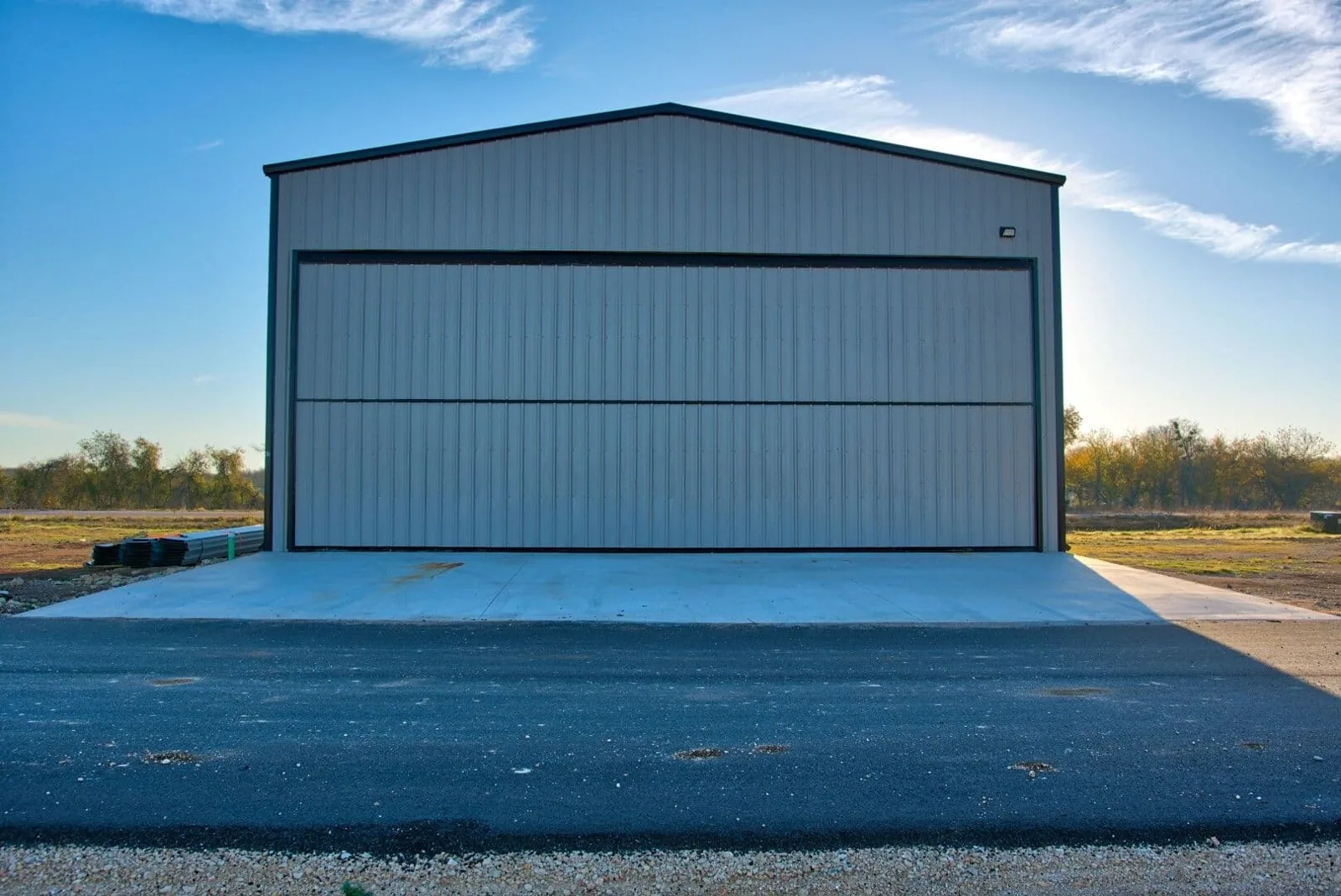
Aircraft Hangar Roofing in Victoria, TX
Property Types We Roof · Victoria, TX
Aircraft hangar roofing in Victoria checks long metal roof runs, door transitions, drainage, and wind exposure while protecting aircraft and operations.
Next step
Request a Roof Assessment
Call
555-555-5555
A hangar door can remain serviceable while water enters at the roof edge above its track. Aircraft hangar roofing in Victoria needs inspection across long roof runs, large openings, metal connections, and interior clearance for aircraft and ground equipment. Wind, heat, and heavy rain place attention on attachment, drainage, and flashing. We map the leak against the hangar bay, check the actual roof assembly, and plan access so aircraft movement and maintenance routes stay accounted for.
Aircraft Hangar Roofing
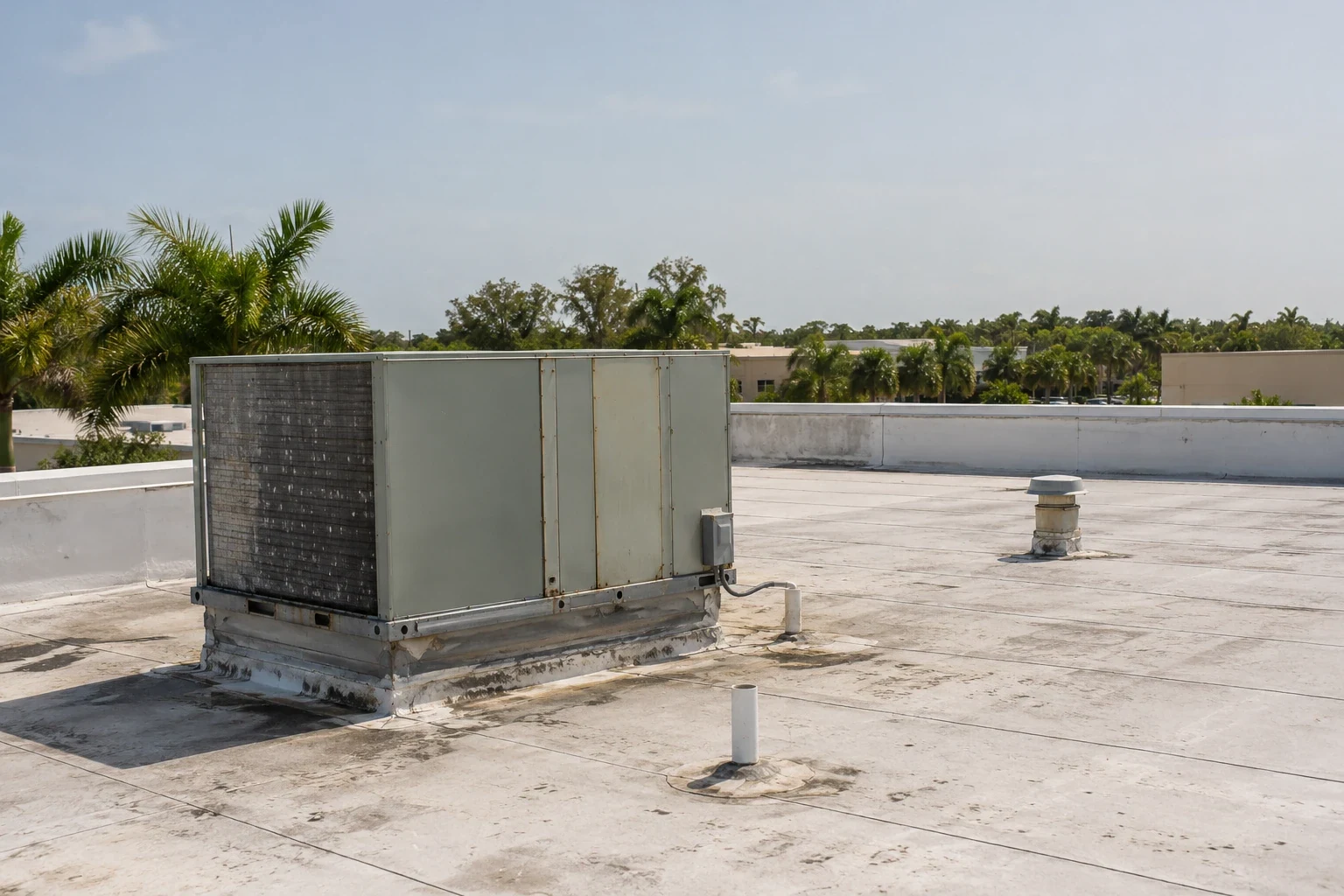
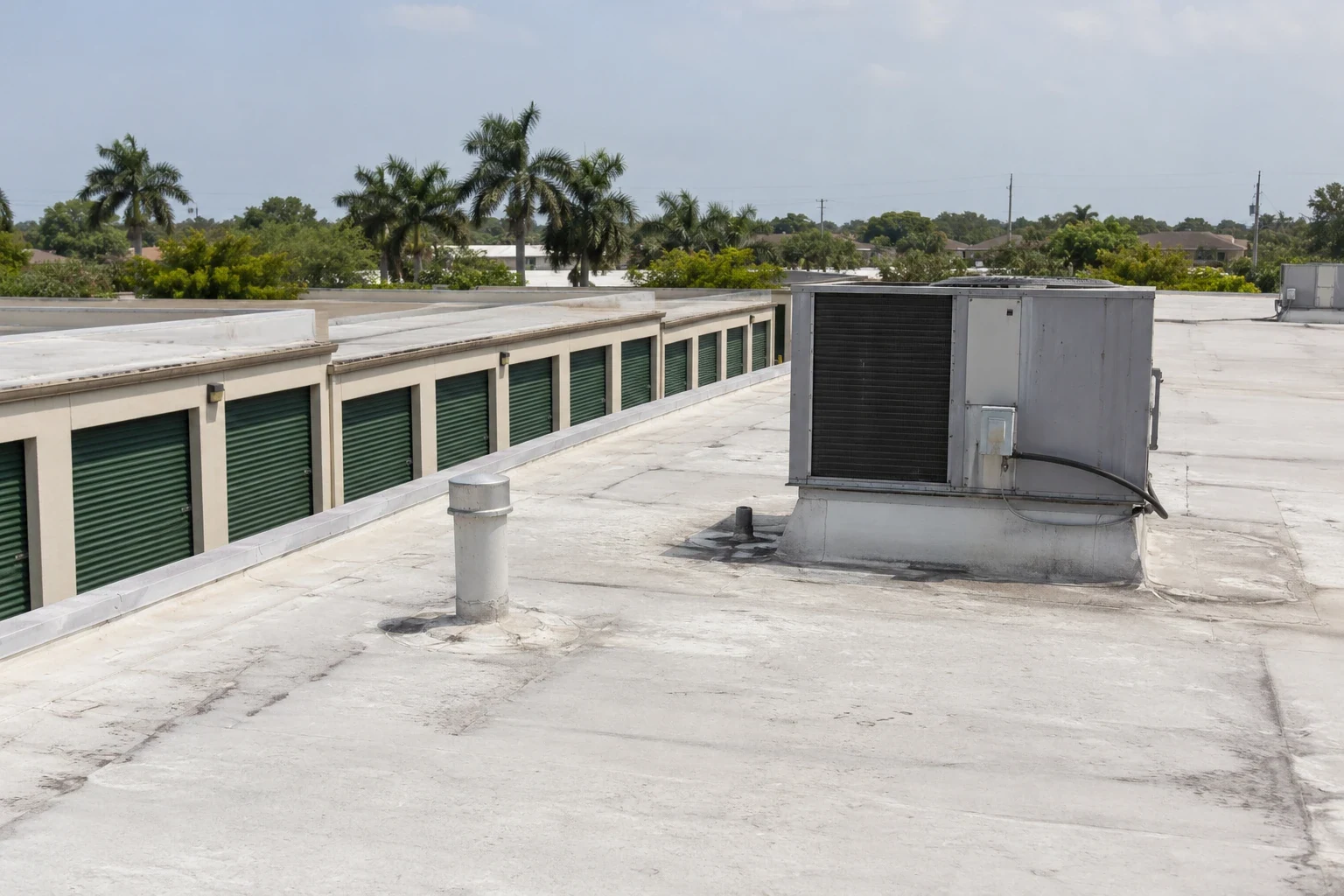
Record the bay, door position, leak location, and whether the hangar was open when water entered. A stain near a door may involve the roof-to-wall transition or track flashing, while a leak at the center can trace to a seam or roof penetration. Compare interior reports with roof plans and inspect the water path above. The roof contractor should know the aircraft and lift clearance requirements before setting a ladder, lift, or material staging location.
Hangars can combine aircraft storage with maintenance, offices, parts, and utility spaces. Identify where people, vehicles, and equipment move during the workday. Keep the active roof boundary clear of aircraft and sensitive components, and coordinate any required repositioning with the operator. If work involves a large door or its supporting structure, separate roof flashing from door-system repair and assign each scope to the responsible trade.
Victoria Regional Airport has three runways, freight service, commercial flights, and industrial and commercial development sites. Those facts describe the airport’s regional role, not the presence or condition of any specific hangar. In the Victoria Regional Airport Business Area, roof access and aircraft movement must follow the property operator’s procedures and the assigned building plan.
Map roof spans, doors, and aircraft clearance
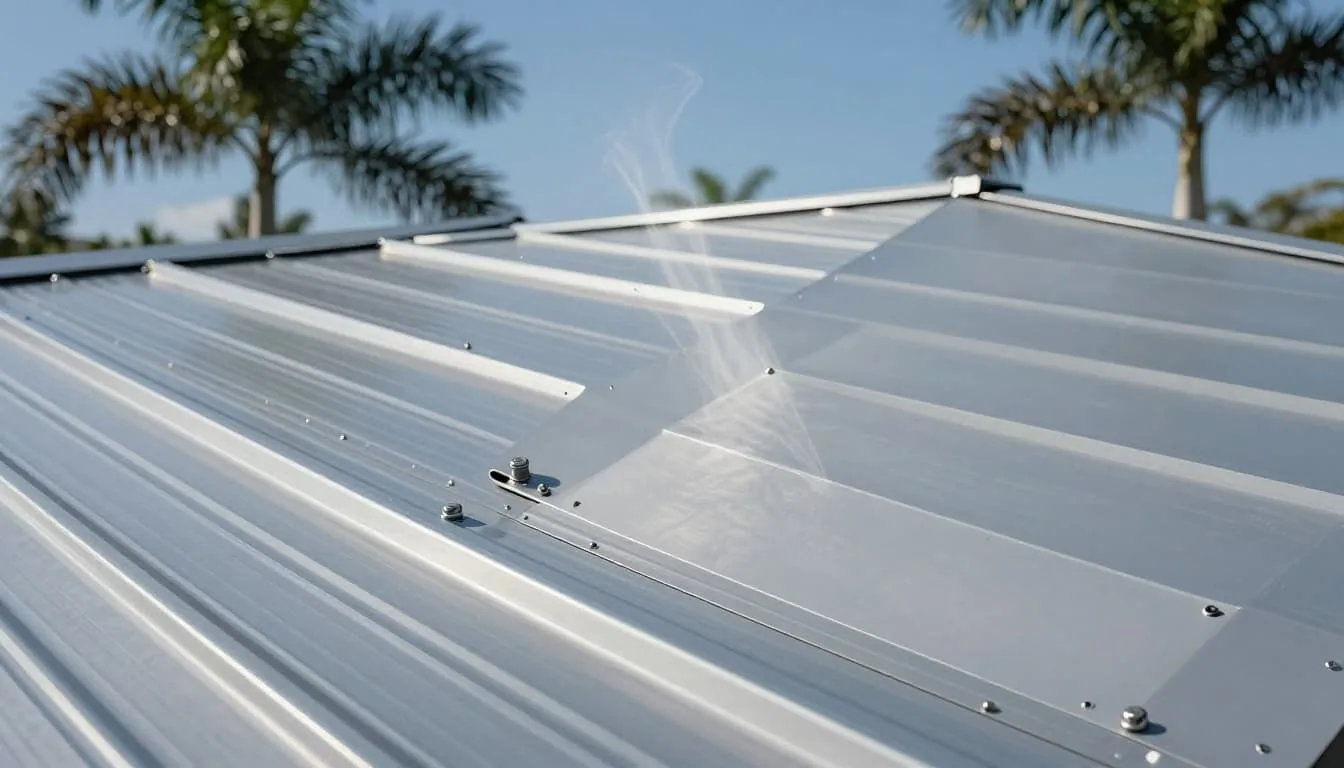
On a metal hangar roof, inspect panel laps, clips or fasteners, ridge and rake details, eave edges, gutters, and any change in roof plane. Long panels move as temperatures change, so flashing needs room for movement while remaining secured against wind. A loose fastener or damaged washer can allow entry around the panel without a broad area of corrosion. Photograph the detail and mark its bay before selecting a repair.
At the hangar door, look at the head flashing, jamb transitions, track supports, and seals where roof runoff approaches the opening. Water at the threshold may come from a roof edge, door seal, or exterior drainage path. Check the gutter, downspout, apron, and ground-side flow before concluding the roof panel itself failed. A wind damage inspection can document movement at roof edges and attachments after a local event.
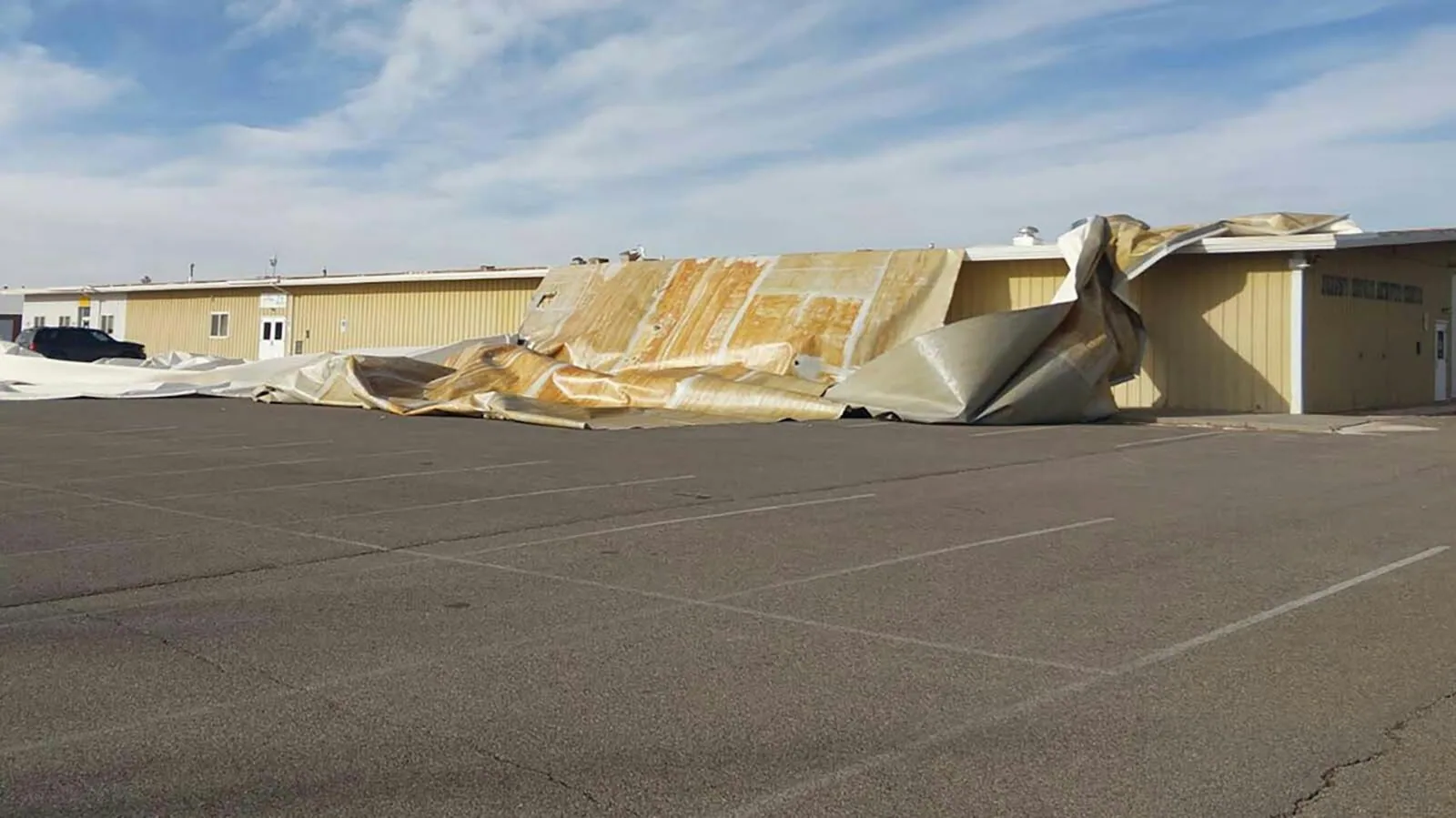
Hail and wind exposure are part of Victoria County’s weather record. A National Weather Service warning cited quarter-size hail and gusts to 60 mph, while South Texas has a history of tropical systems. Inspect panels, skylights, vents, and equipment attachments after severe weather. These regional events help prioritize a walk; they do not establish that a hangar sustained damage or identify which component failed.
Inspect panels, fasteners, and door transitions
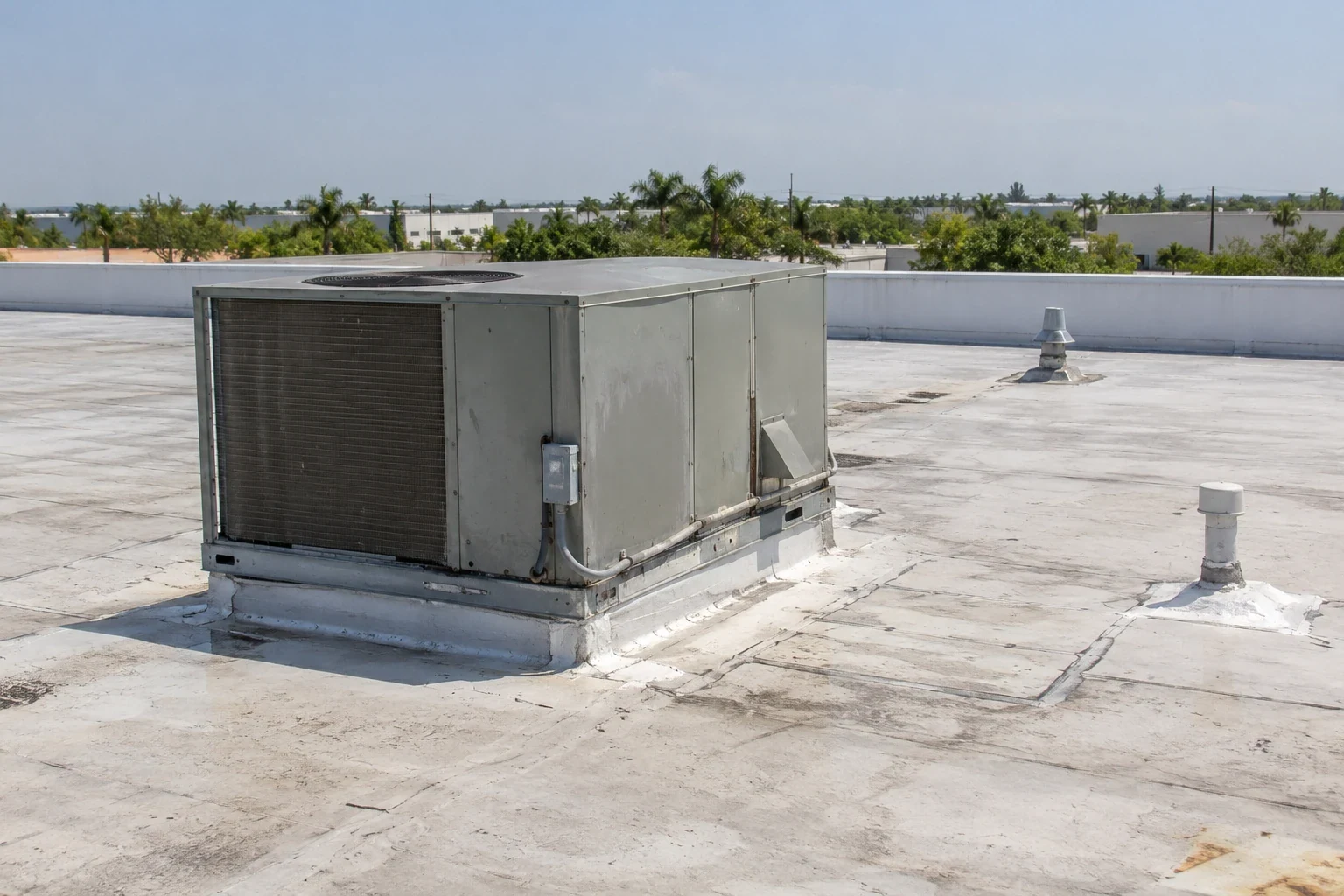
Before a repair, the operator identifies aircraft parking, fueling or maintenance activity, tow paths, and any area that must remain available. Protect engines, avionics, and stored components from dust, metal filings, moisture, and falling fasteners. If material removal could expose the interior, move aircraft out of the bay or set protection with the operator. We coordinate the roof route and lower work zone before cutting or drilling.
Wind conditions matter during panel handling and crane or lift use. Check the forecast and current site conditions before raising large sheet materials or equipment. A roof section left open during a weather change needs a defined dry-in measure and an assigned person to confirm it. We tell the operator which bay remains restricted, what temporary protection is in place, and when the crew will return.
Victoria’s July normal high is 94 degrees, with a recorded high of 110. Actual roof-surface temperatures can affect sealants, coatings, and worker safety. We follow the material’s application conditions, protect interior areas from overspray or odor where needed, and schedule the tie-in when it can be completed reliably. If the hangar includes occupied offices or a workshop, identify ventilation intakes and fire-safety routes before work begins.
Protect aircraft and keep the bay usable
A few loose fasteners or an isolated flashing split may be repaired locally when the adjacent metal and substrate remain sound. A broader corrosion pattern, failed clips, or repeated leaks at several bays may require panel replacement or a larger retrofit. We inspect the attachment, underlayment, insulation, and framing visible at the repair before defining the scope. A standing seam metal system needs a different repair than a membrane assembly on an office or service annex.
Condensation can resemble a roof leak, especially when warm, humid air meets a cool metal surface. Look for when moisture appears, where it collects, and whether it follows rain or temperature change. We compare that pattern with roof penetrations, panel seams, ventilation, and interior conditions. If the source remains uncertain, we state what can be inspected next instead of sealing a random joint.
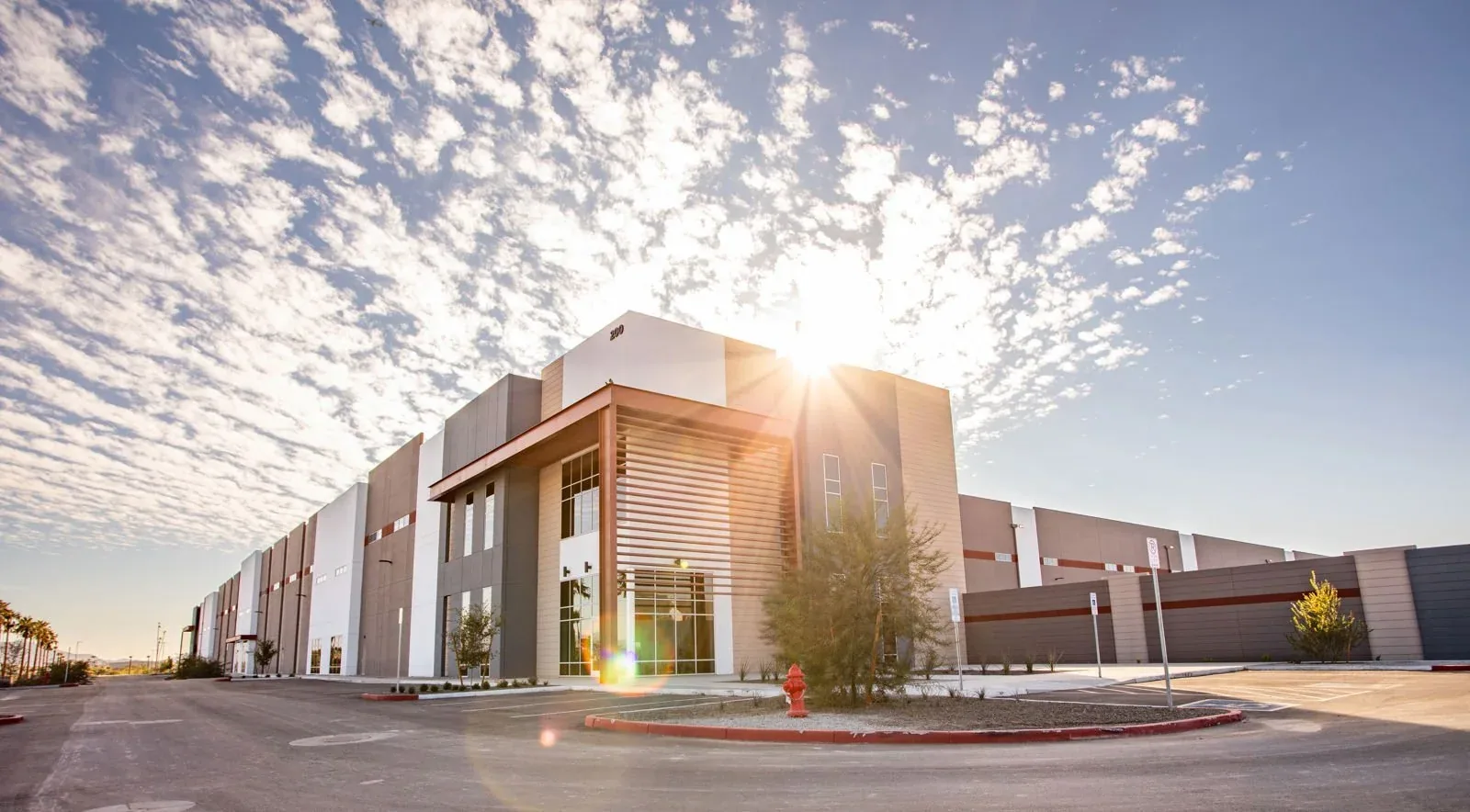
Cost and timing reflect building height, panel profile, fastener access, equipment needs, weather exposure, aircraft protection, and any required engineering review. Replacing a full-length panel may require more access coordination than sealing one curb. A flex industrial building may also use metal roof panels, while a warehouse roof often prioritizes docks and stored inventory. The hangar scope must account for aircraft clearance and door operation.
Select the right correction for the hangar roof
Closeout photos should identify the hangar bay, panel or flashing detail, and nearby drain or door edge. Record fasteners replaced, sealant or membrane materials used, and any limitation caused by restricted access. The operator receives a statement of which area is ready for use and what still needs inspection or work by another trade.
Keep panel profile, attachment details, prior repairs, door changes, and rooftop equipment in the building file. A maintenance visit can recheck fasteners, gutters, penetrations, and flashing after severe weather. If antennas, exhausts, or new equipment are added, coordinate the roof penetration and document the restoration so a later leak report has a clear history.
Victoria’s airport business sites are connected to US 59 Business and the wider US 59/I-69 system, while the Port of Victoria Industrial Park South uses highway, rail, and barge freight. These logistics facts describe distinct commercial areas and do not substitute for the operator’s site access plan. Share the hangar location, bay report, roof drawings, aircraft clearance requirements, and allowed work window when requesting service. We will inspect the assembly and return a scope tied to the affected detail.
Document the bay and repair detail
Related Roofing Work
Frequently Asked Questions
Can a metal hangar roof leak at a closed door?
Yes. The head flashing, track supports, eave, or adjacent panel can admit water. We inspect the roof edge and exterior drainage before assigning the source to the door system.
How do you keep aircraft safe during roof repairs?
The operator identifies aircraft, equipment, and movement clearances. We set a defined work and protection zone and coordinate relocation or interior cover before removing roof material.
Could condensation look like a roof leak?
Yes. Moisture that appears without rain may relate to humid interior air and a cool metal surface. We compare timing and location with seams, penetrations, ventilation, and roof-side evidence.
Does one loose panel fastener require a full reroof?
Not by itself. We inspect adjacent panels, clips, substrate, and prior repairs. A local correction is possible when the surrounding assembly remains stable.
Send the bay map, affected detail, aircraft clearance rules, roof drawings, and access window. We will inspect panels, fasteners, gutters, and door transitions, then document a repair boundary and protection sequence.
Call 555-555-5555 or email [email protected].