
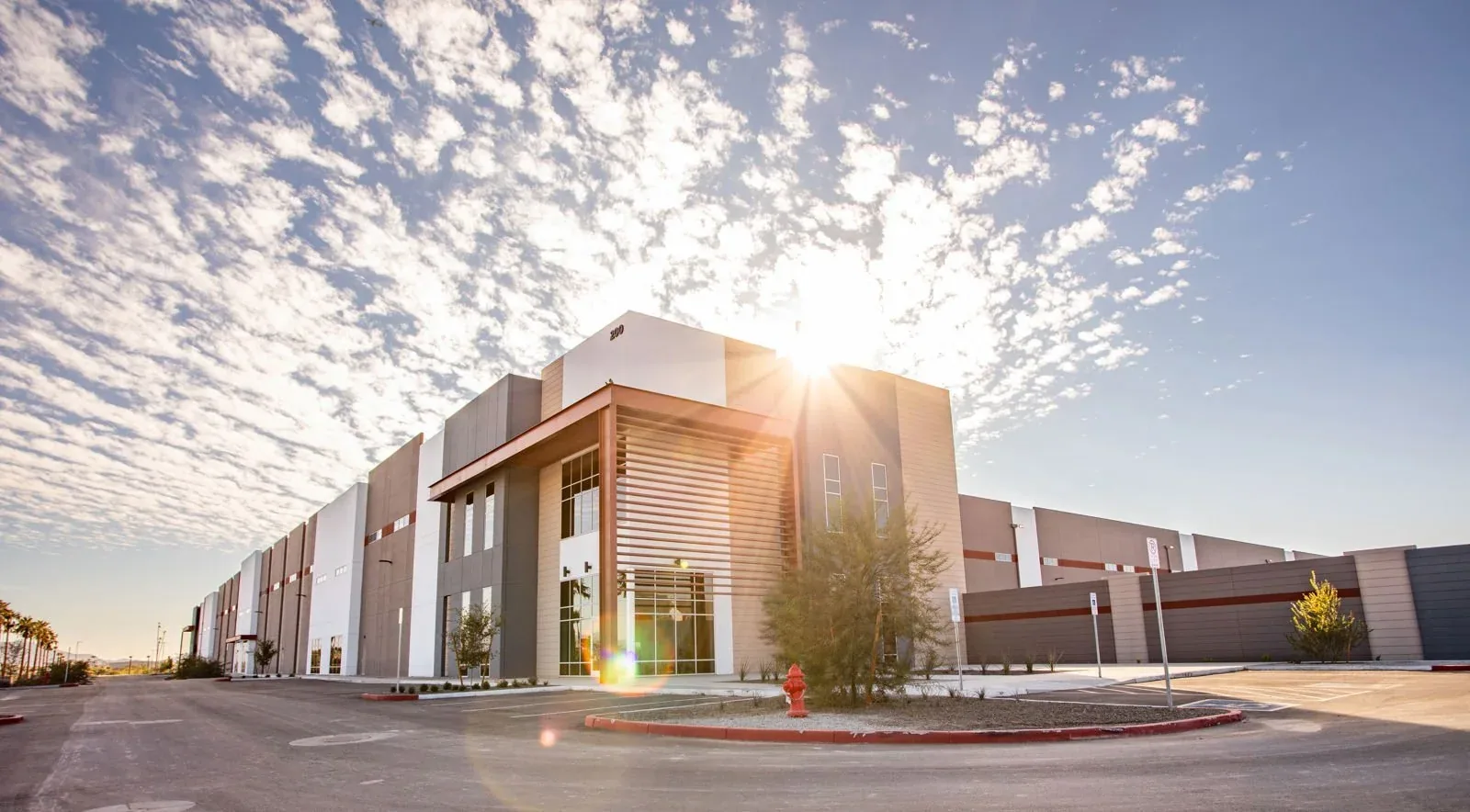
Flex Industrial Roofing in Victoria, TX
Property Types We Roof · Victoria, TX
Flex industrial roofing in Victoria addresses mixed office, shop, and warehouse roof sections with inspections tailored to equipment and access.
Next step
Request a Roof Assessment
Call
555-555-5555
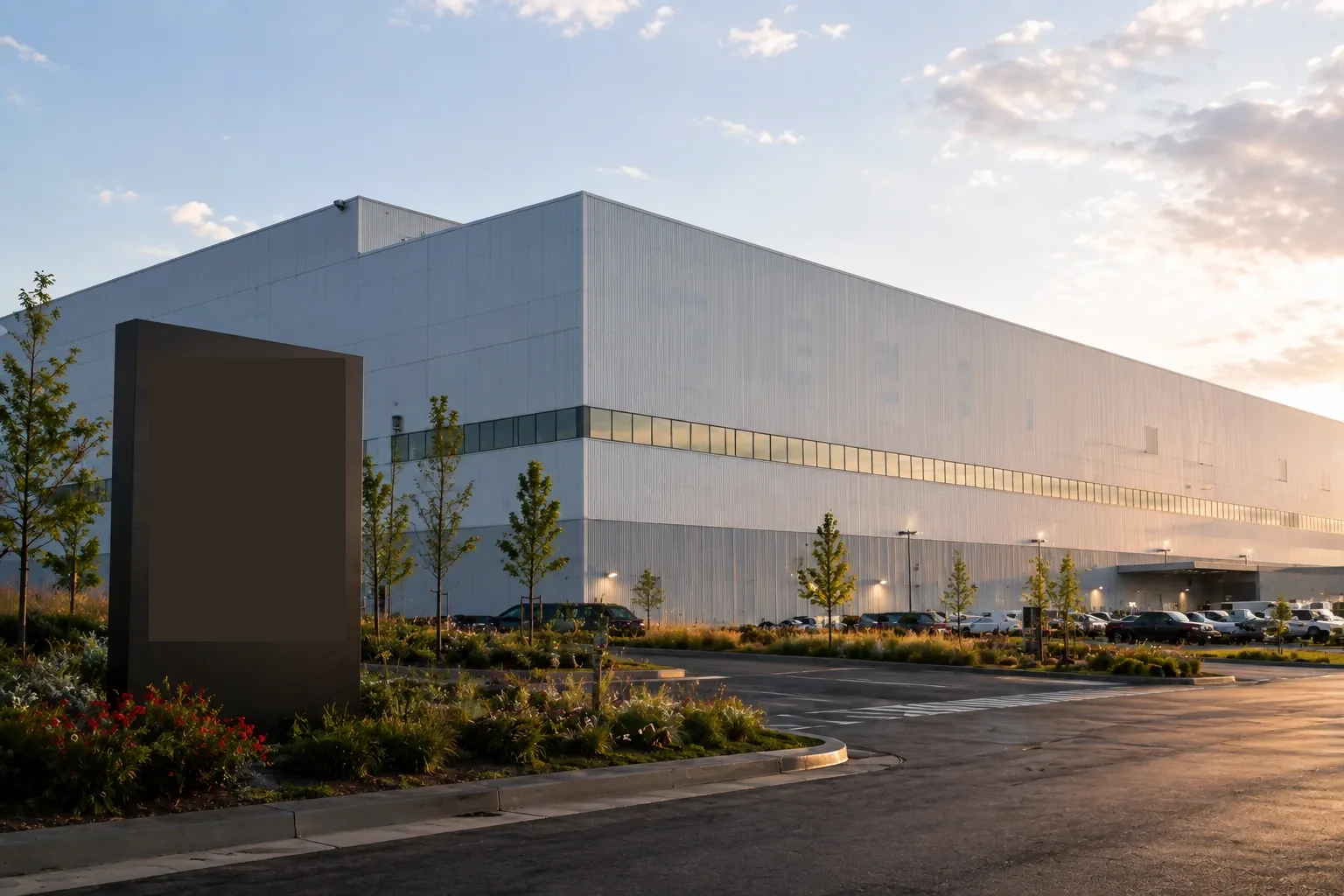
A roof transition between office and shop space can hide a leak that appears far from the failed seam. Flex industrial roofing in Victoria covers buildings where light manufacturing, storage, loading, and office functions share a roof or parcel. Equipment curbs, wall lines, drains, skylights, and perimeter metal all need a section-by-section inspection. We connect the reported issue to the roof assembly, plan access around production or deliveries, and document which area the repair covers.
Flex Industrial Roofing
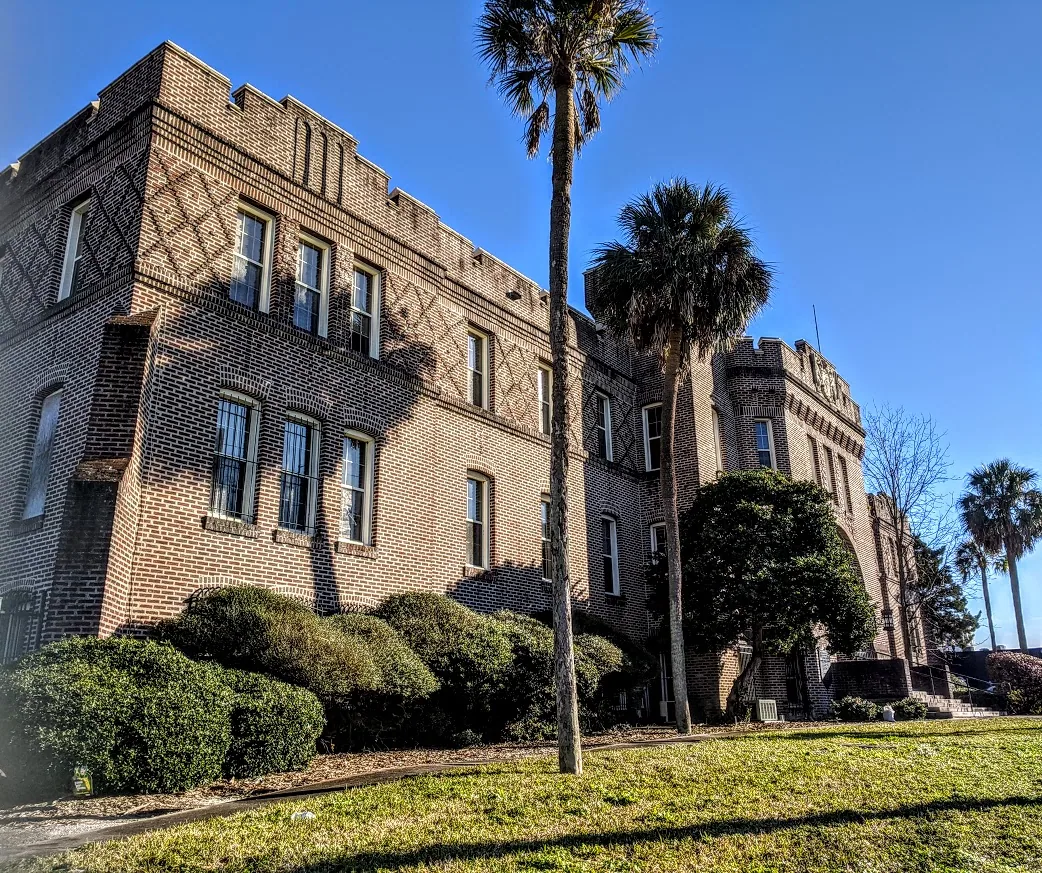
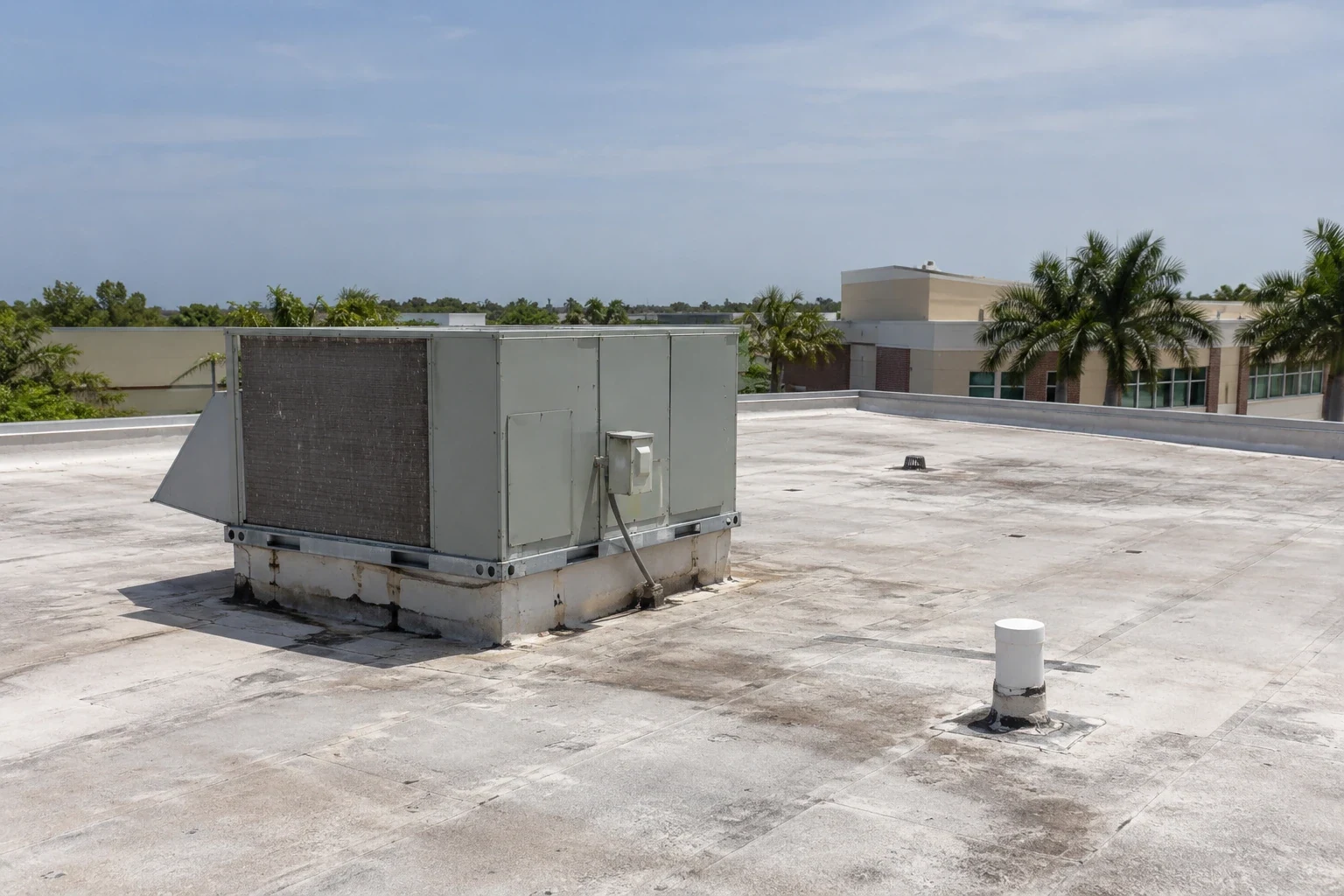
Mark the leak report, production floor, parts storage, offices, and receiving area on the building plan. A water stain at an office wall can trace to a roof joint over the shop, while a wet spot near a loading door may relate to the wall or canopy. We inspect likely routes above and label photos by roof zone. A commercial roof inspection helps the facility compare observations with work orders and prior repairs. We note where a reported leak interrupts production, reaches stored materials, or affects an office so the manager can prioritize protection and approval. That priority then informs the first repair window.
Flexible industrial buildings often have multiple additions or tenant improvements. One section may use a membrane roof while another has metal panels or a different insulation height. Record each system separately and identify who controls access to every tenant space. If a shared wall or rooftop unit serves more than one occupant, coordinate the repair and any shutdown with the property manager before mobilization.
Victoria’s industrial development includes Lone Tree II Industrial Park, dedicated to manufacturing and assembly beside Caterpillar’s hydraulic-excavator operation and Victoria College’s Emerging Technology Complex. The park has truck-suitable access and highway connections. These facts show the market’s industrial orientation; they do not establish a particular flex building’s use or roof condition. The Lone Tree II Industrial Park is a distinct broader employment area.
Separate office, shop, and loading roof zones
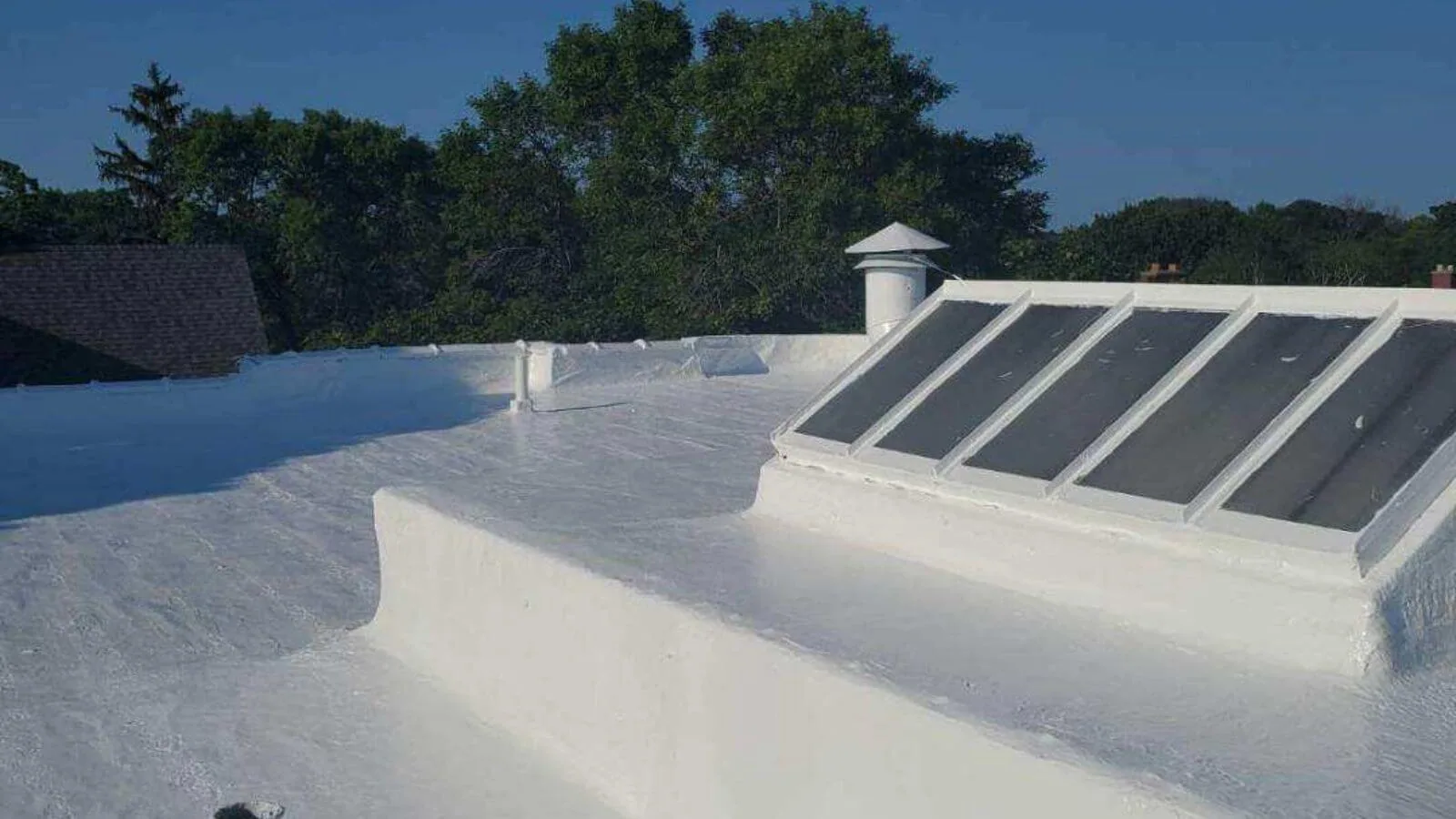
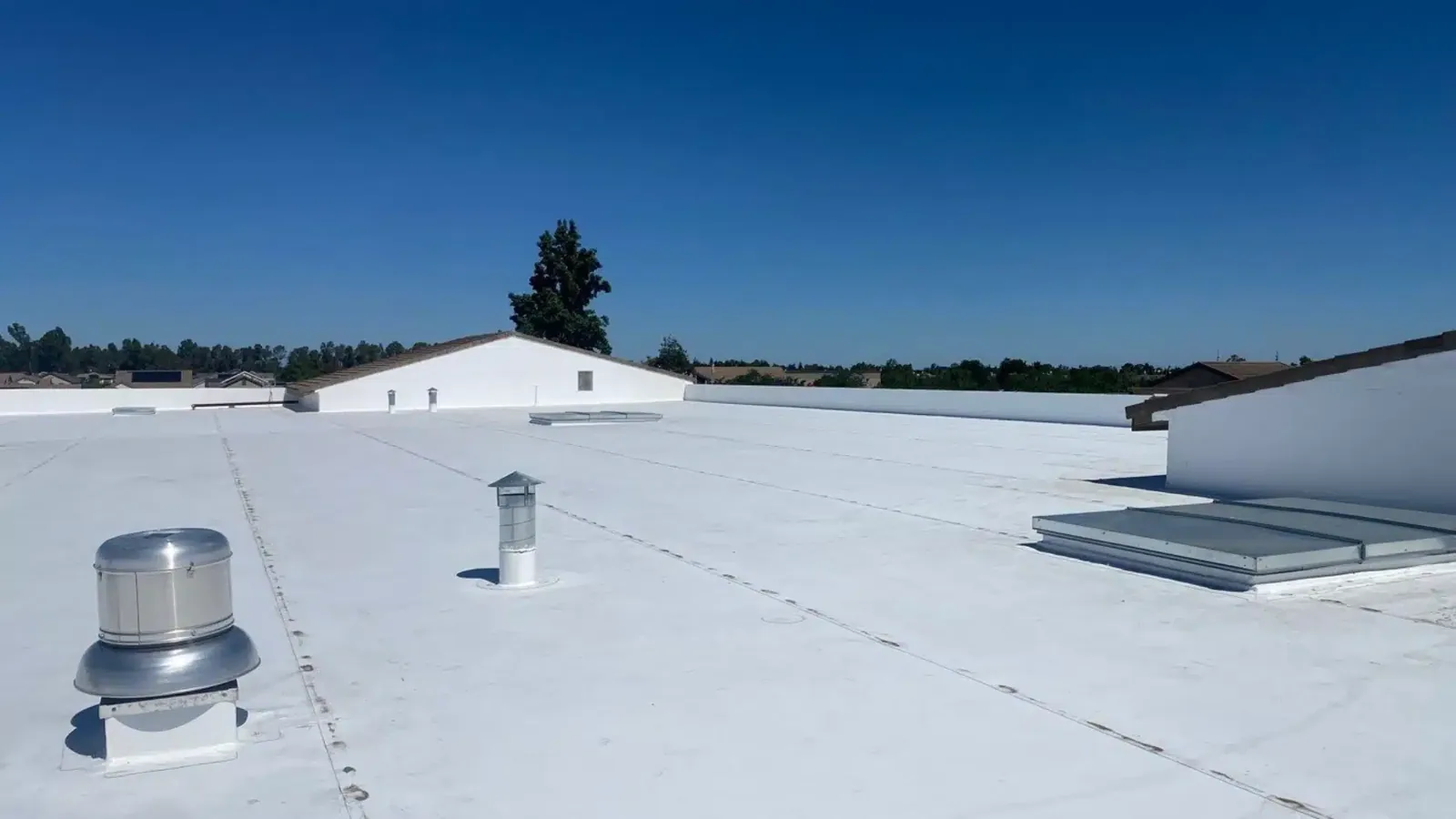
Check membrane seams, panel laps, roof-to-wall transitions, expansion joints, scuppers, and curbs around rooftop units. Conduit and piping supports can move or abrade the surface when equipment is serviced. We note loose support feet, failed flashing corners, corrosion, and any residue or ponding that affects the tie-in. A photograph should show both the defect and its position relative to a wall, drain, or unit.
Dust, metal shavings, and maintenance traffic can damage a roof even when production remains inside. Identify equipment routes and areas where a worker may kneel or stage tools. Before repair, remove loose contamination without driving water into an open seam, then dry and prepare the surface for the selected materials. If moisture extends below the membrane, test only where it can change the removal boundary or repair choice.
Victoria’s summer heat can accelerate surface aging and make application conditions different from air temperature. The city’s July climate record includes a normal high of 94 degrees and a 110-degree record. Check actual roof surface, humidity, and product limits before welding or applying adhesive. Following hail or wind, inspect edge metal, rooftop screens, skylights, and attachment points for impact or movement.
Inspect penetrations and changes in roof plane
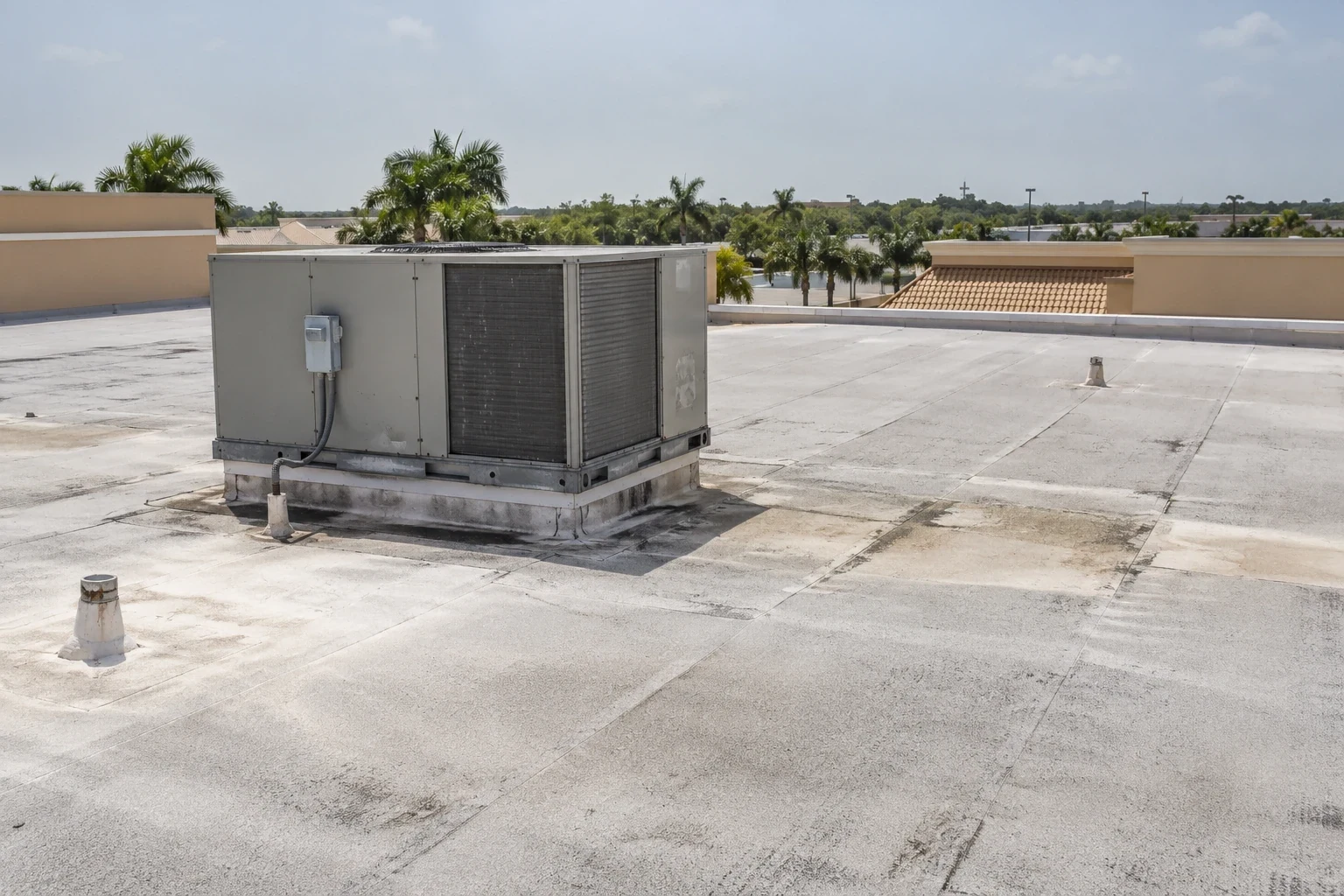
Before crews arrive, identify shift changes, delivery appointments, equipment service, and any production line that cannot pause. A lift can block truck circulation or an emergency route. We confirm staging, ladder placement, and which interior areas need protection, then give the facility contact a sequence by roof section. If the work must pause, state how the opening will be secured and what remains active.
Some industrial processes use exhaust, make-up air, or cooling equipment connected through the roof. Identify which units can be isolated, who controls them, and whether air intakes need temporary protection. The roofing scope addresses curbs and membrane; mechanical work belongs to the responsible trade. A planned unit move can change the roof detail and should be coordinated before the curb is opened.
When leaks threaten stock or electrical equipment, protect the interior while locating the roof opening. Emergency service is available any time for active water entry. We distinguish temporary containment from the permanent repair and keep the manager informed if materials or weather affect the schedule. A repair should restore the water-shedding detail and leave the production area with a known boundary.
Coordinate work with production and deliveries
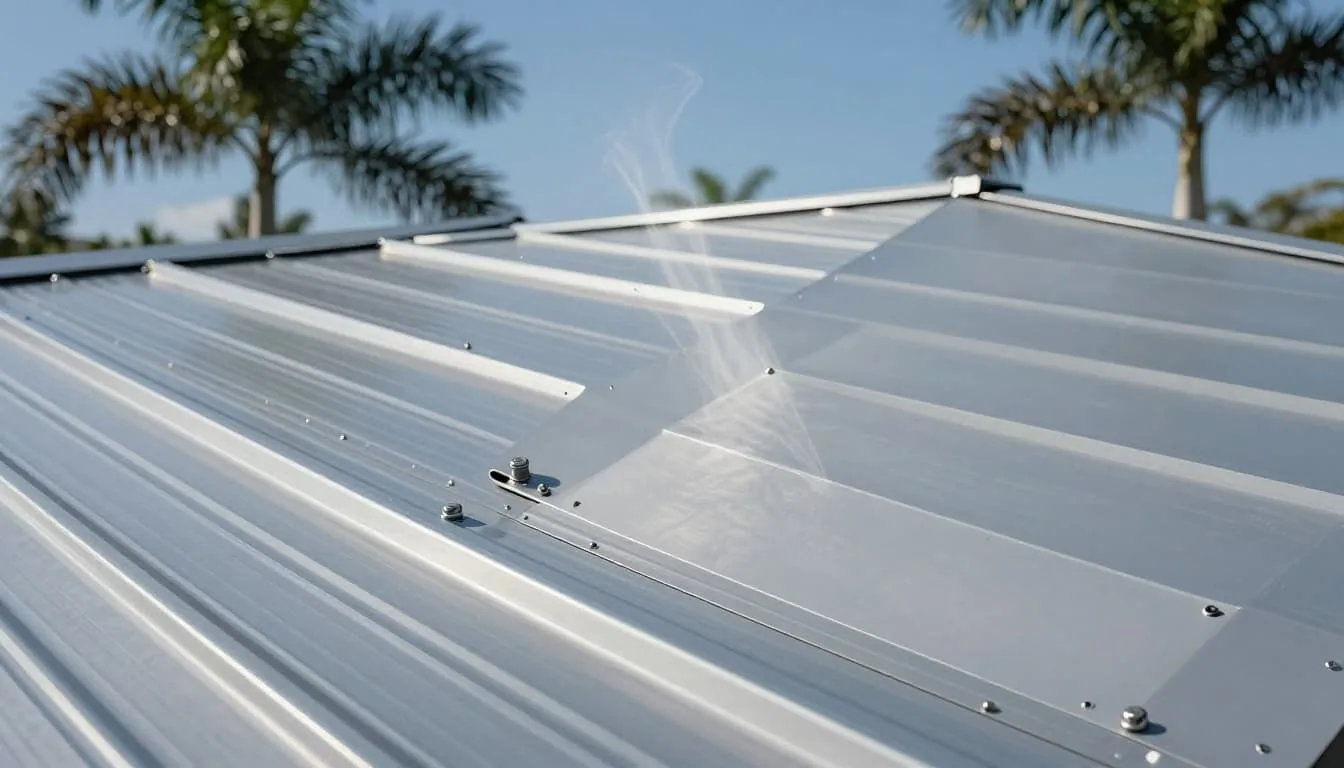
A membrane puncture or open lap may take a localized repair when the surrounding substrate is dry and stable. We remove unsound material and tie the repair into the installed system. A TPO sheet is welded, while a standing seam metal roof relies on panel laps, clips, and movement details. The facility’s record and field inspection decide which method applies.
Several leaks across separate zones, broad moisture, loose attachment, or failing edge conditions can shift the work toward selective replacement or a larger reroof. We document confirmed conditions and identify where testing or another trade’s work is required. If the building has a coating, inspect adhesion and the membrane beneath before recommending another layer. Water in insulation or corrosion at a panel fastener will not be corrected by covering the symptom.
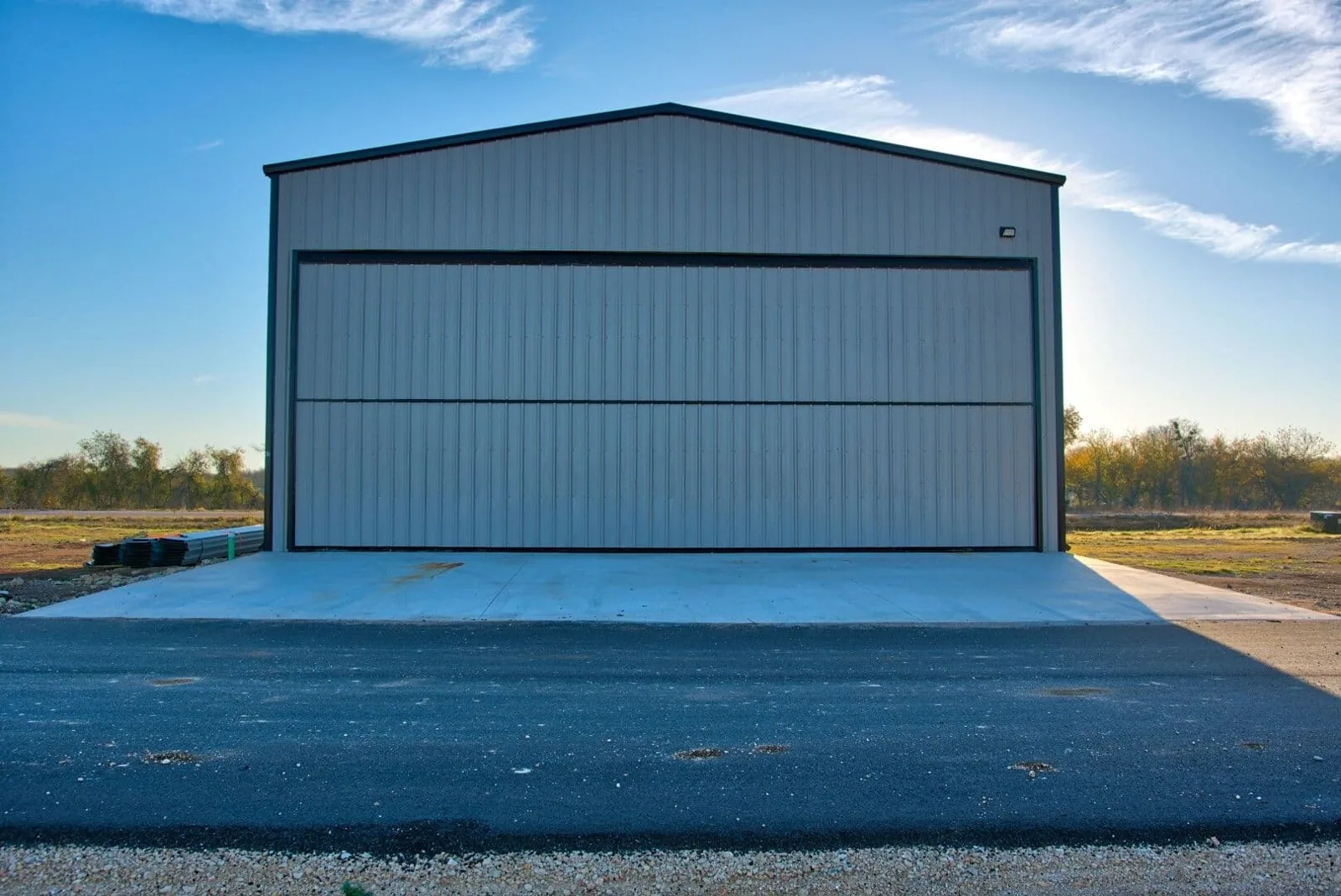
Cost and timing depend on access equipment, height, roof system, equipment density, production protection, removal and disposal, and the number of transitions involved. A manufacturing plant may require stricter line and process coordination, while an aircraft hangar has distinct clearance needs. A flex facility’s scope follows its tenant, loading, and production layout.
Match each repair to the installed assembly
Closeout photos should identify the repair, roof zone, nearby equipment, and route where access was restored. Record materials used, any temporary protection removed, and any area excluded from the work. If a tenant or owner must coordinate a mechanical correction, name the interface and responsibility so it does not return as an unassigned roof leak.
Keep system type, roof plans, penetrations, maintenance history, and tenant changes together. A maintenance visit can recheck drains, curbs, panel fasteners, and previous repairs before the next severe-weather period. Update drawings when an addition, exhaust, or unit changes the roof field so later work can use the correct detail.
The Port of Victoria Industrial Park South has barge, highway, and dual-rail connections, while the airport business area includes freight and commercial activity. These are separate logistics areas that show Victoria’s industrial reach; a flex property still needs an inspection based on its own building and access route. Provide the address, affected tenant or work zone, roof records, delivery schedule, and equipment contacts. We will inspect the assembly and return photos with repair options and access limits.
Keep roof records by tenant and section
Related Roofing Work
Frequently Asked Questions
Can one flex building have more than one roof system?
Yes. Additions and tenant work can leave different membranes, metal panels, or elevations. We identify each assembly and tie repair records to the correct section.
What should happen before a rooftop unit is moved?
Coordinate the mechanical contractor, unit isolation, and roof flashing scope. We inspect the curb and membrane transition, then document who restores the roof after the equipment work.
Can production continue during a repair?
Often, when access, noise, dust, and protection are planned by section. The facility identifies process limits and deliveries, and we sequence the roof work around those conditions.
How do you know if a patch is enough?
We check the substrate, adjacent seams, attachment, and moisture beyond the visible opening. A localized patch is appropriate when the surrounding roof can accept a sound tie-in.
Share the tenant layout, reported leak, roof plans, equipment contacts, and delivery schedule. We will inspect seams, transitions, drains, and supports, then provide photographs and a repair sequence tied to each roof zone.
Call 555-555-5555 or email [email protected].