
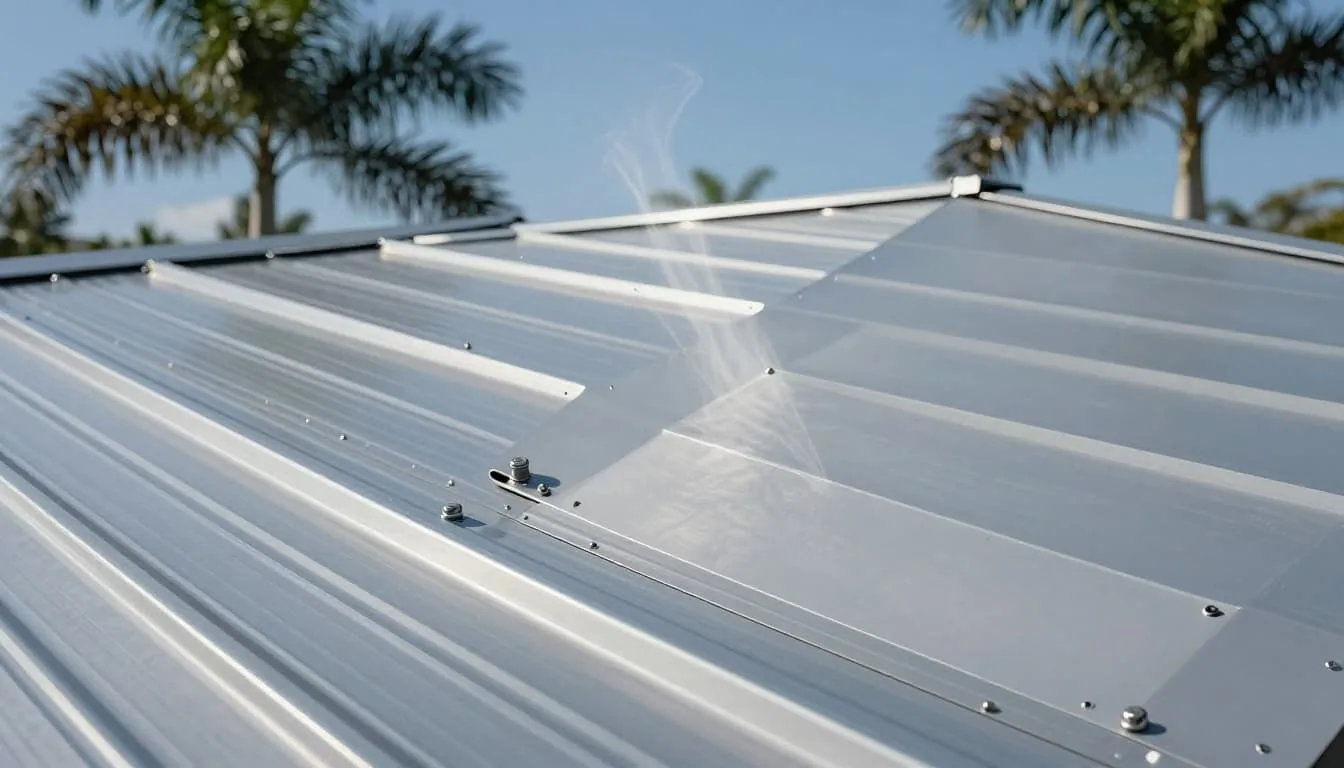
Standing Seam Metal Roofing in Victoria, TX
Roof Systems · Victoria, TX
Standing seam metal roofing in Victoria depends on panel movement, clip attachment, underlayment, and complete flashing at penetrations and edges.
Next step
Request a Roof Assessment
Call
555-555-5555
A standing seam panel is designed to move as temperature changes, while its clips hold the system to the structure. A repair that locks a moving panel or misses the clip condition can shift the problem to another joint. In Victoria, hot-season temperatures and damaging wind history make attachment and flashing worth reviewing together. We inspect the roof, identify its panel profile and support details, and set the repair boundary before disturbing the seam.
Standing Seam Metal Roofing
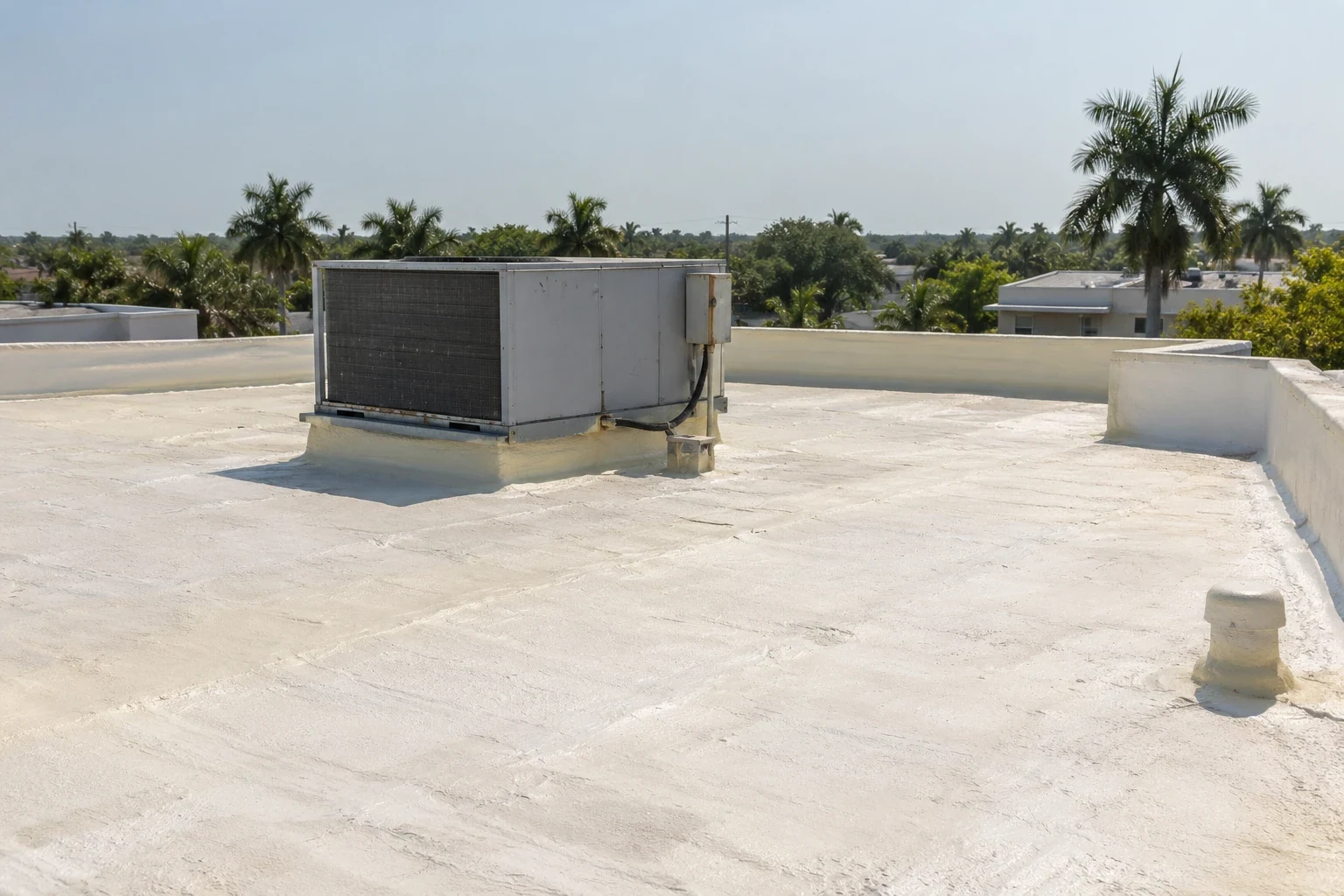
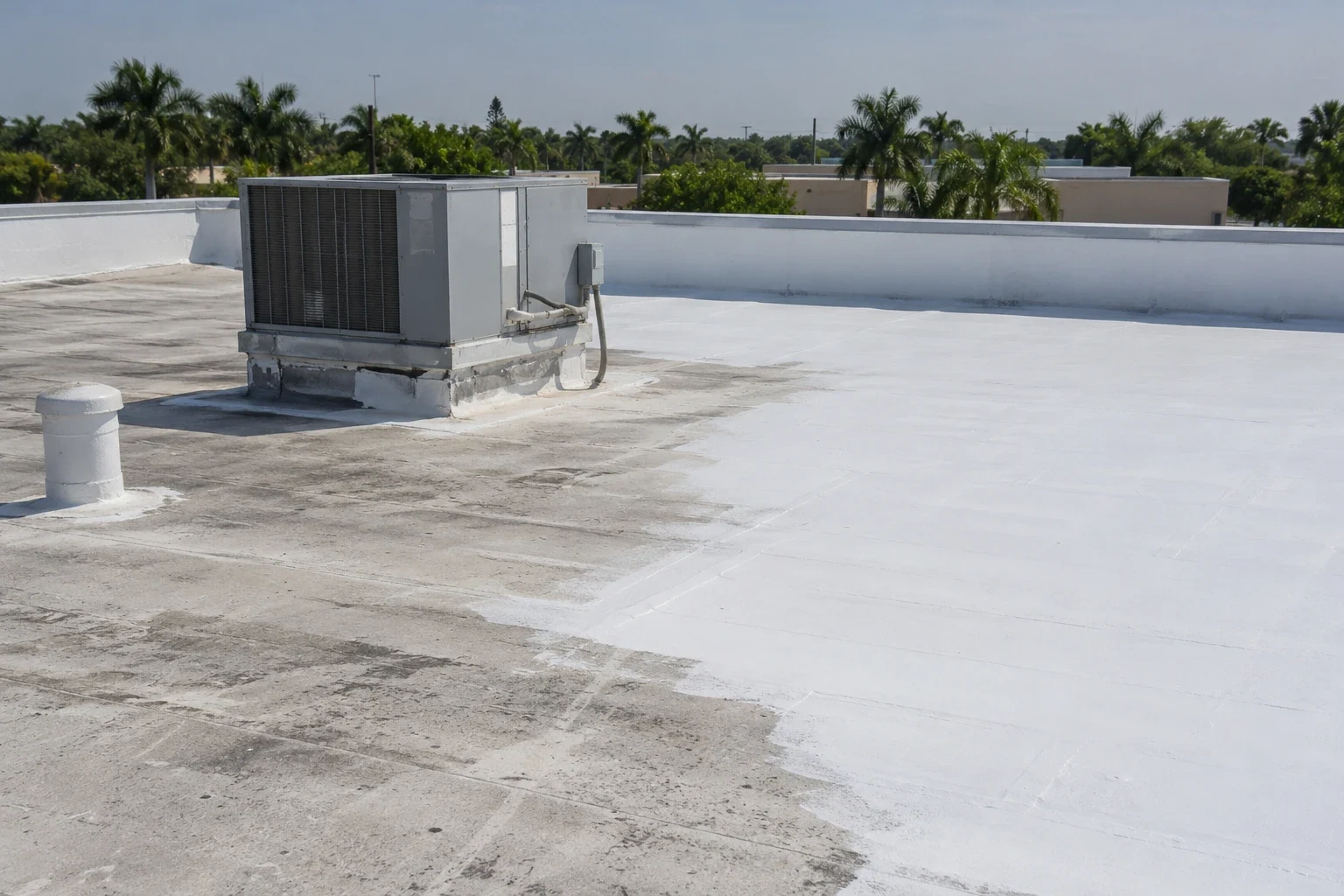
Identify panel type, seam height and shape, clip layout where accessible, underlayment, substrate, and any prior repairs. Check for oil-canning, open seams, corrosion, loose fasteners at trim, and water marks below laps. Panel appearance alone does not confirm attachment. We inspect representative areas and use project drawings or selective exposure where a concealed clip or substrate condition could change the scope.
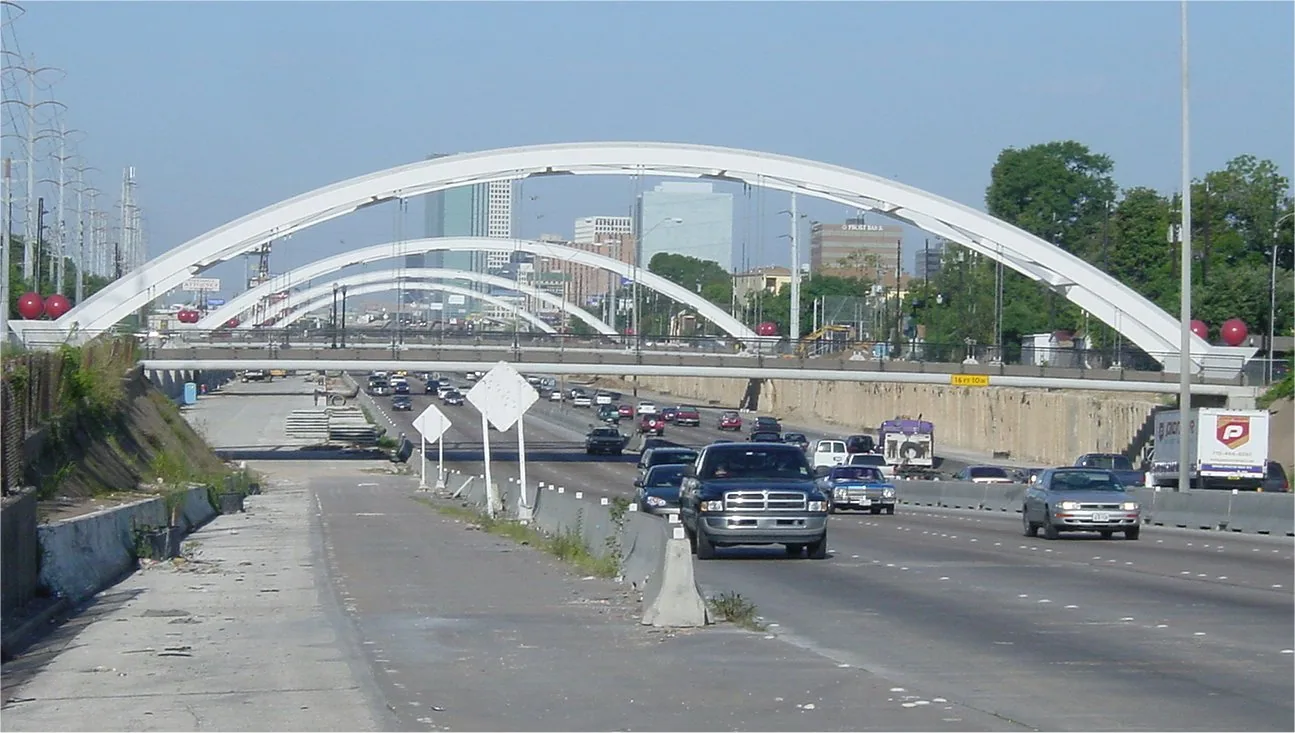
The US 59 Business corridor links Victoria’s airport development area to the wider highway system. Industrial and commercial buildings along regional routes can have varied roof shapes and equipment loads. At the assigned property, we confirm panel direction, roof length, expansion details, and access rather than assume one standard metal assembly.
Standing seam panels often accommodate movement through concealed clips and designed end conditions. A fastener driven through a panel field may restrain movement or create a new water path. If previous work added exposed fasteners or sealant, inspect the affected panel and adjoining seams before reusing that repair method.
Read panel profile and movement
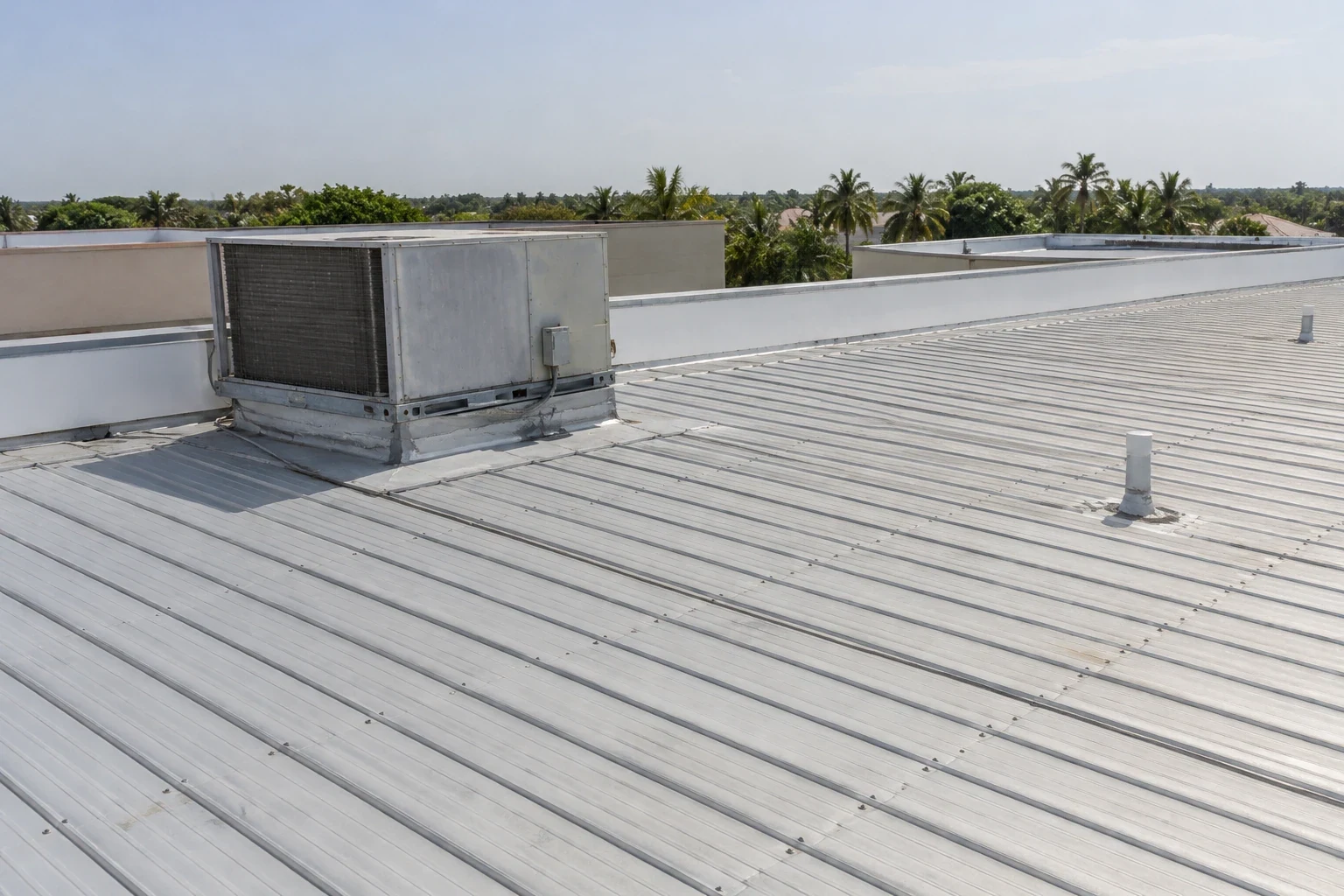
Examine the standing seam from eave to ridge, paying attention to terminations, panel ends, ridge caps, transitions, and penetrations. We look for open folds, distorted ribs, slipped clips, fasteners that have backed out, and metal fatigue near a fixed point. The repair method needs to preserve the intended movement of the panel and keep the water-shedding seam engaged.
Metal roof movement can vary along a panel as temperatures change. A ridge or eave detail that binds can stress a seam or pull on flashing. Check the roof drawings or manufacturer instructions for the panel system before adjusting clips or replacing trim. If prior repairs have altered the profile, document those changes and confirm that new material can connect without trapping water.
A July climate report for the VCT station places its usual high at 94°F and its record at 110°F; measure the panel and follow the chosen product’s limits. We schedule handling and inspection around actual roof conditions and follow the system’s work requirements. After wind, review ridge, rake, eave, and penetration flashings for movement rather than concluding that every seam has failed.
Inspect seams, clips, and end conditions
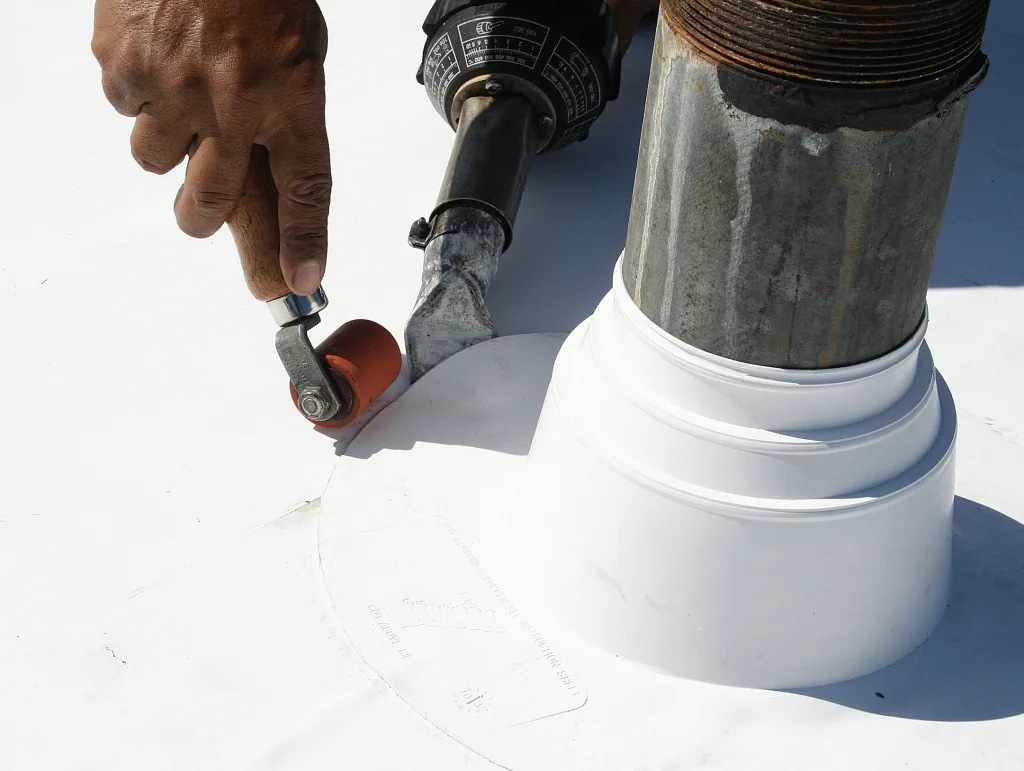
Skylights, pipes, equipment curbs, and exhausts interrupt standing seam panels. Each opening needs a flashing arrangement that sheds water without pinning a long panel against movement. Review the curb, panel cut, closure strips, flashing, and nearby seams together. A sealant bead may require maintenance, but it cannot correct a curb that has shifted or a metal flange that is not secured.
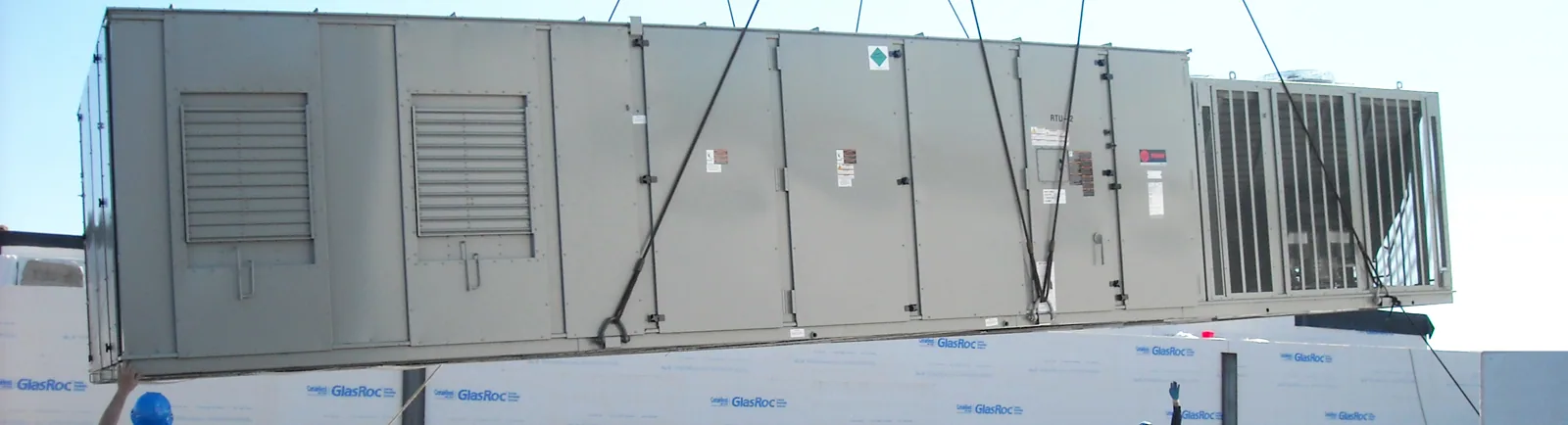
At equipment supports, check whether the load transfers through an approved frame or presses directly on the panel. A curb and support inspection can coordinate the roof interface with the mechanical contractor. Do not drill through a panel or move a pipe stand without confirming the support plan and the intended flashing detail.
Where an opening is leaking, compare the roof-side condition with the interior report. Water can travel along a panel or underlayment before it appears inside. A roof inspection can map related seams, transitions, and penetrations so the repair addresses the path rather than only the ceiling stain.
Detail curbs, pipes, and roof openings
Standing seam roofs shed water to eaves, valleys, gutters, and downspouts. Check that panels terminate into the correct edge detail and that end dams, closures, and valley pans remain secure. Debris or a clogged gutter can push water back toward the eave; a failed end condition may let it enter behind the fascia. The drainage route should be inspected below the roof edge as well as from the panel surface.
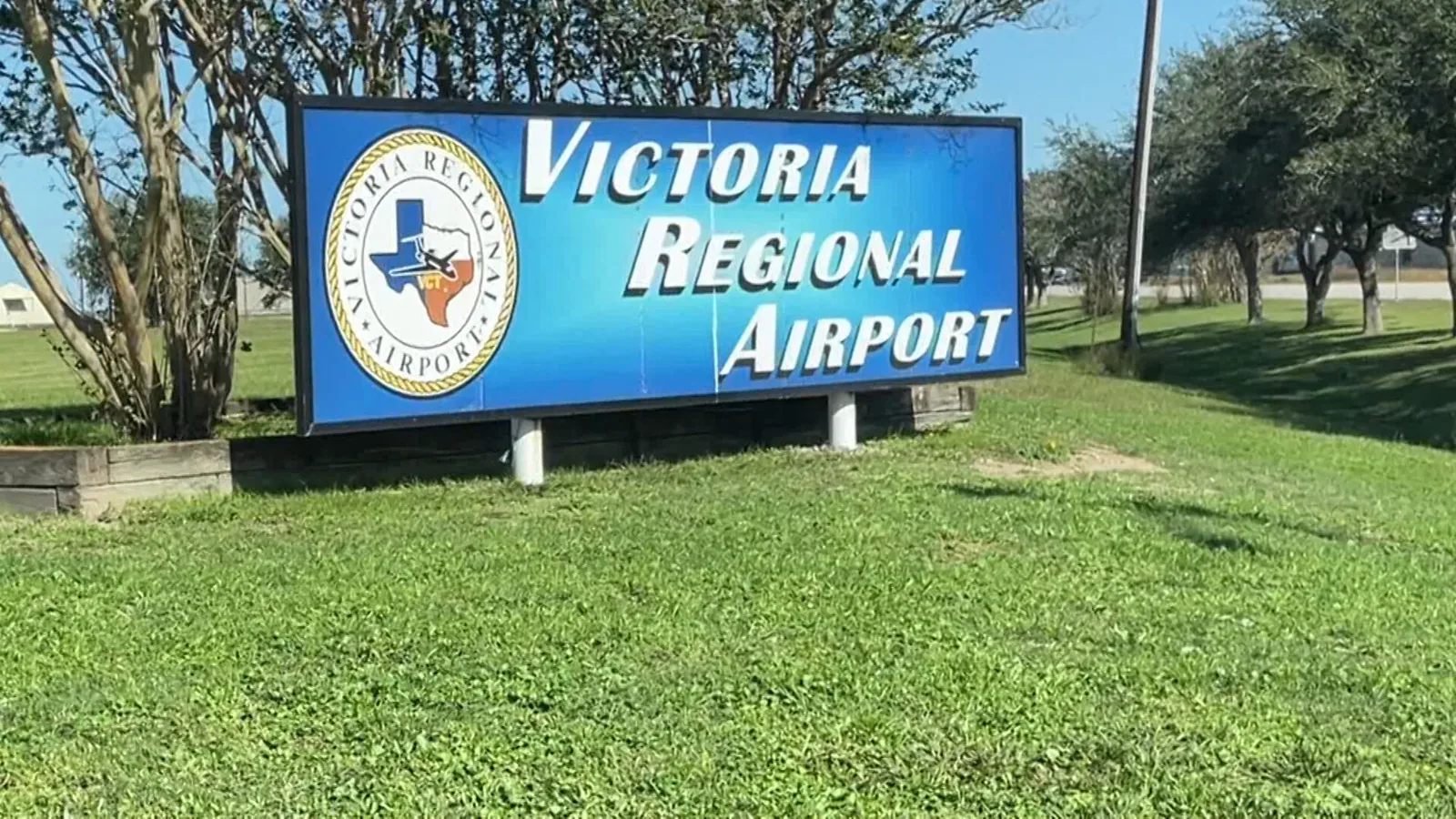
At the Victoria Regional Airport Business Area, freight and commercial activity share an industrial development setting. Roof access and lift positions at each building are approved by its site contact. Keep gutters, loading routes, and pedestrian areas protected during metal removal and repair.
Where edge metal or gutter connection has loosened, a perimeter metal review can define the transition repair. A broad panel replacement should not conceal a damaged gutter or leave an open end at the eave.
Keep eaves, valleys, and gutters clear
A localized standing seam repair may address a damaged rib, flashing, clip, or trim section. If corrosion, repeated leaks, attachment loss, or panel distortion extends across the roof, inspect the substrate and structural supports before choosing a larger scope. A metal-over-metal retrofit can be considered only after verifying load, drainage, geometry, attachment, and project requirements.
Compare metal roof retrofit work with a panel repair where the existing system cannot be restored in place. A single-ply membrane is another system class, but its design and edge details differ from standing seam. The building’s use, roof slope, deck, and transition heights determine which path can be developed.
For occupied Victoria buildings, sequence panel removal so the open area can be protected by the end of the shift. The owner receives a map of replaced panels, clips or fasteners addressed, flashing corrections, and any substrate area that could not be confirmed without more access. South Texas storm history includes Carla, Beulah, Bret, Harvey, Hanna, and Nicholas. After a weather event, photograph the seam, ridge, and eave before resetting trim, then compare the record with later service photos. This shows whether movement has changed at the same roof section.
Select repair or retrofit after checking the substrate
At closeout, inspect seams, clips where visible, panel ends, ridge and eave terminations, valleys, curbs, and transitions. Confirm that gutters and downspouts remain open and that removed metal has been cleared. Photos should show the repaired location and its connection to adjacent panels. If a concealed clip line was not exposed, state that limit rather than reporting it as inspected.
Keep panel profile, finish details, repair history, and closeout photos with the roof plan. A maintenance visit can check exposed fasteners at trim, sealant at designed joints, and drainage without treating the standing seam field as a standard membrane roof.
To request standing seam service in Victoria, provide panel information, roof plans, leak locations, prior repairs, and access rules. We will examine movement, attachment, and flashing, then describe whether the roof needs a local correction, retrofit review, or replacement scope.
Check the full panel path at completion
Related Roofing Work
Frequently Asked Questions
Can you screw through a standing seam panel to stop a leak?
Not as a default repair. A new fastener can restrain panel movement and create another water path. Inspect the seam, clip, and flashing first.
Why do standing seam panels move?
Metal expands and contracts with temperature. Concealed clips and end conditions are designed to manage movement while holding the panel to the structure.
Can a standing seam roof be coated?
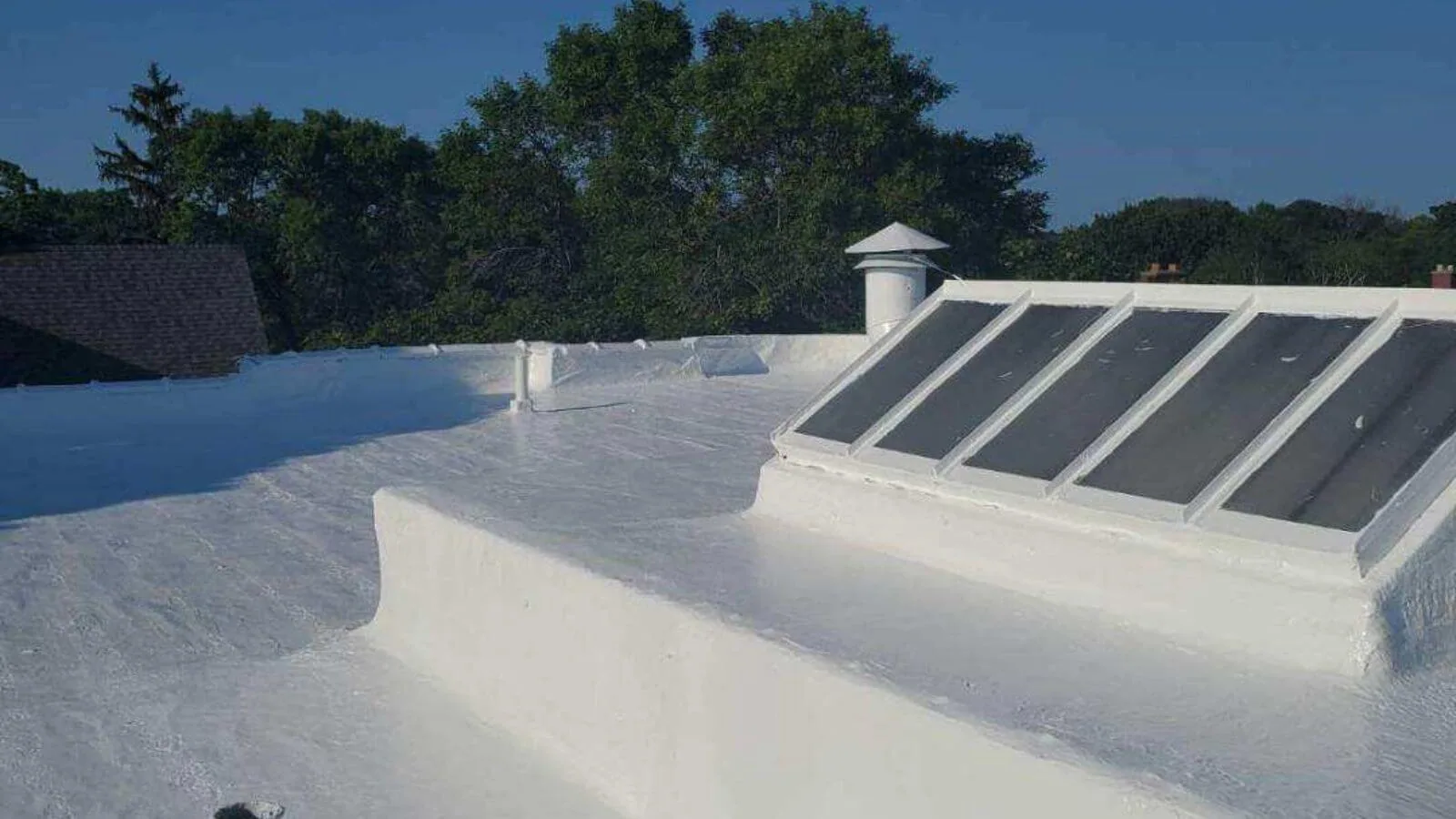
A coating is considered only when the panel surface, movement, attachment, and drainage support that system. It does not replace failed clips or open seams.
What should be inspected after a wind event?
Check ridges, eaves, rake edges, curbs, panel ends, and any visibly displaced seam. A full assessment distinguishes impact from existing movement or wear.
What information helps evaluate a metal roof?
Provide panel profile or plans, leak locations, previous repairs, building use, and safe access instructions.
Send roof plans, panel information, leak history, and access details. We will inspect seam movement, clips, flashing, and drainage before defining the repair or retrofit scope.
Call 555-555-5555 or email [email protected].