
Auto Dealership Roofing in Victoria, TX
Property Types We Roof · Victoria, TX
Auto dealership roofing in Victoria protects showrooms, service bays, parts areas, and vehicle inventory with repairs coordinated around daily operations.
Next step
Request a Roof Assessment
Call
555-555-5555
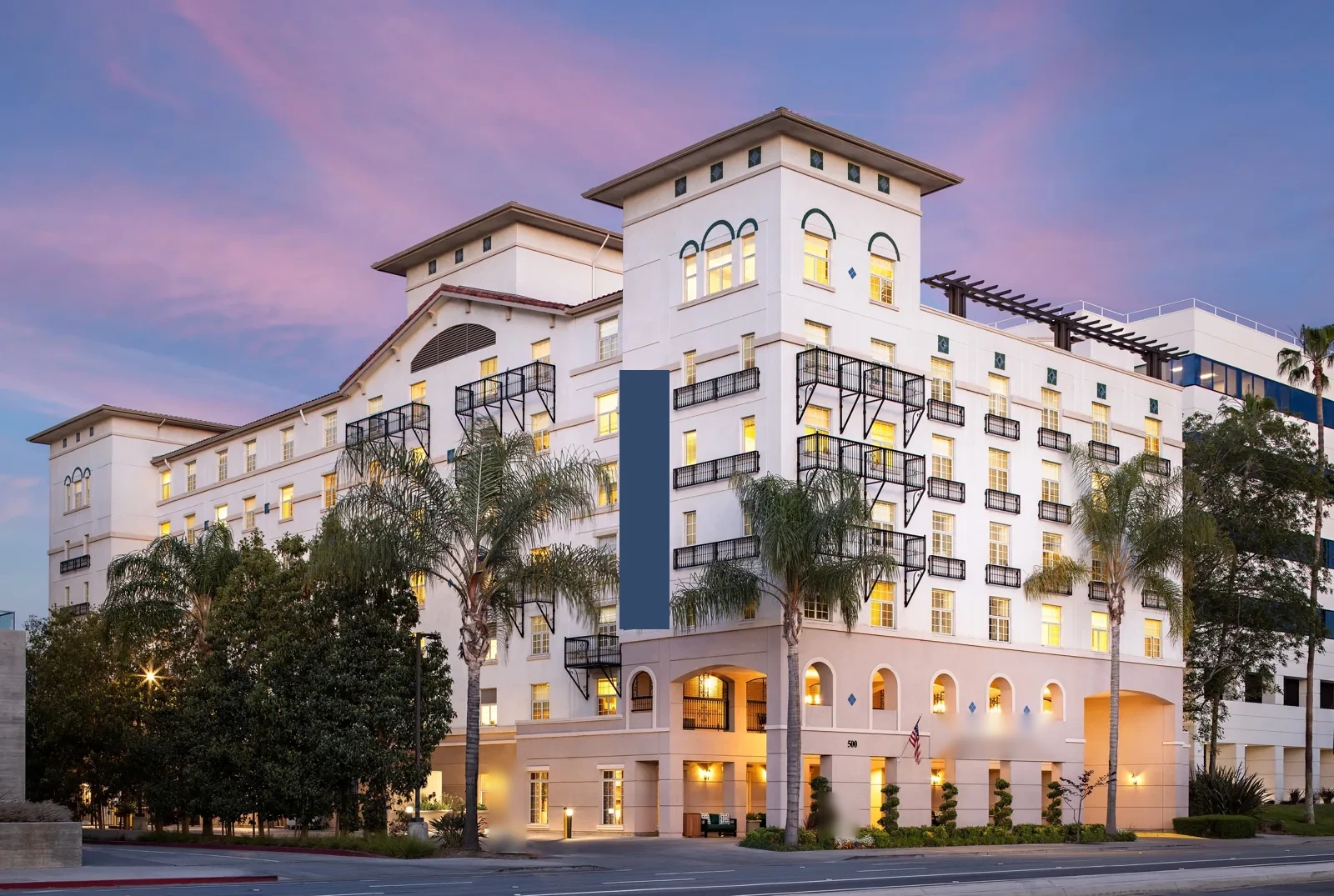
A drip above a vehicle display can interrupt sales and damage inventory before staff know which roof section is open. Auto dealership roofing in Victoria needs a clear map of showroom, service bays, parts storage, offices, and vehicle routes. HVAC curbs, exhaust penetrations, skylights, and wide roof seams create different inspection points. We connect the interior report to those details, plan protection for vehicles and equipment, and coordinate roof access with the dealer’s operating schedule.
Auto Dealership Roofing
Record the affected room or bay, where vehicles are parked, and when the leak appeared. A stain near a service lift may come from a curb or seam farther up the roof. We compare the work order with roof plans and inspect the likely entry details before opening the deck. A commercial roof inspection gives the service manager photographs labeled by section and a record to retain with maintenance history.
Confirm showroom hours, technician shifts, parts deliveries, wash or detailing areas, and where vehicles can be moved. A lift or material pallet can block a service drive even when the roof task is small. Identify fire exits, customer entrances, and the route for emergency vehicles. We agree on a staging area and explain which bays or display zones need to remain clear while roofing work proceeds.
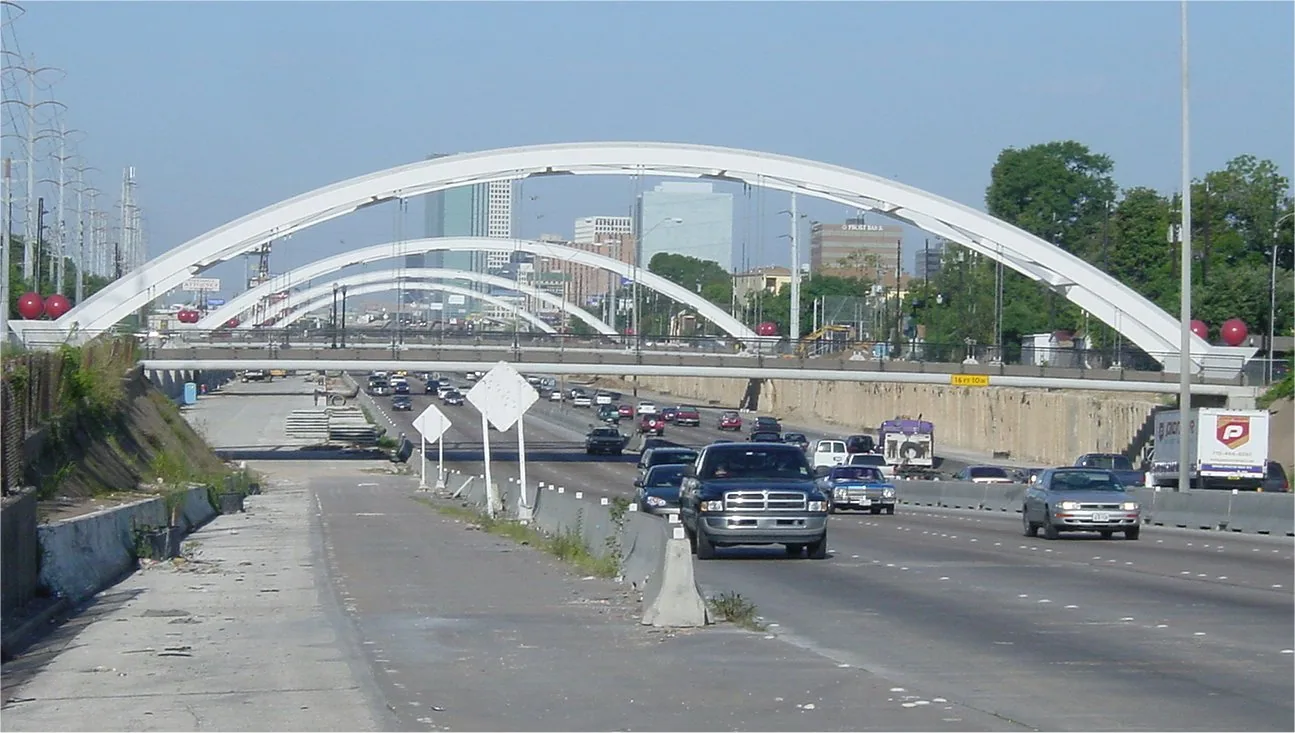
Victoria’s commercial corridors connect retail areas with industrial, airport, and freight sites. The City identifies Business US 59 as an established retail concentration and the Houston Highway segment for corridor planning. That broader context can help with regional dispatch planning, but it does not establish access at a particular dealership. We confirm current site circulation, roof access, and receiving restrictions with the property contact. The Business US 59 and Houston Highway corridor is one recognized local service area.
Mark vehicles, bays, and service routes
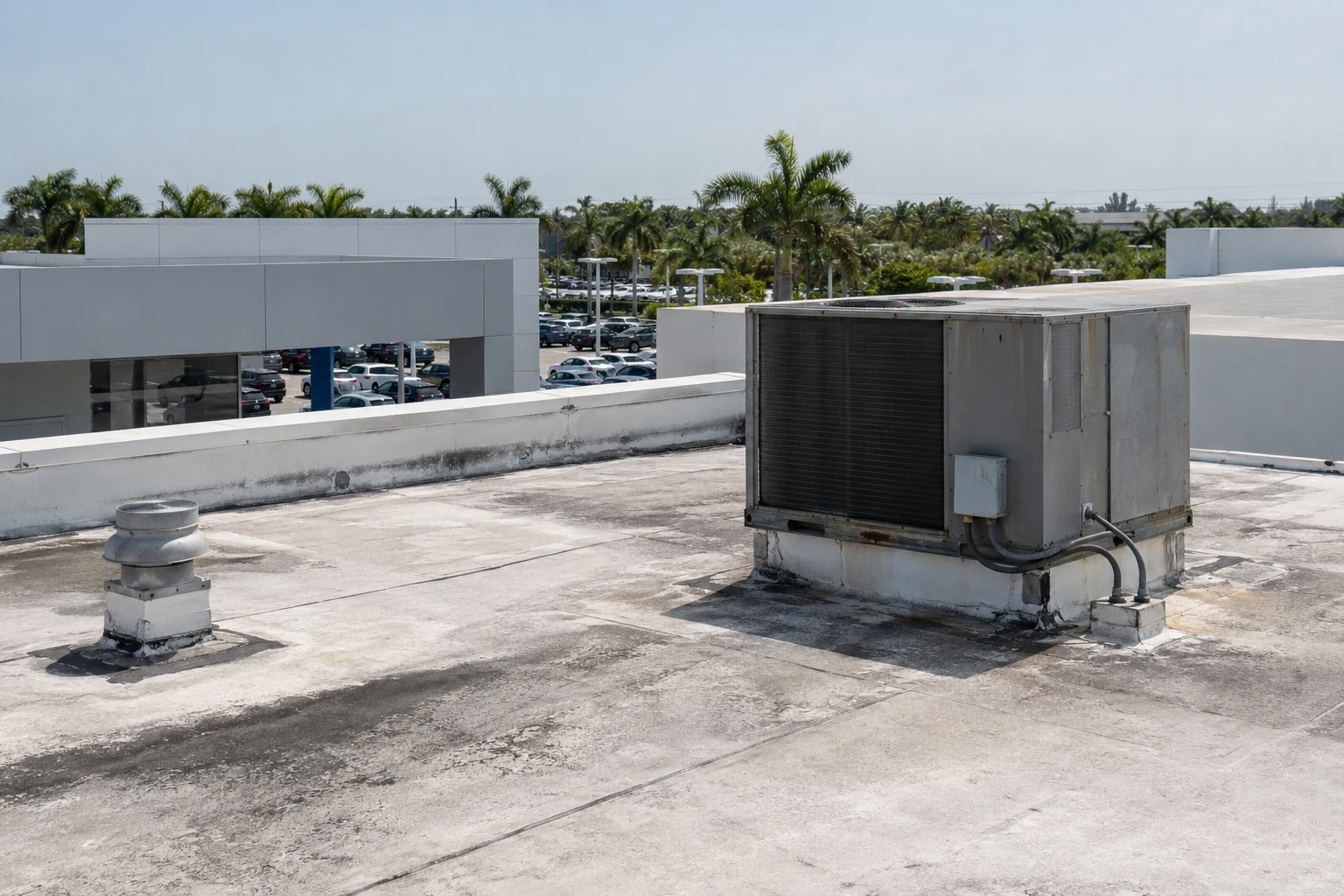
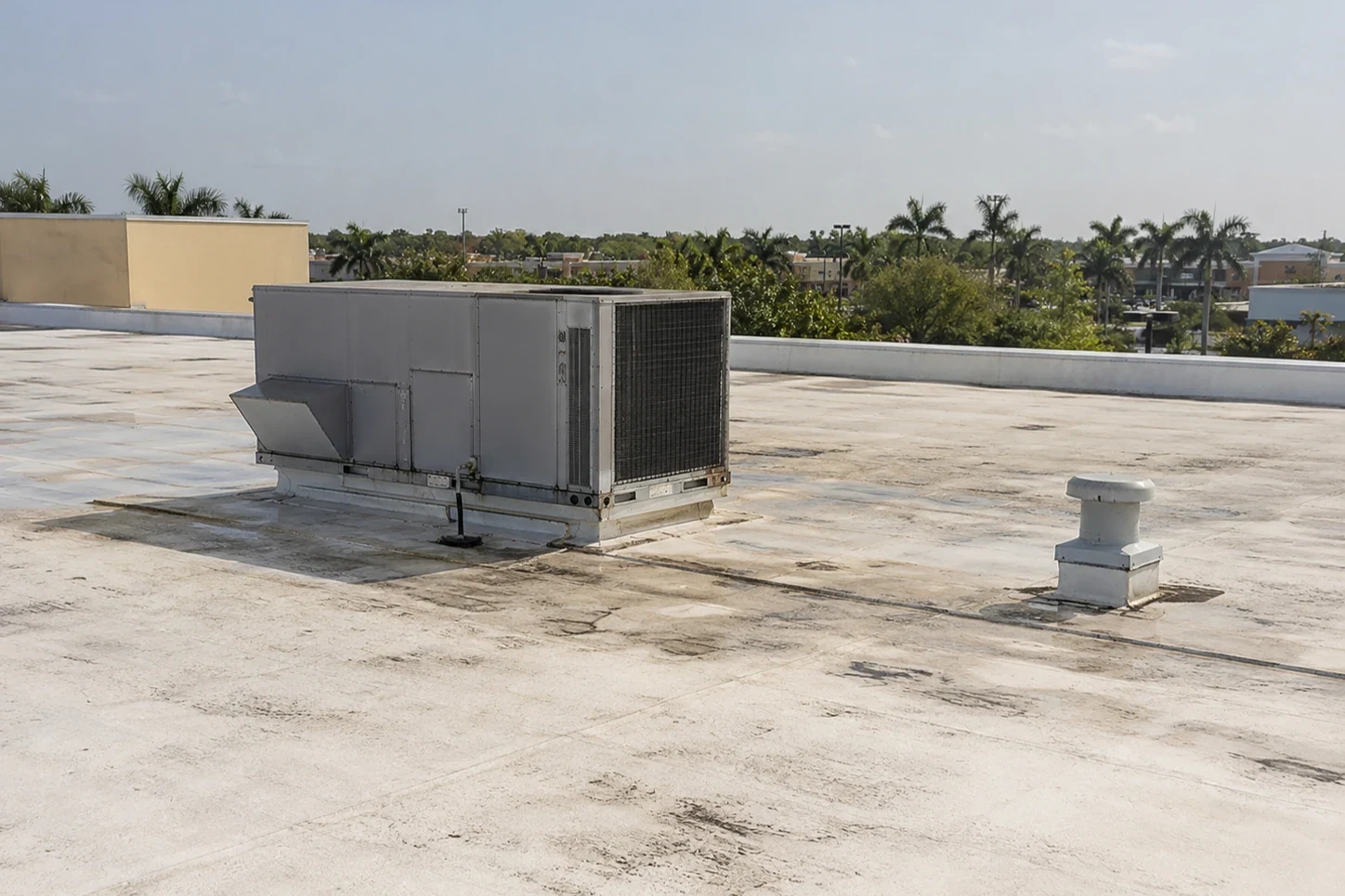
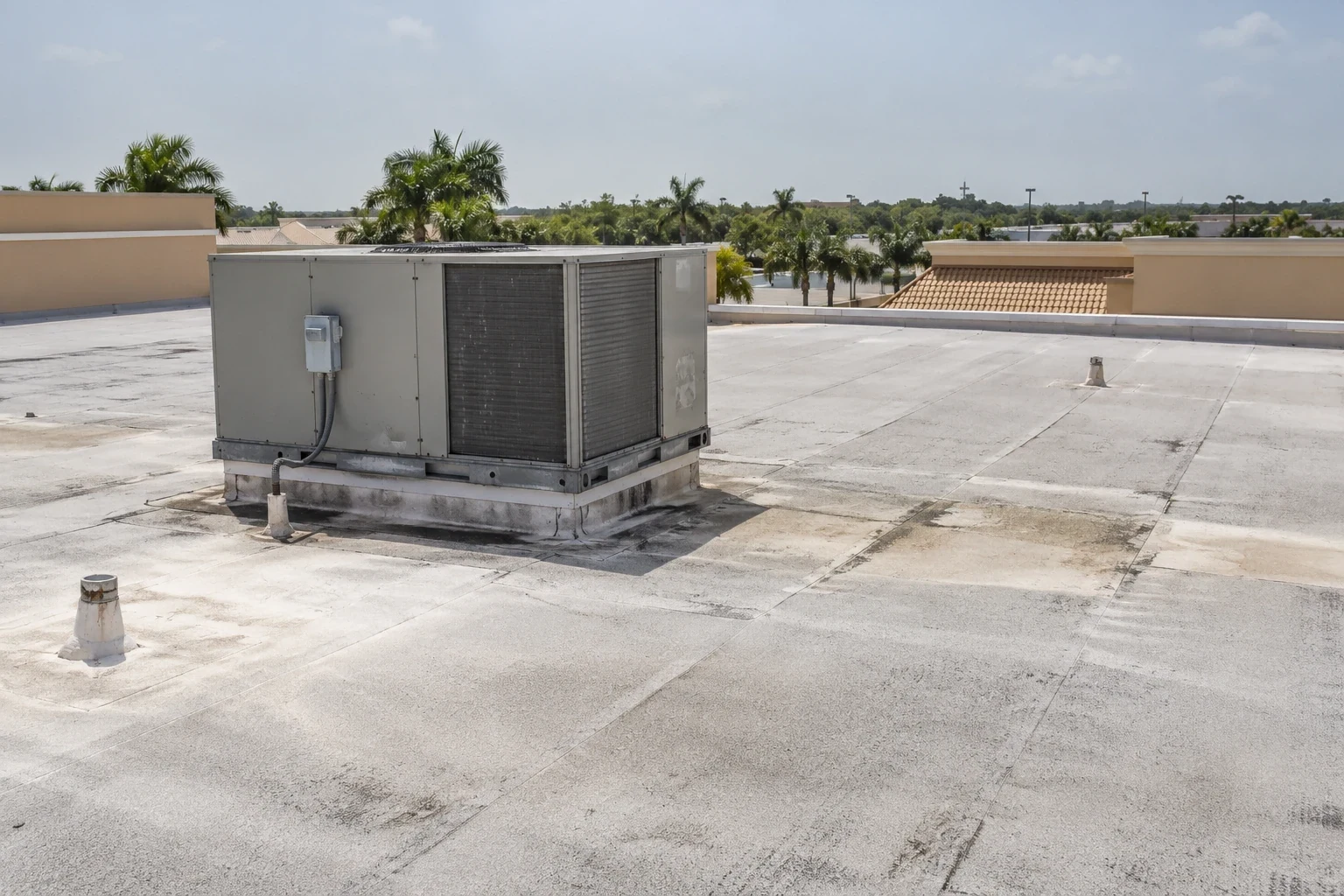
Walk the roof by section and check seams, drains, skylights, perimeter metal, and every curb. Dealerships often have air-conditioning equipment over showrooms and exhaust or ventilation systems near service spaces. Check flashing corners for separation and support feet for movement that could abrade the membrane. Photograph a broad reference view and a close detail so the manager can relate the repair to the area below.
Roof drainage can affect several departments at once. Inspect drain bowls, strainers, overflows, and the membrane surrounding each connection. A blocked outlet may leave water near a skylight or seam; a damaged flange can leak after surface debris is removed. We determine whether the work calls for cleaning, a connection repair, or a wider drainage review. The scope should record each outlet and any condition requiring a follow-up test.
Victoria’s hot summers and storm exposure make post-weather roof checks useful. The city’s July climate record notes a normal high of 94 degrees and a record of 110. A Victoria County weather alert reported quarter-size hail and gusts reaching 60 mph. Inspect impact-prone skylights, metal edges, equipment screens, and membrane transitions after a storm, but record only damage visible at the property.
Inspect large roof fields and equipment bases
Before removing membrane or insulation, identify vehicles, lifts, diagnostic equipment, parts, and finished showroom surfaces below the active area. The dealer decides which vehicles move and whether a service bay can be paused. We mark the area requiring interior protection and keep debris controlled while the roof is open. A temporary cover can reduce exposure during an active leak, but the permanent repair needs a dry, sound substrate and a compatible tie-in.
Service bays may use exhaust extraction, compressed air, and electrical systems that should not be covered or interrupted without coordination. Tell the roofing crew where intakes and rooftop units serve the building, and identify who can authorize an equipment shutdown. Customer traffic and vehicle deliveries add separate timing constraints. The work sequence should specify when a drive aisle is occupied and when it returns to use.
When heat or rain changes conditions, close the roof opening before leaving and report any restriction still in place. Adhesives, welds, and coatings require suitable surface conditions. We monitor the actual roof, follow material instructions, and reschedule a tie-in when it cannot be completed reliably. Staff should know which display, bay, or parts area is affected until the work is inspected and the barriers are removed.
Keep cars and service equipment protected
A puncture, loose seam, or failed curb may be a local repair when the surrounding membrane and cover board are sound. We remove damaged material to a stable edge, prepare the substrate, and tie the repair into the roof system. A TPO membrane has a heat-welded seam, while a modified bitumen roof uses an asphaltic surface and different flashing approach. The inspection identifies what is installed before materials are chosen.
Repeated wet areas, broad attachment failure, moisture in insulation, or damaged deck can change the scope. We separate visible damage from untested areas and explain whether additional testing would change the repair boundary. A coating does not solve wet insulation, a failing deck, or an equipment curb that continues to move. If replacement is appropriate, compare removal, recover, and restoration choices with the current assembly and the dealership’s operating schedule in view.
Cost and timing depend on roof height, equipment density, staging, vehicle protection, material removal, and whether HVAC or exhaust systems must be isolated. Work over a showroom can require a different interior protection plan from work above a service bay. A big-box retail roof also has inventory and loading concerns; a shopping center adds tenant and shared-access coordination. The dealer’s own route and service calendar shape the scope.
Select a repair that suits the assembly
Closeout photographs identify the repaired seam, flashing, drain, or equipment base and show the surrounding roof section. The facilities contact receives materials used, any unit isolated, the vehicle or bay area affected, and any open item. If another trade must correct a support or mechanical issue, identify the interface and assign the follow-up instead of treating a roof patch as a complete equipment repair.
Keep roof drawings, skylight and HVAC changes, leak reports, and past repair boundaries together. A maintenance visit can check drains, curbs, exposed metal, and previous patches before the next storm season. New signs, antennas, or units should have a documented flashing detail and a contact responsible for restoring the membrane after service.
Share the dealership address, affected bay or sales area, roof records, access hours, and any vehicle protection requirement when requesting help. We will inspect the relevant assembly, coordinate the work boundary with dealership staff, and provide a photo record with repair limits. Emergency service is available around the clock when water is actively entering and immediate protection is needed.
Record the roof work for future service
Related Roofing Work
Frequently Asked Questions
Can roof repairs happen above an active service bay?
Sometimes, if the bay, equipment, and roof access can be protected. We coordinate the work zone and any shutdown with the service manager before setting the repair window.
What should we do with cars under a leak?
The dealer moves or covers vehicles and equipment according to the interior protection plan. We inspect above the affected bay and document whether the leak source is confirmed or still needs testing.
Can hail damage skylights or rooftop equipment?
Hail can affect exposed components, but a regional report does not confirm damage at a dealership. We inspect skylights, metal, equipment screens, attachments, and the membrane, then record observed conditions.
When does a localized repair become a larger project?
Widespread moisture, repeated seam failures, or deteriorated deck can expand the work beyond one patch. We document the boundary and compare options before enlarging the scope.
Share the building plan, leak location, service schedule, vehicle protection needs, and roof records. We will inspect seams, drains, equipment curbs, and edge details, then document the repair and any operating limits.
Call 555-555-5555 or email [email protected].