
Big-Box Retail Roofing in Victoria, TX
Property Types We Roof · Victoria, TX
Big-box retail roofing in Victoria plans around wide roof sections, loading areas, rooftop units, and store hours while protecting customers and inventory.
Next step
Request a Roof Assessment
Call
555-555-5555
A leak near a receiving bay may trace to a seam across the roof rather than a penetration over the dock. Big-box retail buildings often combine a wide roof field, large HVAC equipment, skylights, and busy loading zones. In Victoria, heat and storm exposure add timing and inspection needs. We map roof sections against sales, stock, and receiving areas, then plan repairs around store operations.
Big-Box Retail Roofing
Mark sales areas, stockroom, receiving, offices, coolers, rooftop access, and equipment on the plan. Ask store management where a leak affected inventory, electrical equipment, or customer access. A ceiling stain can appear away from the roof opening, especially over a broad deck. We compare the report with seams, drains, skylights, curbs, and perimeter details and identify which store zone sits below the work.
The City identifies north Navarro as a retail concentration that includes the regional mall and large shopping centers. Its mobility plan connects US 77/North Navarro with Loop 463 and Airline Road. These routes help orient delivery planning, but they do not establish the layout, tenant mix, roof system, or loading plan at a specific store. The property contact approves lift placement and material staging so receiving and customer parking remain usable.
The North Navarro Street Retail Corridor is a broad retail area in Victoria. A roof scope there should still name the assigned building and roof section instead of treating an entire corridor as one site. We record stockroom or sales-floor protection separately when those spaces have different operating requirements.
Map sales floor, stockroom, and loading zones
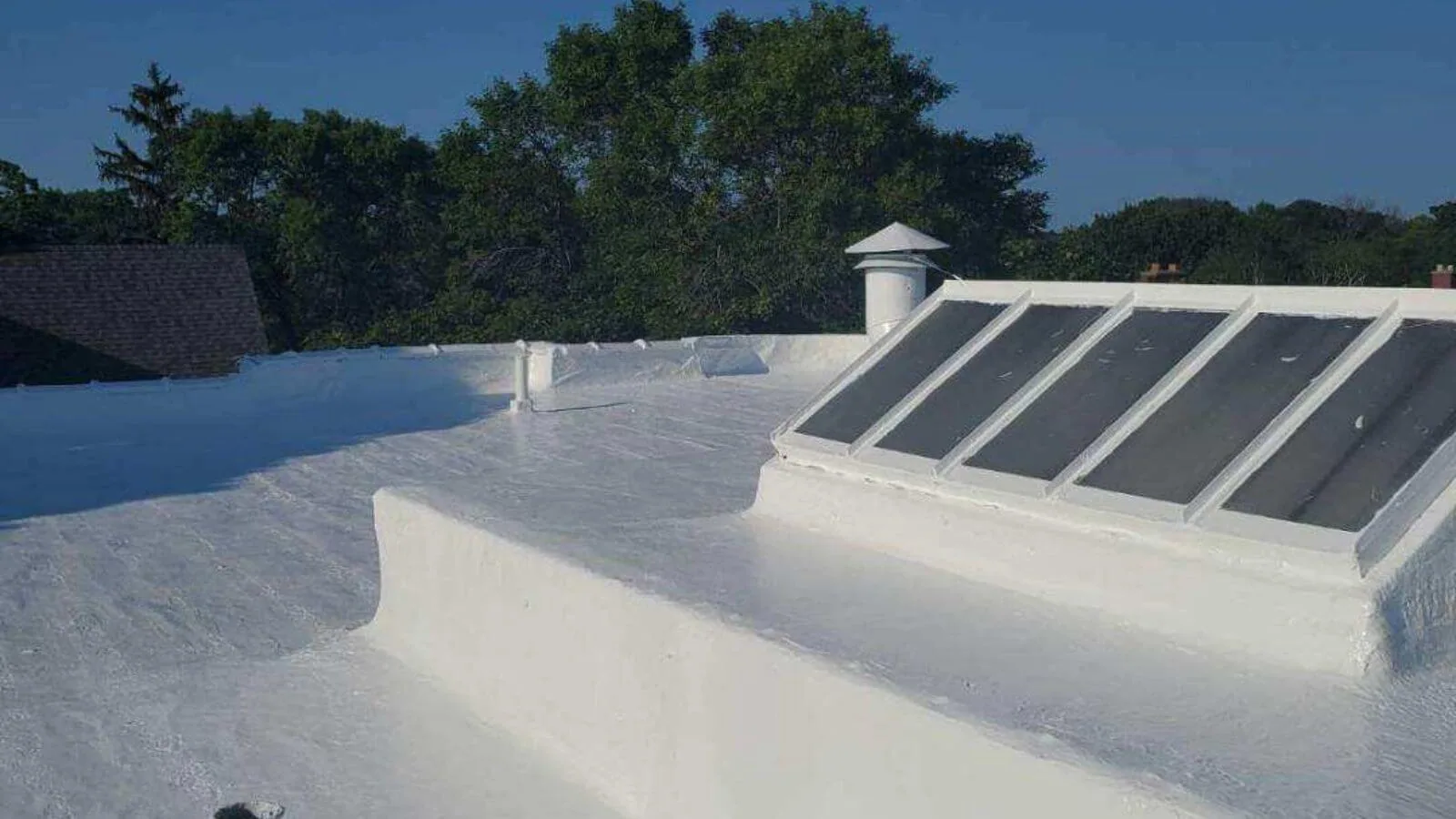
Large roofs can conceal several construction phases. Inspect membrane seams, expansion joints, patches, penetrations, skylights, and drains by section. Note any change in insulation height or attachment at an addition. A roof inspection can relate field photographs to the interior map and distinguish visible defects from prior maintenance.
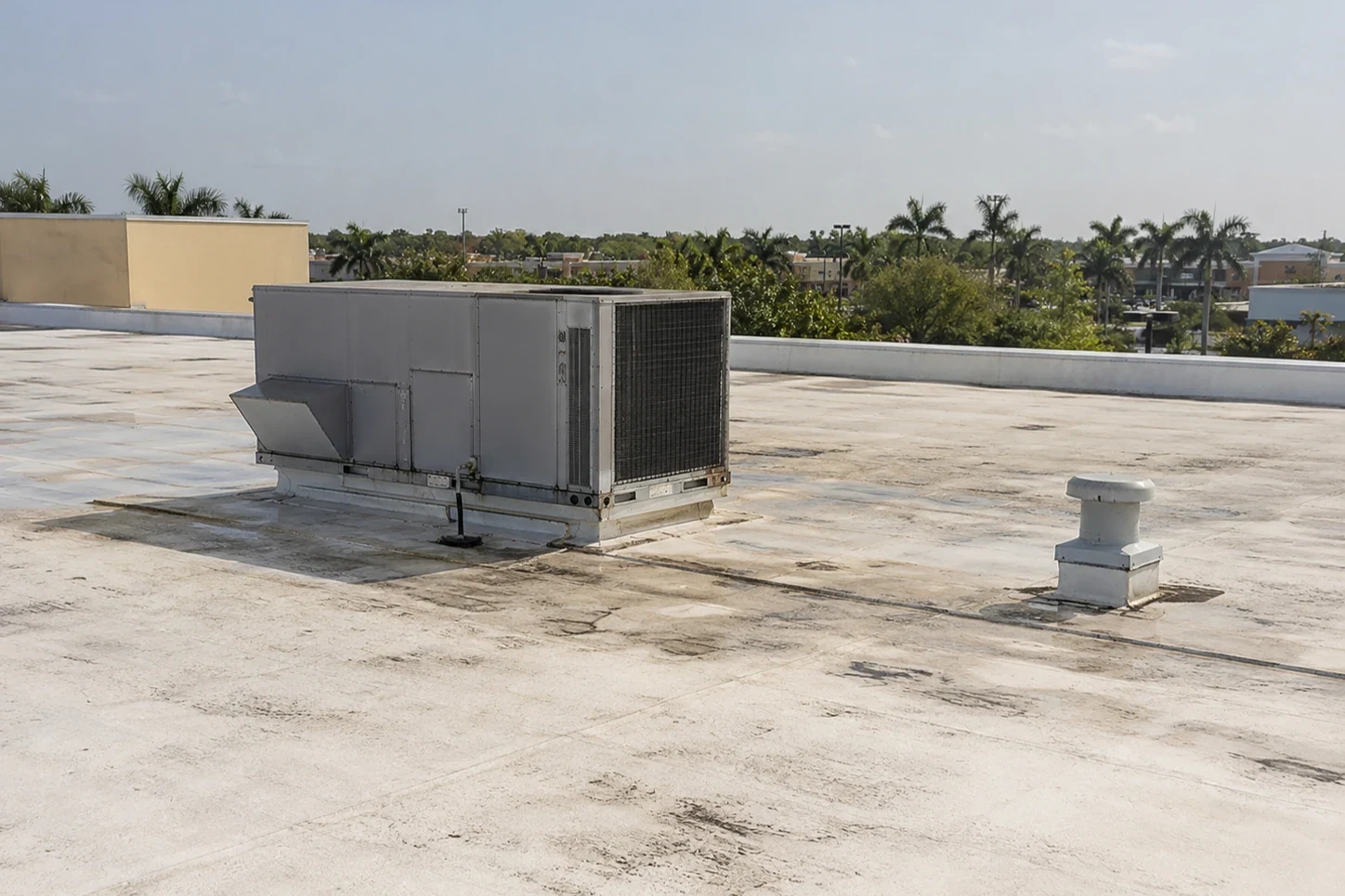
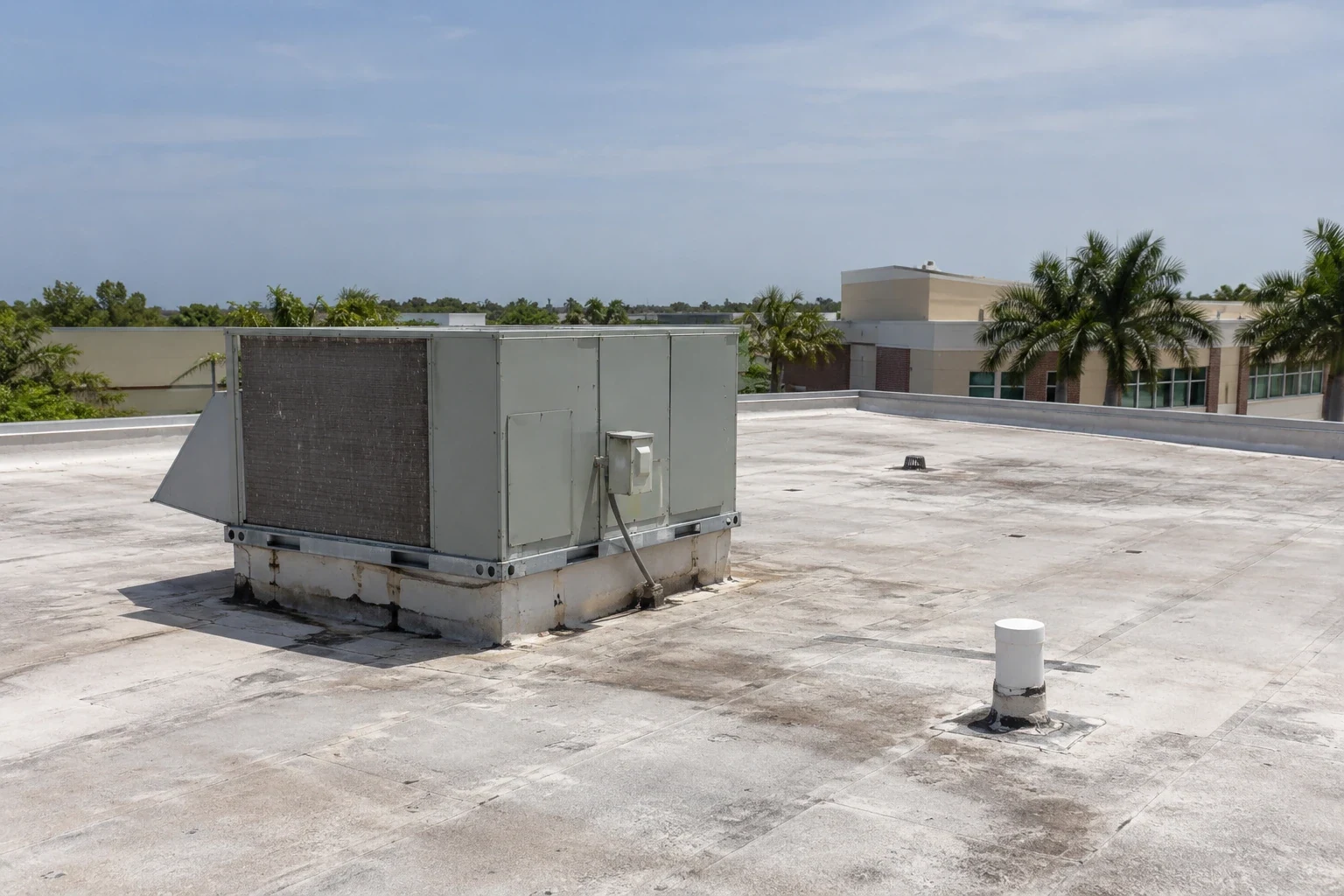
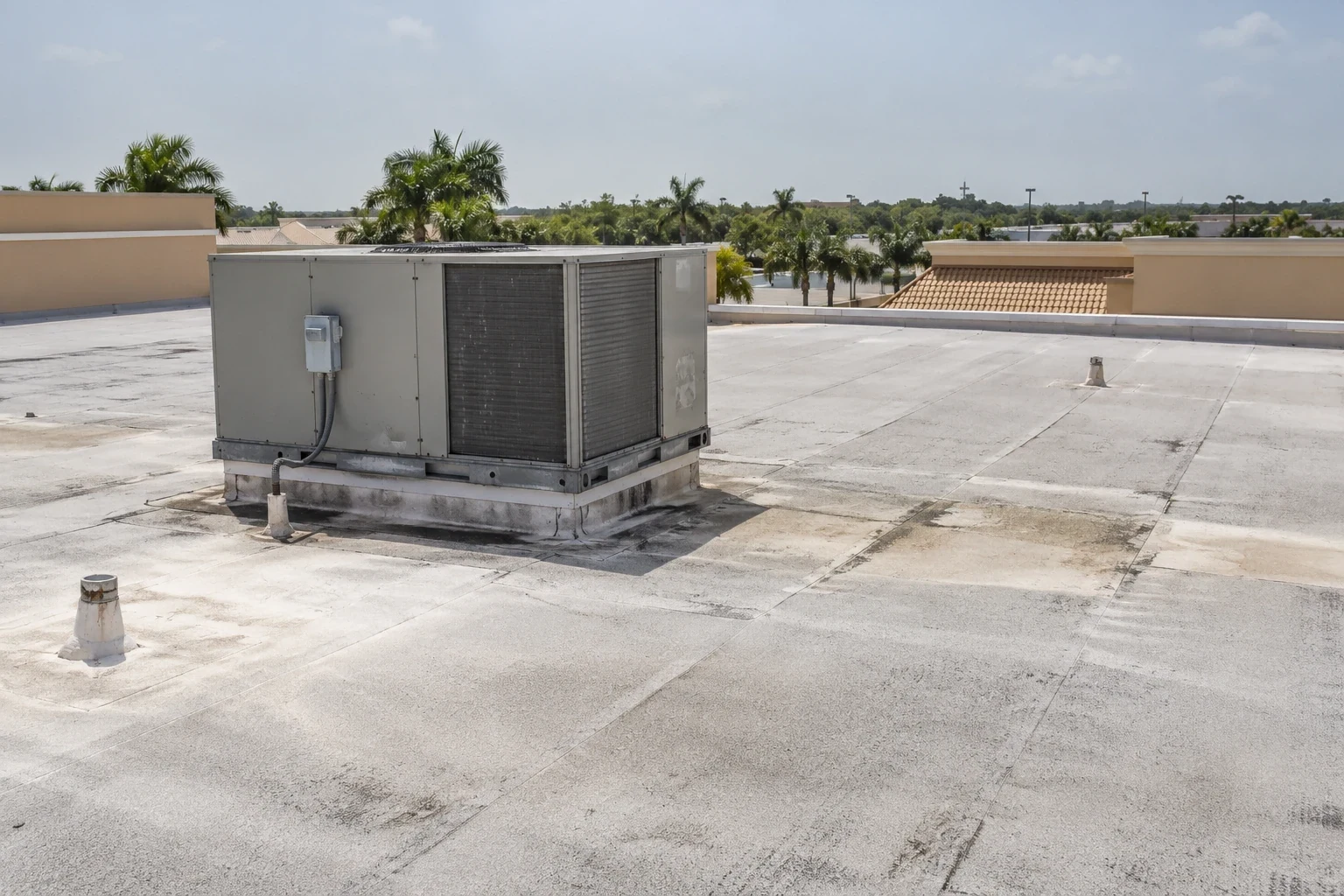
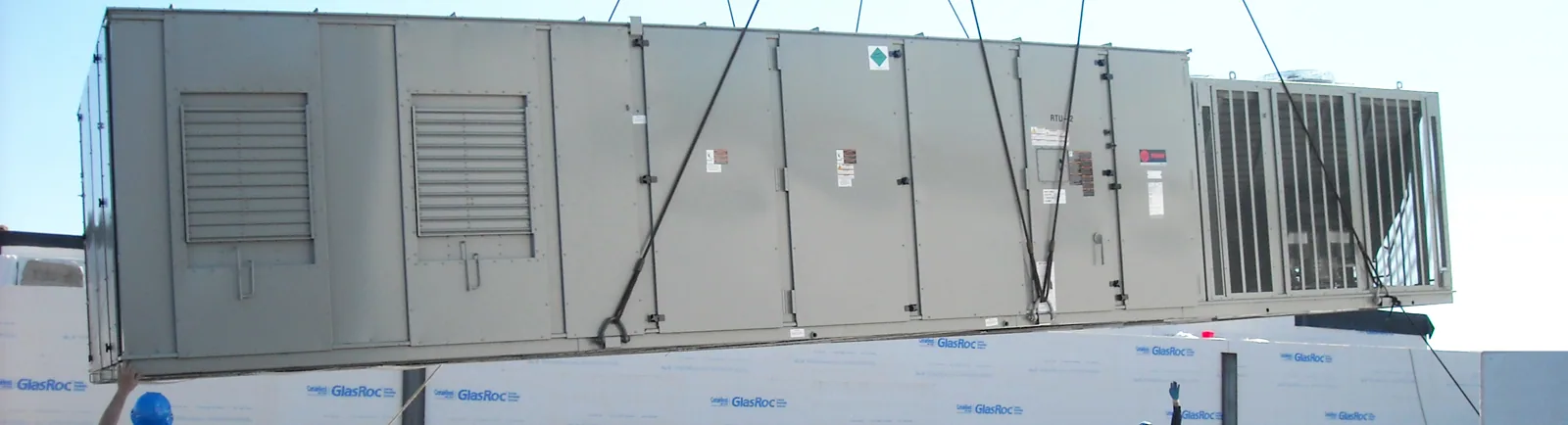
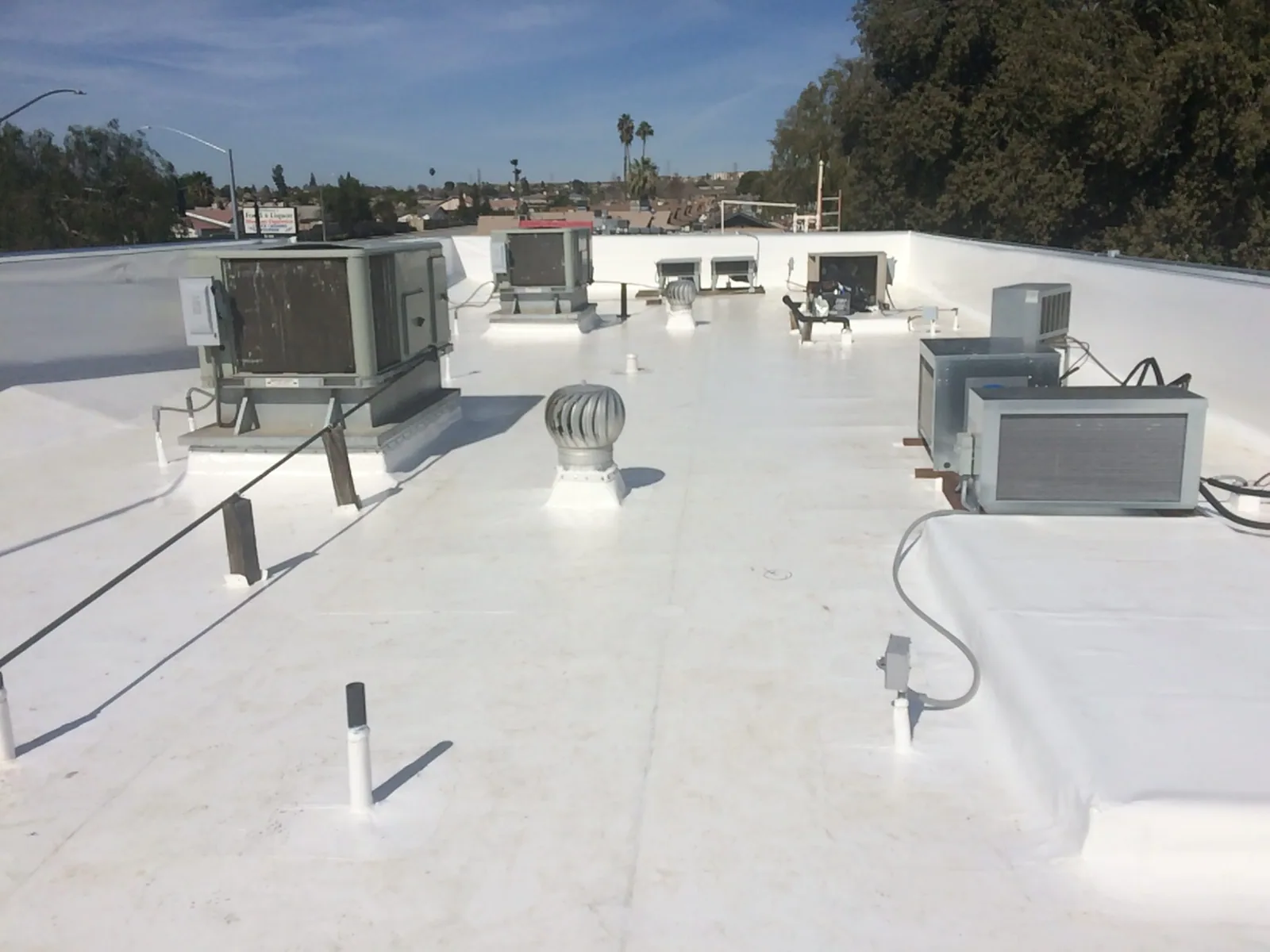
Package units and exhaust fans create repeated curb details. Check flashing corners, support feet, service paths, and condensate routes. A unit that needs repair or movement should be coordinated with the HVAC contractor before roofing work opens the curb. A curb and support check can identify an interface that continues to move.
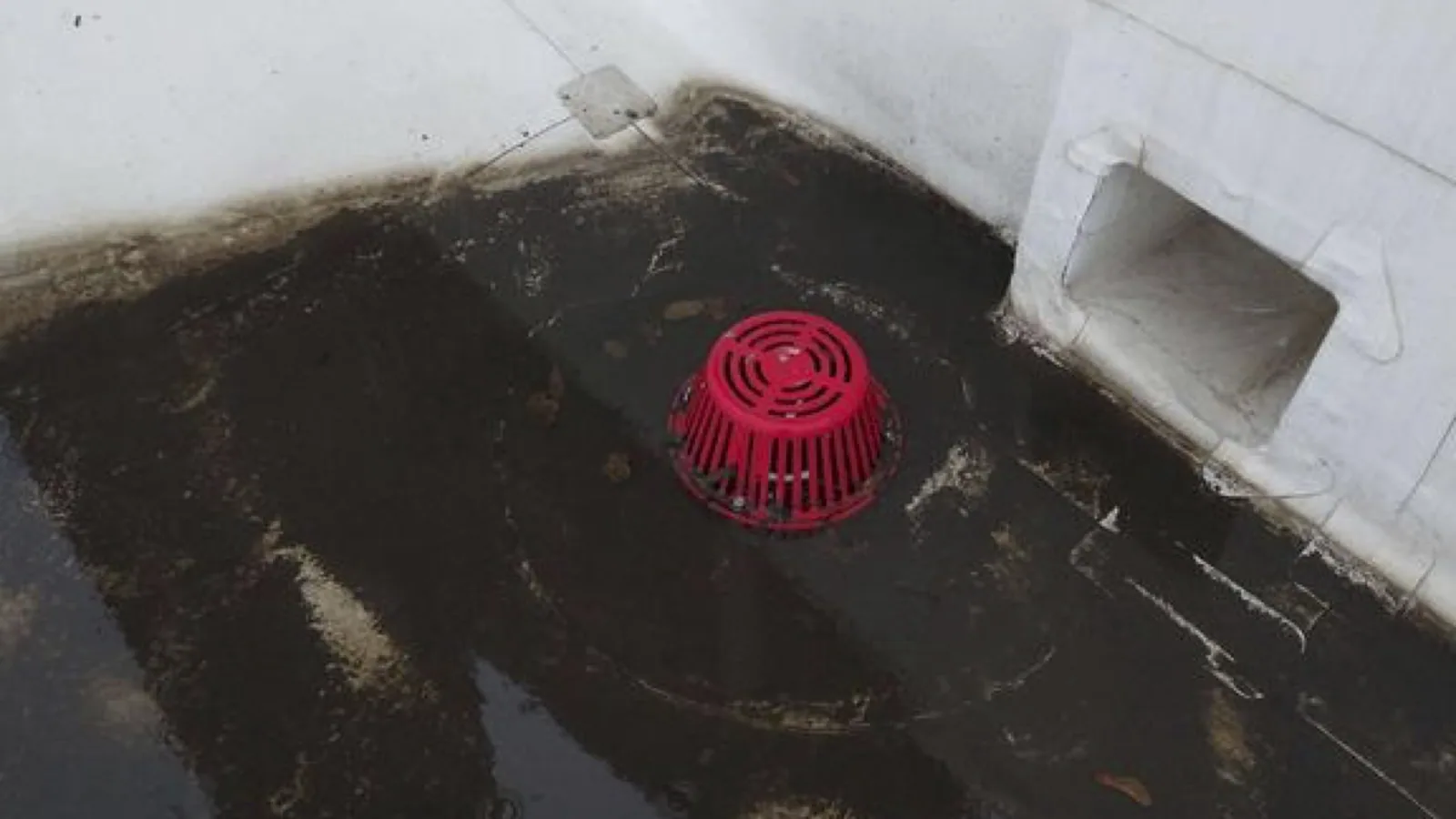
Drain bowls, scuppers, and overflow routes serve a broad surface and may affect multiple store areas. The drain evaluation identifies debris, damaged connections, and low points separately. Keep tools and removed material out of the drain path through cleanup.
Inspect roof fields, drains, and equipment

Before repairs begin, identify inventory below the roof, floor coverings, customer paths, point-of-sale equipment, and areas where lifts or barriers could affect access. The store manager confirms which aisles or entrances can be restricted and who can authorize after-hours work. If an interior ceiling must be opened, schedule that work with the store and keep the roof and interior scopes connected.
A reroof can proceed by sections where the building and weather protection permit. A phased reroof schedule can define loading access, daily closure, and which store areas sit below an active roof zone. Keep fire exits and delivery routes clear and provide a contact for staff to report a change.
Victoria’s summer heat can leave a broad roof surface hot well into the day. We check actual conditions against the selected repair material and state what remains protected if heat or rain shifts the sequence.
Protect merchandise and customer routes
Verify whether the store roof is TPO, PVC, EPDM, built-up, modified bitumen, or metal before choosing a patch or replacement material. Each system has a different seam and flashing method. If moisture, widespread attachment loss, or deck damage extends beyond the visible opening, a surface repair may not resolve the condition. Record the repair limit and any area requiring a test.
For a multi-tenant center, compare shopping center roofing, where connected storefronts and tenant access shape the work. A warehouse roof plan may share loading and storage areas but often follows a different customer-access pattern. Big-box work should account for larger uninterrupted spans and the store’s receiving schedule.
At perimeter walls, roof transitions, and canopies, confirm edge metal, flashing, and clearance after any new insulation is installed. A new layer may alter how water reaches the gutter or change curb height. Review those elevations before materials arrive.
Select repair or replacement for the installed roof
One Victoria County alert described large hail alongside strong gusts. After a local alert, inspect skylights, metal edges, equipment screens, drains, and membrane seams for visible impact. Regional weather does not prove damage to a particular store. A storm roof assessment can record observed conditions and separate them from previous repairs.
When an active leak affects inventory, the store identifies what must be moved or protected while the roof route is checked. Temporary materials should not obstruct drains or create a customer hazard at the perimeter. Tell management which area remains under protection and when the next inspection will occur.
Big-box facilities may have delivery activity early or late in the day. Coordinate lift setup and material staging with the receiving lead, and keep emergency lanes open even when roof work is paused. The property’s current safety plan governs where equipment can stand.
Check exposed equipment after wind and hail
Closeout photos should identify roof section, repair, and the store area below. Retain system information, prior repairs, drain locations, and changes to HVAC or skylights. A maintenance visit can revisit seams and equipment curbs before a reported leak returns. After a tenant or department change, update the interior reference so facilities can locate protection needs.
When a new cooler, exhaust, sign, or antenna is installed, coordinate the roof penetration and flashing. Keep the authorized trade responsible for restoring the membrane and document who will inspect the finished detail. Equipment service paths should remain clear of repaired seams.
For a big-box retailer in Victoria, provide building plans, affected aisle or stockroom, receiving schedule, roof history, and access details. We will trace the leak path, coordinate inventory protection, and define the repair or replacement work by roof section.
Keep roof and store plans aligned
At closeout, confirm repairs, drains, equipment paths, entrances, and receiving access. The manager receives photos, materials used, restrictions lifted, and any open item. If a section remains excluded or under temporary protection, identify the next action and responsible contact.
For Victoria service, share the store operating schedule and any inventory areas that need extra protection. We will coordinate roof access, tell the property contact which sections are active, and document what the crew repaired or could not verify.
If several stores share an owner, retain separate building and roof records. The same retail brand does not mean identical construction or maintenance history; confirm each facility before applying a prior detail.
Return the store with a clear handoff
Related Roofing Work
Frequently Asked Questions
Can you repair a big-box roof while the store stays open?
Often, with a protected work area, approved lift location, and coordination with store management. Some entrances or aisles may need a temporary restriction.
How should we report a leak over merchandise?
Name the aisle or stock area, time, affected goods, and any interior protection. We compare that report with the roof plan and water paths.
Can you work around overnight receiving?
Yes, when the facility confirms delivery windows and staging boundaries. We coordinate lifts and material movement with the receiving lead.
Does a large roof need replacement if one aisle leaks?
Not necessarily. We locate the opening and inspect adjacent assembly before setting the repair boundary or discussing broader work.
What records should store facilities keep?
Keep the roof plan, prior repair photos, equipment changes, leak locations by store area, and details of any temporary protection.
Send building plans, affected store areas, roof history, receiving windows, and access rules. We will map the roof section and coordinate repairs around customers and inventory.
Call 555-555-5555 or email [email protected].