
Commercial Roofing in East Airline Road Corridor, TX
Service Areas · Victoria, TX
Commercial roofing on Victoria’s East Airline Road corridor, with building-specific inspections, repair planning, and access coordination.
Next step
Request a Roof Assessment
Call
555-555-5555
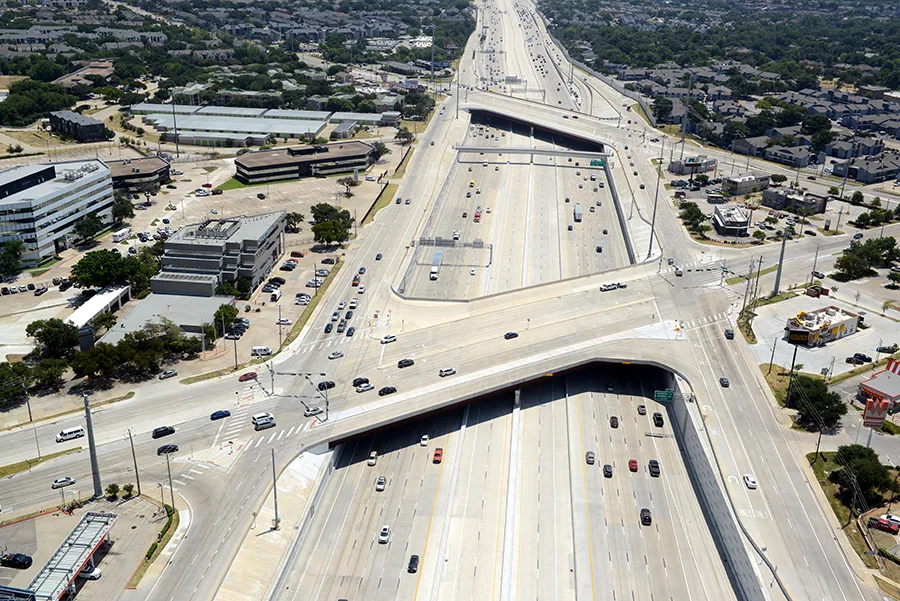
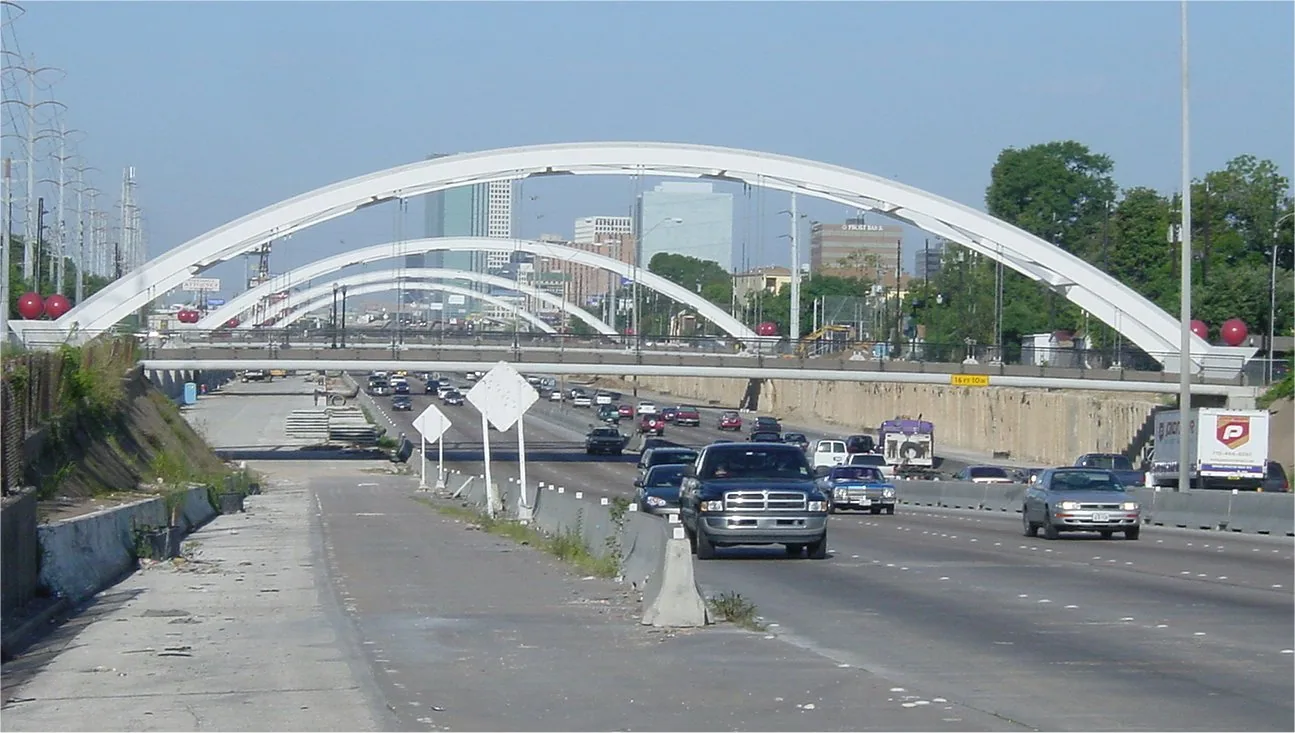
East Airline Road connects Victoria's Navarro Street and Laurent Street commercial corridors, creating a recognized road-based service area across more than one property. The City rehabilitated the road and tracks the Airline Road/Navarro Street intersection among higher-volume locations. Roofing work here must account for access and customer movement, but the scope still starts at the individual building. We verify the roof system, reported condition, access route, and property contact before inspection, repair, or replacement planning.
East Airline Road Corridor
A roof at one point on the corridor may have different ownership, construction, and access from the next building. The road links separate commercial concentrations, and each property may have its own tenants, entrances, maintenance records, and work hours. Identify the building and roof sections included in the request. A property manager can then confirm who authorizes access and where a crew can stage material without interfering with deliveries or public routes.
The Airline Road and Navarro Street intersection has been recorded as a higher-volume junction in city mobility planning, and the road connects the Navarro and Laurent commercial corridors. That context can help plan dispatch and a safe work zone, but exact parking, lift placement, and delivery procedures are property-specific. Roof calls in the North Navarro retail corridor and Business US 59 / Houston Highway need building-specific access and work plans.
Connect the Airline Road commercial areas
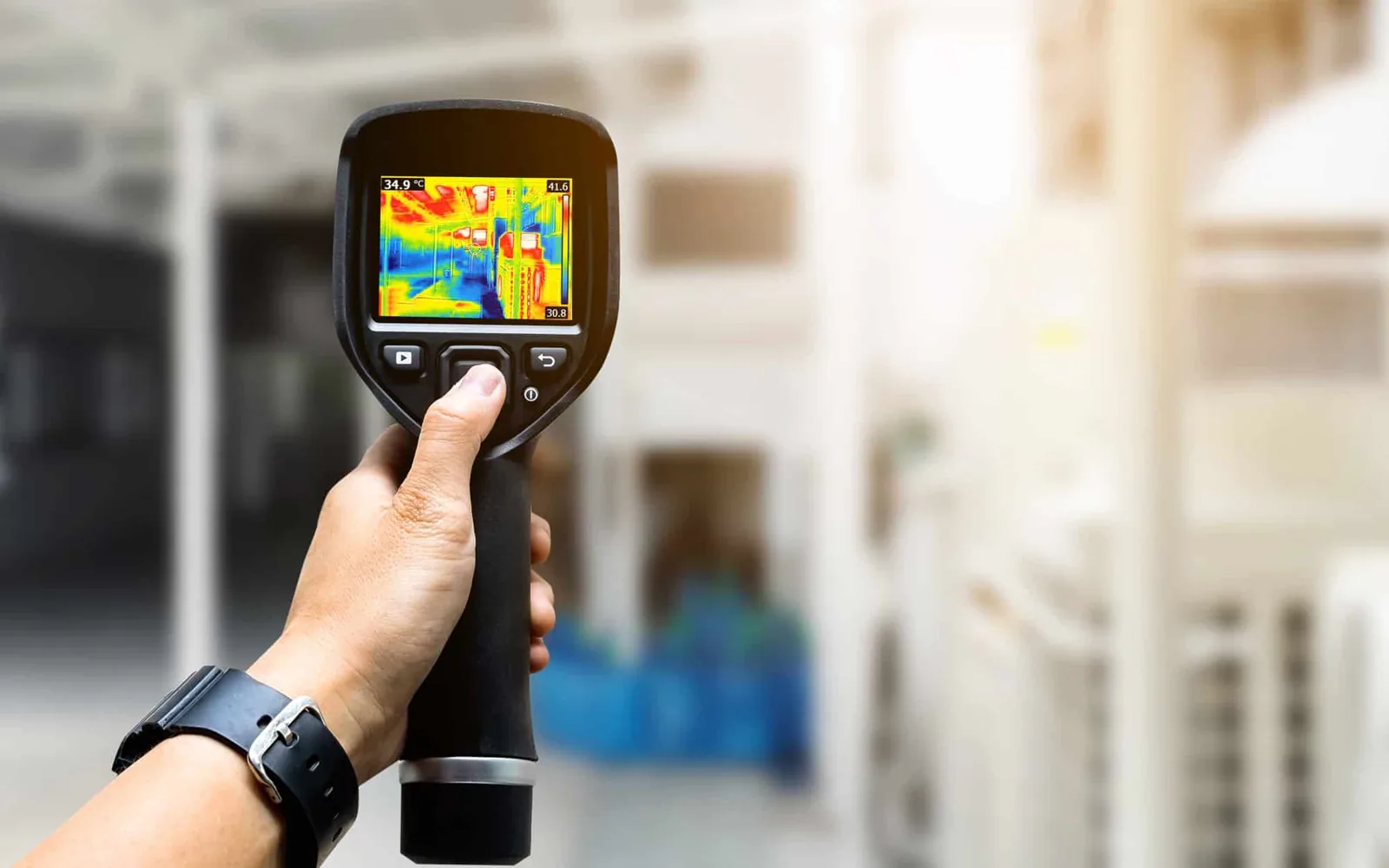
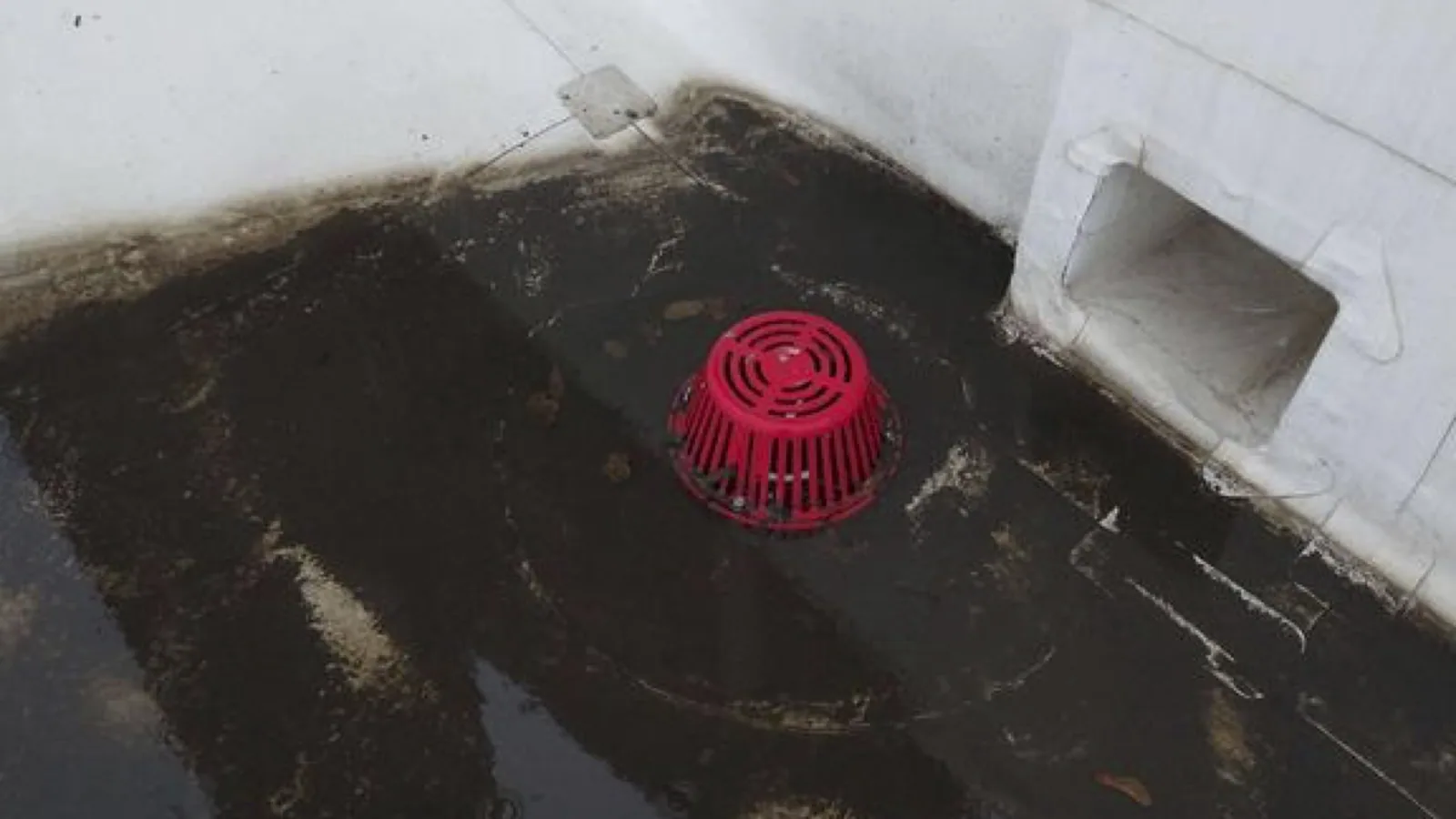
Trace a reported leak from the interior location to likely roof details. Inspect membrane seams, metal laps, wall transitions, curbs, pipes, drains, scuppers, edge metal, and previous patches around the affected section. Water can migrate before it appears indoors, so the nearest visible stain is not always the entry point. Use a roof plan or simple section labels to connect observations and photos. If several tenant spaces report separate leaks, keep their findings distinct until field evidence shows a shared source.
The roof walk should also identify conditions that affect access and repair planning. Check whether rooftop equipment blocks the path, whether an entry point needs an escort, and whether the space below requires protection. Record surface type and repair history where available. If an inspection is visual only, state that concealed layers were not confirmed. Where the roof has an addition or separate system, photograph the transition and avoid extending a repair across it without a compatibility review.
Inspect the actual roof section
A repair proposal needs a visible starting point and a defined stopping point. Name the affected roof section, preparation, compatible materials, closure detail, and any test that could change the quantity. If removal reveals wet insulation, corrosion, or a different assembly, stop at the approved limit and submit the measured change before continuing. This gives the property manager a chance to authorize added work and keeps the permanent repair separate from any temporary dry-in.
A roof inspection can document seams and transitions; leak repair treats a confirmed entry path; and drain work reviews outlets and overflow details. For roof-mounted equipment, curb and support scope addresses a separate interface. Show each item independently if the work requires different materials, access, testing, or authorization.
Set the authorized repair limit
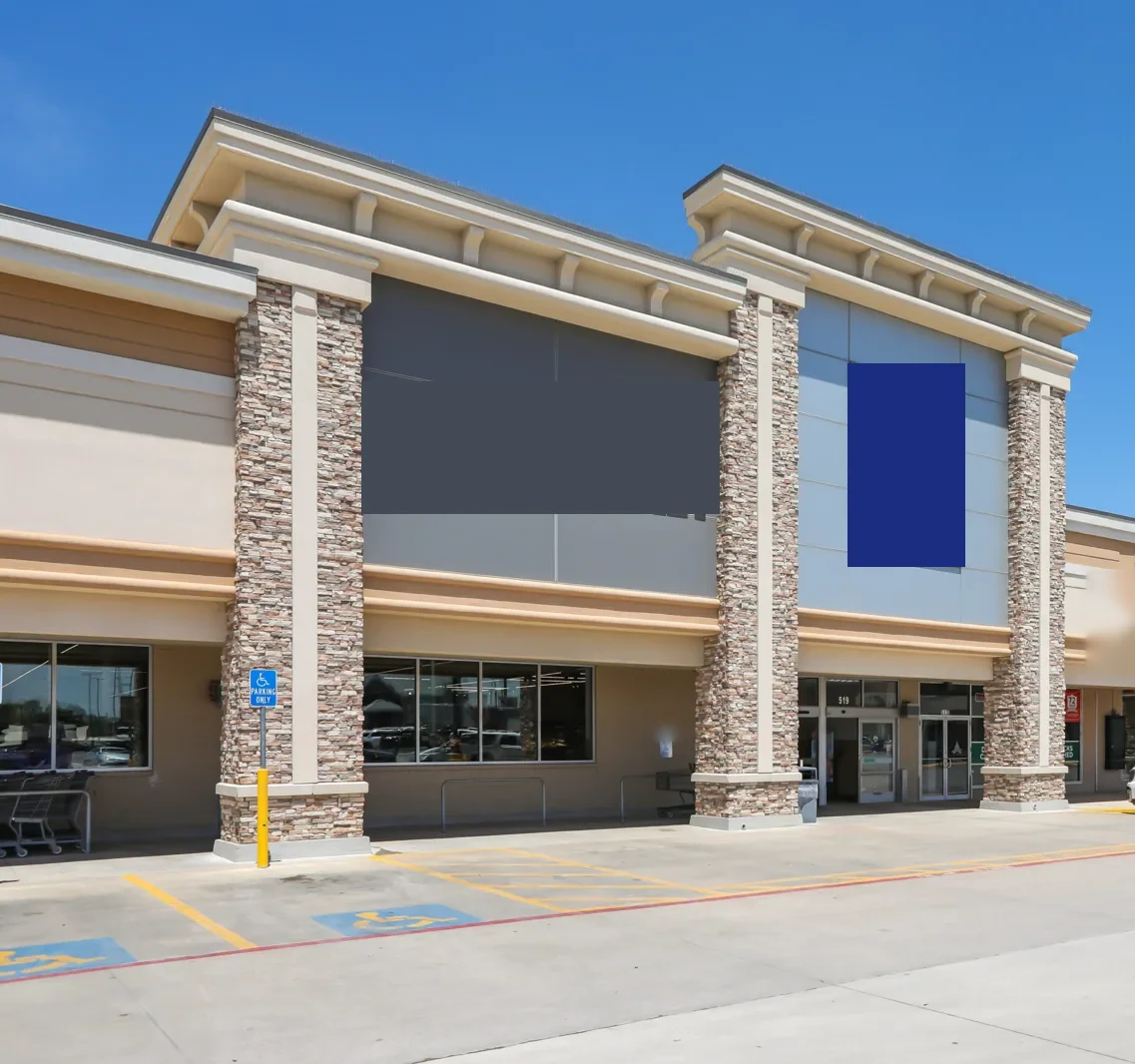
Road access and customer movement can change the work window. Confirm the property's entrance, loading route, lift location, barriers, and delivery hours with the owner or manager. Identify which pedestrian routes must remain open and how removed material will leave the site. If nearby businesses share a drive or parking area, confirm who controls it before staging. The roof plan should state the section completed each day and the closure needed before traffic resumes below.
Heat, wind, rain, and product instructions shape when membrane, metal, sealant, or coating work can proceed. Check actual surface conditions and the forecast, then choose a daily work boundary that can be secured. A maintenance visit can log recurring drainage and seam conditions. For broader work, a replacement scope should state access, material storage, public protection, staging, and each property's schedule separately.
The City has rehabilitated Airline Road, but the current driveway, lot layout, and loading access should still be confirmed with each property. Road work can change how visitors approach a business over time. Dispatch notes should name the correct entrance, roof contact, and work window rather than rely on a corridor landmark or an older routing instruction.
Plan safe access from the corridor
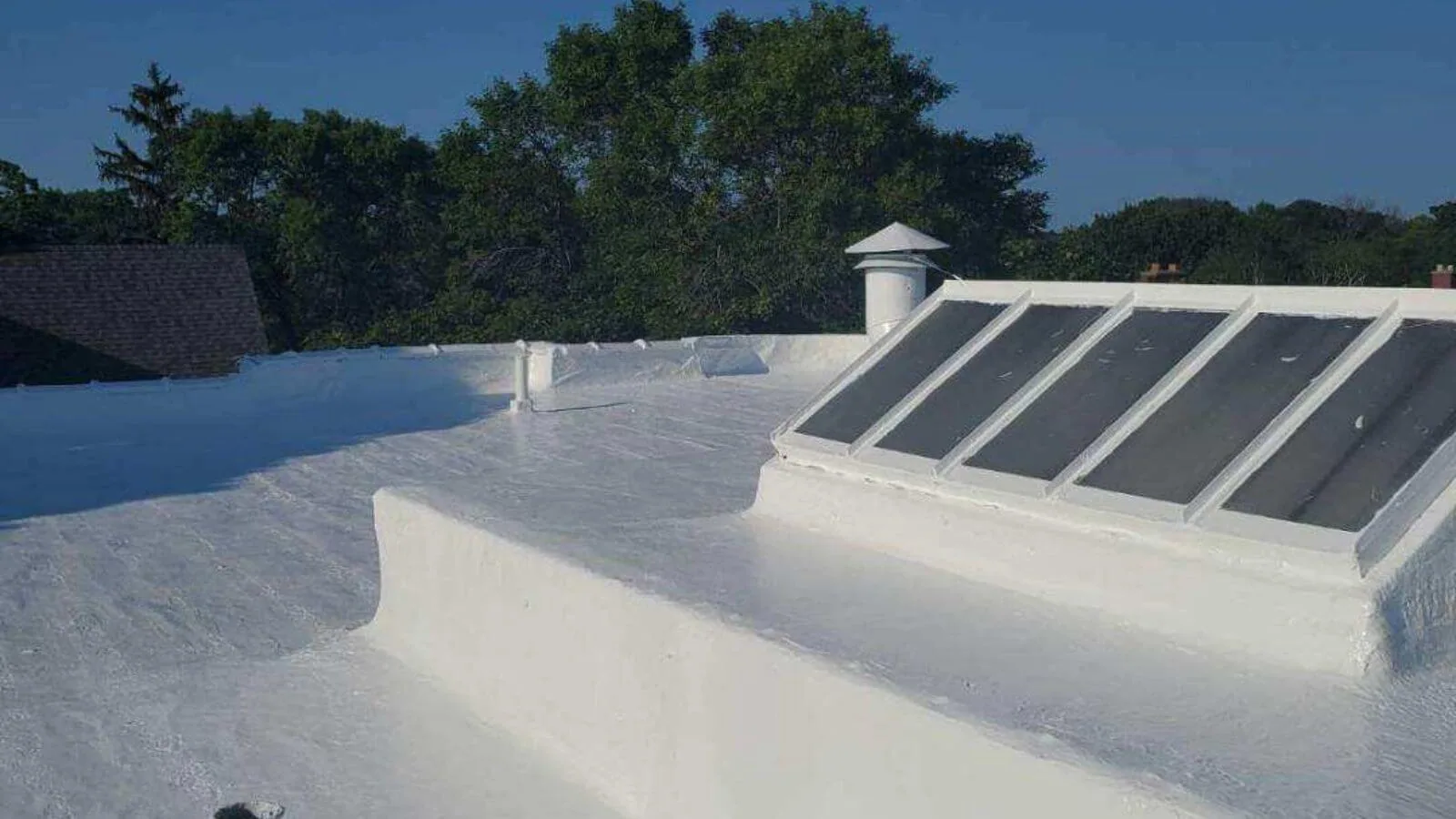
A bounded repair is supported when the defect is local and the surrounding material can accept a sound tie-in. Multiple leak calls, failed edges, broad deterioration, or signs of concealed moisture may justify more inspection or a replacement comparison. The report explains what the crew found and what remains unknown. Recover and coating choices require review of existing layers, attachment, drainage, edge details, and surface preparation before they are offered as a practical option.
For owners with buildings along more than one connected corridor, prioritize each roof by condition, access, business consequence, and confidence in the evidence. A common calendar can coordinate visits, but do not blend repair quantities or assume one roof is representative of the next. Record which property is complete, what remains open, and who owns the next step. This keeps the service route geographically useful while keeping work decisions grounded in each building.
A reliable decision record names the observation, the consequence of delay, and the evidence still needed. For a localized flashing defect, that may be a measured repair and post-work photo. A suspected wet area could require a test opening before replacement quantities are set. A blocked drain may need service and a later check after rainfall. Present those paths separately so the property owner can approve a defined action instead of accepting a broad allowance that combines unrelated roof conditions.
Compare options for each property
At closeout, record the property, roof section, observed assembly, repair limit, materials, photographs, drainage observations, date, and any condition outside authorization. Separate temporary measures from permanent work and list the follow-up needed. If access or weather prevented completion, describe the area left open and the protection in place. A future crew should be able to match the record to the same roof detail without relying on a tenant's informal name for the location.
To arrange an East Airline Road visit, share the business property, roof plan, leak or damage report, access contact, and operating hours. We will document the authorized roof area and explain whether the next step is repair, testing, routine maintenance, or a broader estimate. Roof calls in North Navarro Street and Business US 59 / Houston Highway need building-specific access and work plans.
For a corridor program, make sure each site record includes the municipality, property contact, roof access point, work date, and section label. Store the initial condition photos beside the closeout images and identify any gap between the approved quantity and completed work. If the same crew visits a neighboring property later, use its own scope and sign-off. A shared spreadsheet or schedule can coordinate dates, but the field record should always show which building received the repair and who accepted the work.
Close the work with a separate record
Related Roofing Work
Frequently Asked Questions
Does this service route cover one business?
No. It follows a broader road corridor connecting commercial areas; each work scope names the property.
Can a lift be staged from the road?
The property contact must confirm a safe, authorized staging and access location.
What should I send with a leak report?
Provide the business location, roof plan, leak area, access contact, and recent work history.
Does a historical traffic count set the current schedule?
No. Confirm present traffic, access, and delivery requirements with the site contact.
Can you handle neighboring properties in one mobilization?
Yes, when each owner or manager authorizes a distinct roof scope.
Share the property or building, roof plan, reported condition, access contact, and available repair records. We will inspect the authorized roof area and explain the evidence and next decision.
Call 555-555-5555 or email [email protected].