
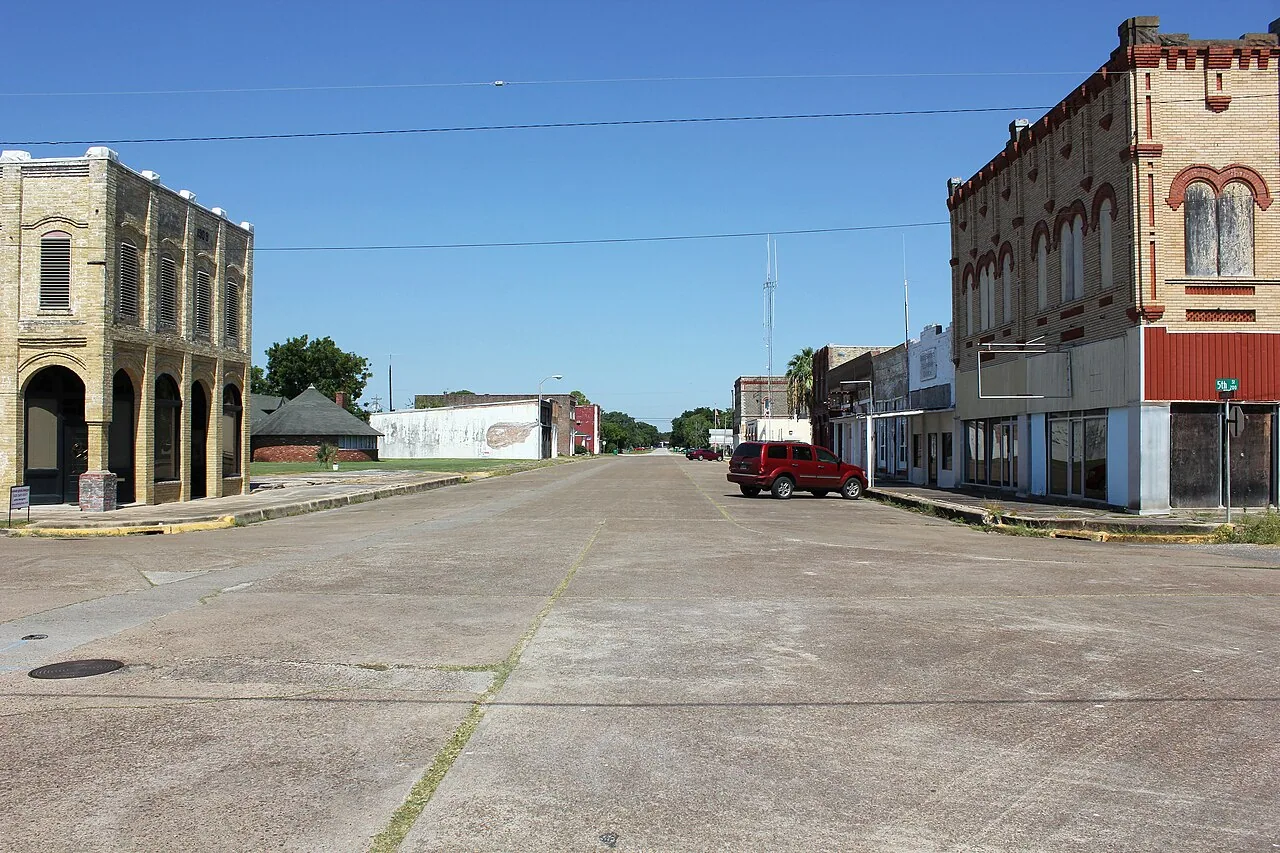
Commercial Roofing in Palacios, TX
Service Areas · Victoria, TX
Commercial roofing in Palacios, TX, with roof inspections, repairs, and property-specific coordination for local businesses and surrounding areas.
Next step
Request a Roof Assessment
Call
555-555-5555
Palacios is a municipality with published city-project, permitting, public-notice, and bid processes. A commercial roof request here should identify the property and roof sections in scope, with an owner or manager who can coordinate access and approve changes. We inspect the visible assembly, trace reported water entry, and prepare a repair or renewal path tied to field conditions. Where a project requires city review, the owner should confirm the applicable process before construction. The service area includes the city and surrounding commercial properties, not one municipal site.
Palacios
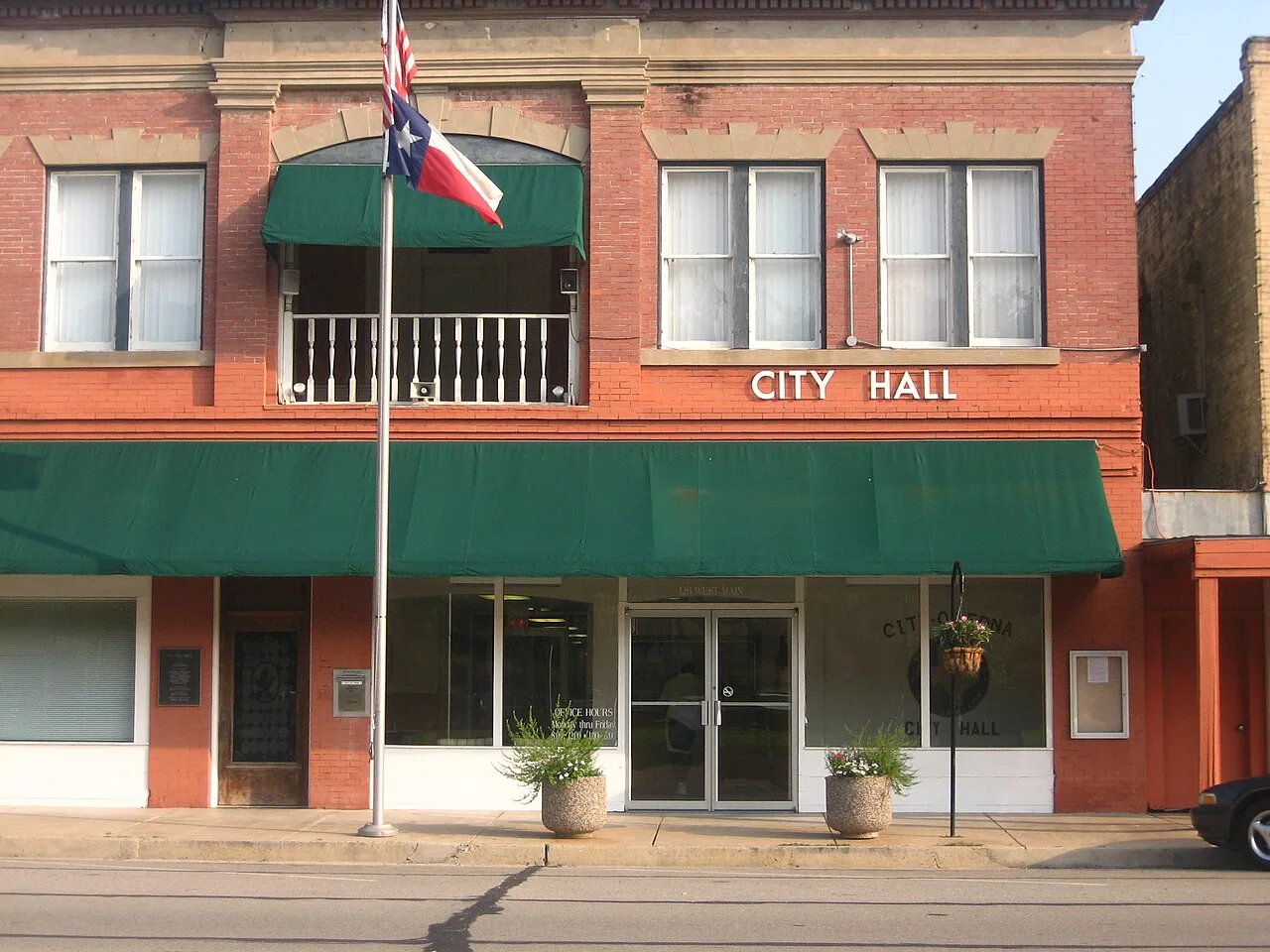
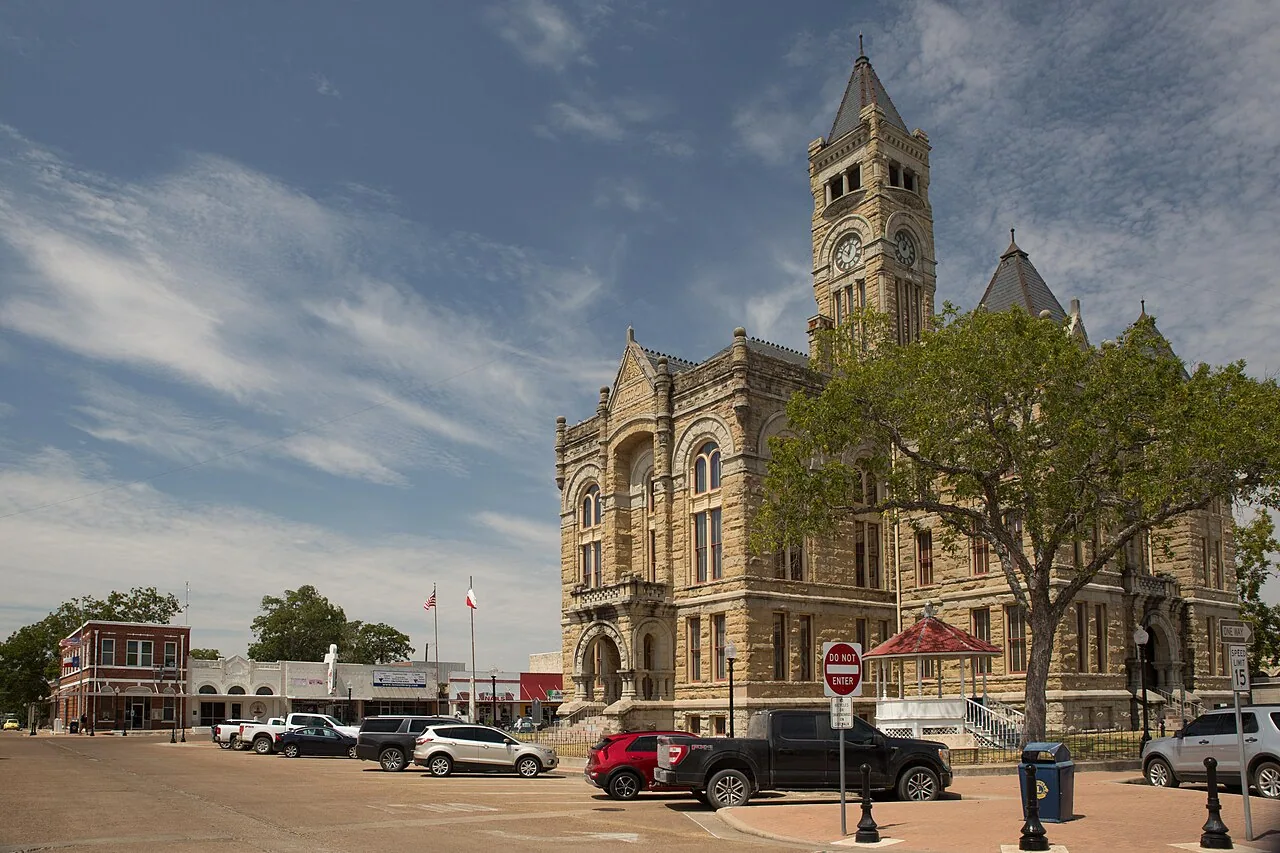
The City requires business registration and an occupancy permit for businesses operating within its limits, and it publishes contractor-registration requirements for commercial work. These requirements are project context, not roofing approval. Confirm applicable rules with the City and identify who will handle submissions before setting the schedule. A roofing proposal should state its own scope, materials, exclusions, access assumptions, and any owner-side permit dependency. It should not imply that a permit or occupancy review is included unless the contract assigns it.
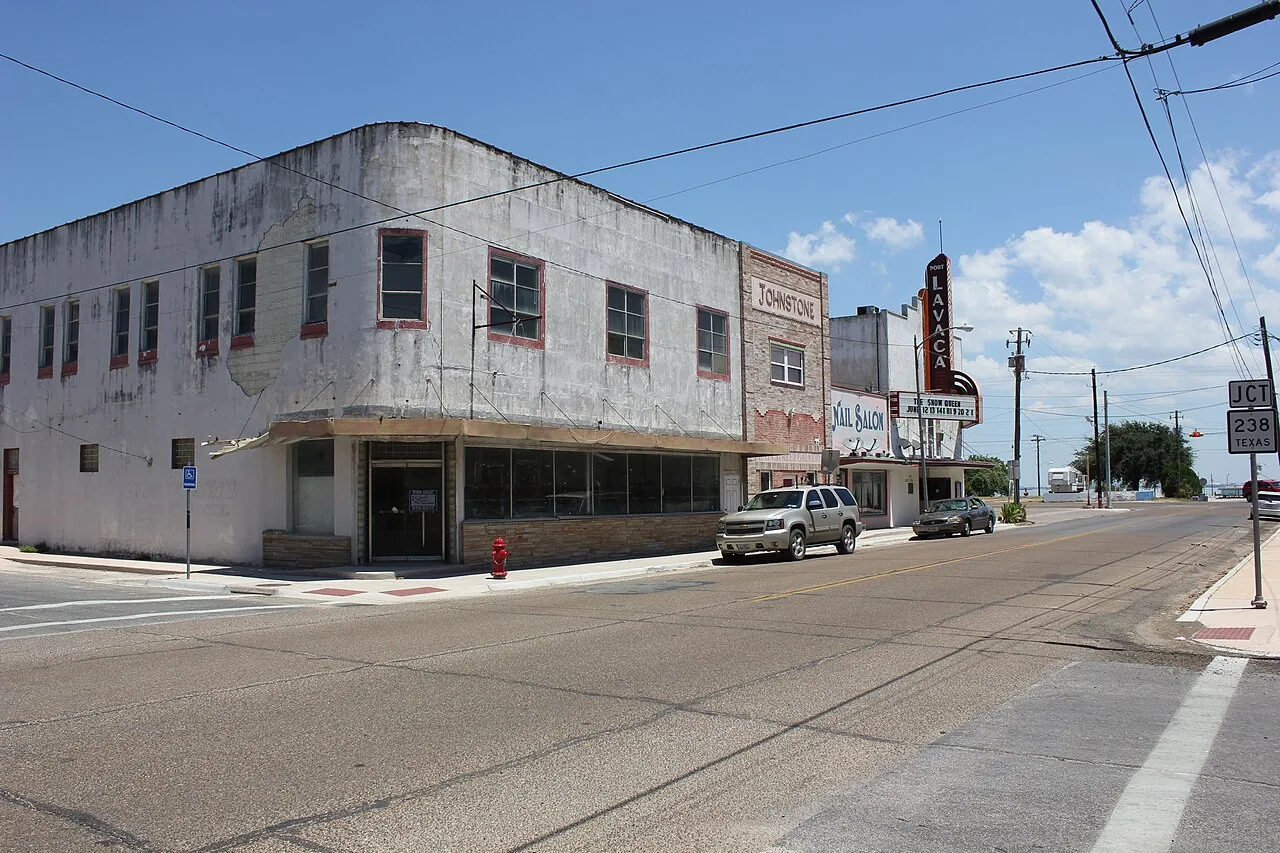
Property conditions can vary between a street-facing commercial building, a service property, and a facility with multiple roof levels or additions. The site contact confirms occupied hours, delivery routes, and roof access. If an owner also operates in Port Lavaca or Victoria, keep each site and municipal process distinct. A shared schedule may coordinate mobilization, but each building needs its own roof plan, findings, and approval record.
Confirm Palacios project and permit context
Begin with the leak location or visible damage and follow the likely path through seams, laps, flashing, drains, penetrations, curbs, and edges. Water can migrate before it appears indoors, so a ceiling mark is a starting point rather than a diagnosis. Photograph the condition and note where the roof walk stopped. A roof with additions may contain different materials or attachment details, which should be mapped separately if the field evidence confirms a change in construction.
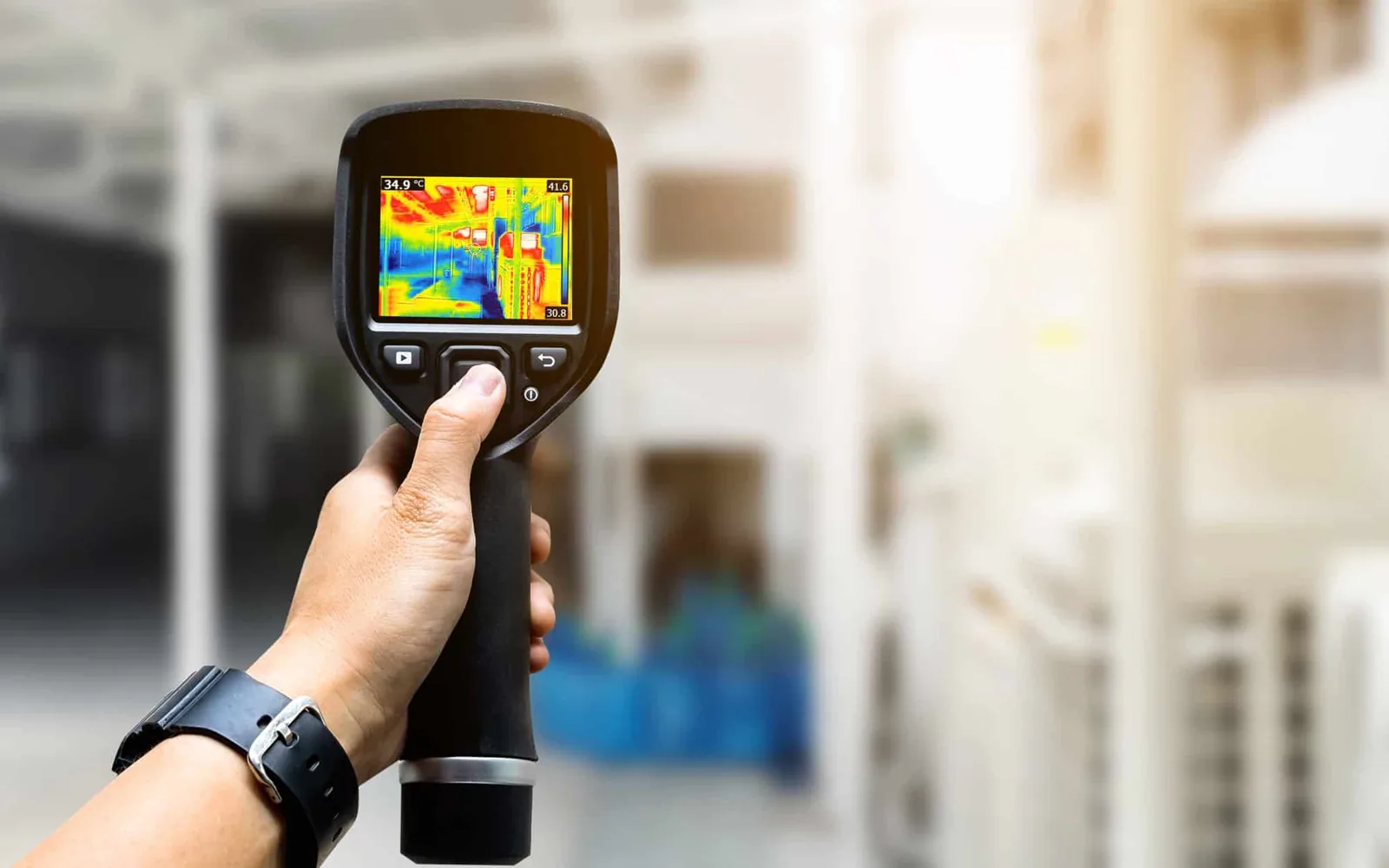
The report should identify observed conditions separately from reported history. Record the roof system when confirmed, date, accessible sections, weather, prior repairs, drainage, and any test performed. A visual walk cannot verify concealed insulation or deck. If testing could change the repair quantity, describe its location, purpose, temporary closure, and restoration plan before opening the roof. Keep any structural, electrical, or other specialty question outside the roofing conclusion unless the proper professional is engaged.
Trace the leak to a roof detail

A repair proposal needs a measurable limit, compatible materials, surface preparation, closure detail, and end-of-day protection. If removal reveals wet insulation or a different layer, secure the section and submit the added scope for approval before expanding. A temporary cover is not the same as a permanent repair; record both distinctly. Photographs taken before concealment show the condition that required added work and preserve its limits for later review.
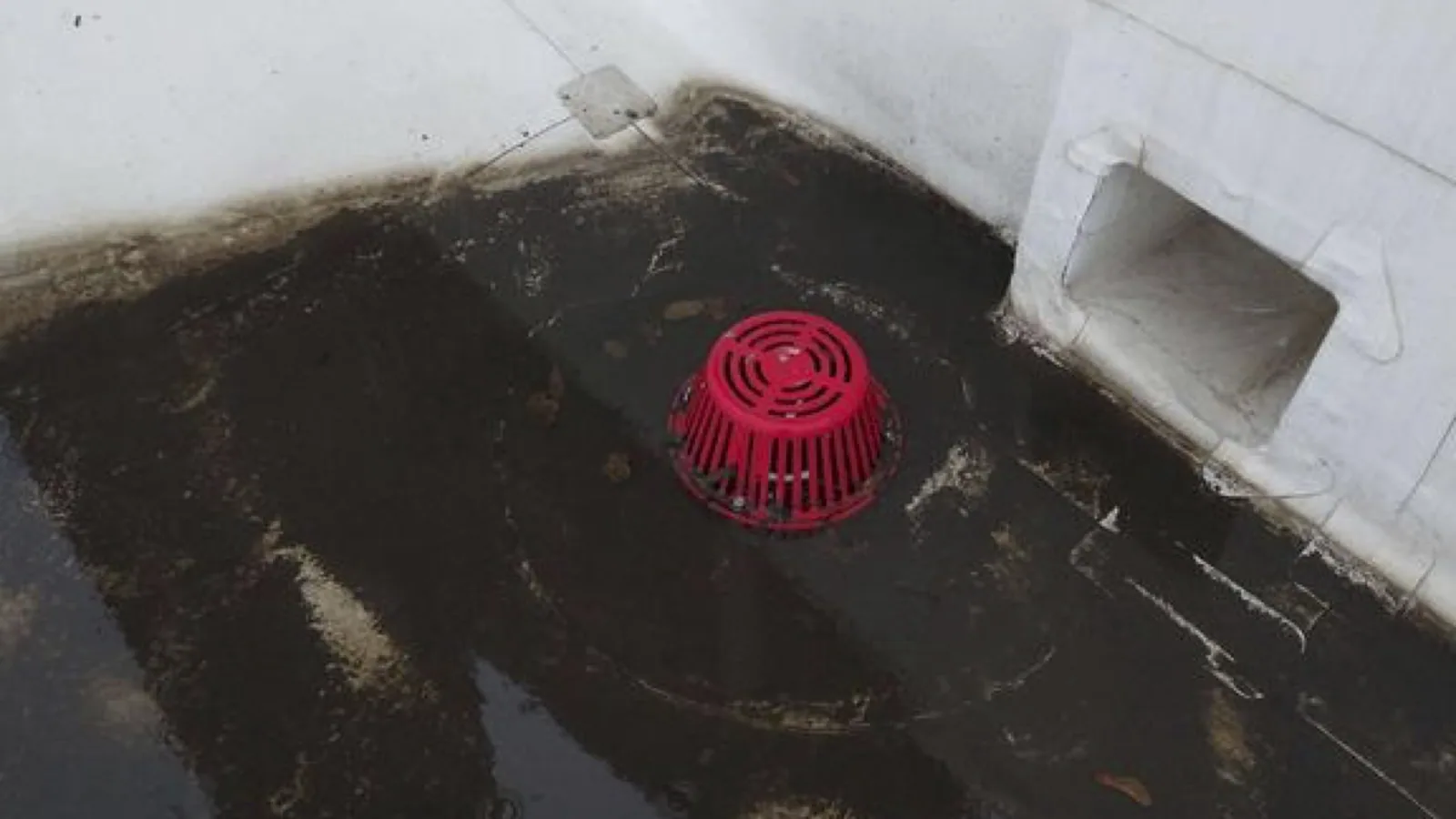
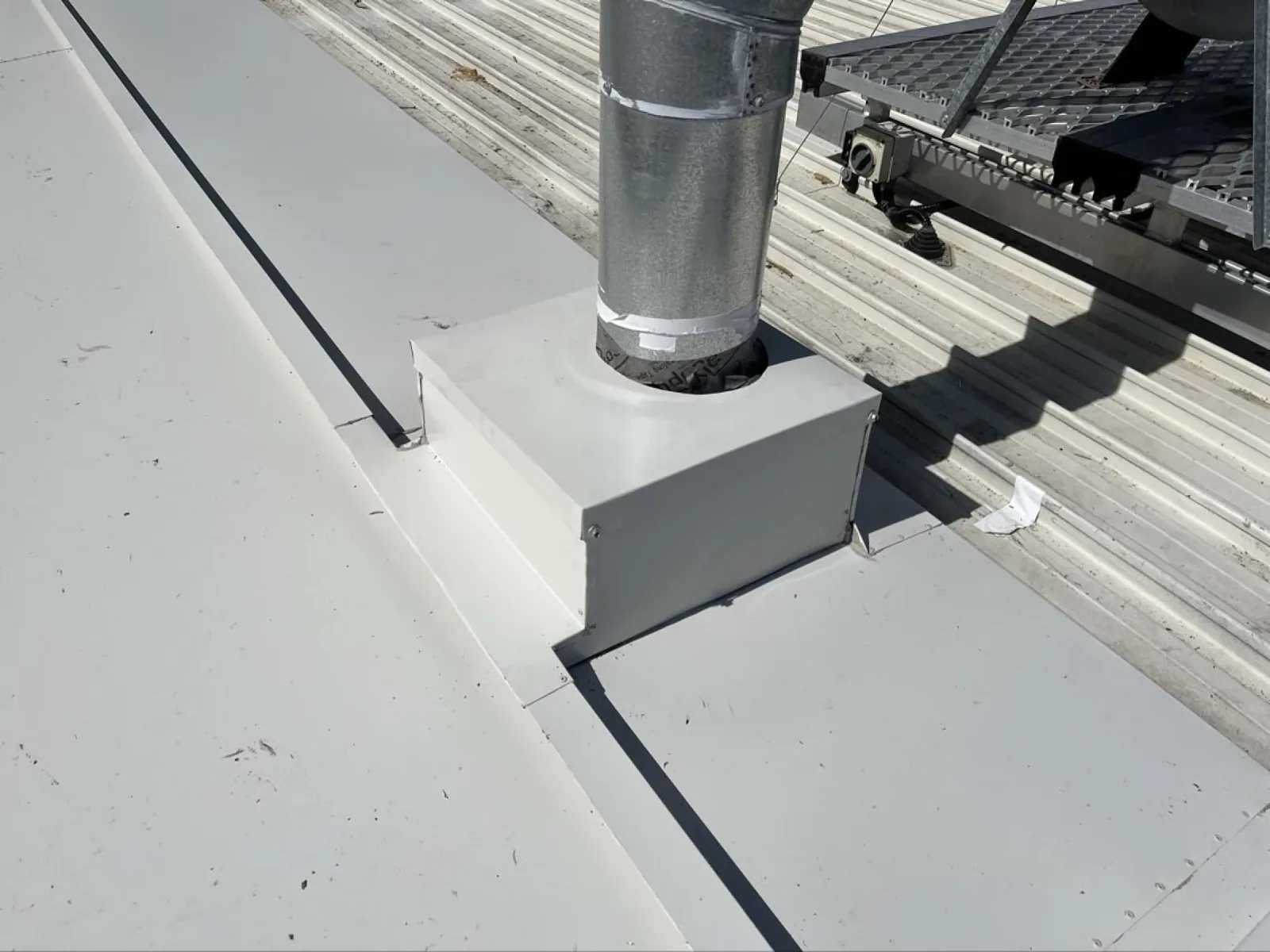
A roof inspection documents visible condition; leak repair treats a confirmed entry; and drainage work reviews outlets and overflows. If a curb or pipe boot is involved, penetration flashing should be scoped by its detail. Keep roof work separate from unrelated municipal permitting or other trades unless those tasks are explicitly assigned.
Define the repair before removal
Confirm the authorized roof entrance, safe access equipment, work hours, staging point, and the area below the repair. If the building is occupied, identify rooms that need protection and routes that must remain open. The owner or manager should identify who can approve an exploratory opening or an added repair quantity. When work depends on a municipal review or another trade, state that dependency and do not expose the roof before the site is ready.
The work window depends on forecast, surface condition, and product requirements. Limit removal to a section that can be closed before weather interrupts the shift. A maintenance visit can record drains, seams, flashing, and edges over time. A replacement scope should separate demolition, insulation, membrane, perimeter metal, access, disposal, and owner coordination so the proposal is ready for review.
Arrange property access and approvals
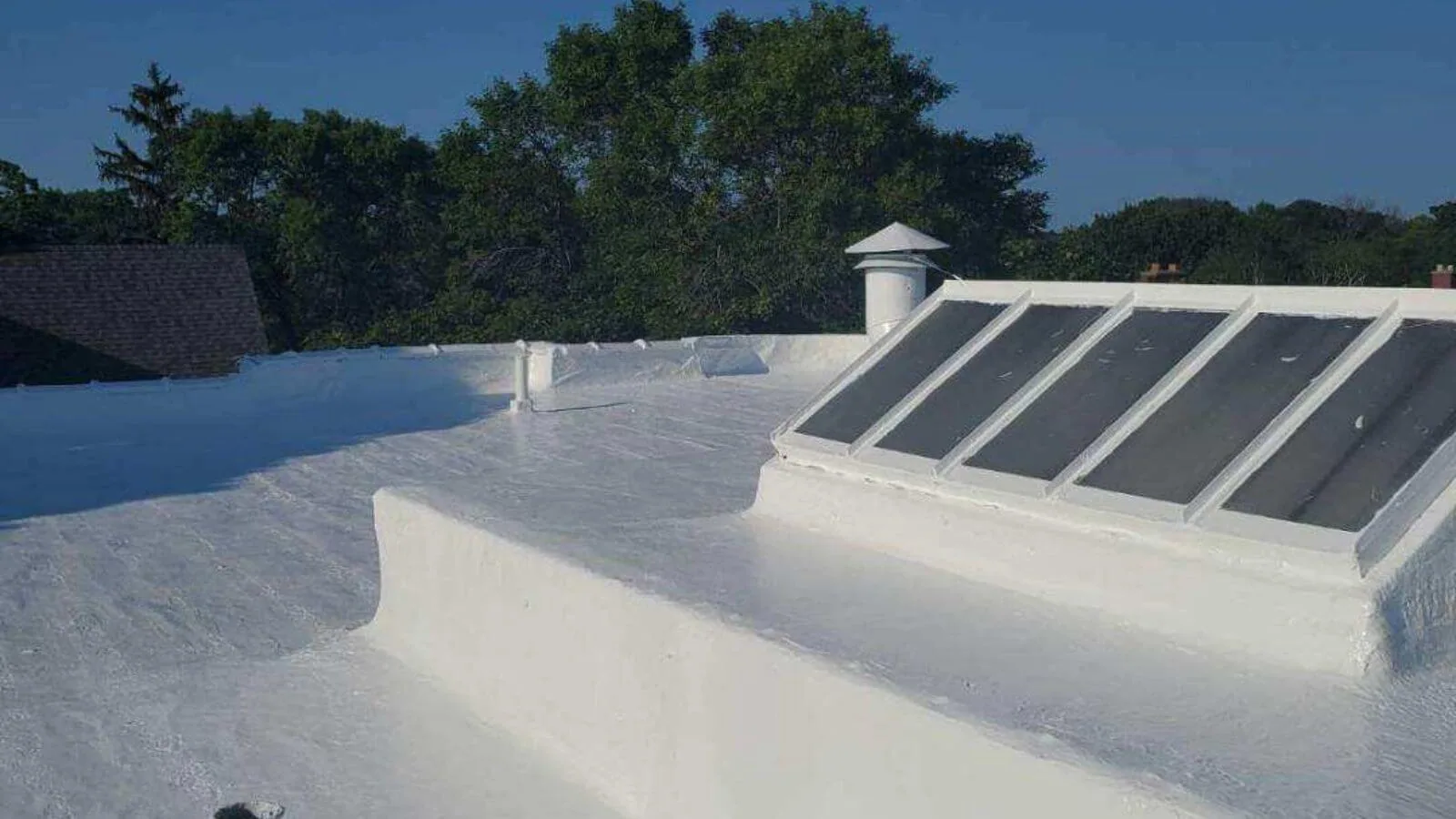
Repair may be suitable when the damage is localized and surrounding construction can receive a sound tie-in. Repeated leaks, widespread deterioration, wet insulation, or failed edge conditions may justify additional testing or a replacement comparison. Identify the observation behind the recommendation and any uncertainty. A recover or coating system requires review of the existing layers, moisture, attachment, drainage, and compatibility; it is not selected from appearance alone.
For multi-property owners, use the same categories for condition and priority while retaining separate evidence for each roof. An active leak at one location may need a prompt repair; another roof may need only a scheduled inspection. Keep scope and quantities tied to the correct address and municipal jurisdiction. A summary can show the sequence, but every proposal should name its own building, roof area, exclusions, and approval path.
Compare repair with broader renewal
The roof record should show property, roof section, inspection date, confirmed system, work boundary, material, preparation, photos, drainage notes, access limits, and unresolved items. State whether the repair is permanent or temporary. If a permit or city review remains with the owner, identify it as a project dependency rather than a completed task. This record helps the property manager and city-facing contact understand what was done and what still requires coordination.
For Palacios service, share the property, roof plan, reported condition, access contact, prior repair history, and any known permit timing. We will inspect the authorized area and return findings tied to photos and roof sections. If the request includes a second site in Port Lavaca or Victoria, list it separately so each municipal process and roof scope stays clear.
Keep permit and roof closeout distinct
When a commercial roof project is being organized, assign responsibility for each approval before selecting a start date. The property owner or authorized representative should confirm which municipal requirements apply, while the roofing scope states what the contractor will provide and what remains an owner task. If the property has a tenant, identify who can arrange interior access and who can approve protection inside occupied rooms. A roof plan marked with drains, equipment, known leak points, and additions makes the inspection more efficient. Keep one copy with the property record and use the same section names in photographs, estimates, and closeout notes. For a project with several roof areas, do not treat an inaccessible wing as inspected simply because nearby sections were reached. Record the limit, its cause, and the access step needed to return. If concealed conditions may change the quantity, explain the approval method before work begins. That gives the owner a clear decision point and prevents an exploratory opening from becoming an unapproved expansion. These records also help coordinate a future maintenance visit without implying that municipal review or any other trade's work has been completed.
If a property is part of a larger portfolio, a single point of contact can coordinate records while each building retains its own scope. List the address only in the project intake and proposal needed for that property; the public service description remains citywide. Before work starts, confirm how the owner wants progress updates delivered and who can accept completion photographs. This keeps communication clear if a manager, tenant, or municipal contact has a different role.
Assign approvals before scheduling
Related Roofing Work
Frequently Asked Questions
Does this service area target city hall?
No. It covers Palacios and nearby properties; work is scoped to the authorized building.
Should city requirements be confirmed before work?
Yes. The owner should verify project-specific permits and contractor registration with the City.
What do I need for a leak visit?
Provide the building, roof plan, reported symptom, access contact, and prior repair history.
Can you inspect a multi-level roof?
Yes, when access is safe and each included section is identified.
How are added repair quantities handled?
They are documented and submitted for approval before work expands.
Share the building, roof plan, reported condition, access contact, and available work records. We will inspect the authorized area and explain what the field evidence supports.
Call 555-555-5555 or email [email protected].