Commercial Roofing in Yorktown, TX
Service Areas · Victoria, TX
Commercial roofing in Yorktown, TX, with inspections, repairs, and project planning for local business, agricultural, and oilfield-service properties.
Next step
Request a Roof Assessment
Call
555-555-5555
Oilfield-service, retail, and agricultural operations in Yorktown each bring different roof access and scheduling needs. We begin by identifying the property contact, the reported condition, available plans, and the roof sections the owner authorizes for inspection. Yorktown is a DeWitt County town on SH 72, about 36 miles northwest of Victoria. Its history includes a rail-linked town center and later oilfield-equipment manufacturing. Those facts orient the service route, while the roof walk establishes what material and repair detail are actually present.
Yorktown
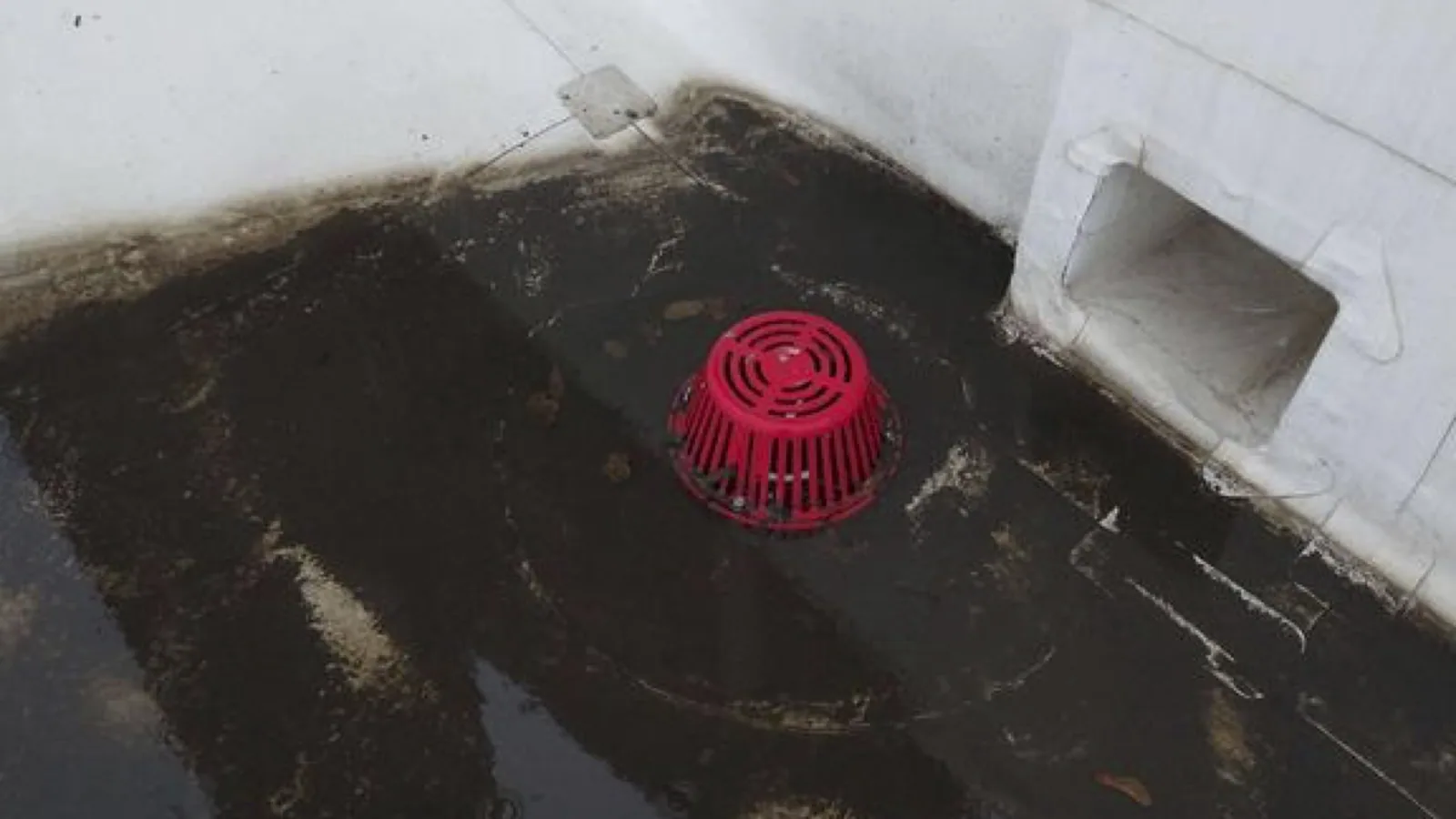
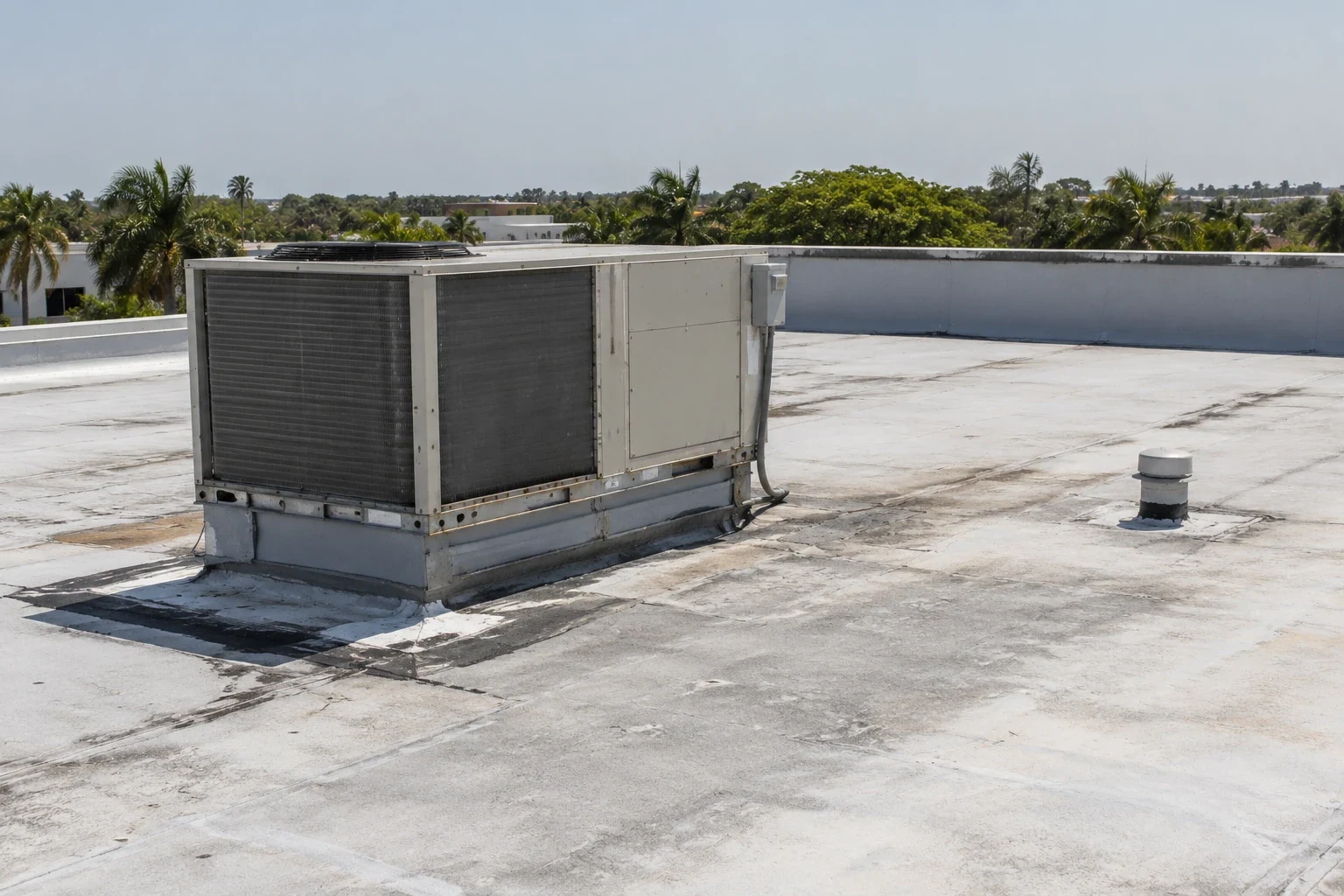
Begin at the reported interior symptom, then compare it with roof zones that could feed water into that space. Inspect flashing returns, panel seams, membrane laps, drains, pipe boots, equipment curbs, overflow points, and perimeter metal. Moisture can travel beneath the visible layer before it reaches a ceiling, so a stain alone does not identify the failed detail. Label photographs by section and show enough surrounding surface to find each condition later. Where an addition meets the original structure, check the transition without assuming both areas use the same system.
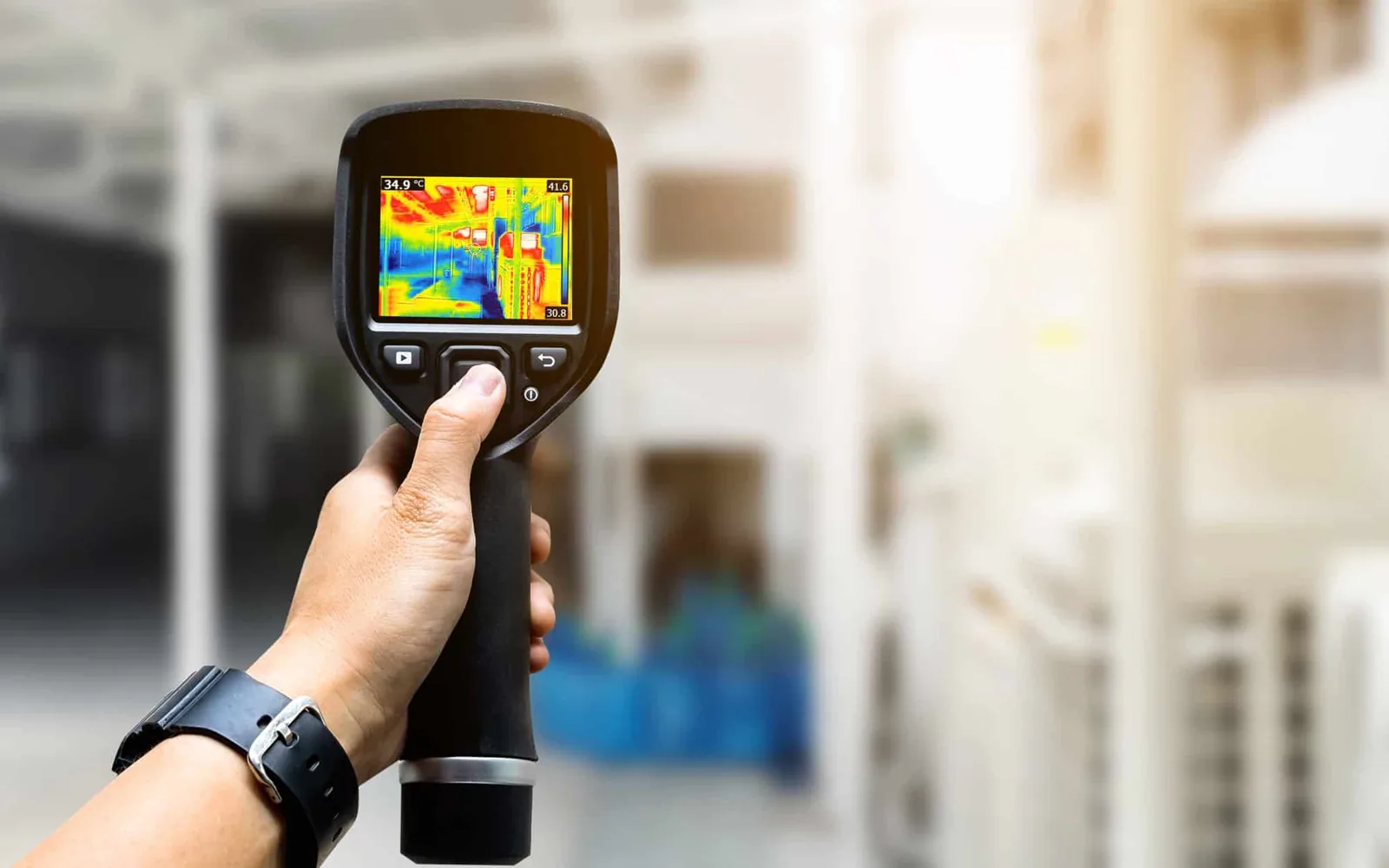
For a property along SH 72 or near the town's historic rail-oriented center, the route and work window should be confirmed with the site contact. Public road connections help with dispatch, but they do not establish gate rules, roof access, or staging rights. We note the surface observed, date, weather, previous patches, drainage condition, and every area not reached. Concealed moisture and deck capacity are not confirmed by a visual walk. Testing is a separate step when the result could change the work plan.
Read the roof section, not the property label
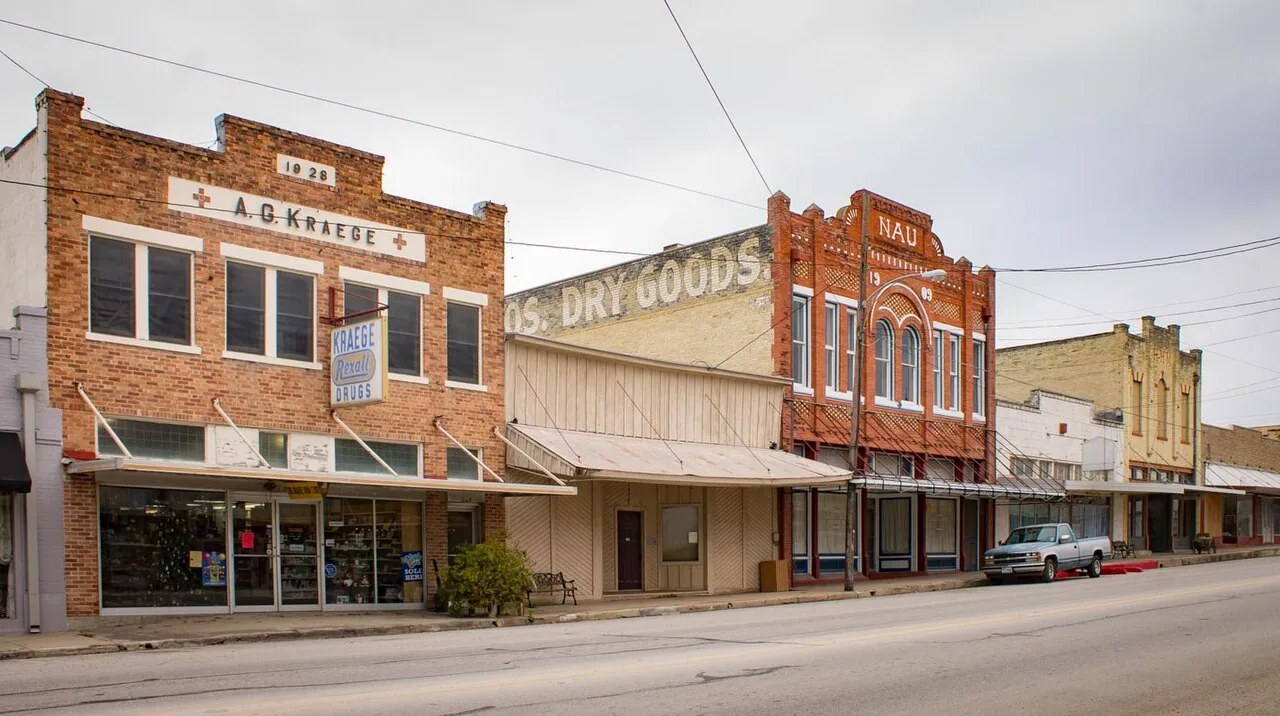
The Texas Handbook describes Yorktown's earlier commerce around hotels, groceries, blacksmith shops, cotton gins, and other businesses, with a rail spur influencing the town center. It also records a later economy that included more than 150 businesses and an oilfield-equipment factory. This history does not tell us what occupies a current building or what roof it has. A present-day service call needs the owner's use description and a current plan. The roof record should identify existing equipment, additions, and repair history from the property itself.
These distinctions matter when comparing a small repair with work across multiple sections. A retail tenant may need an entrance clear; a service operation may have vehicle movements near the roof edge; an agricultural property could have separate storage or office areas. Confirm the actual conditions rather than applying a townwide assumption. Regional coordination with Cuero or Goliad can group visits, but each authorized address receives its own inspection notes, scope, and approval.
Use Yorktown's business history as context
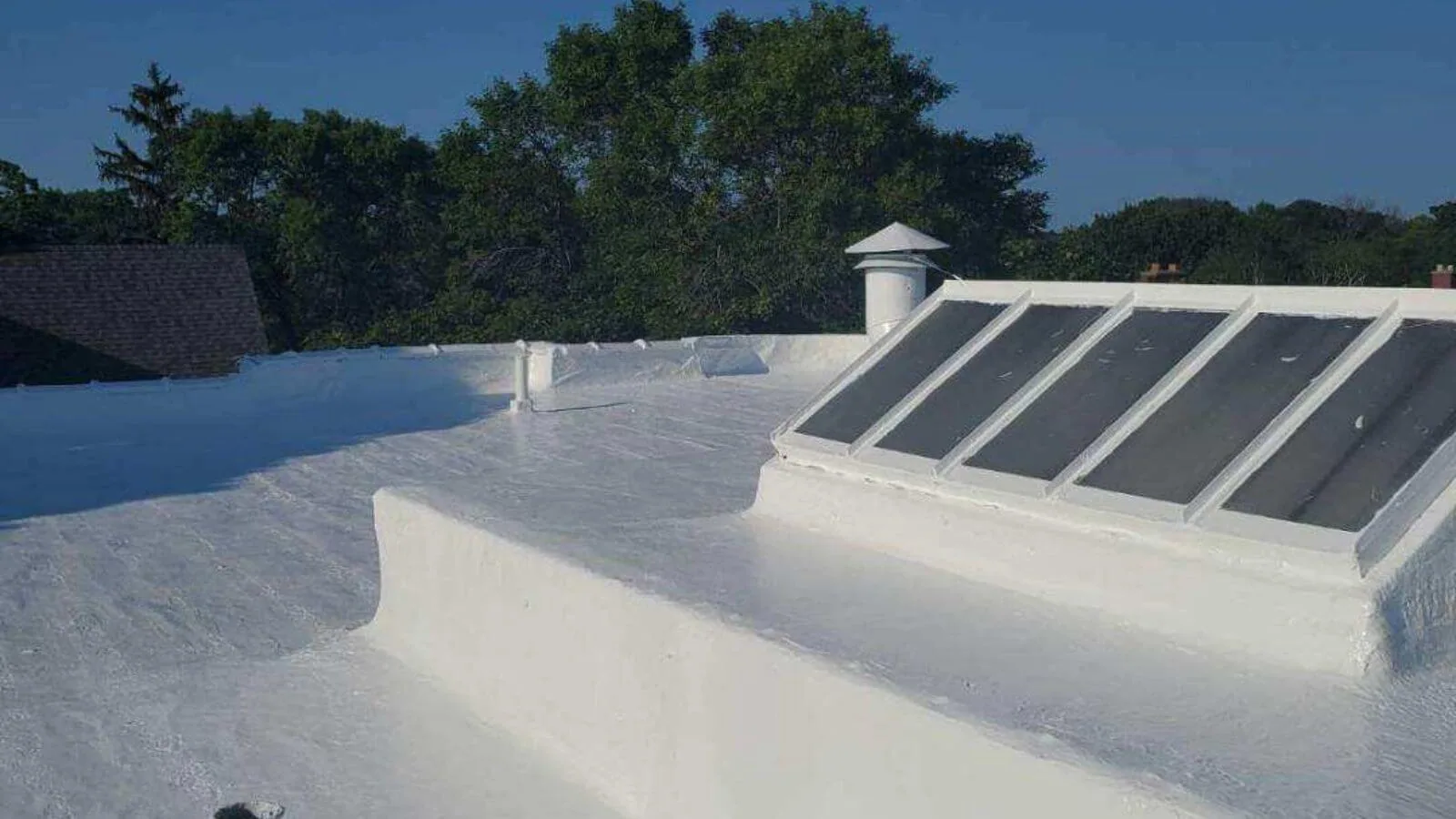
A repair line should say which roof section is included and how the crew will reach material suitable for a sound tie-in. Specify surface preparation, compatible product type, seam or flashing detail, measured quantity, and closure. If removal uncovers a damaged deck, wet insulation, or another layer, pause at a safe limit and protect the exposed area. Photographs and measurements show the owner why the scope changed. Submit the added work for approval before continuing beyond the original boundary.
A commercial roof inspection can map visible conditions; leak repair treats a confirmed entry point. Drainage concerns can be scoped with a drain and scupper assessment. A recurring condition may warrant maintenance that tracks the same sections over time. Each item should identify its own access, materials, and exclusions rather than folding distinct details into one patch allowance.
Set the repair limit at sound material
A localized defect with stable surrounding material may support a direct repair. Repeated leaks, loose metal attachment, broad seam separation, or moisture indications across several areas may point to additional testing or a replacement comparison. The recommendation states which condition was observed and what remains uncertain. A coating or recover depends on layer count, attachment, substrate, drainage, edge height, and product compatibility. A historic business mix or an older address does not determine the present roof's age, system, or remaining life.
Timing and cost reflect the repair boundary, tear-off, insulation, flashing and curb count, equipment coordination, staging, disposal, and occupied hours. A service center with deliveries may need a different sequence than a closed storage building. A renewal proposal should identify the system, removal, perimeter metal, drainage work, and how each shift will be closed. If the owner manages more than one building, compare priorities by evidence and consequence, while keeping quantities and approvals attached to each property.
Compare repair, testing, and renewal
Ask the site contact to identify a safe roof entrance, the approved lift or ladder location, and the place materials can be staged. Keep loading routes and public doors clear as agreed before mobilization. Confirm who can answer a field question or approve added work. Do not rely on the town's earlier commercial history to predict present-day hours. If a required escort, shutdown, or tenant notice is pending, show it in the schedule. An area that remains inaccessible is excluded until a return can be authorized.
Victoria's market has documented hot-season temperatures and regional hail, wind, and tropical-cyclone exposure. Those are market-level conditions, not evidence of an event at a Yorktown property. Heat influences roof work timing, and weather affects the surface and daily closure method. Before application, check the forecast, substrate condition, and product instructions. If a storm report prompts a roof review, distinguish reported timing from visible physical damage in the report.
A marked roof sketch should show additions, equipment clusters, drains, and the reported interior symptom. The site contact can use the same labels during a walk and when reviewing the estimate. If the repair reaches a metal edge or a wall transition, photograph both the prepared surface and the closed detail. For an area near active vehicle movement, note where staging was approved and which routes stayed open. These small records help the owner separate work that was completed from observations that still need a decision.
Confirm the work route before mobilizing
A closeout package records the building, roof section, assembly observed, preparation, materials, photographs, approved changes, drainage notes, and follow-up actions. State whether the work was temporary or permanent and mark the final repair boundary. If a section was not inspected, preserve the reason and the access step needed to return. These details let a property manager compare a later visit with the same location instead of relying on a broad condition label.
For Yorktown service, share the roof plan or sketch, leak location, building use, access contact, and prior repair records. We will inspect the authorized areas, document visible conditions, and explain the supported next step. If the request includes a second property in Cuero or Goliad, list it separately so its route, owner approvals, and roof history do not merge with Yorktown's project file.
Keep the evidence with the right building
Related Roofing Work
Frequently Asked Questions
Does the town's oilfield history tell you what roof is installed?
No. We identify the visible system at the property and check records where available.
What does the 36-mile location detail change?
It places Yorktown northwest of Victoria on SH 72. Site access and schedule still come from the property contact.
Can a repeated leak be repaired without testing?
The inspection establishes whether the visible detail supports a repair. Testing may be useful if concealed layers could change that scope.
Who approves a larger repair after tear-off?
Before the crew proceeds, an owner or designated representative reviews the photographs, measured quantity, and added work.
Will the estimate include areas we could not reach?
Only the authorized and accessible sections are included; any excluded roof area is identified for a separate review.
Provide the building, roof plan, reported condition, access contact, and available repair history. We will inspect the authorized area and tie the recommendation to photographs and measured details.
Call 555-555-5555 or email [email protected].