
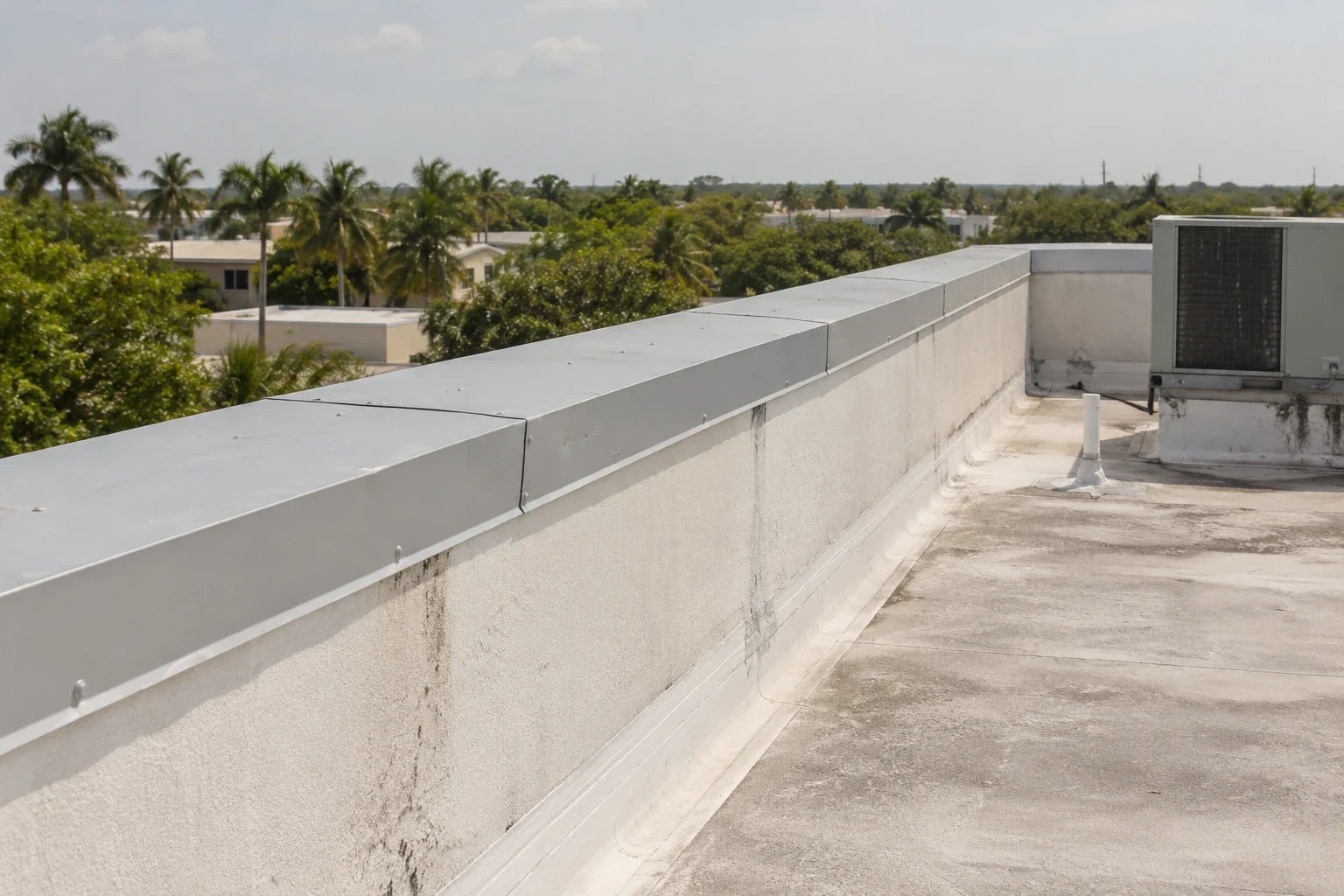
Commercial Roof Edge Metal, Coping, and Gutter Repair in Victoria, TX
Commercial Roofing Services · Victoria, TX
Commercial roof edge and coping repair in Victoria checks attachment, seams, corners, and drainage so the metal transition fits the roof assembly.
Next step
Request a Roof Assessment
Call
555-555-5555
A coping corner that has opened can admit water behind the parapet even when the roof field looks intact. On warehouses and manufacturing buildings in Victoria, exposed edges also take the brunt of wind and heat movement. We trace the metal transition into the membrane, check how the coping is attached, and define whether the repair belongs at a seam, cleat, fascia, gutter, or adjoining roof detail.
Commercial Roof Edge Metal, Coping, and Gutter Repair
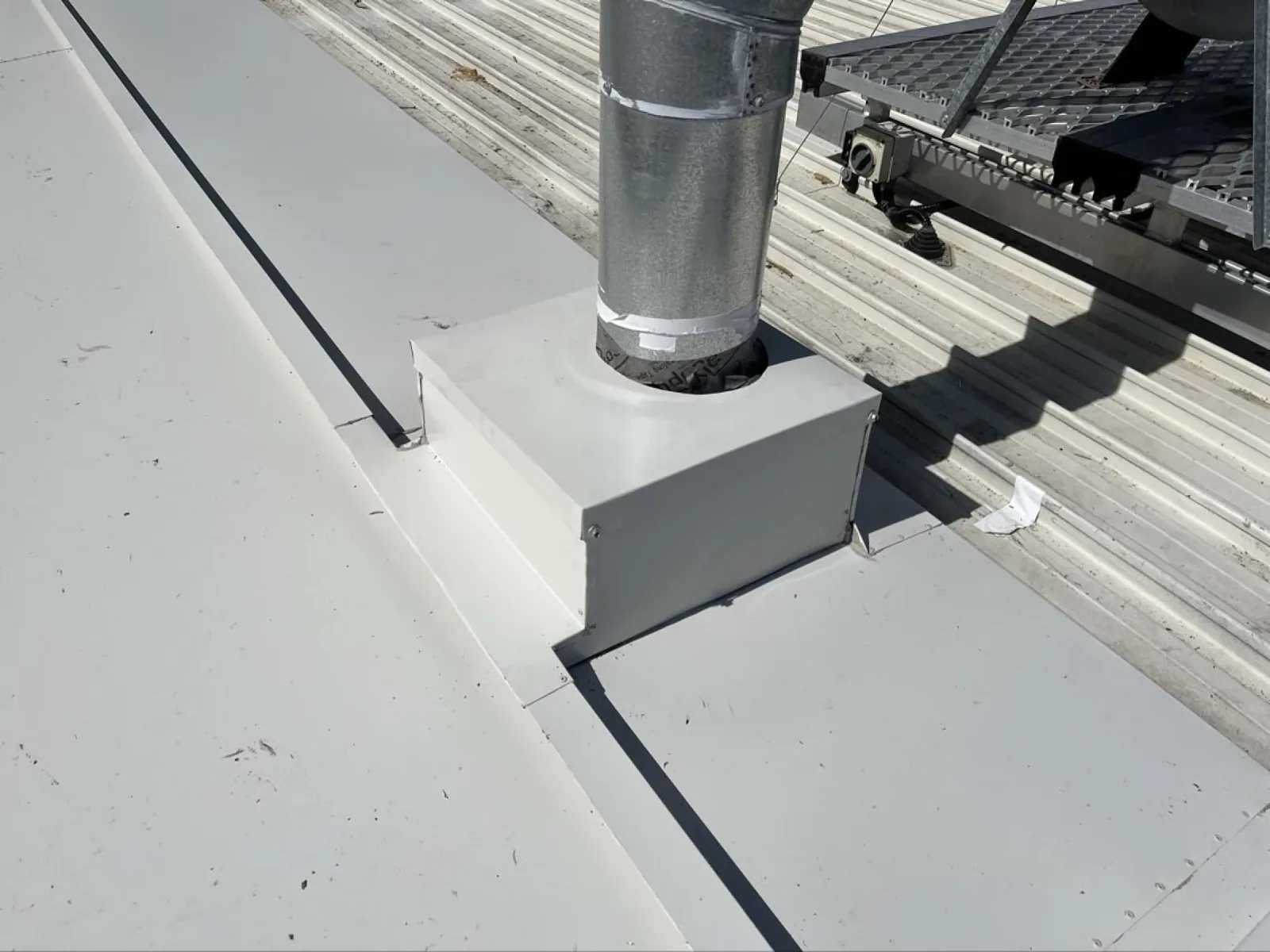
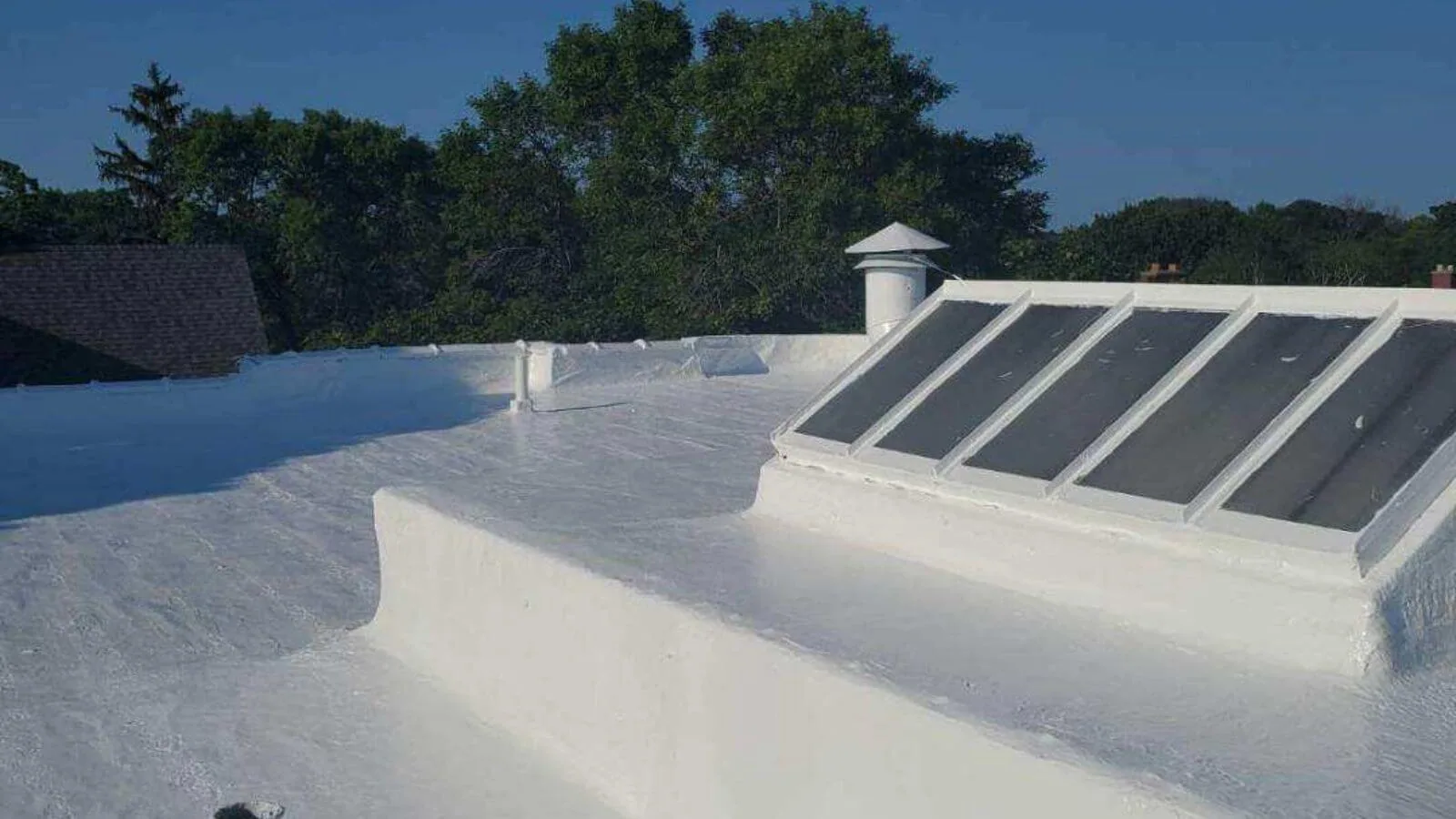
We begin with the parapet, fascia, drip edge, cleats, joints, corners, terminations, and membrane tie-in. The inspection looks for loose fasteners, oil-canning, open laps, corrosion, failed sealant, and separation between metal pieces. A visible stain below the edge may follow the wall cavity or travel from a different roof transition, so we compare the interior report with the exterior and roof-side conditions before assigning a source.
Record the metal profile and dimensions that affect replacement, along with the substrate condition and nearby roof system. New metal must fit the edge and attach to a sound base. If the existing cleat has loosened or the wood nailer is deteriorated, replacing only the cap may leave the same movement in place. We identify what can be seen and note when a concealed attachment needs selective exposure.
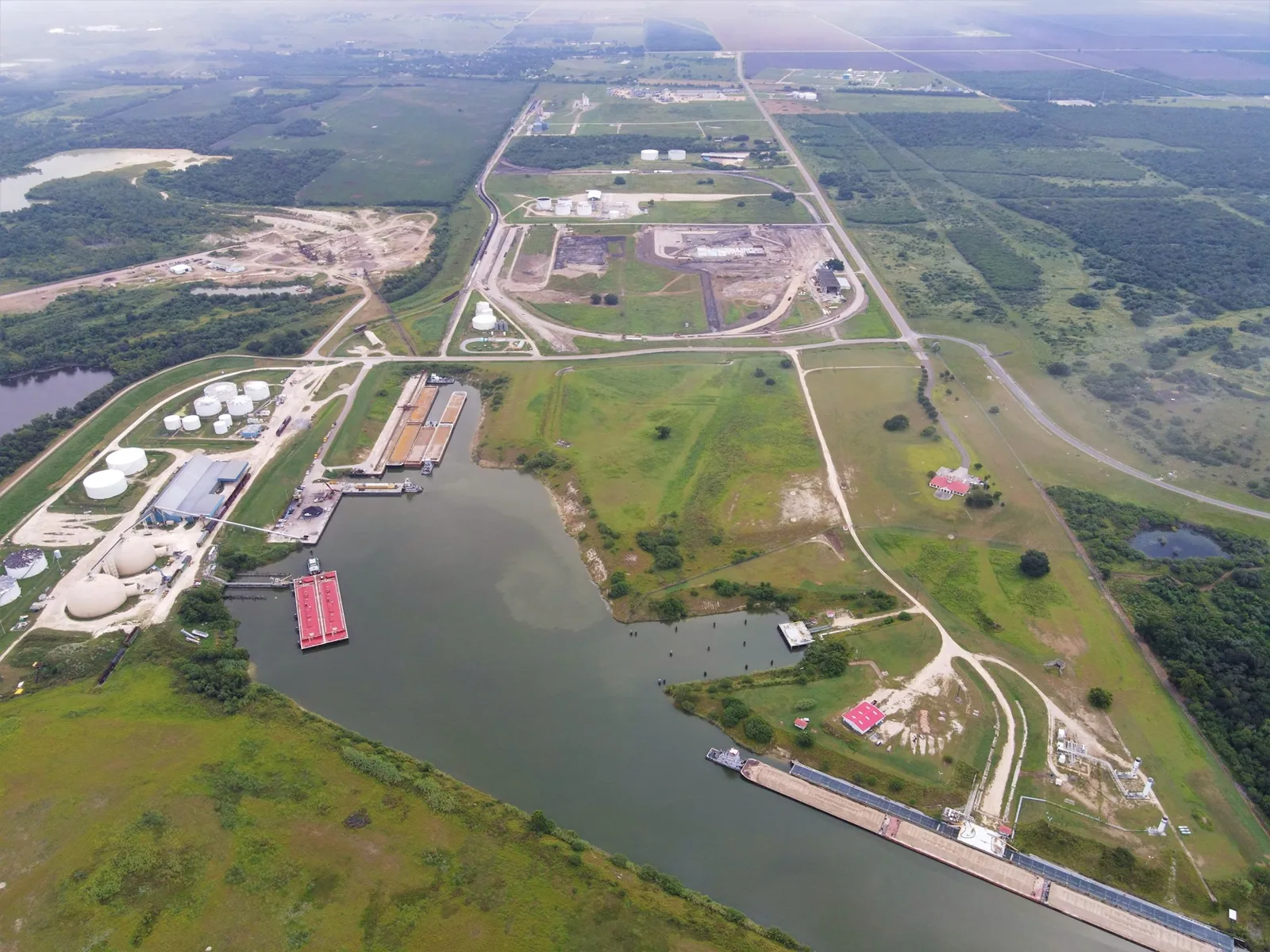
Victoria has documented damaging gusts and tropical-cyclone history. At the Port of Victoria Industrial Park South, barge, rail, and cargo operations support a large industrial setting, but each roof has its own assembly and access plan. On a working property, confirm delivery paths, lift access, and the area below the edge before removing metal.
Inspect the edge as a connected assembly
Wind damage often begins where a perimeter detail changes direction. We inspect outside and inside corners, end joints, transitions to wall panels, and points where coping meets a higher or lower roof. The cap should retain secure attachment while allowing the movement intended by its design. Adding exposed screws or sealant without confirming the cleat and substrate can create a short-term hold that fails at the next movement cycle.
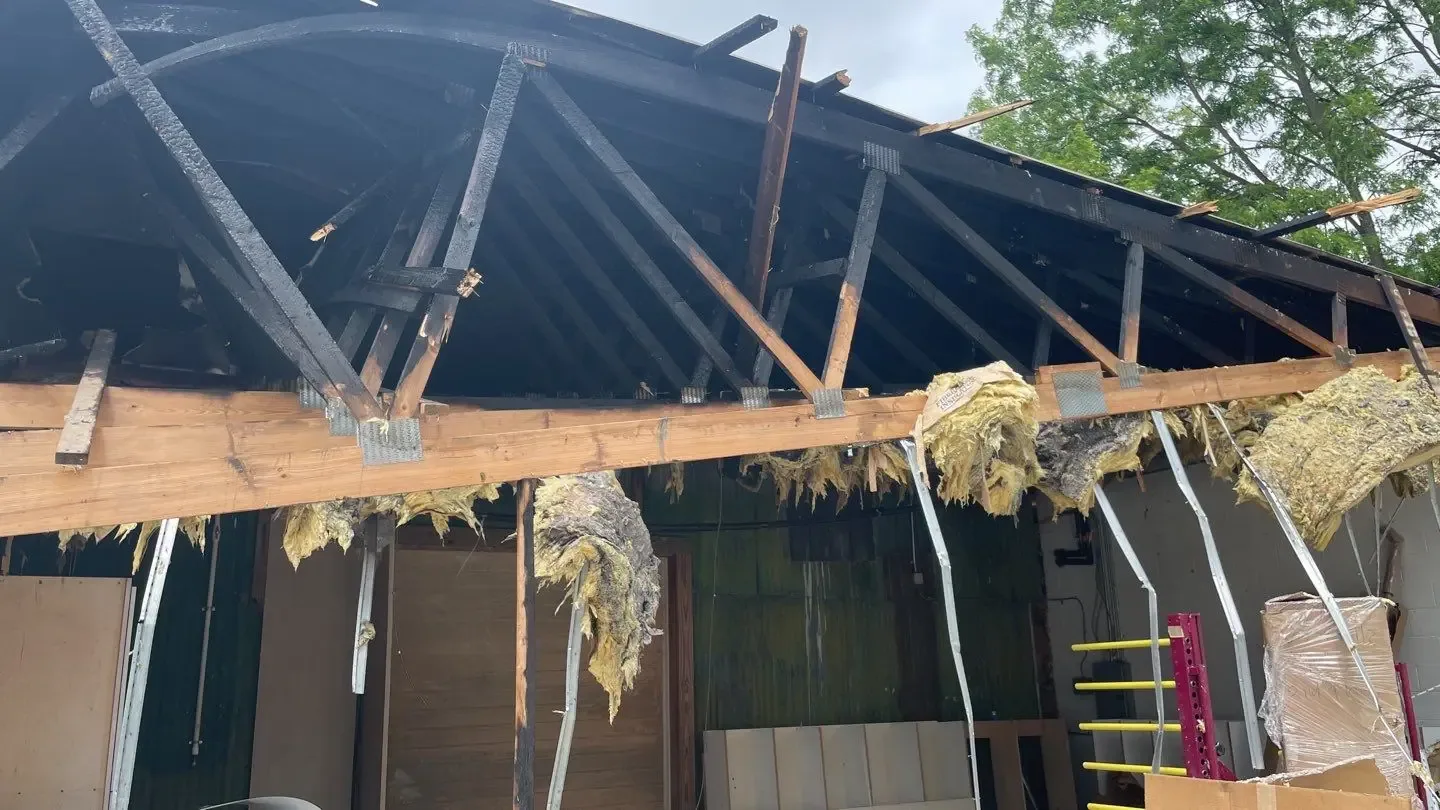
Where a corner has lifted, the repair boundary includes adjacent metal and membrane transition, not only the part that can be pressed down by hand. We check whether the metal has bent, whether the fastener pattern remains sound, and whether the roof termination is still connected. A storm damage assessment can document related impacts to screens, flashings, and roof equipment after a wind event.
Victoria’s summer heat can expand exposed metal and soften some sealants, while storms can drive water at laps and corners. We use the metal type, joint design, and roof system to choose compatible materials and spacing. A roof inspection may be needed where the edge issue appears in several elevations or ties into earlier patch work.
Check corners, laps, and attachment
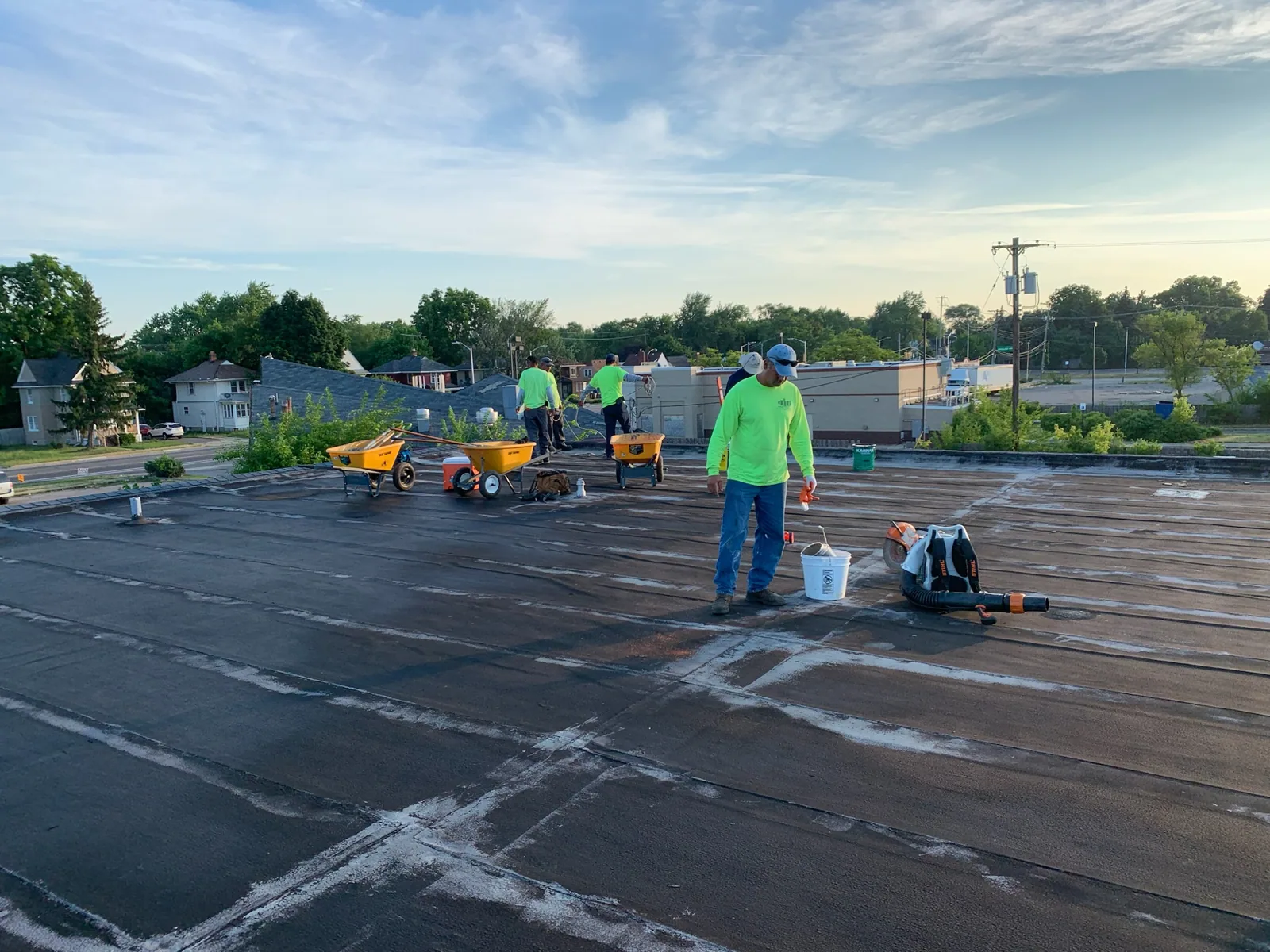
A gutter repair starts with the route from roof edge to discharge. We inspect hangers, seams, end caps, outlets, downspout straps, and connections that can be reached safely. A sagging section may hold water or pull against the fascia; a disconnected downspout can discharge beside the wall or over a pedestrian route. Debris removal is kept separate from repair of a failed joint or support.
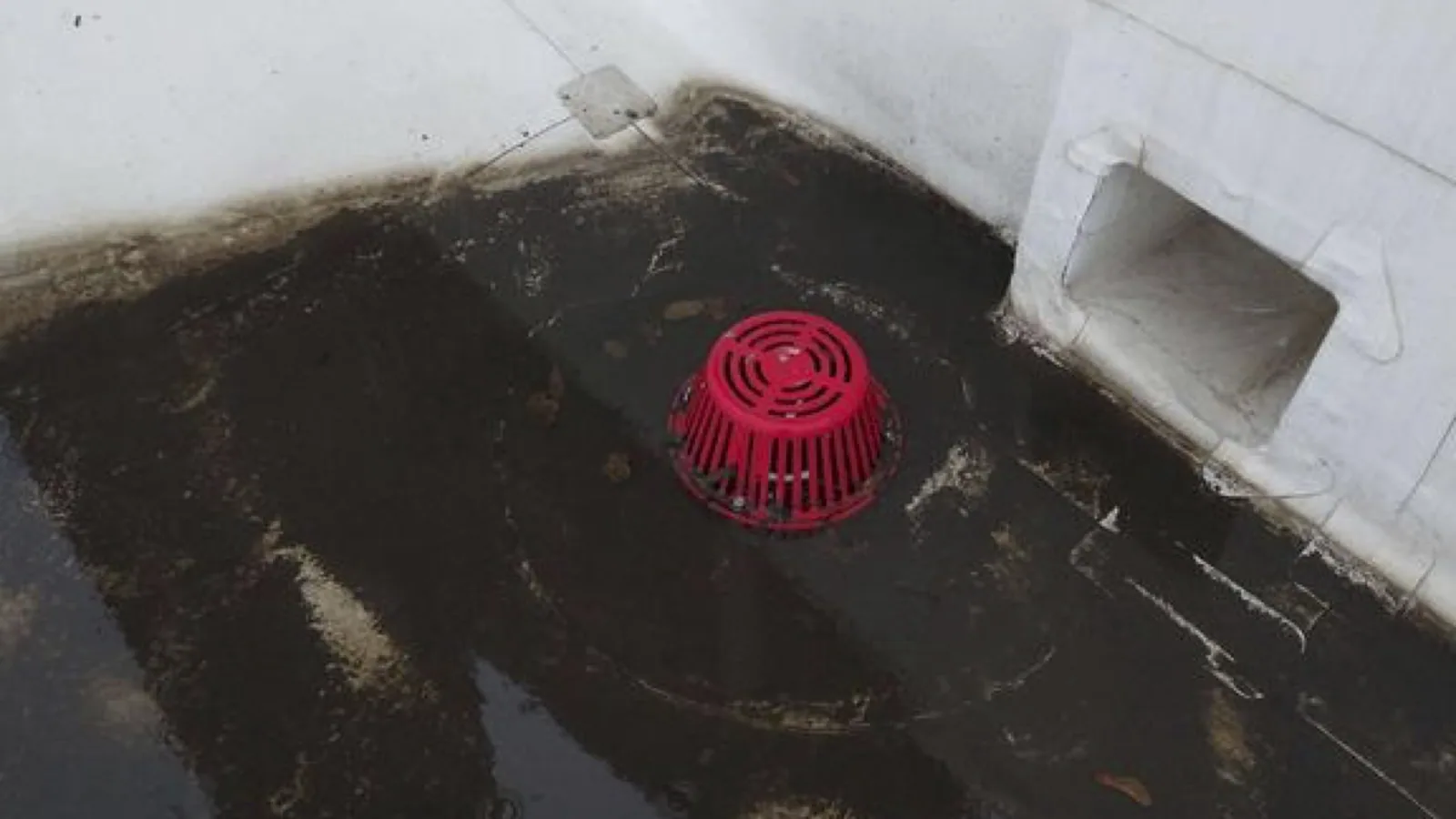
Check the roof edge where the membrane, drip metal, and gutter meet. The tie-in must direct water into the gutter without backing behind the fascia or leaving an open path beneath the membrane. Where a drain or scupper feeds the same system, test the sequence and note any concealed piping that was not examined. A drain and scupper repair may be part of the work if the roof-side outlet is the failed connection.
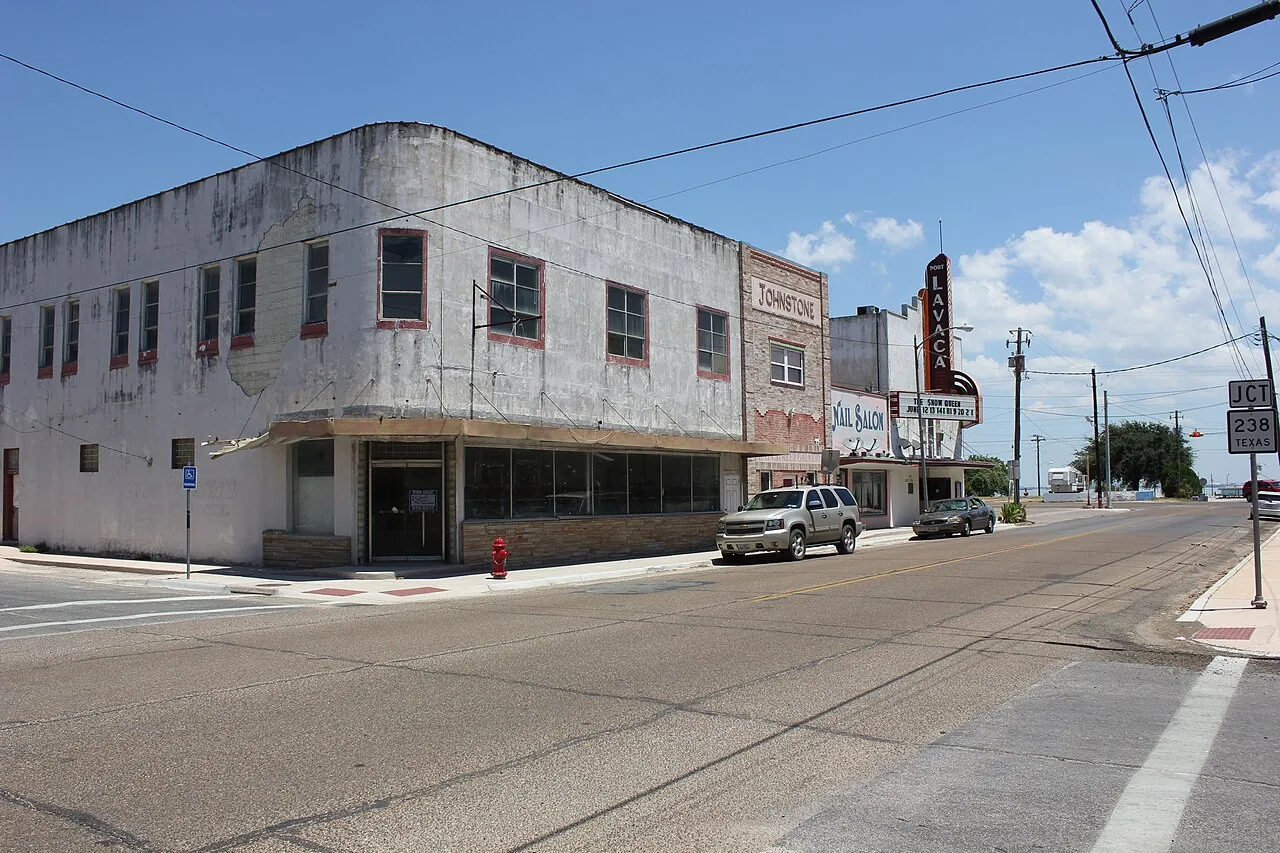
Facilities along the US 59 Business corridor and in downtown Victoria can have different roof forms, parapet heights, and pedestrian conditions. The local setting helps schedule access, but the field measurements decide metal dimensions and discharge routing. Protect entrances and loading areas below while lift work or gutter removal is underway.
Keep gutters and downspouts connected
Before fabrication or installation, verify the profile, substrate, attachment method, joint spacing, and termination. Replace deteriorated cleats or nailers where the approved scope includes them. At the roof side, prepare the membrane and flashing for a compatible tie-in rather than covering an existing split. Fasteners, sealants, and metal finish must be selected for the assembly and exposure. The repair should not block a drainage path or interfere with movement at the joint.
For a larger edge scope, we sequence removal and replacement so the roof remains protected as each section opens. Adjacent metal stays in place until the new connection can be secured and checked. If a concealed defect changes the repair boundary, we photograph it and seek direction before extending the work. This keeps the final scope tied to the actual substrate rather than an assumption based on the outside appearance.
On facilities near Lone Tree II Industrial Park, delivery and equipment movement can affect where metal is staged. We coordinate with the operating contact, protect the work zone, and keep removed metal clear of production and pedestrian routes. Each building’s access rules and shutdown needs are confirmed before the crew arrives.
Fit new metal to a sound tie-in
At closeout, inspect corners, joints, fasteners, sealant transitions, and the membrane termination at each repaired section. Confirm that gutters are supported, outlets remain open, and downspouts connect to their intended discharge. We photograph the finished details from useful angles and identify any adjacent area that was not included in the approved repair. A clean-looking cap is not a substitute for confirming that the edge is secured and tied into the roof.
Wind, rainfall, and heat cycles can reveal movement that was not visible during a dry inspection. We note recommended follow-up where the attachment or concealed substrate could not be confirmed. The property manager receives the repair location, material description, and any limits that remain. Record the profile and repair method so later sections can be matched without guessing at the original transition.
Where the edge work is part of a broader roof program, a roof asset record can hold profile details, photos, and completed repair history by building. The same record helps coordinate future gutter cleaning and roof maintenance without combining separate assemblies.
Verify the completed perimeter
Edge metal, coping, fascia, and gutters protect transitions that are easy to overlook from the ground. A maintenance route should check corners, joints, visible fasteners, drainage, and any previous repairs. If a section shifts or a discharge changes, document the location and inspect the nearby roof tie-in before applying a surface sealant.
When requesting edge metal or gutter service in Victoria, provide the building height, roof plan, reported leak or movement, photos from safe locations, and access window. We will inspect the perimeter assembly, confirm the metal and substrate details, and explain whether the supported work is a local repair, replacement section, or broader drainage correction.
For occupied buildings, confirm entrances, loading areas, tenant schedules, and below-roof protection. Metal removal can expose the roof edge temporarily, so the crew plans the sequence to limit the open area and secure the assembly before leaving the section.
Plan service around the perimeter condition
Related Roofing Work
Frequently Asked Questions
Can you repair coping without replacing the whole roof edge?
Often, if adjacent attachment and substrate remain sound. We inspect the corner, cleat, joint, and membrane tie-in to set the repair boundary.
Why does a gutter pull away from the roof?
Loose hangers, water weight, damaged fascia, or a failed end connection can contribute. We inspect the support and discharge route before selecting a repair.
Will extra sealant stop a leaking coping joint?
Not reliably if the metal moves or the attachment has failed. The joint and substrate need to be checked, then prepared for a compatible correction.
Do you inspect downspouts as well as gutters?
We check accessible straps, seams, outlets, and connections. Concealed or underground drain lines may need a separate plumbing inspection.
What information helps you price an edge repair?
Photos, roof plans, building height, reported leak locations, metal profile if known, and safe access details help define the inspection and scope.
Share the roof plan, building height, photos, reported leak or movement, and access window. We will inspect attachment, corners, metal transitions, and the drainage route.
Call 555-555-5555 or email [email protected].