
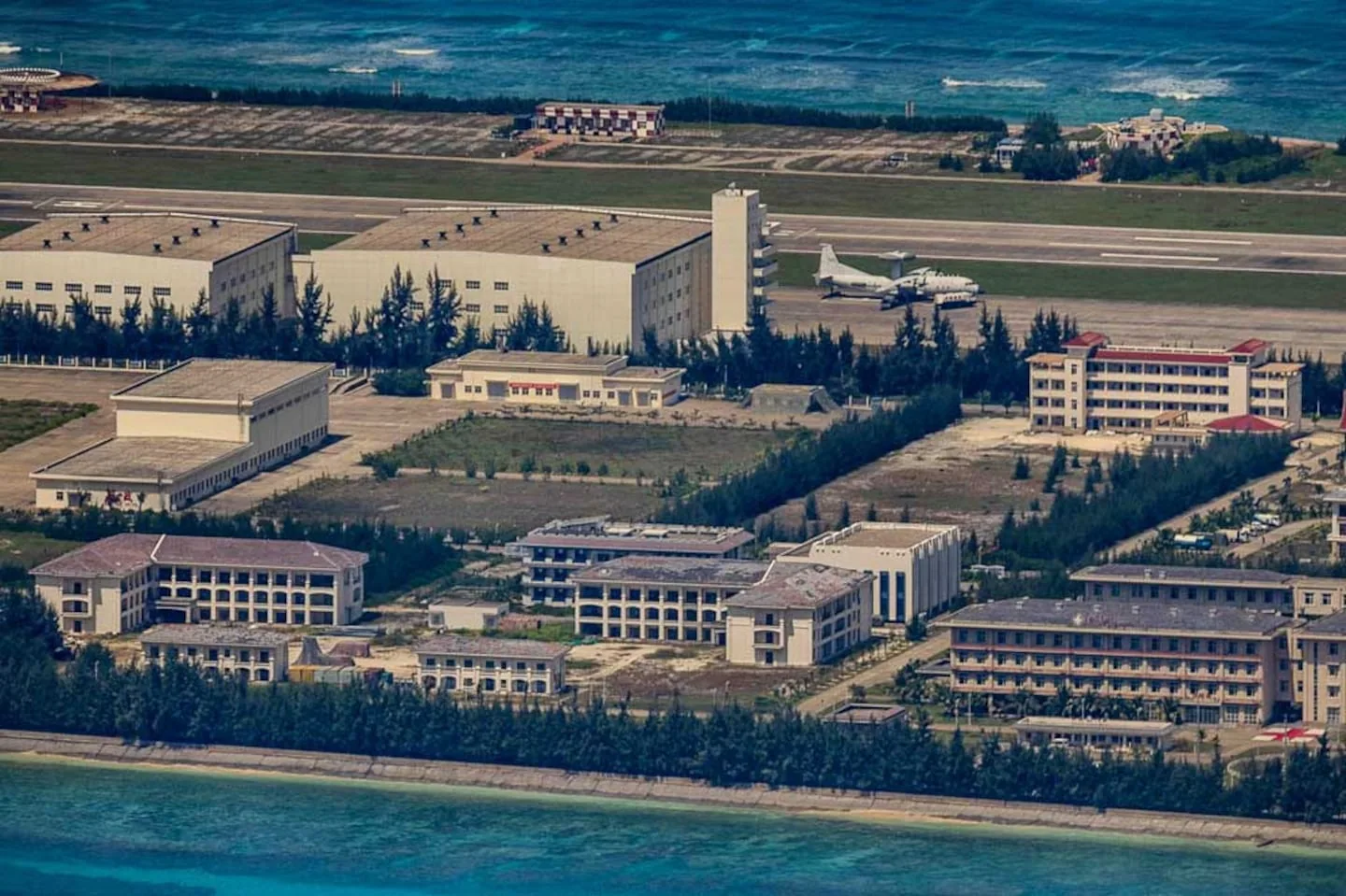
Military Installation Roofing in Victoria, TX
Commercial Roofing Services · Victoria, TX
Military roofing in Victoria coordinates submittals, access, escorts, mission schedules, and roof-system details with the installation’s requirements.
Next step
Request a Roof Assessment
Call
555-555-5555
A roofing crew can have the right membrane and still lose time if the access roster, escort plan, or submittal sequence is incomplete. Military work ties the roof scope to installation procedures and the facility’s operating schedule. In Victoria, we plan access, material delivery, and roof protection with the authorized project contacts, then document each repair and transition to the specifications in force for that project.
Military Installation Roofing
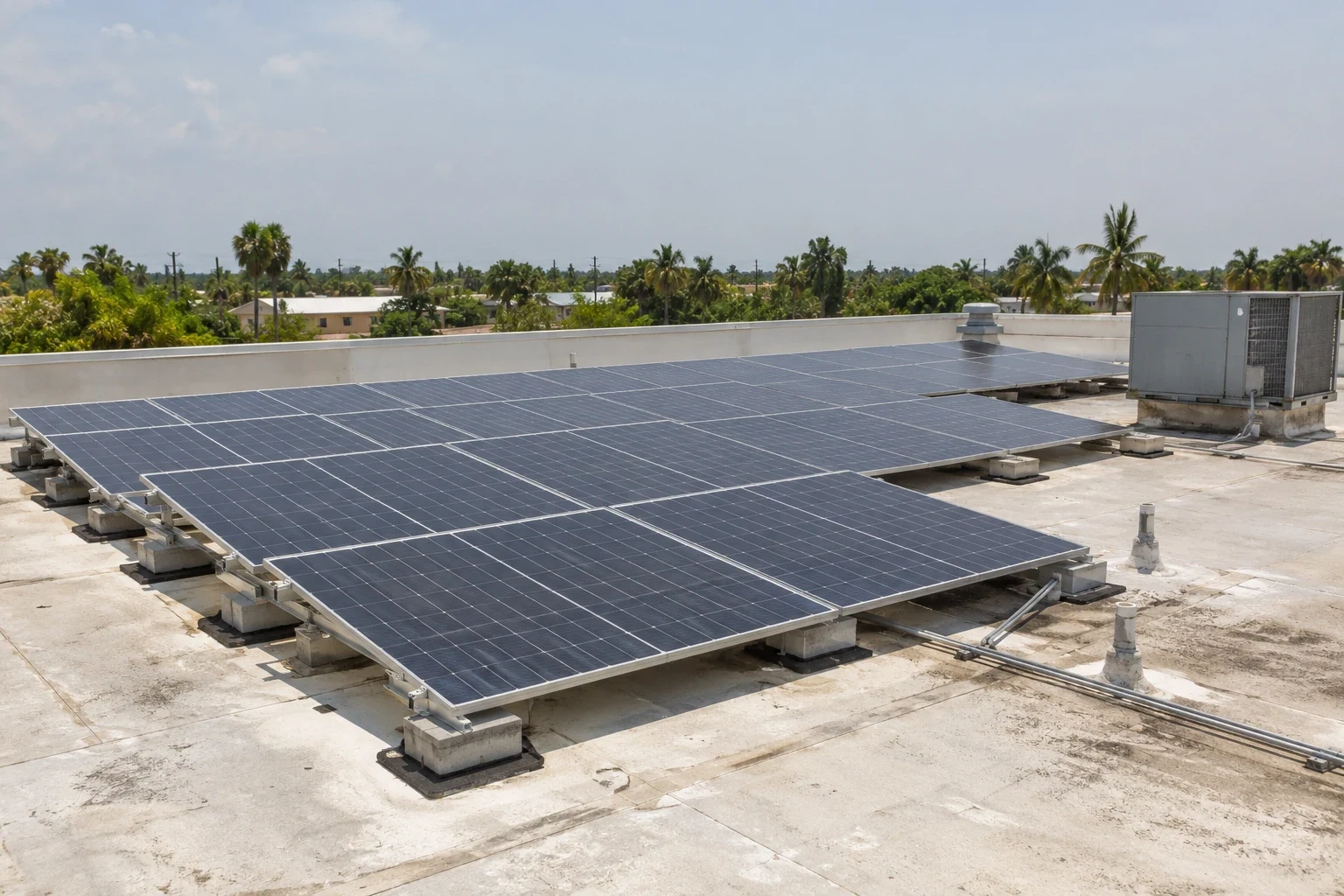
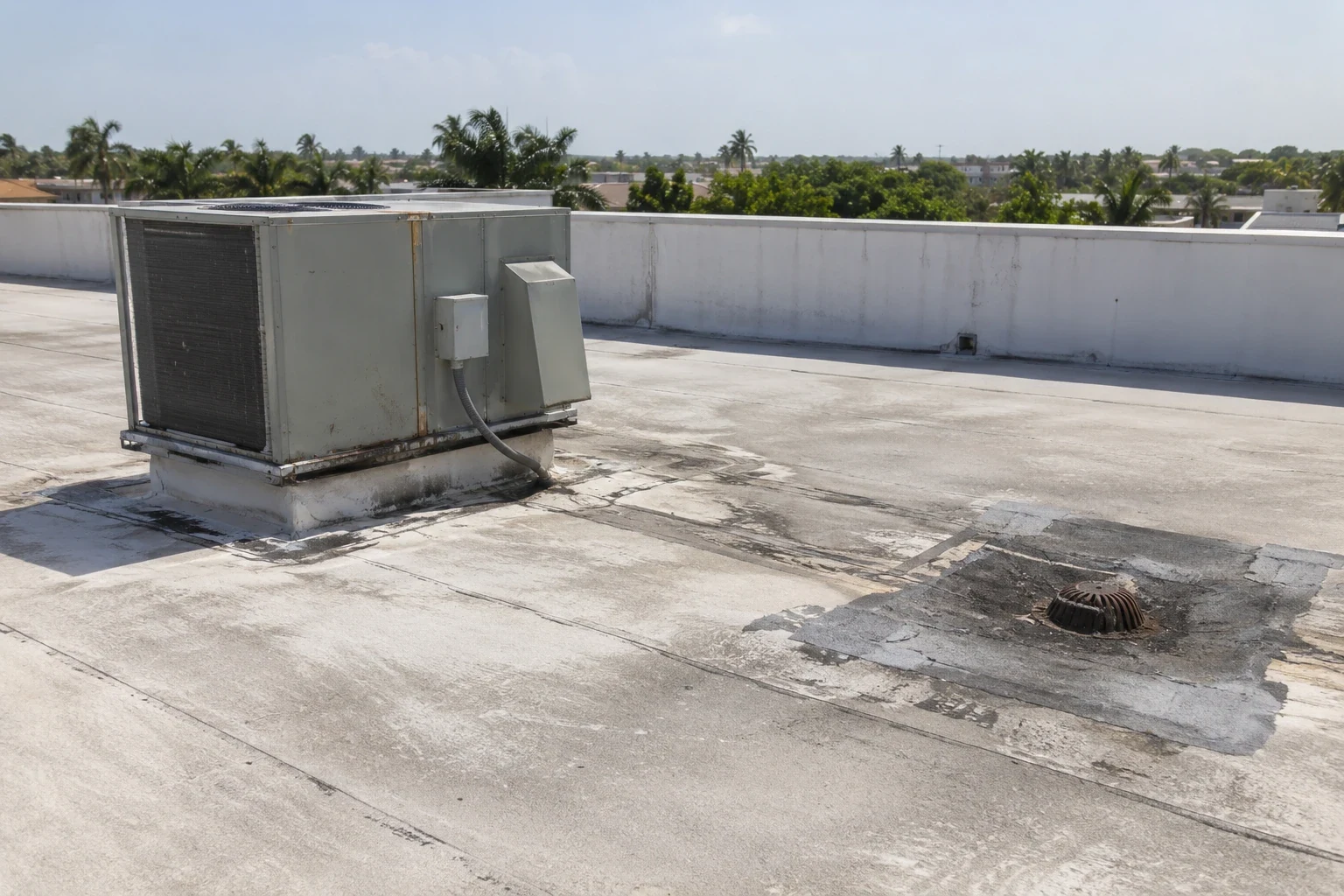
Before mobilization, identify the contracting contact, facility representative, approved worker roster, vehicle details, tool requirements, escort conditions, and delivery procedure. The installation determines which records are required, how early they must be submitted, and whether workers may move between areas. We use the project’s instructions and confirm changes with the authorized contact; access approval for one visit does not imply access to another building or future phase.
Map roof routes, laydown, fall-protection needs, and restricted operations below. Confirm handling rules for tools, cameras, and radios in advance. Name a contact for access delays or weather holds, then review daily work boundaries at an approved location.
The Texas Army National Guard Victoria Readiness Center is one local military facility in the Victoria area. That reference does not establish its current roof condition or project scope. A contractor evaluates the assigned building, contract documents, and authorized site instructions before preparing any roofing recommendation.
Set access and escort requirements first
Military roofing packages may require product data, shop drawings, samples, safety documentation, quality-control procedures, and a detailed work sequence. The exact list comes from the solicitation, contract, and approved changes. We track each required item and its review status so field installation does not proceed on an unapproved assumption. If a specification conflict or concealed condition affects the assembly, submit a clear request for direction before altering the work.
Where Unified Facilities Criteria (UFC) or other agency criteria are referenced, verify the edition and clauses identified by the contract. Do not assume every installation applies the same criteria or that a familiar detail satisfies a specific project. Product selection, wind design, attachment, fire classification, and warranty requirements must be read against the project documents and reviewed by the responsible design professional.
A submittal register should tie each roof section to the specified system, substrate, insulation, cover board, flashing, and perimeter details. A condition inspection can document existing layers before work begins. Keep approved substitutions and field clarifications attached to the affected detail so the crew can verify the current direction at the roof.
Build submittals from the contract documents
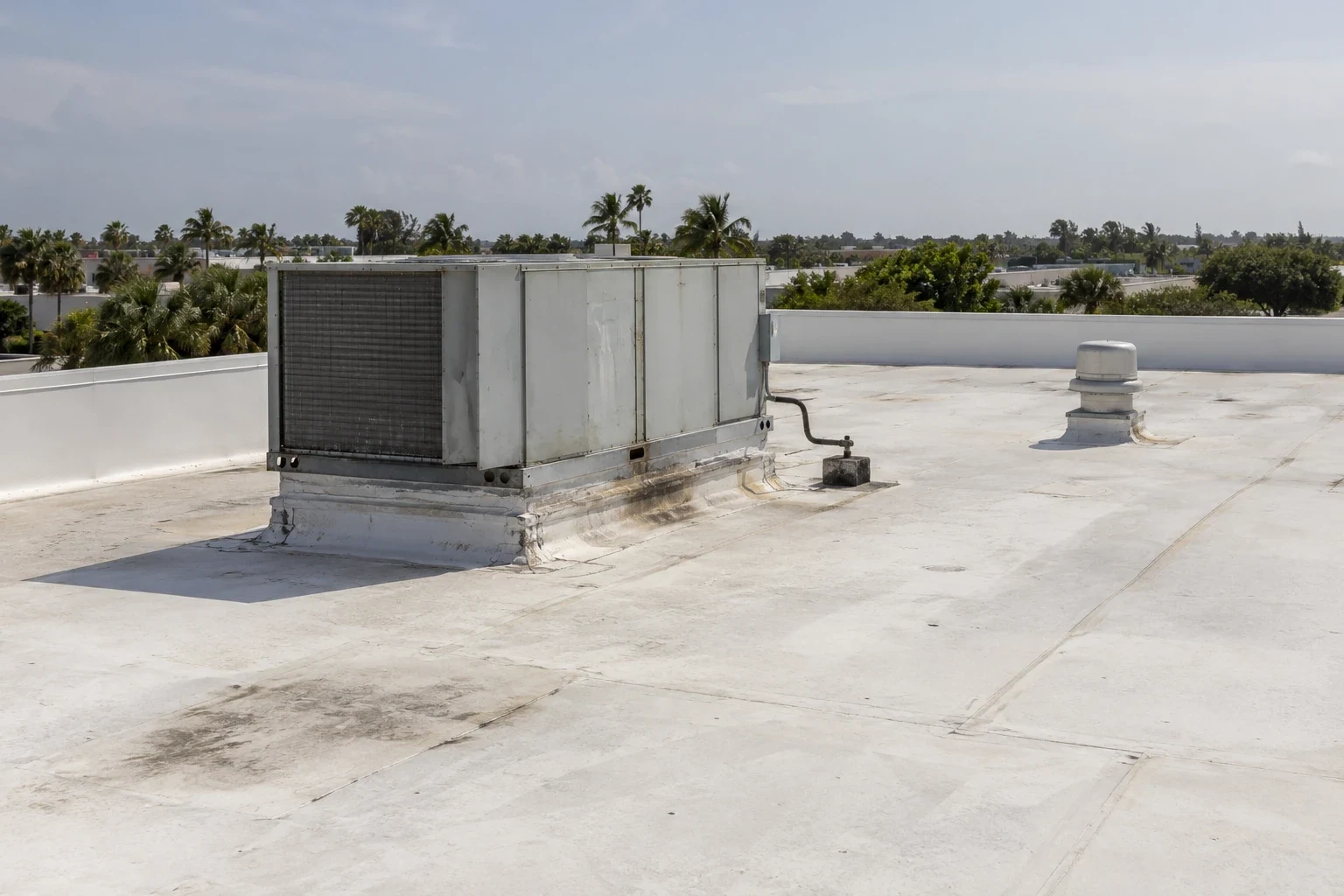
Mission schedules can change the available work window. Confirm quiet periods, vehicle movement, training activity, emergency routes, building occupancy, equipment shutdowns, and days when roof access is restricted. The project contact identifies the operating information that can be shared with the roofing team. We use only what is necessary to sequence safe access and protect the active facility.
Divide reroofing into sections that can be opened, rebuilt, inspected, and secured within the approved shift. Set a weather-protection plan for any roof area that remains incomplete at day’s end. A phased occupied-building sequence can organize protection, interior coordination, and daily closeout. When an unplanned mission need interrupts work, secure the exposed assembly and follow the installation’s direction for leaving the area.
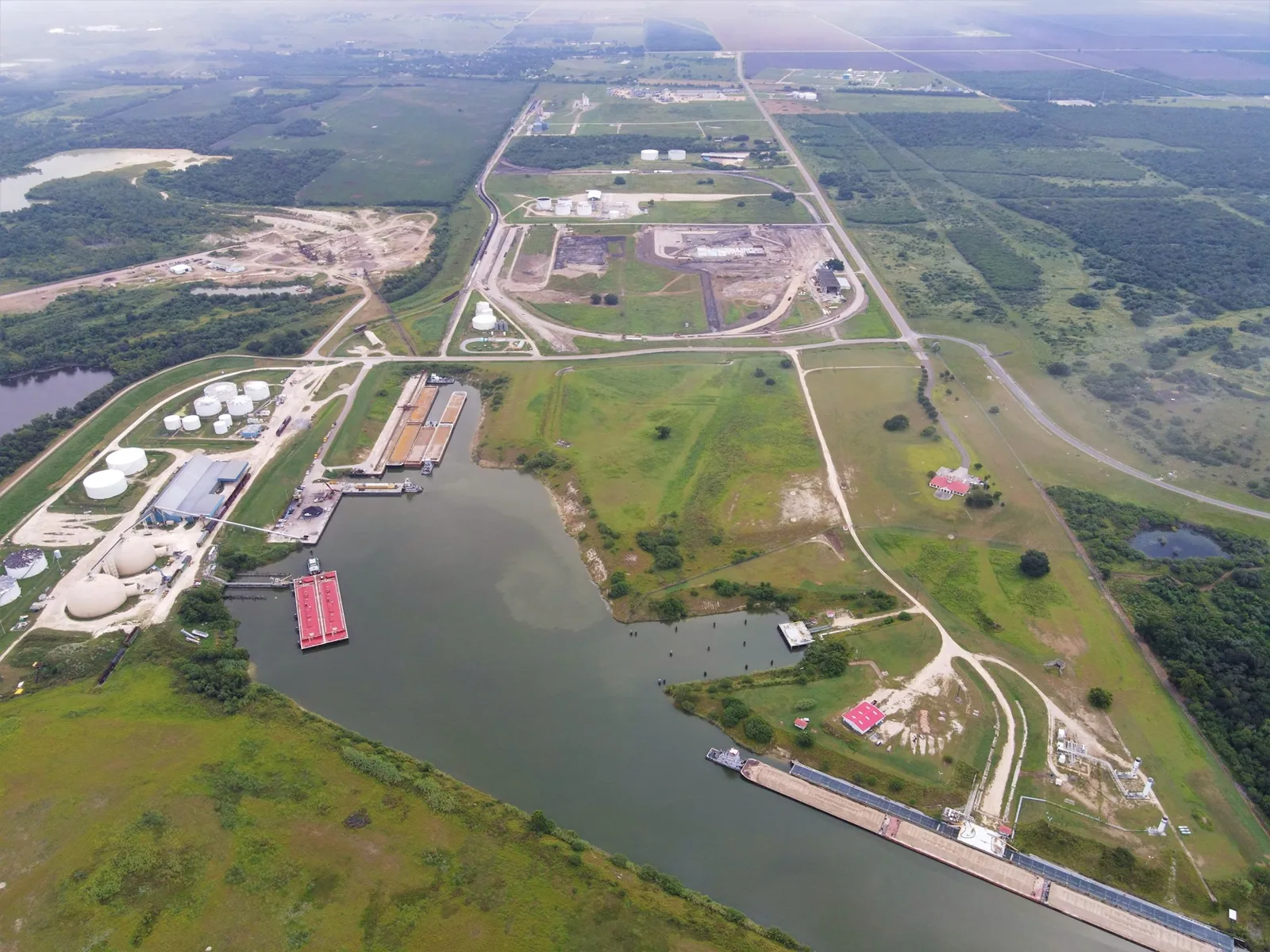
Victoria Regional Airport’s industrial and commercial development areas connect freight activity to US 59 Business. That regional logistics context can matter when planning materials, but each installation sets its own delivery access and staging rules. Confirm the specific route and arrival window with the contract contact rather than assuming nearby freight operations indicate an approved path.
Sequence work around facility operations
Before removal, photograph the roof by section and note the existing membrane, insulation, drains, curbs, equipment supports, edge metal, and previous repairs. Mark locations on the approved roof plan so both the field crew and government representative can find the same detail. Keep pre-existing damage, active leakage, and concealed conditions distinct from work performed under the contract.
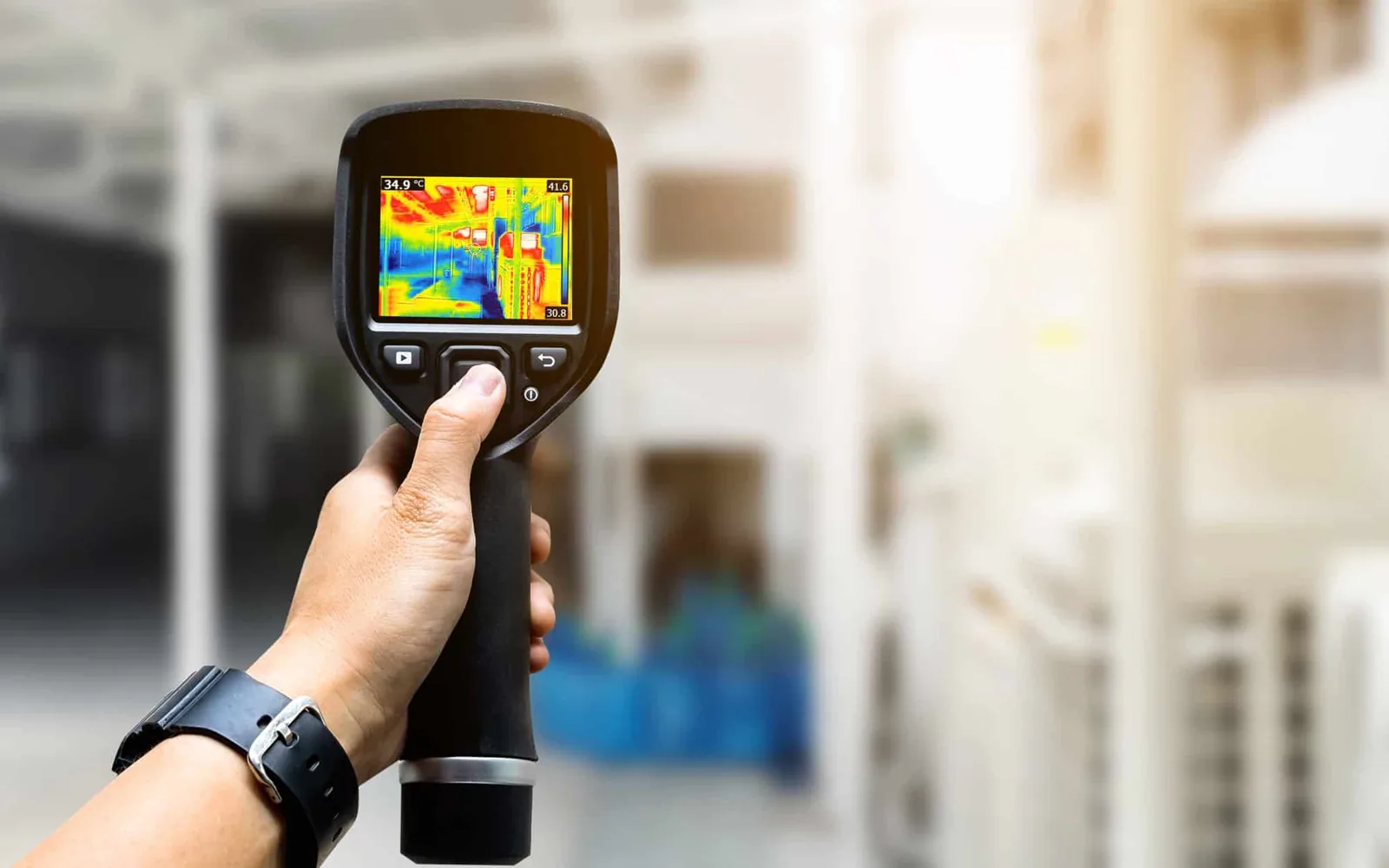
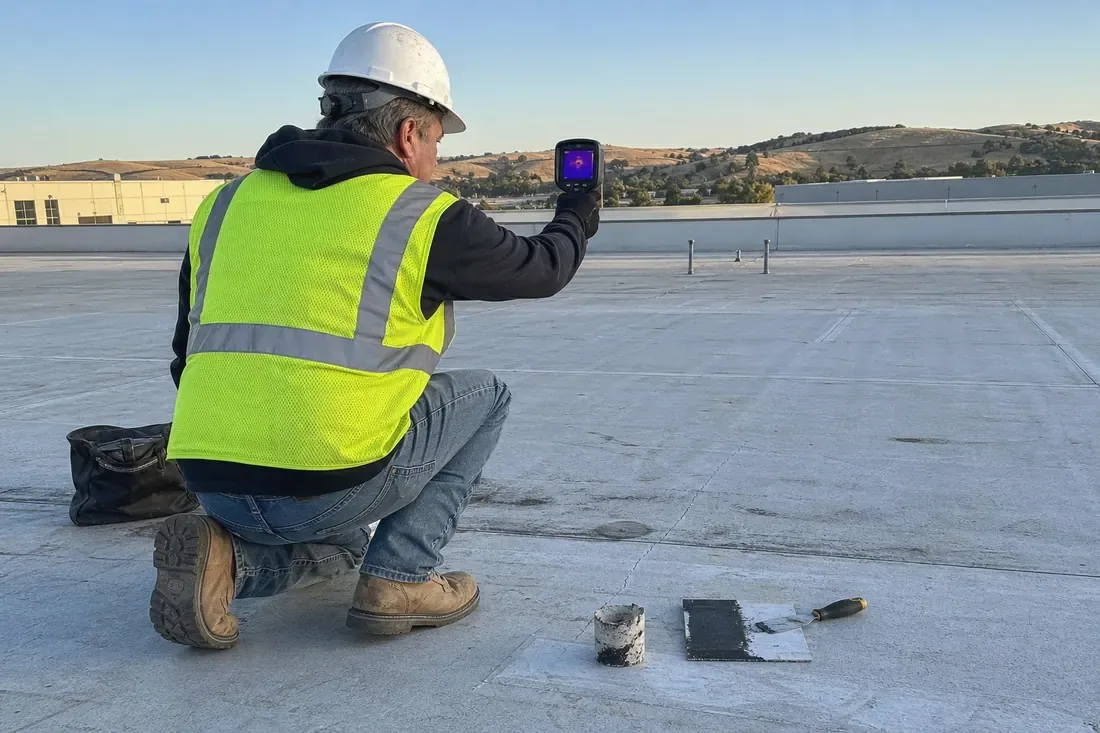
If an opening reveals wet insulation, corrosion, damaged decking, or a detail that differs from the drawings, protect the area and follow the contract’s notification and change process. Do not conceal an unapproved condition under new material. Document what is visible, the location, and the immediate weather protection installed while awaiting direction. An infrared survey or other test may be useful when the project authorizes it and the result can inform the repair scope.
Victoria’s weather record includes damaging gusts and tropical-cyclone exposure. Monitor conditions at the job site and maintain the specified temporary protection; regional storm history does not substitute for the contract’s weather procedures or site-specific forecast review. The crew lead reports any condition that could affect the building’s operation or schedule to the designated contact.
Document existing conditions and limits
Installation follows the reviewed assembly and manufacturer instructions identified by the project. Verify substrate preparation, insulation layout, attachment, membrane seams, curb flashing, drain connections, and edge termination as work advances. Keep inspection points accessible until they have been reviewed. For a single-ply roof, record seam preparation and test results where required. For metal or built-up assemblies, use the approved detail for laps, fasteners, and transitions.
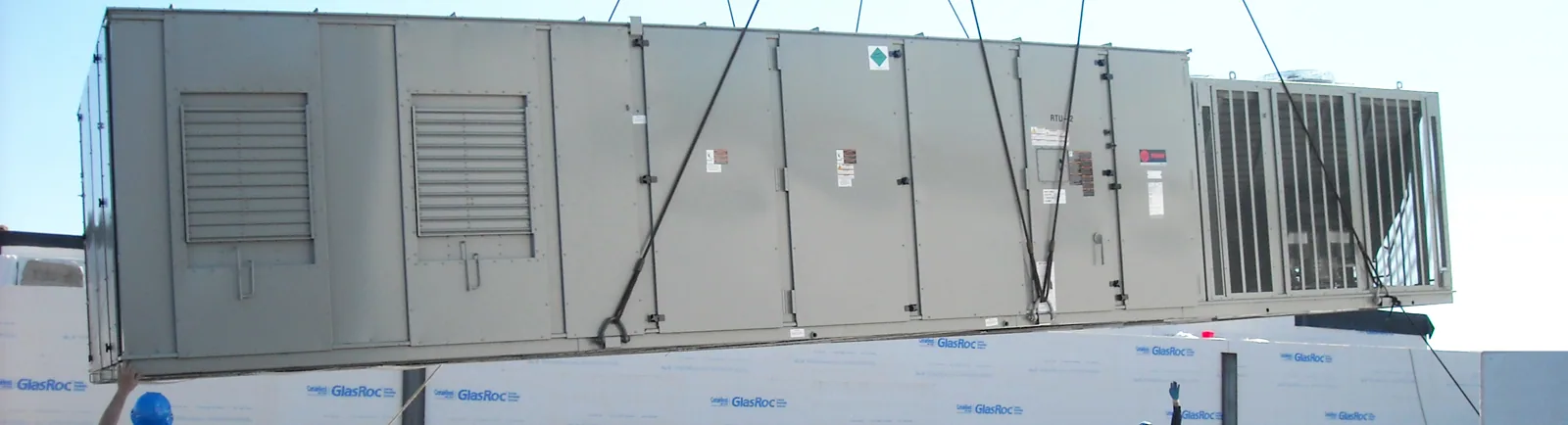
Military buildings can include antennas, conduits, mechanical equipment, and roof access controls. Coordinate any shutdown, move, or protection with the responsible trade and facility contact. A curb and support detail review can help connect the roofing sequence to unit access and flashing needs. Any change to the approved assembly goes through the project’s formal review path.
Material traceability, daily reports, weather logs, and inspection records should identify the work area and date. Keep them factual and consistent with the contract. If a test is incomplete or access was restricted, state the limit rather than reporting a passed inspection. The final record should make clear what was installed, what was observed, and any work remaining for another phase.
Check details against the approved system
At the end of each shift, remove debris, secure materials, close roof access points, and follow the installation’s procedure for tools and credentials. Confirm that drains are open and temporary protection is in place before leaving an active roof. Report the work area’s status to the authorized contact and document any restriction or condition that remains for the next shift.
Final closeout may include inspection records, test results, product documentation, warranties required by contract, as-built roof plans, photographs, and operation or maintenance information. The contract defines the deliverables and acceptance process. Label files by facility, roof section, and detail without adding security-sensitive information to a general public project description.
For a local Victoria project, material access may involve regional routes serving the Port of Victoria Industrial Park South. Installation delivery controls still govern the final route. A roof condition report can preserve the inspected assembly and completed details in the format approved for that facility.
Close out records and access credentials
Share the solicitation or work order, roof plans, specifications, submittal register, access contact, and approved schedule. We will review the assigned scope, identify existing conditions that affect sequencing, and coordinate roof access and documentation with the designated project representatives.
For urgent water entry, include the affected building, roof section, mission constraints, and installation contact. Emergency stabilization remains subject to access approval, escort instructions, and the site’s safety process. The repair record will show what was protected, which detail was corrected, and what requires further direction.
Request a military roofing review
Related Roofing Work
Frequently Asked Questions
Can your crew enter a military installation without an escort?
The installation and contract determine access and escort requirements. We confirm the approved process with the authorized project contact before mobilization.
Which UFC roofing standard will you use?
We verify the edition and requirements cited in the project documents. The governing criteria can vary by contract and are not assumed from the facility type.
How do you handle mission schedule changes?
The designated contact provides the available work window. We secure the active roof section and follow site direction when a schedule change interrupts installation.
What happens if roof conditions differ from the drawings?
We photograph and locate the condition, protect the opening, and follow the contract’s notice and change process before expanding the approved scope.
What records are included at closeout?
The contract controls required deliverables. These may include inspection and test records, approved product information, photos, roof plans, and maintenance documents.
Provide the work order, specifications, roof plans, submittal requirements, access contact, and approved schedule. We will coordinate the roof sequence and document field conditions within the installation’s procedures.
Call 555-555-5555 or email [email protected].