
Grocery Store Roofing in Victoria, TX
Property Types We Roof · Victoria, TX
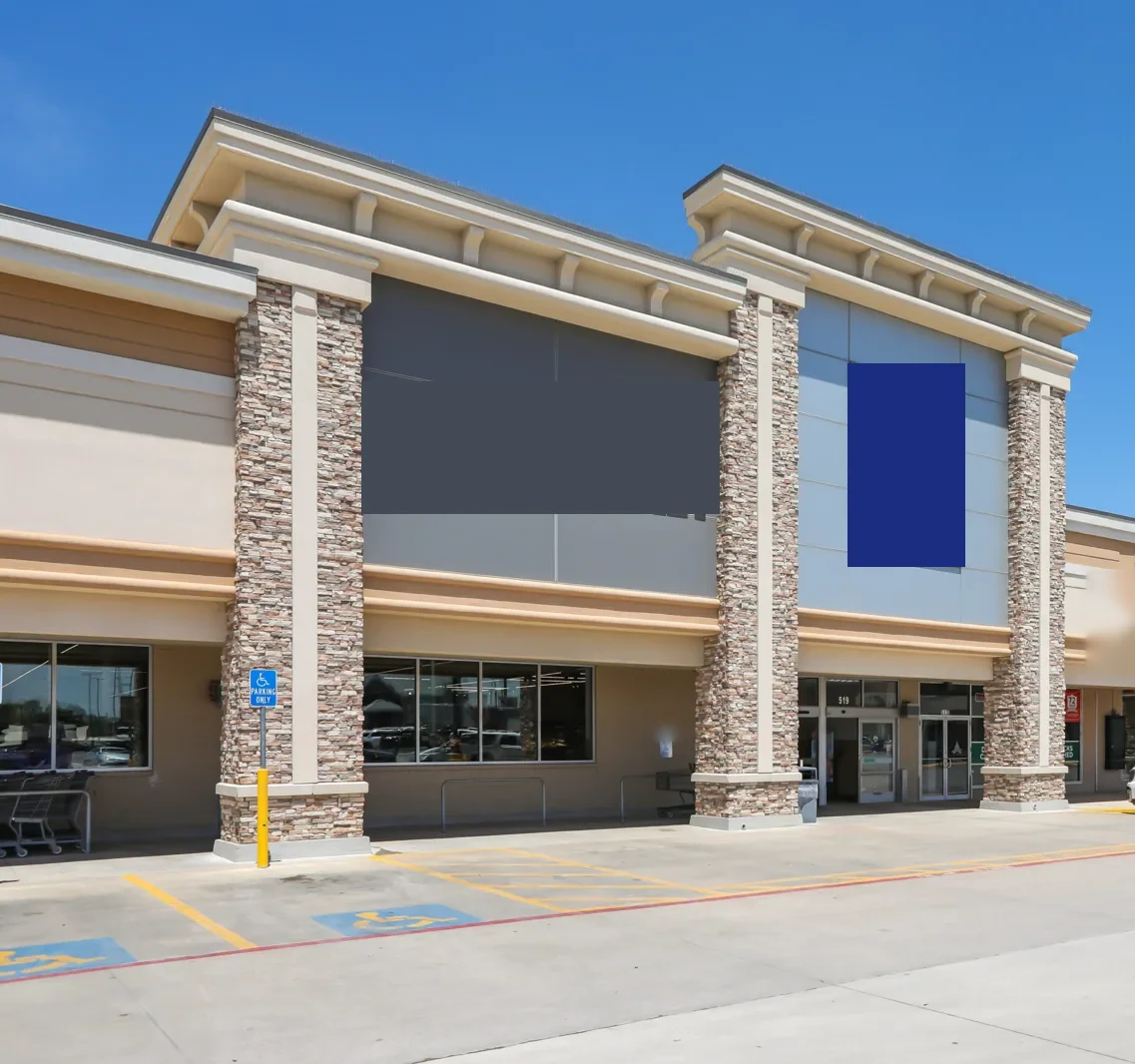
Grocery store roofing in Victoria protects sales floors, coolers, receiving areas, and rooftop equipment through heat, hail, and wind exposure.
Next step
Request a Roof Assessment
Call
555-555-5555
A cooler alarm, a ceiling stain, and a roof leak may share a path through the same curb or membrane seam. Grocery store roofing starts by mapping the affected department, refrigeration equipment, receiving route, and roof section before anyone opens the assembly. Victoria’s heat bears on membrane and flashing condition, while hail and strong wind can leave damage that is not visible from the sales floor. We inspect the actual roof, protect food and equipment below, and set a repair boundary the store manager can follow.
Grocery Store Roofing

Locate the report against a building plan that includes produce, dairy, frozen food, preparation rooms, offices, and receiving. The ceiling mark may sit away from the entry point, so compare it with drains, roof edges, refrigeration lines, exhausts, and every curb above the area. A commercial roof inspection gives the store and facilities contact a shared record of what is wet, what is only stained, and what needs a closer look.
Ask the manager which aisles or back-of-house spaces need protection, whether refrigeration must remain available, and when deliveries use the dock. A sound repair can still interrupt receiving if a hose, debris path, or lift blocks the dock. We coordinate staging, roof access, and interior protection. Each building in a portfolio gets a separate plan and repair history.
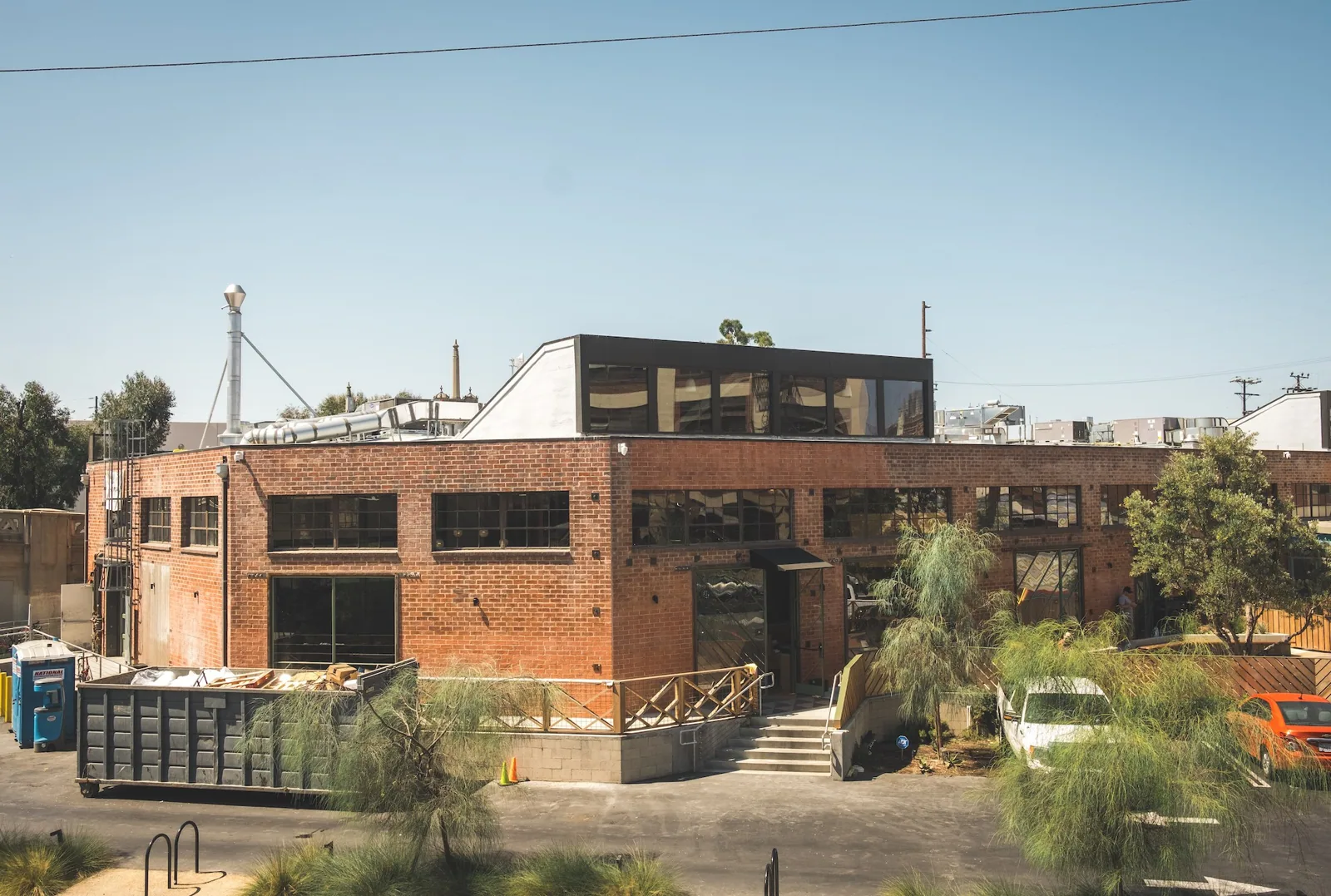
Victoria’s north Navarro Street retail corridor contains a concentration of shopping uses identified in the city plan. Each grocery roof still needs its own inspection. A shopping-center roof and a big-box store roof also require their own access and drainage review. In the North Navarro Street retail corridor, we plan roof access around the store’s actual traffic and receiving conditions, rather than assuming nearby properties share the same layout.
Map coolers, aisles, and receiving access
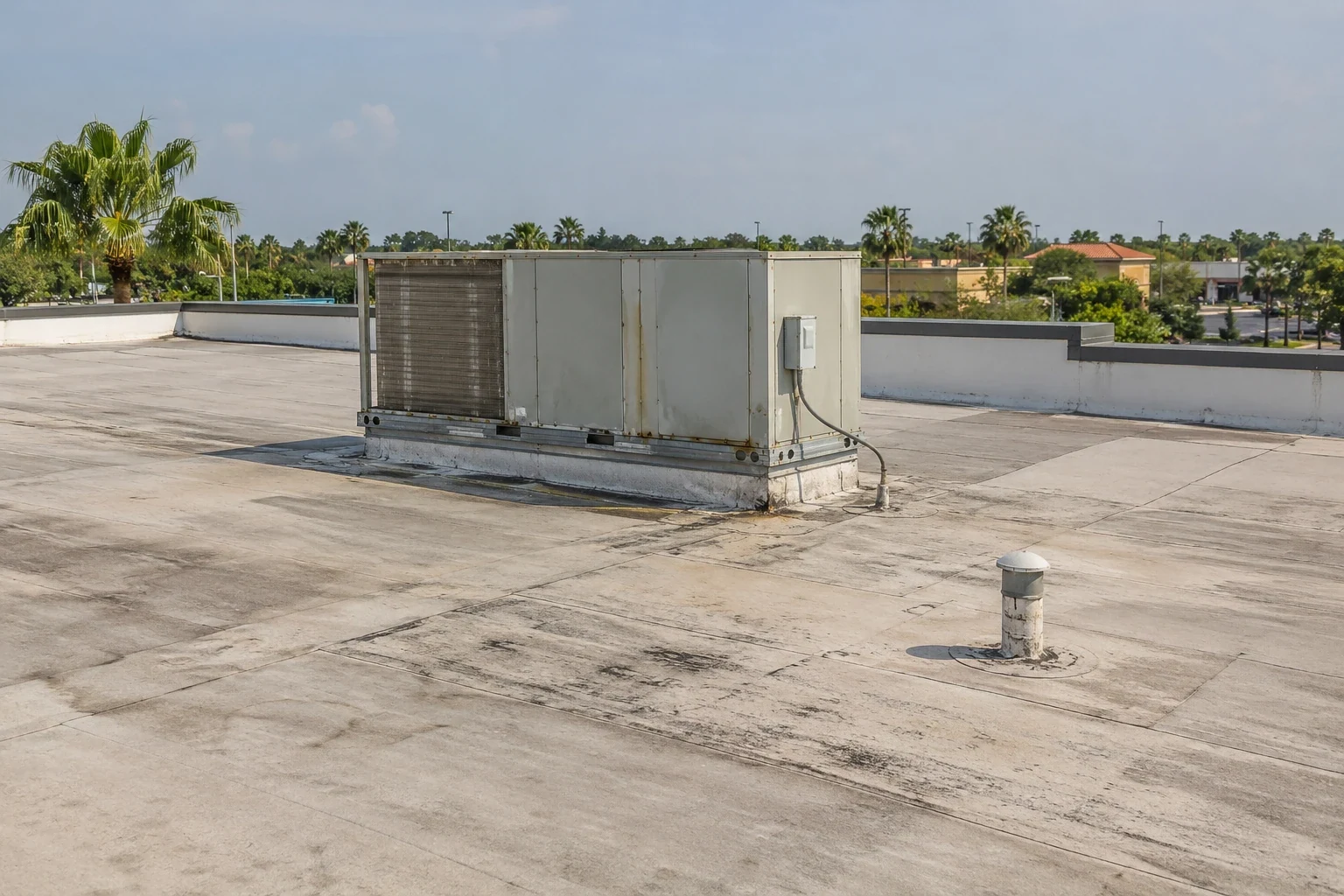
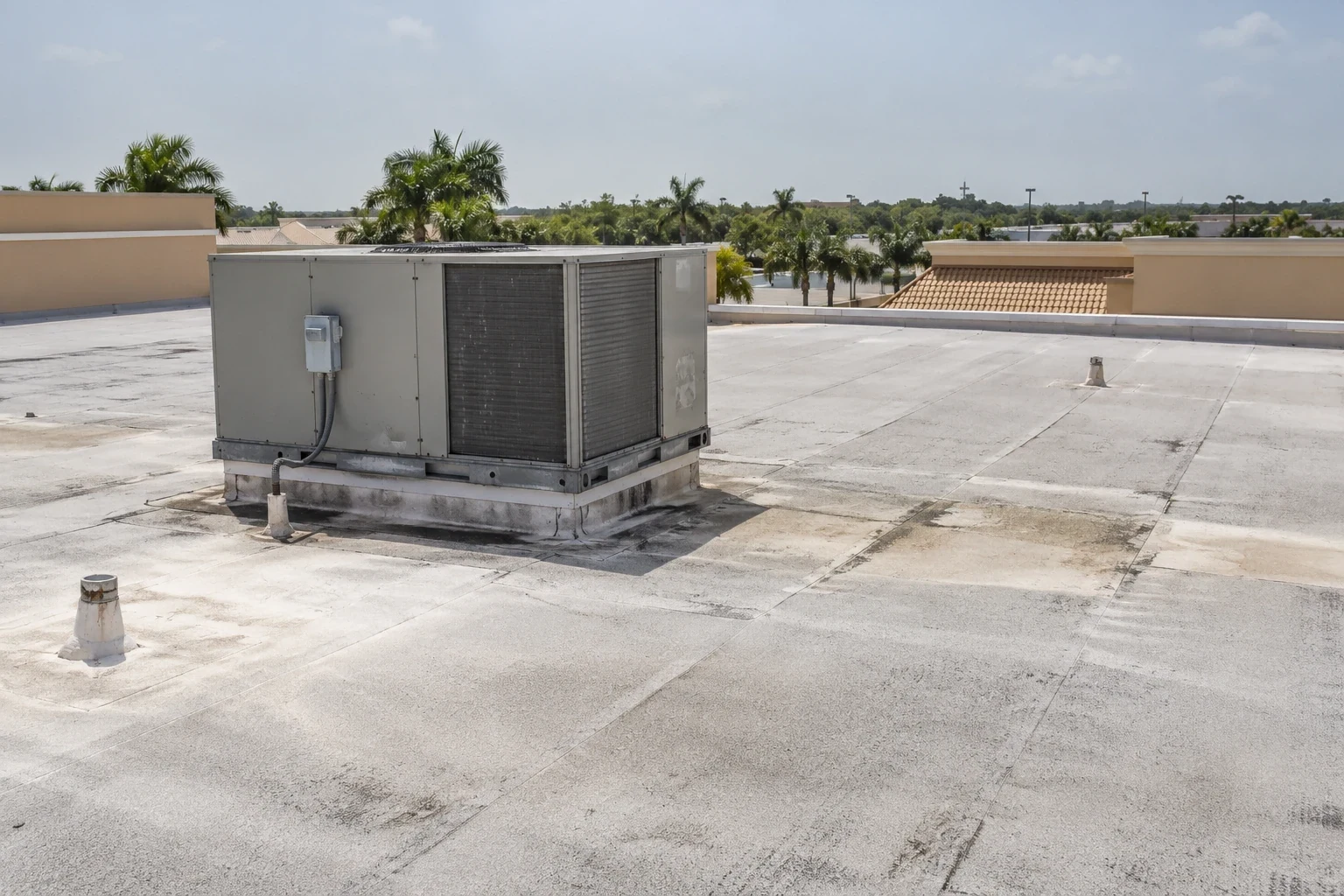
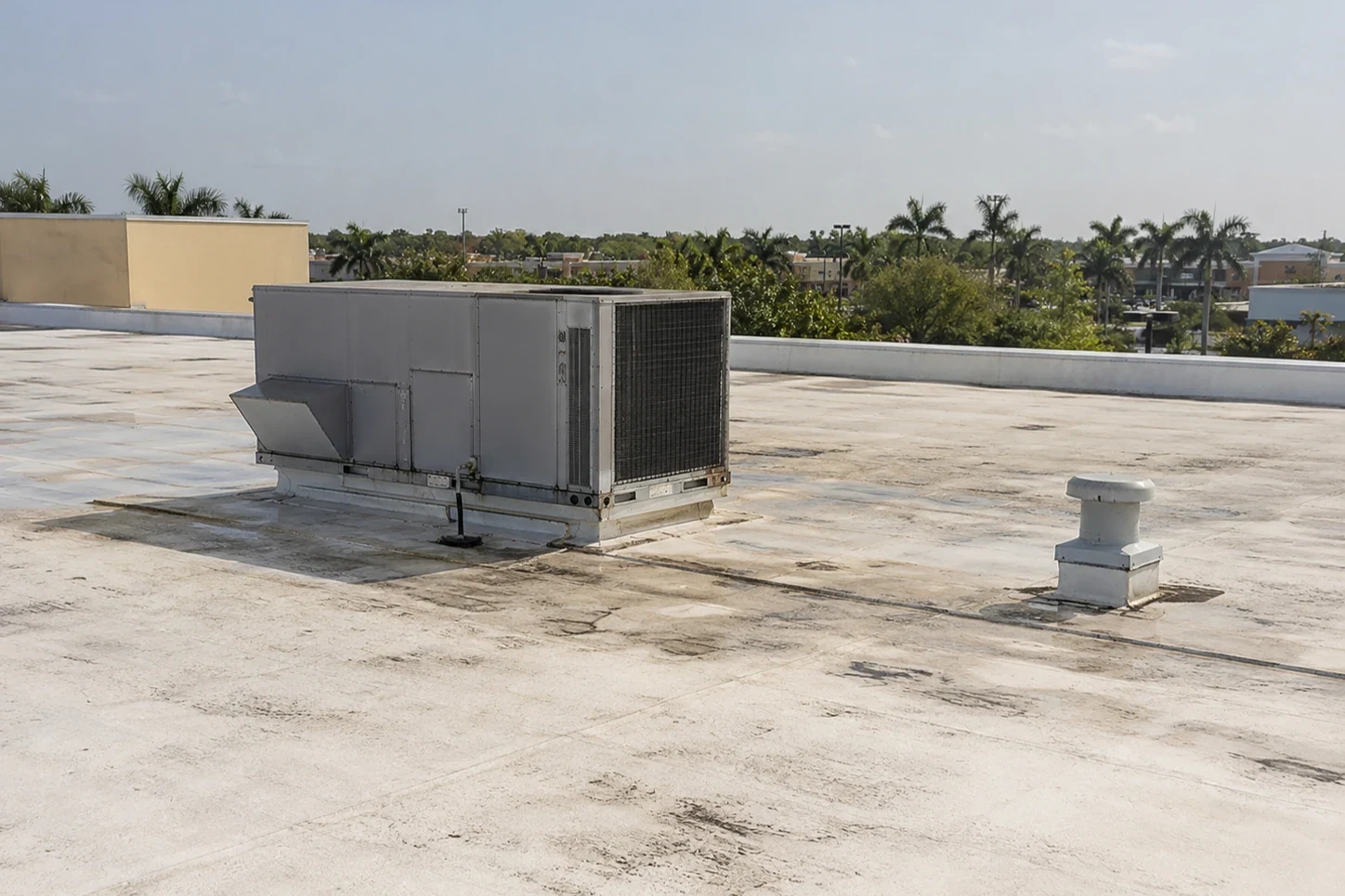
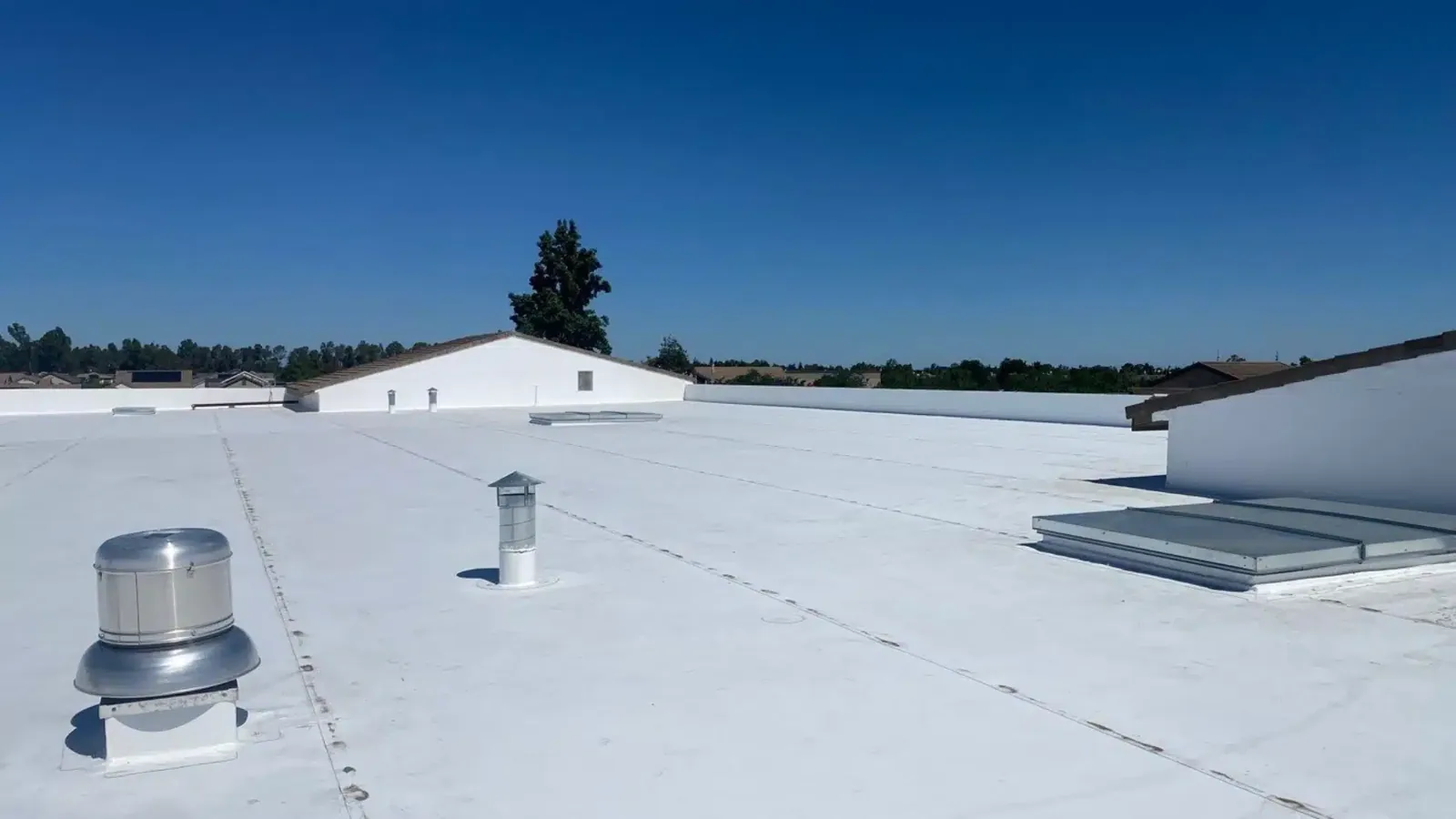
Refrigeration piping and equipment create several transitions through or above the roof. Inspect the curb counterflashing, membrane termination, support feet, condensate routing, and nearby seams. A loose line support can abrade a membrane; a failed flashing corner can admit water beside a curb while the equipment itself continues to run. We photograph these details and compare them with interior evidence before deciding whether the repair is limited to flashing or includes a broader roof section.
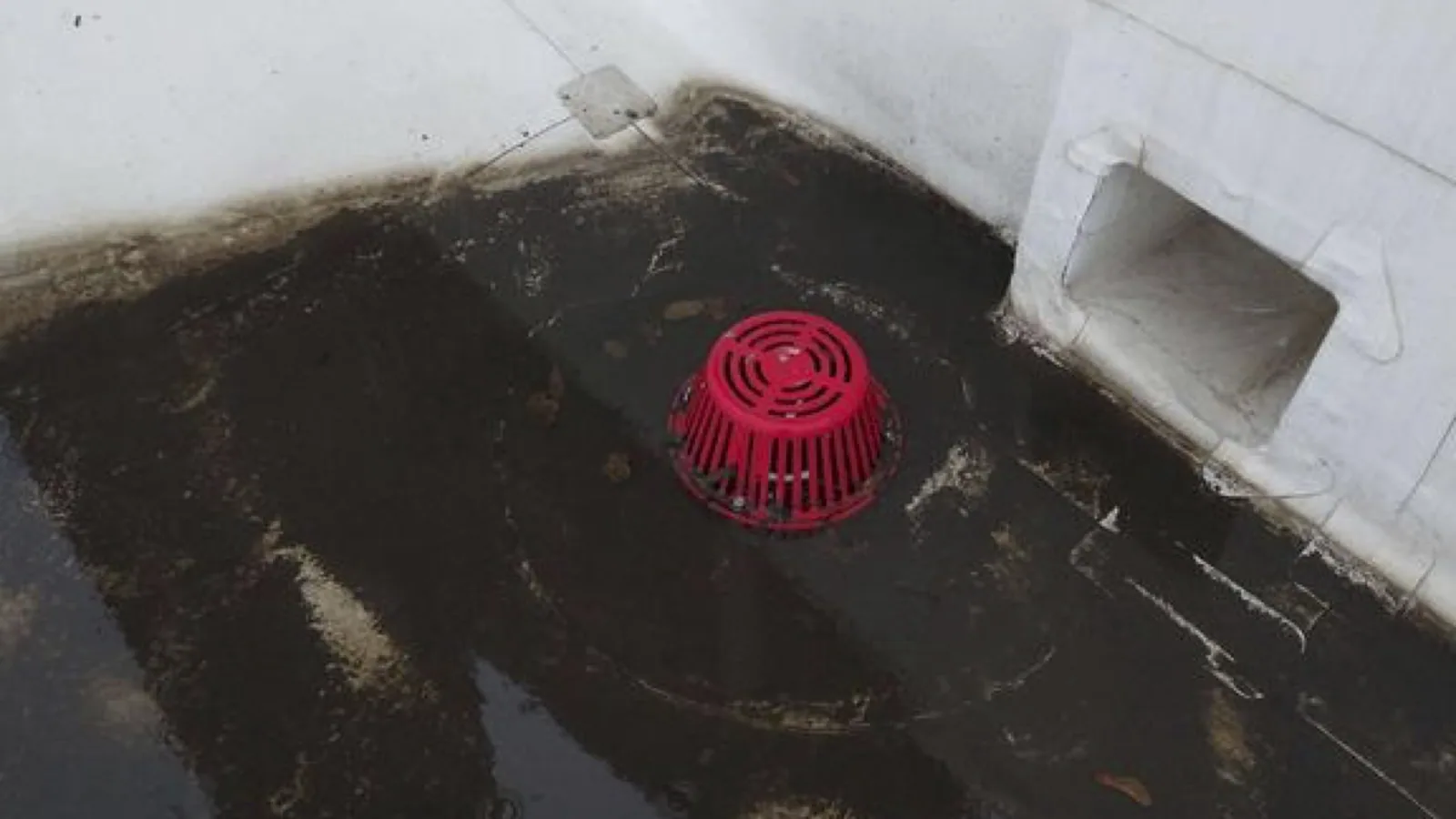
Drain bowls and scuppers deserve a close look where packaging, leaves, or windblown debris can slow drainage. Standing water may reveal a blocked outlet, a low area, or a change in the roof plane. We clear the cause where included in the scope, check the drain connection and surrounding membrane, and note any condition that requires a separate correction. A drain and scupper repair should leave the outlet open and the roof tie-in watertight.
Victoria’s recorded hot-season temperatures make surface aging and safe work timing part of the inspection. Heat can accelerate wear in exposed materials and makes an afternoon roof walk different from an early access window. After a hail warning or damaging wind, inspect metal edges, rooftop equipment attachments, membrane laps, and penetrations for impact or movement. We separate observed damage from older wear so a manager can assign the right next step.
Trace moisture around refrigeration equipment
Before work begins, identify sensitive products, open food-preparation areas, cooler controls, and any ceiling space where dust could reach merchandise. The store contact sets the interior protection limits and communicates whether an aisle must stay open. Roof workers can then use a defined route, keep removed material contained, and avoid staging above areas that cannot be protected during the work window. If the leak needs immediate containment, we explain the temporary measure and the permanent repair separately.
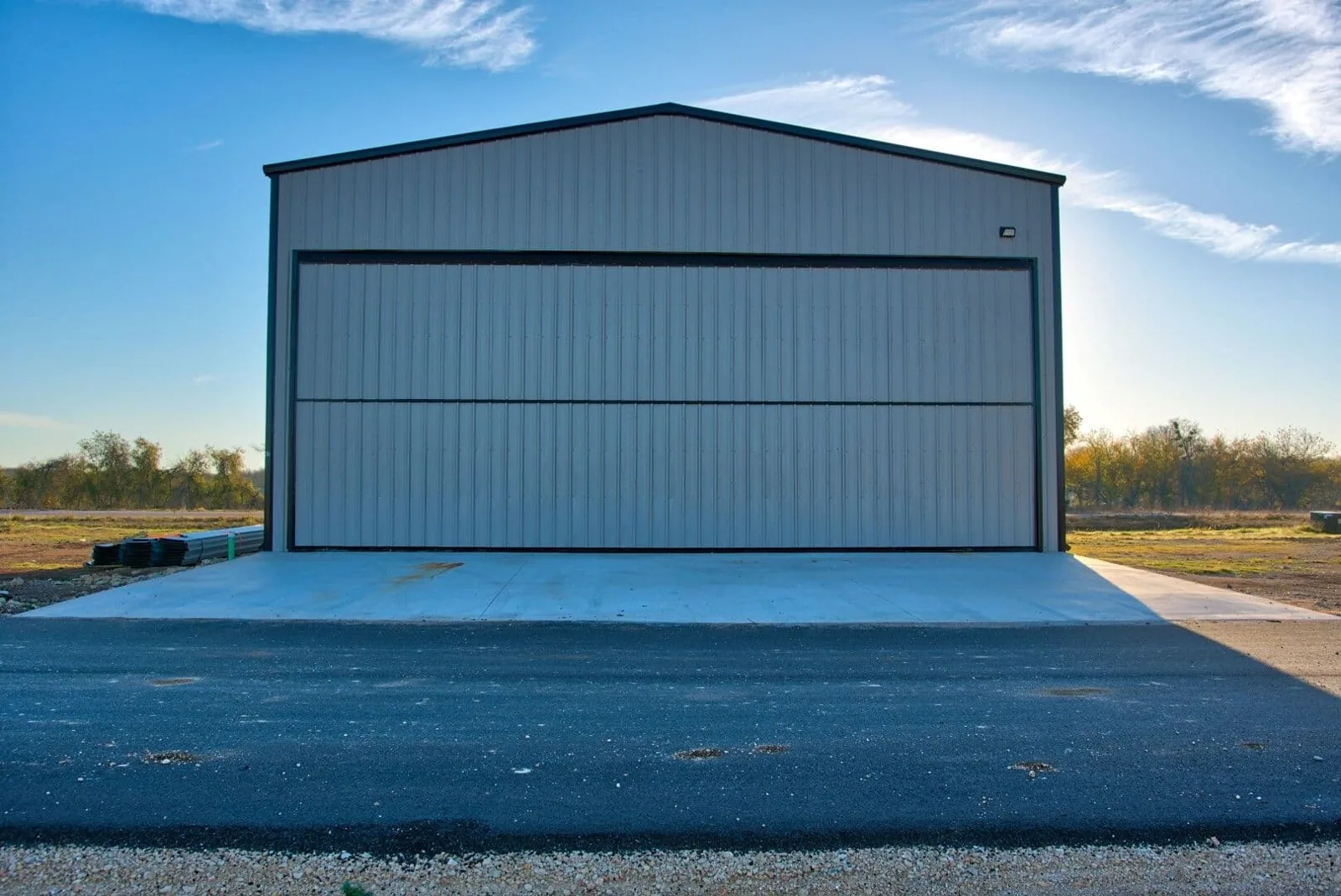
Deliveries add a second access constraint. A lift or material load may compete with trucks arriving at the dock, so confirm the receiving schedule and the area available for unloading. In Victoria, the regional network connects retail properties with US 59, US 77, and other commercial corridors; the route to one store does not tell us where its loading doors or rooftop access sit. The building walk establishes those details before a crew and materials are dispatched.
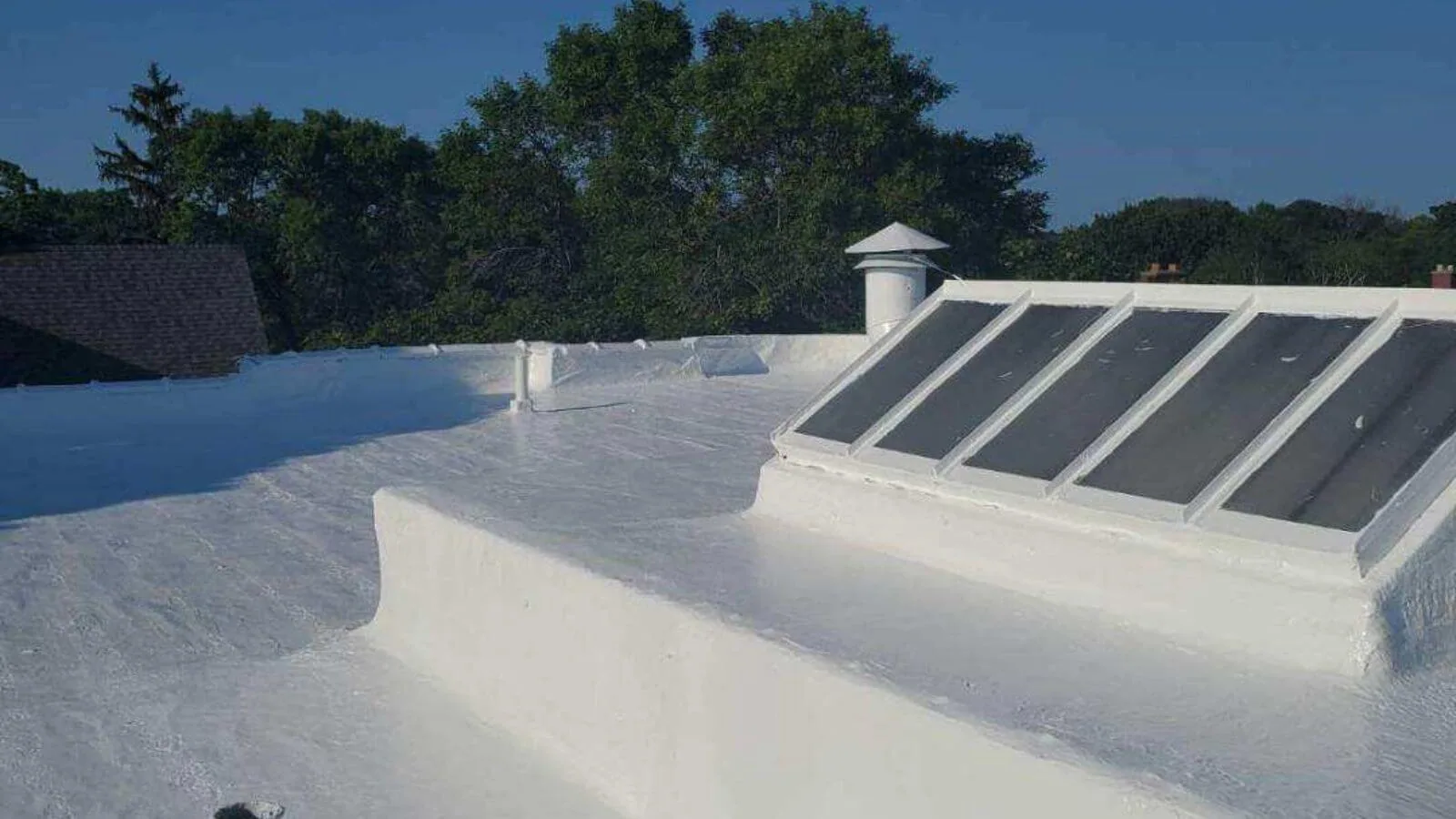
When the roof repair involves a membrane system, the exposed surface needs to be clean, dry, and compatible with the selected materials. We remove unsound material to a stable edge, prepare the substrate, and complete the patch, seam, or flashing tie-in required by the assembly. For a TPO roof or PVC membrane, the repair method must suit the installed sheet and seam condition. A coating is not a substitute for correcting active movement or wet insulation.
Protect food areas and store operations
A single puncture, open lap, or curb failure may support a localized repair when the surrounding membrane and substrate are sound. Repeated leaks across separate sections, widespread seam release, or wet insulation can change the decision. We mark the limits of visible and confirmed damage, explain which findings are proven and which remain uncertain, and compare repair with replacement or a larger restoration scope. A seam failure repair needs sound material on both sides of the tie-in; covering a separated edge leaves the failure path in place.
Cost and timing follow the roof assembly, access, amount of material to remove, equipment density, and protection needed inside the store. Refrigeration lines or rooftop units may require additional coordination before a curb or support can be disturbed. The condition of insulation beneath the membrane can also expand a small-looking repair. We record those drivers in the scope so the manager sees why a patch, selective replacement, or larger project differs in labor and sequence.
For a property with roof records, compare the current inspection with prior repair boundaries and system details. If documentation is missing, we identify what can be confirmed in the field before recommending a next action. Our roof maintenance program can track drain cleaning, exposed flashing, equipment supports, and repairs after the immediate issue is resolved.
Choose a repair that fits the installed roof
Closeout photographs should show the repair boundary, nearby roof details, and the area after tools and materials are removed. We note the materials installed, any section left under temporary protection, and the next inspection or repair step. The store contact can retain the record with equipment and roof documents, then connect a future alarm or ceiling report to the location already examined.
Victoria’s port and industrial logistics network is separate from the city’s retail corridors, but it illustrates why access planning must use the property’s own operating conditions. Port of Victoria Industrial Park South combines highway, barge, and dual-rail freight; a grocery receiving dock has its own delivery windows and constraints. Port of Victoria Industrial Park South provides context for the wider market, while our roof plan remains specific to the store being serviced.
Share the building address, leak location, roof records, refrigeration or HVAC concerns, and an access window when requesting service. We will inspect the reported section, trace related water paths, check drains and penetrations, and photograph the details that determine the scope. A manager receives a clear account of what was repaired and what still needs a decision.
Leave a store-ready repair record
Related Roofing Work
Frequently Asked Questions
Can a leak beside a walk-in cooler come from somewhere else on the roof?
Yes. Water can move along the deck, insulation, or framing before it appears inside. We compare the ceiling location with curbs, piping, seams, drains, and roof transitions, then document the opening we can confirm.
What should the store prepare before roof work?
The manager identifies food areas, refrigeration controls, receiving hours, and interior protection limits. We confirm roof access, material staging, and any route that must remain open before scheduling the repair.
Does hail require a full roof replacement?
A hail report calls for inspection, not an automatic replacement. We check membrane, metal edges, equipment attachments, and penetrations, then distinguish impact damage from existing wear and identify any repairable area.
How do you handle an active leak while parts are being sourced?
We first assess whether a safe temporary measure can limit water entry, then state what that measure covers and what permanent materials or access are still needed. The closeout record keeps the temporary protection separate from completed repair.
Share the building type, reported leak area, roof records, refrigeration concerns, and access window. We will inspect the membrane, drains, curbs, and equipment paths, then provide photographs and a repair scope tied to the store’s operating needs.
Call 555-555-5555 or email [email protected].