
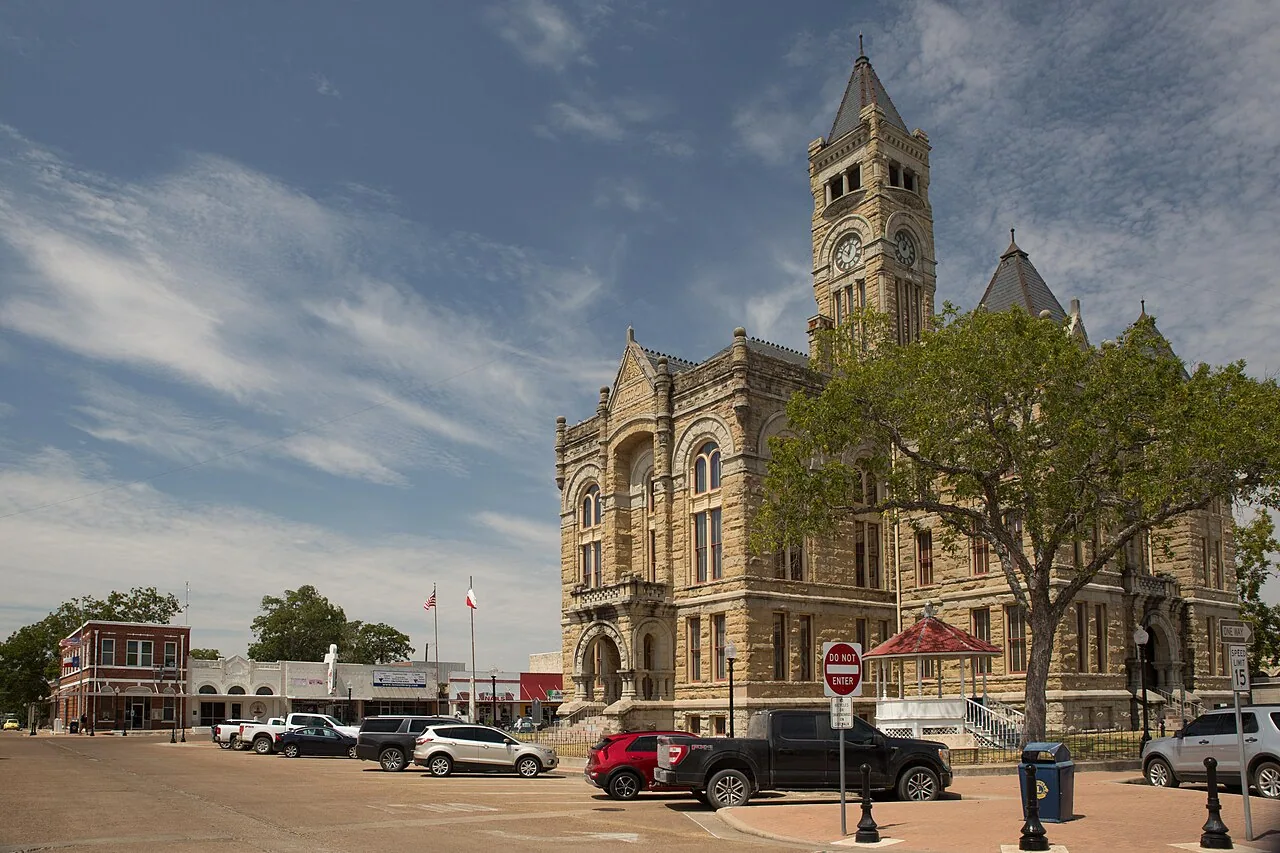
Commercial Roofing in Hallettsville, TX
Service Areas · Victoria, TX
Commercial roofing in Hallettsville, TX, with property-specific inspections, repairs, and planning for nearby businesses and commercial sites.
Next step
Request a Roof Assessment
Call
555-555-5555
Hallettsville is the Lavaca County seat at the junction of U.S. Highway 77 and alternate U.S. Highway 90A. It is part of the wider service area around Victoria, with commercial roofing work planned to the specific property and roof system. The city requires building permits and contractor registration for applicable work. We confirm the building, roof plan, reported condition, access contact, and project schedule before inspecting or preparing a scope. A municipal permit process and a roofing condition review are separate steps that the owner may need to coordinate.
Hallettsville
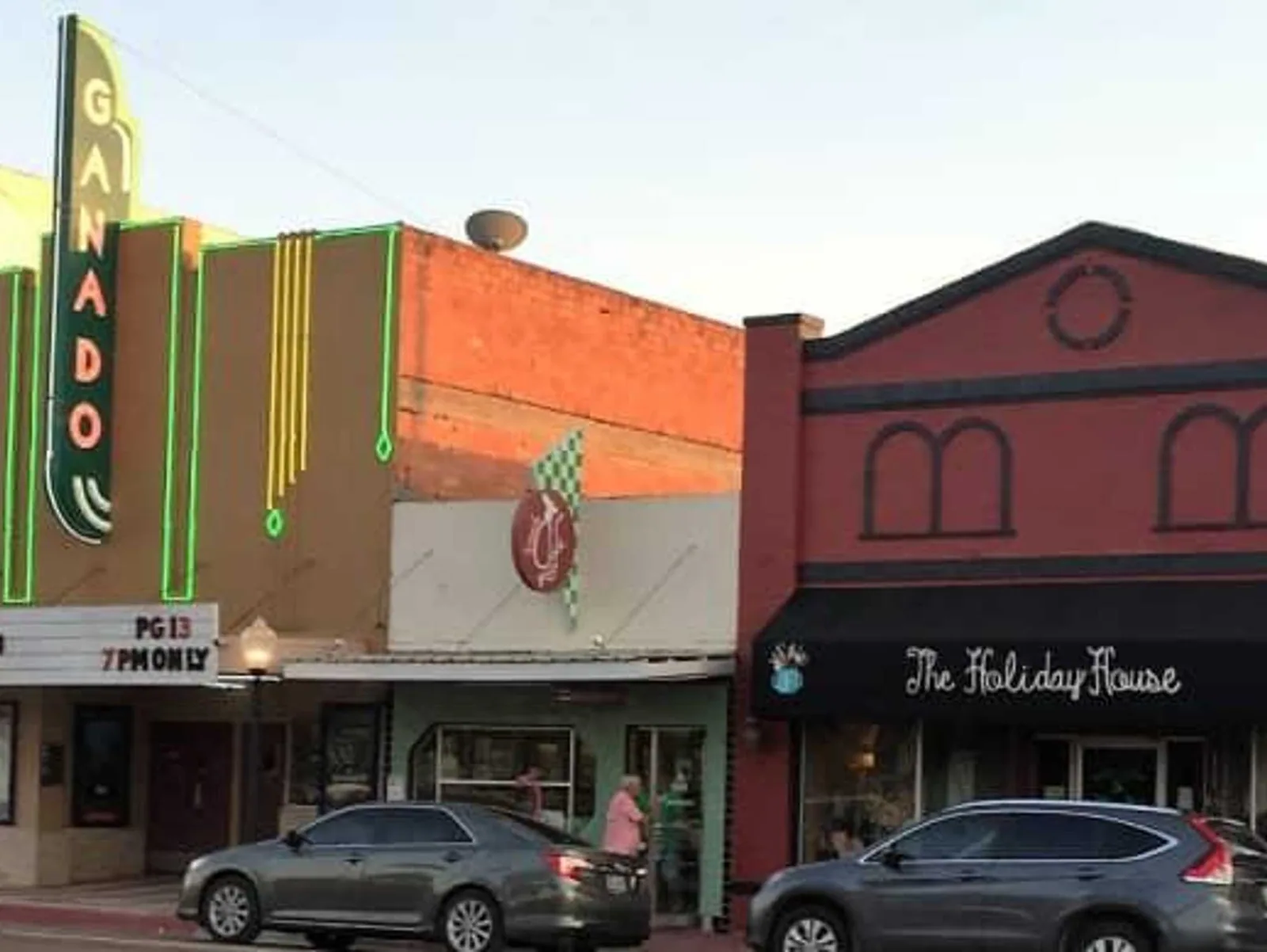
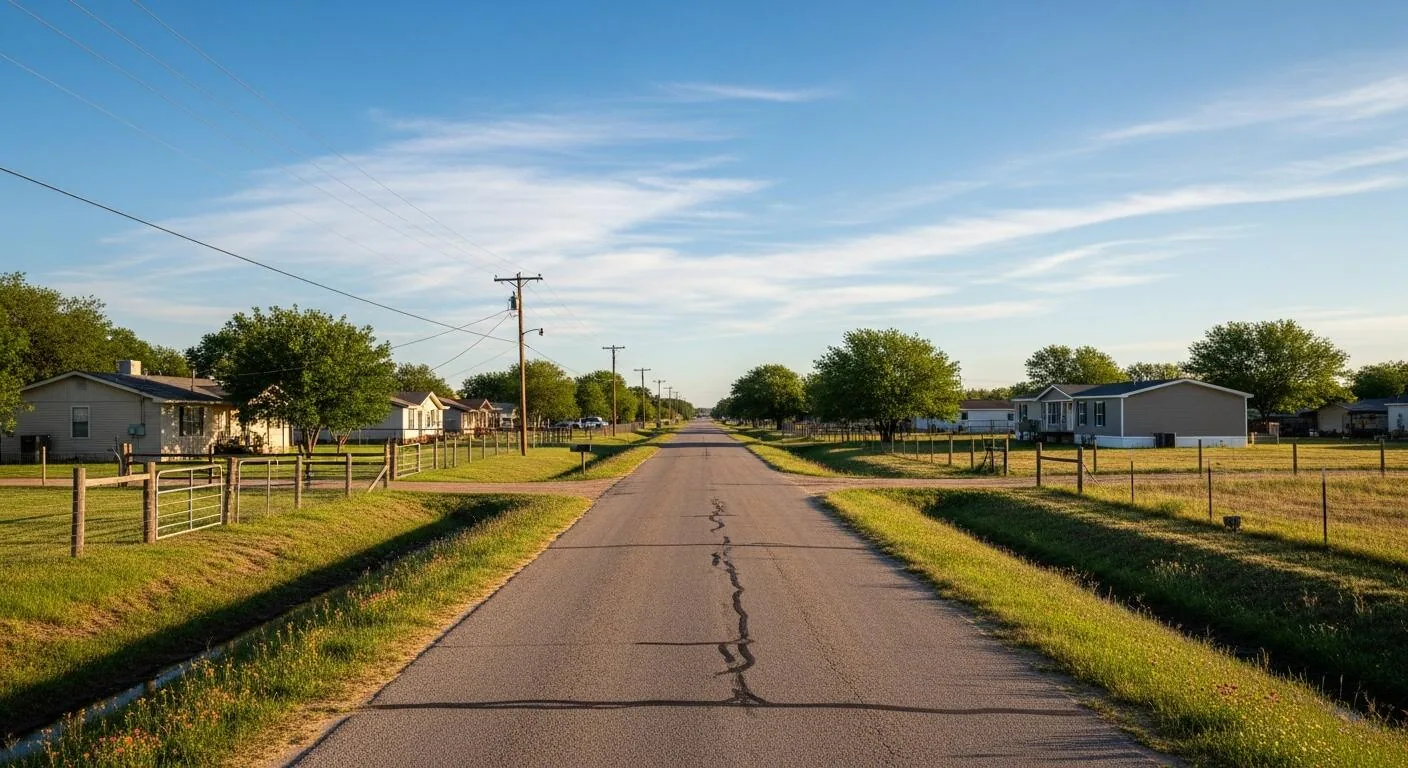
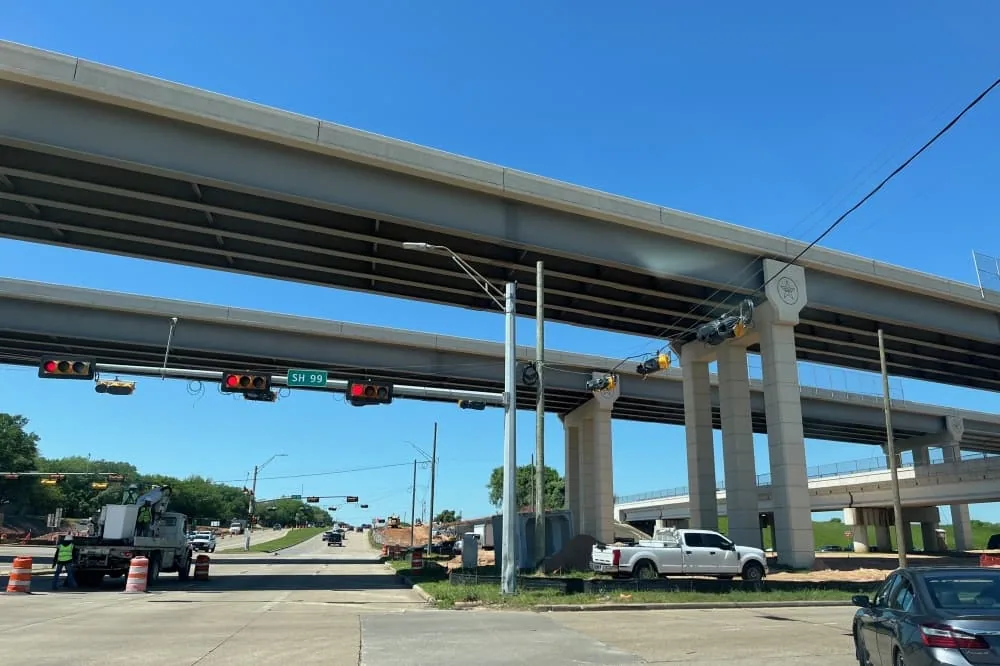
Road connections help orient travel and delivery planning, but the property determines the roof access and work boundary. Confirm the site entrance, loading conditions, lift or ladder placement, and who can approve an exploratory opening. For work requiring permits, verify which local registration and building requirements apply before construction. Our roof report can describe visible materials, drainage, and defects; it does not stand in for a permit, engineering design, or code review.
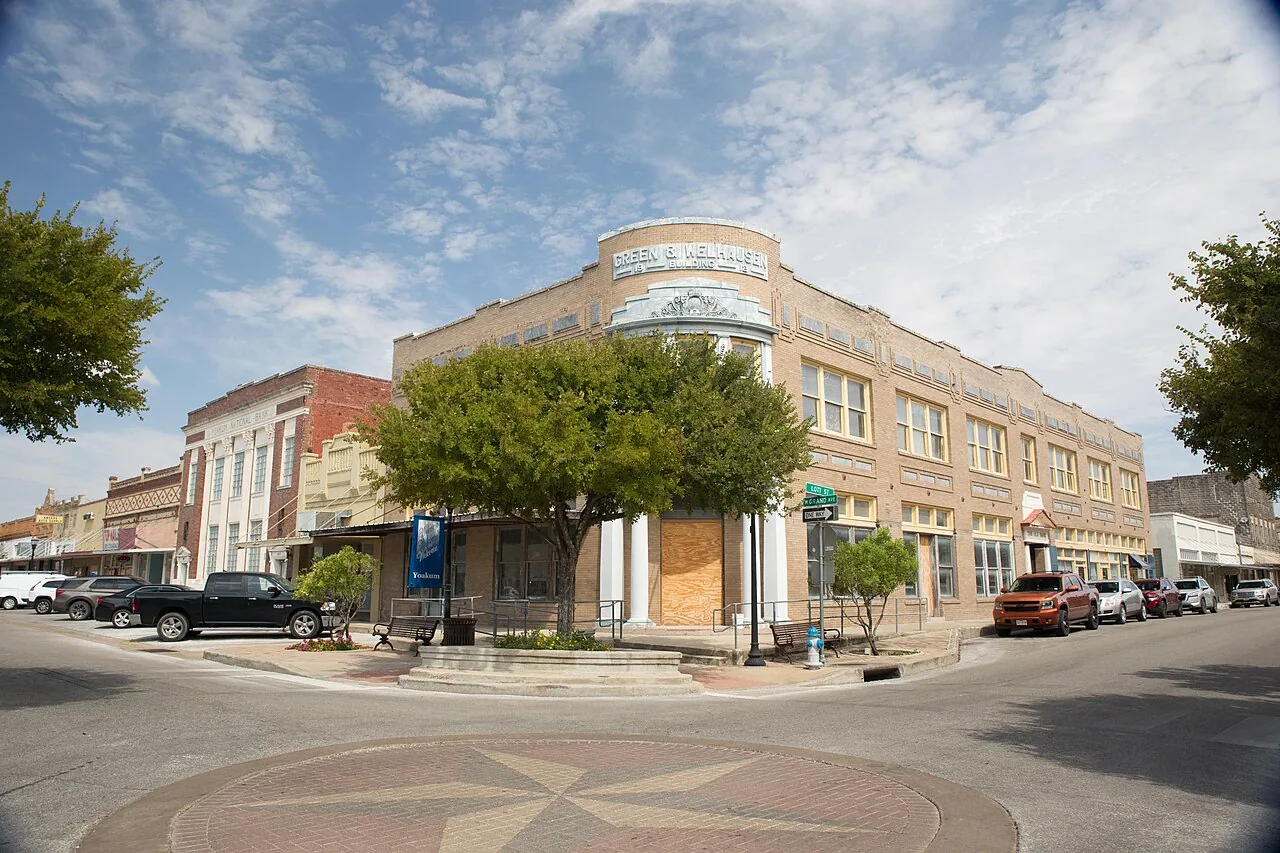
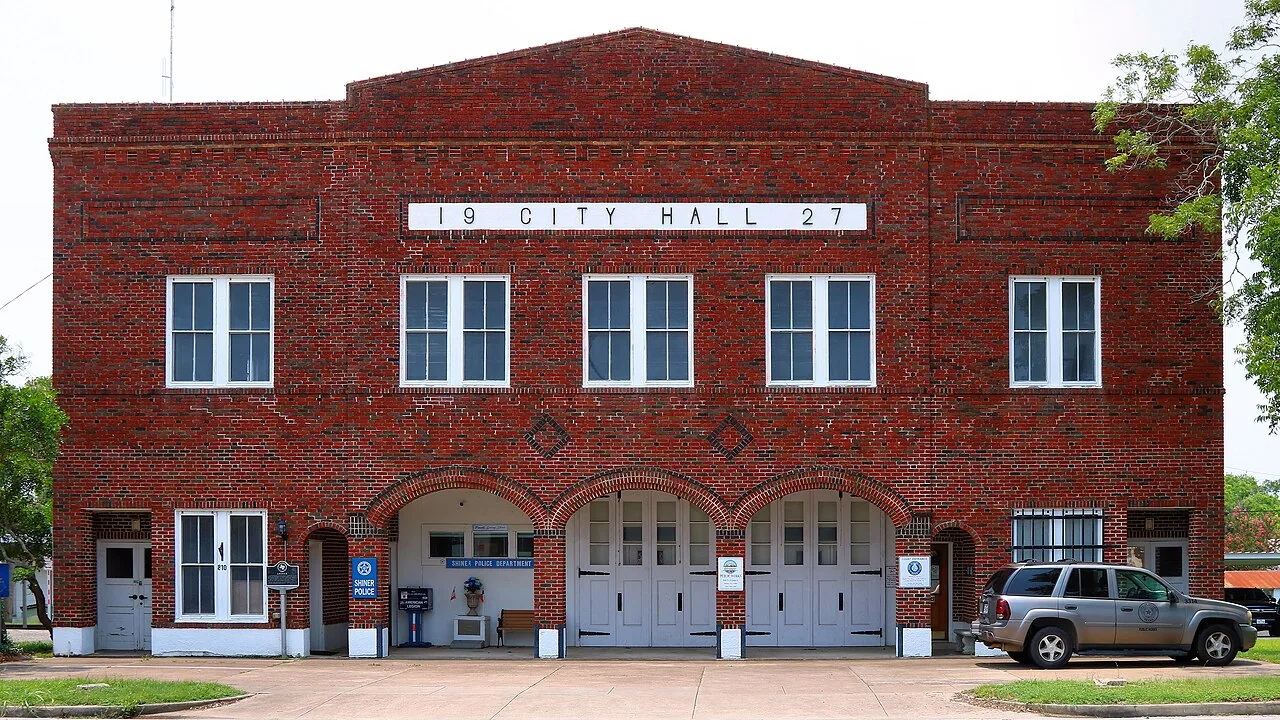
A commercial roof may serve a business, service property, office, or multi-use building. Access hours and interior protection vary by site. If a portfolio includes Yoakum or Shiner, keep those addresses and municipal coordination separate. The service area also connects with Victoria, but each property needs a distinct inspection record, quantities, permit status, and approval path.
Plan work in a permitted service area
The inspection traces water from the reported interior location to visible roof details. Check field seams, panel laps, flashing corners, drains, scuppers, curbs, penetrations, perimeter metal, and prior repair areas. Water may travel along the roof assembly before entering a room, so the stain is not a confirmed entry point. Mark the section and take photographs that show both the defect and the surrounding roof. If a roof has multiple additions, identify the transitions and any change in system.
Note which roof areas were reached, the inspection date, visible materials, drainage condition, and any access restriction. Separate observed conditions from the owner's leak history or estimated roof age. A visual inspection cannot establish concealed moisture or structural capacity. If opening the assembly could affect scope, define the test area and restoration plan before proceeding. Where permit timing affects the job, record it as a scheduling dependency and confirm it with the property contact.
Inspect visible details and limits
A repair is bounded at sound material and a detail that can be prepared and closed. The scope names the area, surface preparation, compatible material, fastening or seam work, and temporary protection. If concealed layers differ from expectations, secure the exposed section and submit the measured change for approval before expanding removal. This provides a clear choice between proceeding with the original work, authorizing an added repair, or obtaining further testing.
A roof inspection documents the visible assembly; leak repair addresses the confirmed path; and drainage work checks water outlets. If the roof needs a broader scope, a replacement estimate should list removal, insulation, membrane or metal, edge details, access, and permit assumptions separately.
Repair the confirmed entry path
Confirm access permission, roof-entry instructions, material route, staging, and protection below before the crew arrives. If the property is occupied, identify which doors or rooms remain in use and when louder work can proceed. The contact responsible for approvals should be available during the visit. When contractor registration or permitting is required, confirm status before scheduling work that depends on it. If access cannot be secured, do not treat the area as inspected or ready for construction.
Weather and the selected system's application requirements determine the daily work boundary. Check the forecast, surface condition, and closure method before removing roofing material. For routine checks, maintenance can record drains, seams, flashing, and edges. A larger roof project can be sequenced by section so each day's removal is protected, while permit, inspection, and delivery dependencies remain visible to the owner.
Coordinate access and local process
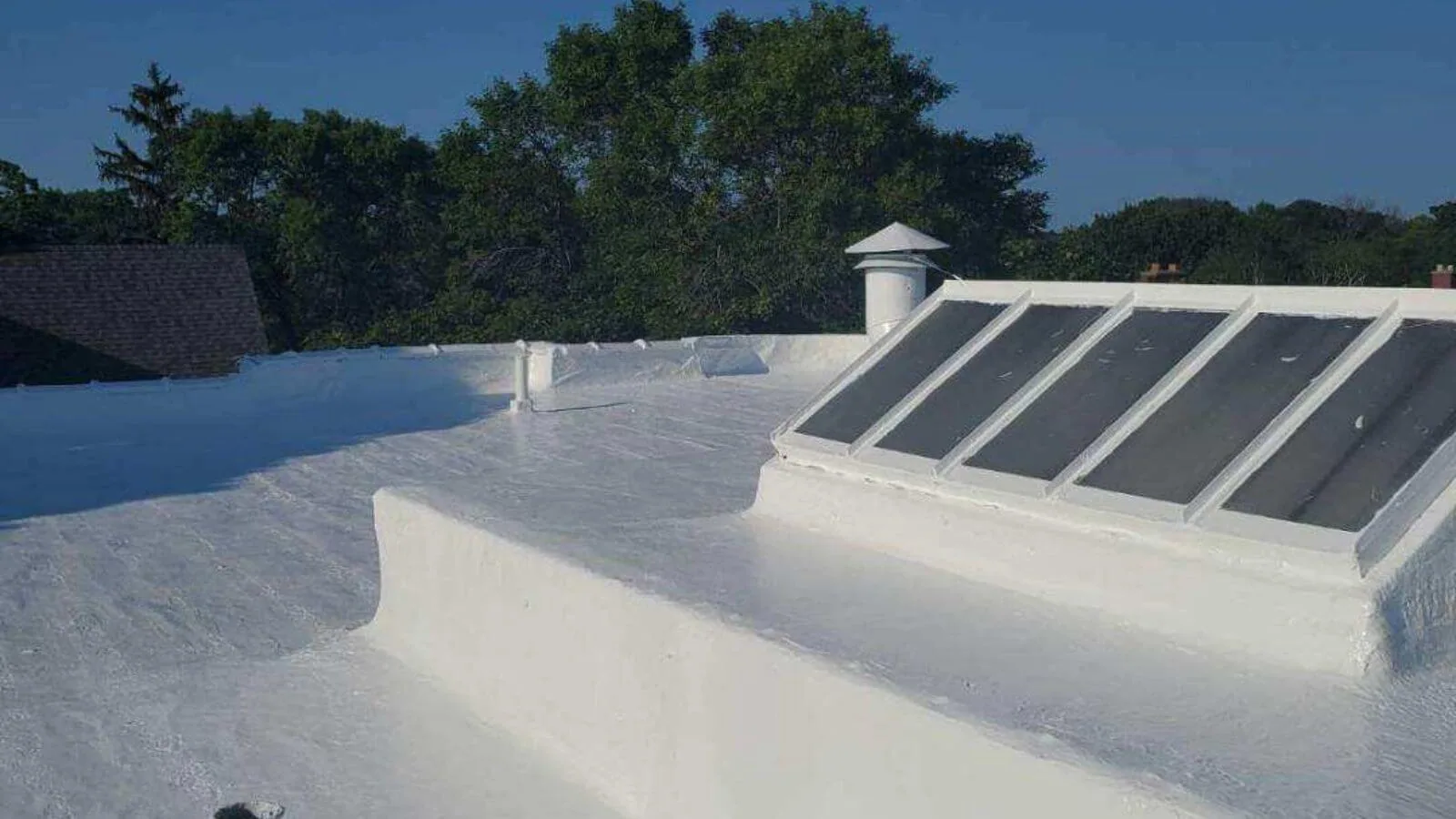
Repair may be suitable when the defect is localized and nearby material remains capable of a compatible tie-in. Repeated leaks, broad deterioration, failed attachment, or moisture under several sections can justify more testing or replacement planning. The report should describe the evidence and the limit of inspection. Recover and coating proposals depend on existing layers, moisture, deck, drainage, edge heights, and detail compatibility; neither is inferred from the city or building type.
The owner should be able to compare the next choices: approve the measured repair, test concealed layers, schedule maintenance, or request a replacement estimate. State assumptions and exclusions in each option. If municipal permit or inspection timing affects the construction sequence, include the dependency without implying approval has been granted. For separate properties, keep scope quantities and permit status tied to the correct address and responsible party.
Compare next steps by evidence
Closeout records the property, roof section, observed system, date, access limit, work detail, materials, photographs, drainage findings, and open items. Note whether protection is temporary or permanent and who will arrange follow-up. If a permit or contractor-registration item remains, identify the responsible party. That keeps the roofing record useful for maintenance while preserving the distinction between field work and local approvals.
For Hallettsville service, share the building, roof plan, leak location, access contact, prior repair history, and known permit timing. We will inspect the authorized area and explain the evidence and next step. If your business also has a roof in Yoakum or Shiner, send a separate property list so the visit plan and approvals stay accurate.
Close out field work and dependencies
Hallettsville is about 45 road miles from Victoria, so the first visit should leave enough information to make the next decision without guessing. We photograph the roof section, mark any test area, and list measurements or records that remain outstanding. The property contact can then decide whether to authorize a repair, request a selective opening, or schedule a broader assessment. A second visit should have a defined purpose and a named roof area, rather than repeating the same walk.
Before leaving, confirm how the roof will be protected if a test opening or temporary repair is part of the approved work. Record who can authorize added removal, which rooms below need protection, and how the property will report a change after rain. If the assembly remains uncertain, state what evidence would settle the question and what work must wait for that result. Keep a weather hold separate from a permit hold so each has a clear release condition.
When one owner manages buildings in Hallettsville, Yoakum, or Shiner, a regional schedule can group travel while each work order remains tied to its own property. List the access contact, roof section, permit status, photographs, and approval for every building. That gives the crew one dispatch plan without merging quantities, municipal requirements, or repair decisions across separate roofs.
The first inspection is complete only for the sections actually reached. Name inaccessible areas, the reason access stopped, and what is needed before returning. The manager can then arrange an escort, clear a roof hatch, or provide a current plan before the follow-up. This keeps the next visit focused on unresolved evidence and gives the owner a concrete decision to make.
Plan a return visit around confirmed findings
Related Roofing Work
Frequently Asked Questions
Is this a citywide service area?
Yes. Each roofing project is still scoped to a specific authorized property and roof section.
Are permits or contractor registration relevant?
The city maintains those requirements; confirm what applies to the specific work.
Can work be scheduled around business hours?
Yes. The property contact confirms operating hours and access limits.
What does a roof walk prove?
It documents visible conditions and inspection limits, not concealed layers.
Can nearby towns be coordinated together?
Yes, while keeping access, permits, and roof records separate by municipality.
Share the building, roof plan, reported condition, access contact, and available work records. We will inspect the authorized area and explain what the field evidence supports.
Call 555-555-5555 or email [email protected].