
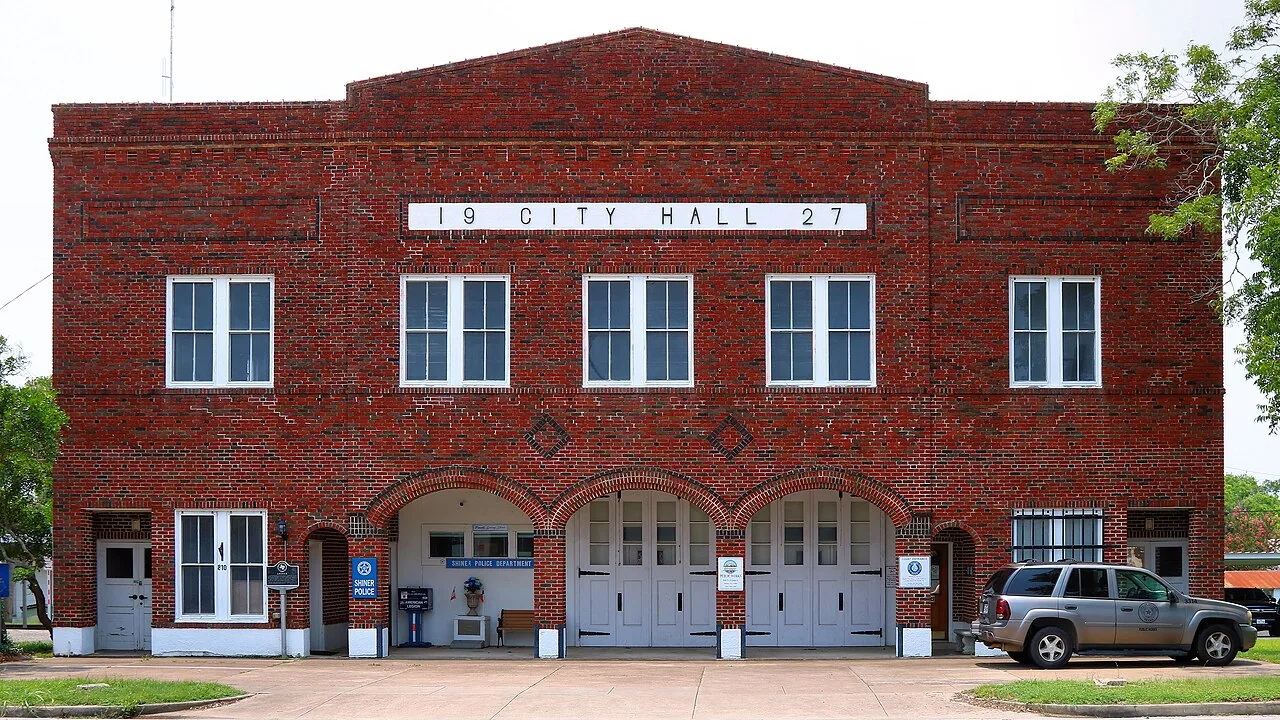
Commercial Roofing in Shiner, TX
Service Areas · Victoria, TX
Commercial roofing in Shiner, TX, with inspections, repairs, and access planning for local businesses and nearby commercial properties.
Next step
Request a Roof Assessment
Call
555-555-5555
Shiner is an incorporated Lavaca County town at the intersection of U.S. Highway 90A and State Highway 95. Its local business directory includes manufacturing and food-processing companies, alongside other commercial services. Roofing service covers the town and surrounding area, while each scope applies to a specific property and roof section. We confirm the building, use, roof plan, reported condition, and access contact before setting an inspection. The town's business mix makes clear coordination useful, but does not establish the condition of any particular roof.
Shiner
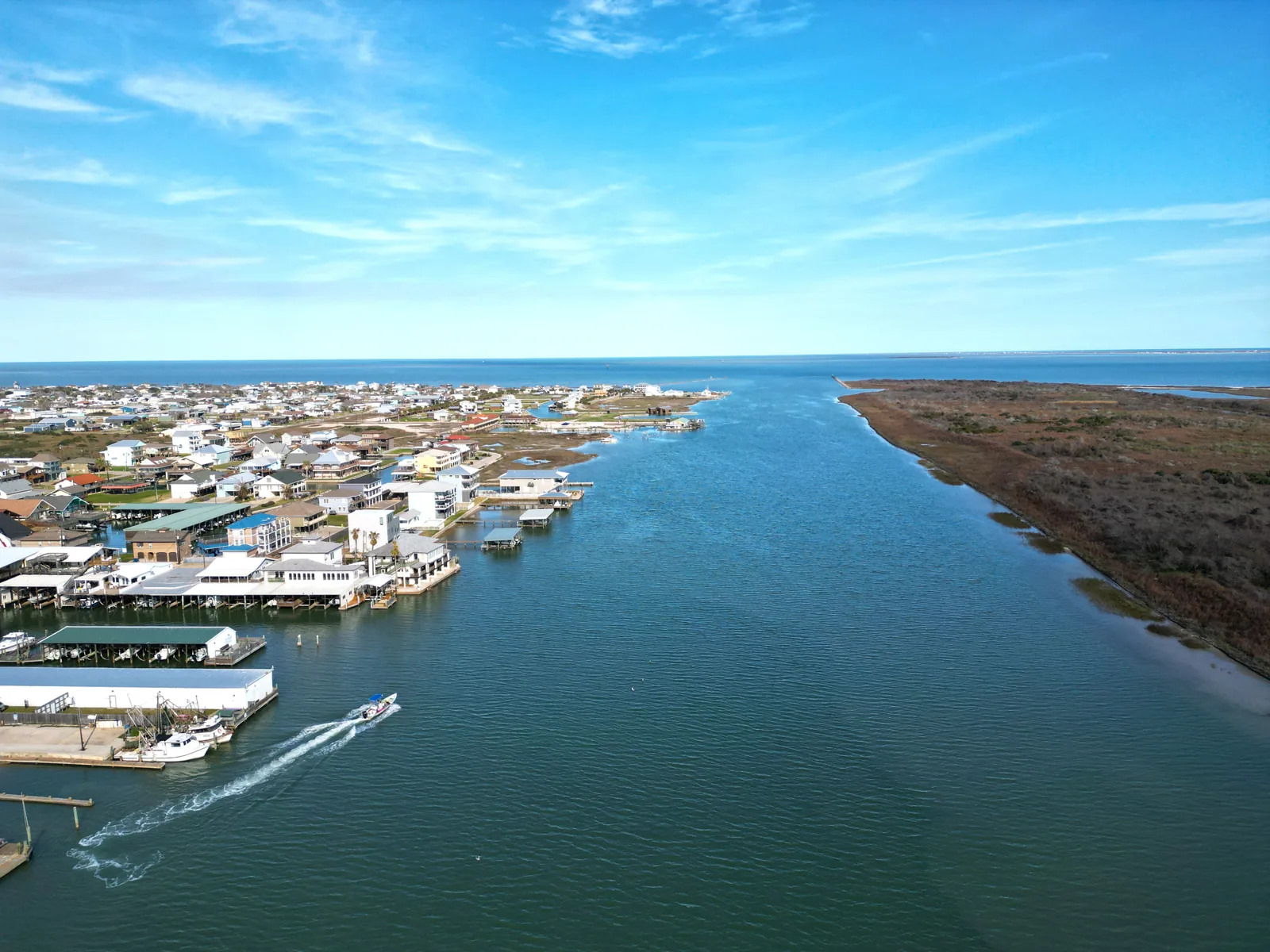
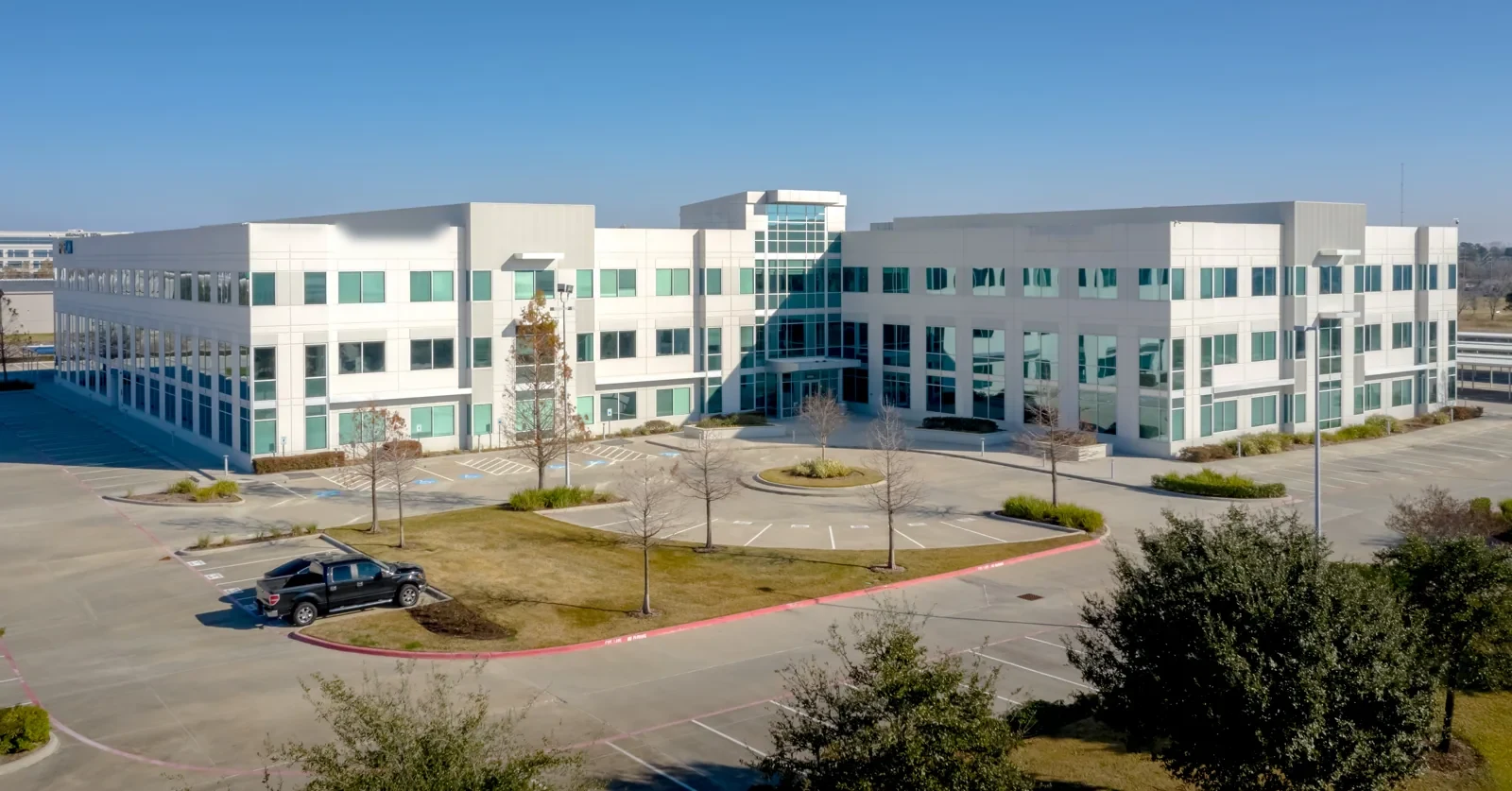
A manufacturing or processing property can have rooftop equipment, exhaust, product-handling areas, and operating schedules that affect access and protection. An office or retail property may have customer entrances and different work hours. Confirm the actual building use and who controls roof access rather than assuming site requirements from a business listing. If the roof includes multiple additions, identify the sections separately and compare the field details with the plans and repair history.
Shiner's highway junction gives a practical regional reference for travel, deliveries, and connections to surrounding towns. A schedule should still be confirmed with the property contact because gates, access routes, and operating hours change by site. Nearby service areas include Yoakum and Hallettsville, as well as the wider Victoria market. List each municipality separately when requesting visits at multiple properties.
Plan service by commercial property
Start with the reported water entry or visible damage, then inspect nearby seams, laps, flashing, drains, scuppers, pipe penetrations, curbs, edges, and prior repairs. Water can travel across a deck or beneath insulation before appearing inside. The inspection should connect each photograph to a roof zone and distinguish an owner report from a confirmed roof defect. If a patch appears to cover a different material, check the transition before selecting a repair product.
Record the date, accessible areas, roof surface, drainage observations, visible attachment, and any test. A visual walk does not establish concealed insulation moisture or structural capacity. If the system date or material is unclear, mark it as unconfirmed and check records or seek manufacturer guidance before ordering. When access is blocked by production, weather, or safety conditions, identify the exclusion and what would be needed to complete the review.
Inspect roof details near active uses
A repair should tie into sound material and end at a boundary that can be closed safely. State the preparation, compatible material, seam or flashing treatment, and temporary protection. If removal reveals wet insulation, a damaged deck, or a different assembly, secure the opening and present the added work for approval before expanding. This keeps the owner in control and leaves a photo record of the condition that changed the scope.
A commercial inspection can document the roof; leak repair treats a confirmed entry; and drainage service checks outlets and overflow. For an equipment penetration, a flashing review keeps that transition distinct from the roof field. Proposal lines should identify access, materials, limits, and any test that could change quantity.
Set a repair that can be closed
Coordinate the work area with the business contact. Confirm the entrance, delivery route, roof-entry method, production or service hours, and any area below that needs protection. If equipment or processing continues during roofing, agree on separation and material handling before moving tools overhead. Name the person who can approve a test opening or added work. When access is not ready, reschedule the affected roof section rather than proceeding without authorization.
Heat, wind, rain, and product instructions affect surface preparation and closure. Check the forecast and actual roof conditions before removal, then keep the work area within what can be secured by the end of the shift. A maintenance visit can follow recurring seam, drainage, and flashing conditions. If wider renewal is considered, the replacement scope should identify materials, quantities, operating limits, staging, and the sequence for closing each section.
Coordinate access with the facility
A defined repair may be appropriate when nearby material remains sound and the detail can accept a compatible tie-in. Repeated leaks, broad membrane failure, loose metal, or wet insulation can justify testing or replacement planning. Describe the finding that supports the recommendation and any uncertainty. A recover or coating system depends on roof layers, moisture, attachment, drainage, edge conditions, and compatibility; the property type alone cannot establish suitability.
For more than one commercial roof, compare findings by building and by operational consequence. A production roof might need an access window; another property may need a straightforward drainage repair. Keep each approval, quantity, exclusion, and closeout tied to its location. A portfolio summary can combine dates and capital needs, but should link to the roof-specific observations that support each recommendation.
Compare roof paths on evidence
Closeout lists the building, roof section, system observed, date, work authorized, preparation, material, photographs, drainage notes, temporary protection, and remaining items. If a test opening or concealed condition changed the job, include the revised scope and approval. If the work was limited to one part of a larger roof, state that boundary. This gives the owner a useful record for future maintenance without implying that other sections were inspected.
To request service in Shiner, share the commercial property, roof plan, reported issue, access contact, and any prior repair documents. We will inspect the authorized area and return a scope based on visible conditions. If the owner also has sites in Yoakum or Hallettsville, identify each separately so access plans and records do not cross between towns.
Leave distinct records for each site
Roofing around active business operations calls for a practical access plan. Confirm which doors, loading areas, and production routes must stay open, and identify where a lift or material delivery can be placed without crossing an unapproved work zone. If a building has exhaust, piping, or other rooftop equipment, ask who services it and whether shutdown or coordination is required before any work near it. The site contact should also identify sensitive areas below the roof where dust, vibration, or temporary water protection matters. These conditions vary by property, even among businesses in the same town. Before inspection, assemble the roof plan, previous repair notes, warranty documents if available, and a list of reported interior symptoms. Label additions or separate elevations so a repair history can be matched to the correct assembly. The inspection should state which areas were visible and which were excluded by access or safety limits. If broader testing is needed, define the test location, restoration method, and approval step first. A complete closeout then records what was repaired, what remains uncertain, and when the owner should review the area again. That record supports future decisions without overstating what one visit established.
If weather interrupts the planned work, the crew should leave the exposed section in a documented, secure condition and tell the site contact what remains temporary. The closeout should identify any return visit, material still required, and the person expected to approve the next phase. For an active business, that handoff helps operations staff know which areas remain restricted and when the roofing work is expected to resume.
Plan roof access around the business
Related Roofing Work
Frequently Asked Questions
Does service target one manufacturer in town?
No. It covers the municipality and surrounding area, with scopes tied to individual properties.
Can production continue during roofing?
That depends on the work zone, safety controls, and owner-approved schedule.
What should I provide before inspection?
Share the building, roof plan, leak report, access contact, and repair history.
Can a roof be repaired without identifying its system?
The installed material should be confirmed before selecting compatible repair components.
Will the inspection cover every roof section?
Only accessible, authorized areas are included and recorded.
Share the building, roof plan, reported condition, access contact, and available work records. We will inspect the authorized area and explain what the field evidence supports.
Call 555-555-5555 or email [email protected].