
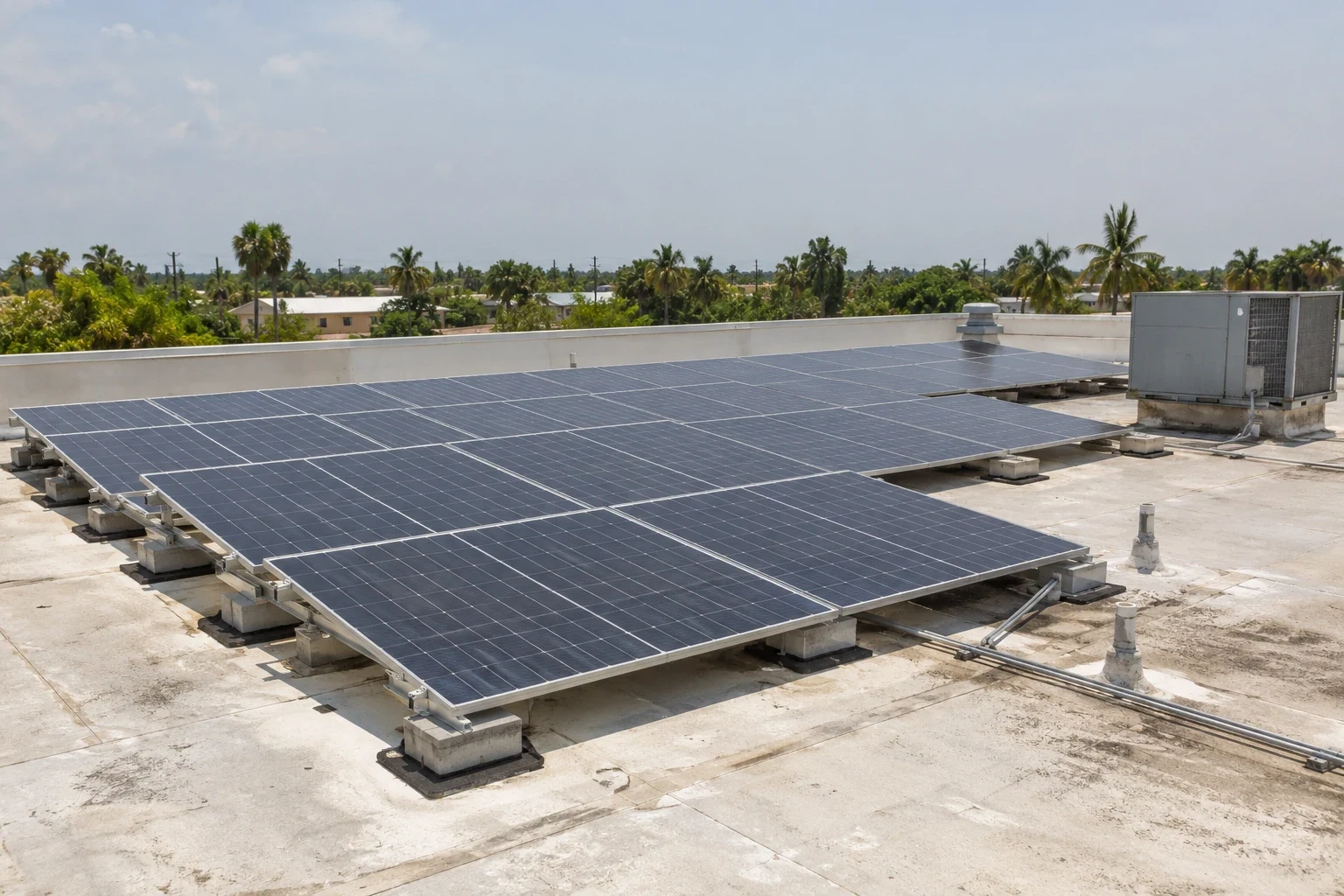
Solar-Ready Commercial Roofing in Victoria, TX
Commercial Roofing Services · Victoria, TX
Solar-ready roofing in Victoria checks remaining roof life, attachment, drainage, and access before solar equipment is installed or serviced.
Next step
Request a Roof Assessment
Call
555-555-5555
A solar layout can add supports, wiring paths, and service routes to a roof that already has its own repair history. Before panels go up, the roof assembly, drainage, attachment, and remaining service needs should be understood. In Victoria, heat and periodic hail or wind add practical demands to rooftop planning. We document the roof condition and coordinate the roofing scope with the owner and solar contractor before penetrations or supports are installed.
Solar-Ready Commercial Roofing
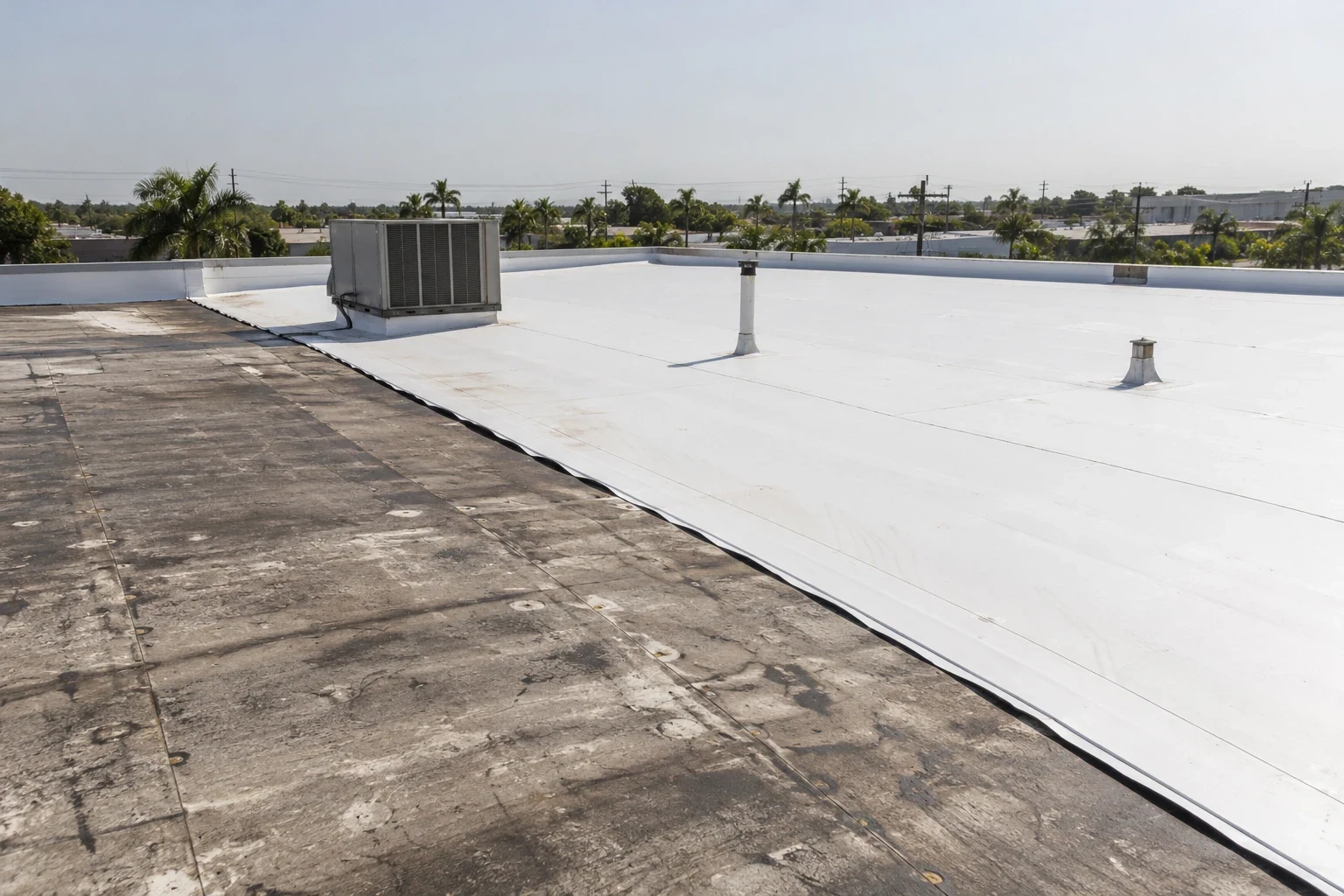
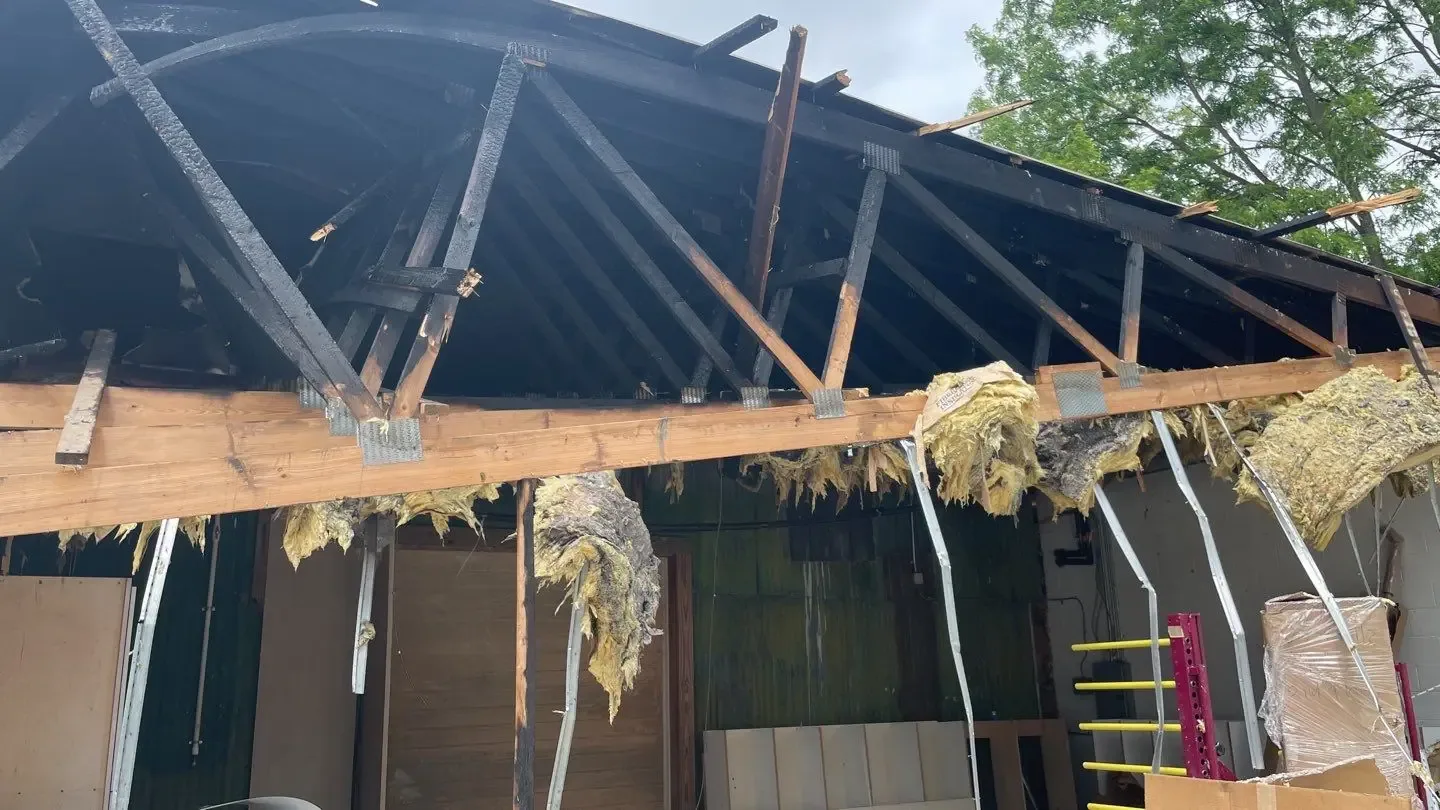
Start with the roof plan, membrane type, age records available, previous repairs, leak history, and drain locations. We inspect seams, flashing corners, edge metal, curbs, and areas where future walk paths may cross. If moisture or attachment concerns could change the solar layout, testing or selective openings may be needed before the array footprint is fixed. A solar proposal does not replace a roofing condition review.
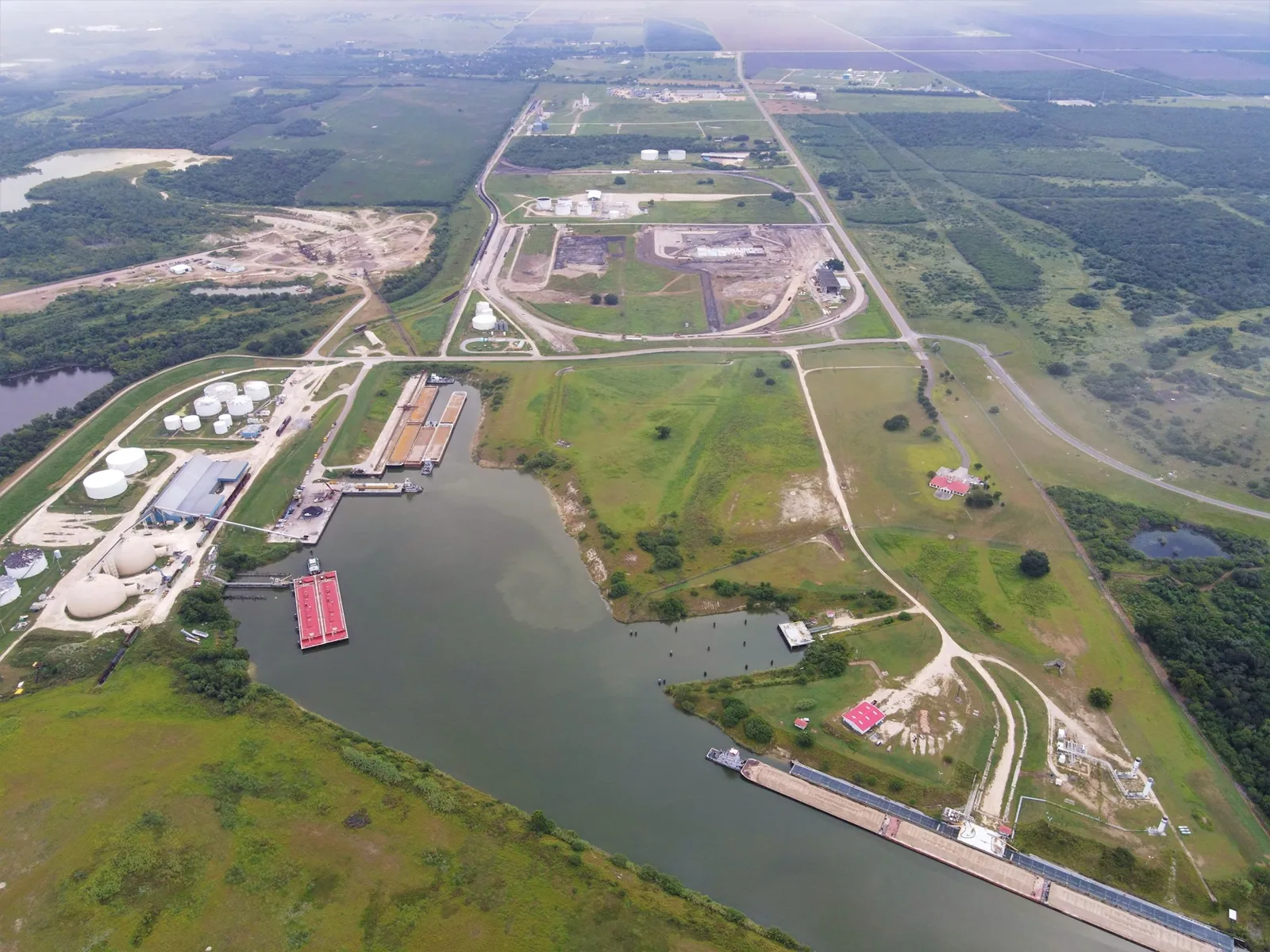
Victoria’s manufacturing and logistics base includes operations near Port of Victoria Industrial Park South, where large industrial tracts support freight activity. For any broad roof, identify expansion joints, equipment zones, access lanes, and separate buildings on the plan. The setting helps frame delivery coordination; the roof and structure still need evaluation for the proposed installation.
We discuss roof work separately from structural engineering and solar electrical design. The owner should have the appropriate professionals confirm dead and live loads, wind design, attachment calculations, and electrical routing. Our roofing review identifies the assembly, service needs, and waterproofing details that must be coordinated at the roof surface.
Review the roof before the array is designed
Solar equipment can make later roof repairs more complex if panels cover a failing membrane or block access to drains and curbs. Compare the roof condition and repair outlook with the planned array term. This is a planning decision, not a prediction of roof or solar-system life. If an existing roof needs replacement or recover work first, address that before equipment rails or ballast are placed.
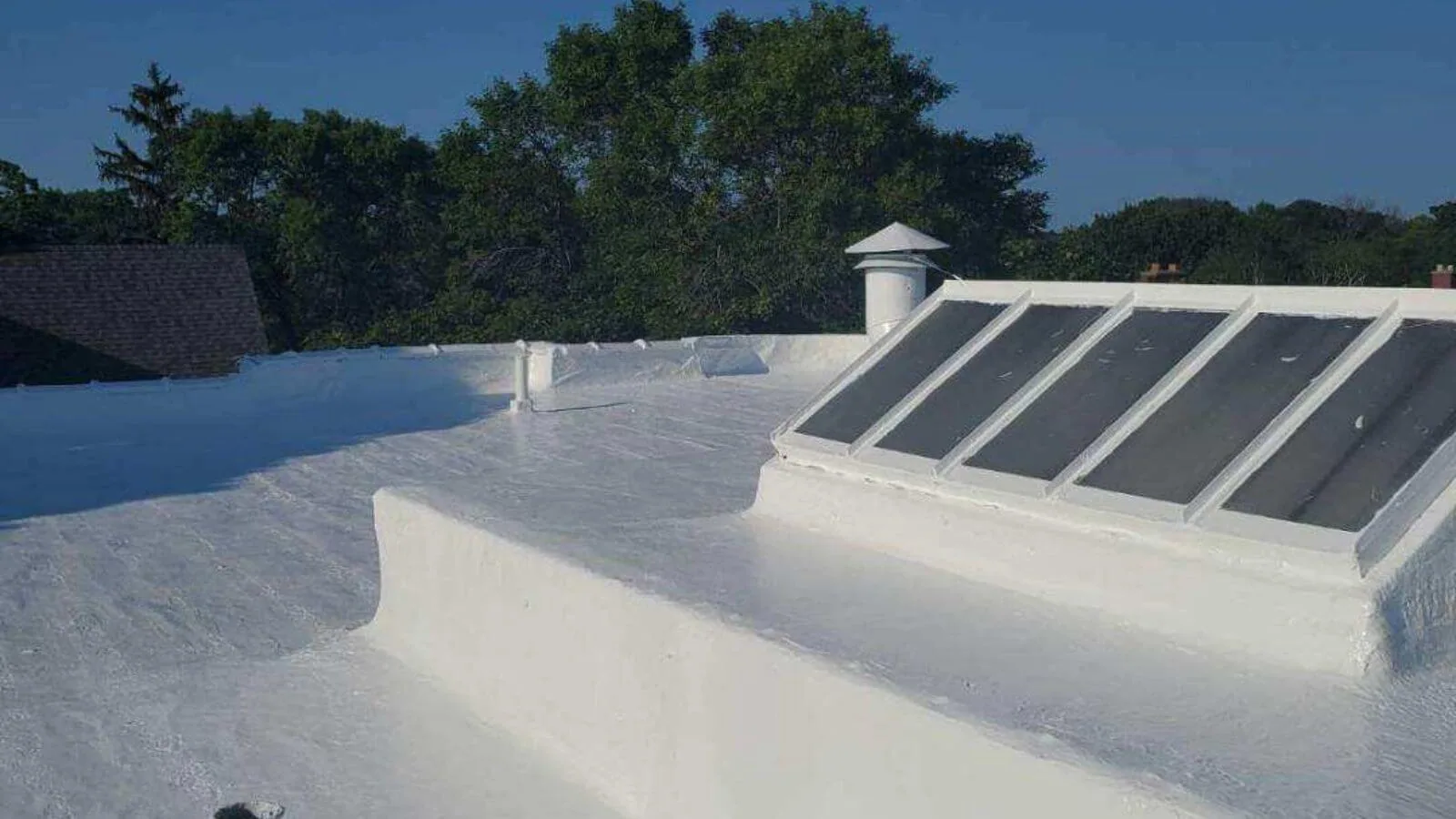
A commercial roof inspection can map conditions, photos, and repair boundaries by section. Where a coating may be considered, compatibility and maintenance access need to be settled with the array designer. A roof with wet insulation, failed seams, or loose attachment is not made solar-ready by covering it with panels.
Victoria’s July 2026 climate record shows a typical high of 94°F and a listed record of 110°F. Heat affects surface conditions and work timing; the selected roof material and ventilation strategy still depend on the system design. The array plan should preserve access to equipment, drains, and any area that may require inspection or repair.
Align array life with roof service needs
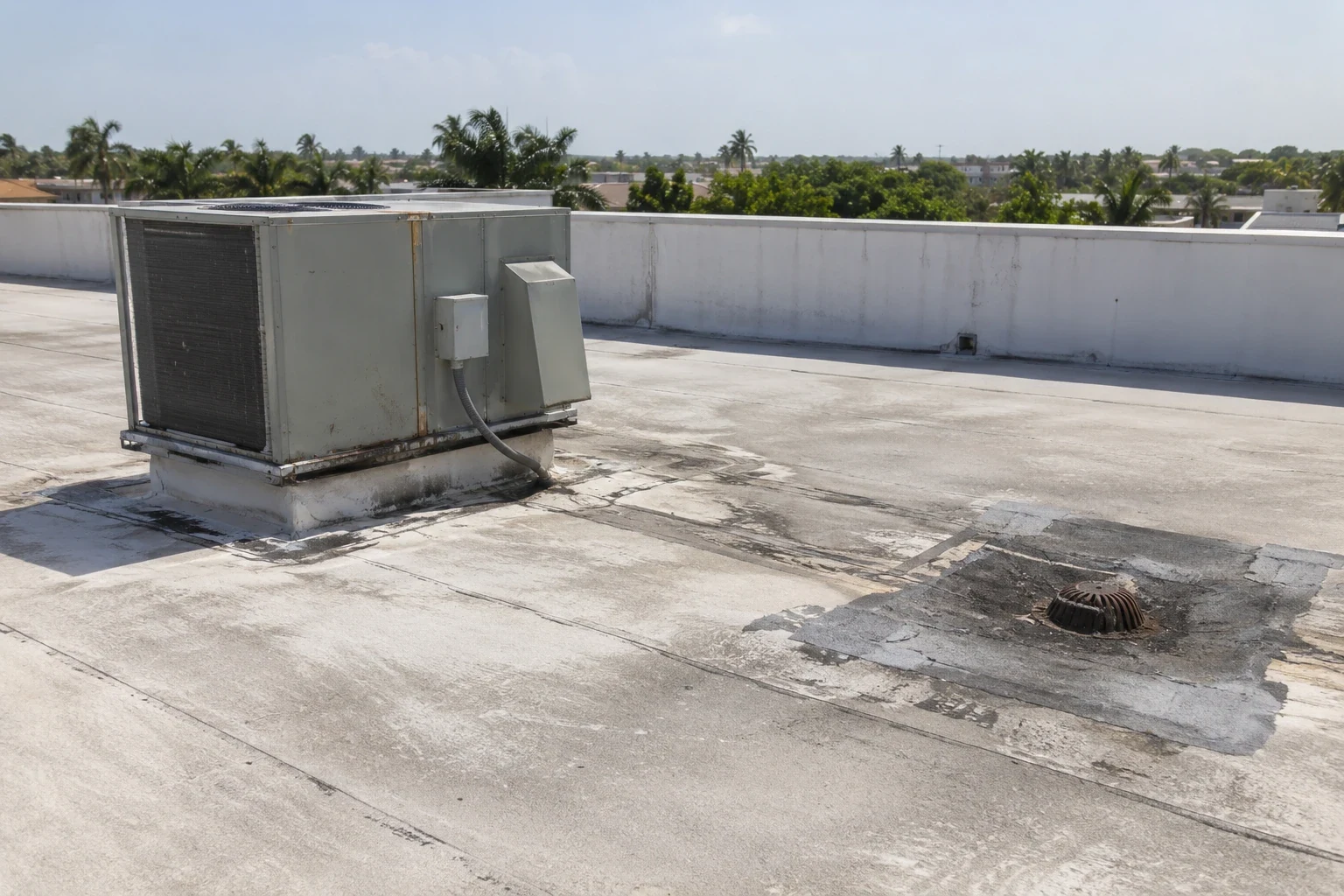
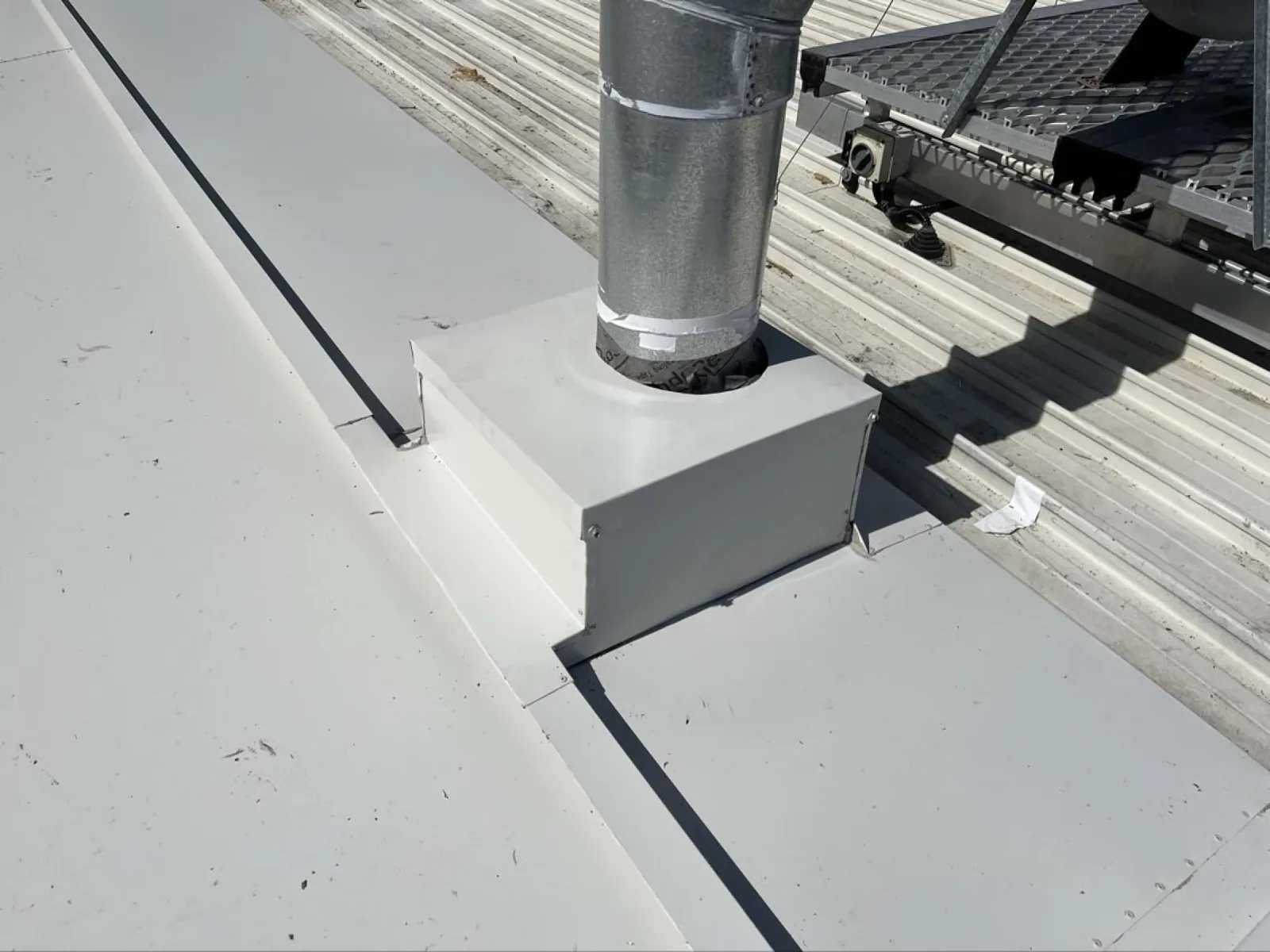
Every rail, support foot, conduit stand, and penetration needs a roof-side detail that fits the existing assembly. The solar contractor and structural designer determine the attachment and load path; the roofing scope protects the membrane connection. For a penetrated system, curb or post flashing must integrate with the membrane and allow inspection later. For a ballasted layout, confirm that pads, ballast blocks, and walk routes will not damage or obstruct the roof.
Do not let a support sit directly on a seam, drain path, fragile skylight, or flashing corner without a reviewed detail. Map stand locations against roof features before installation. A curb and support review can identify roof interfaces requiring repair or protection, and a penetration flashing assessment can clarify the waterproofing transition.
At Victoria Regional Airport Business Area, development and freight activity show why delivery and roof-access logistics should be planned early. The actual building contact sets its staging limits and operating hours. We coordinate with the installer so roofing work, electrical routing, and rooftop safety controls remain clear.
Coordinate supports and roof penetrations
Before the array blocks access, complete repairs and record their locations. Replace damaged membrane, correct open transitions, and confirm drainage paths. If the roof is being recovered or replaced, integrate the approved attachment and flashing details into the sequence. Leave service clearances and inspection routes visible on the final roof plan. The arrangement should allow an owner or contractor to reach drains, curbs, and equipment without stepping on membrane seams or panels.
Heat, humidity, and rain affect the roofing portion of the work. We prepare surfaces and apply materials under the selected system’s requirements, keeping an open area limited and protected if weather changes. In 2026, the Weather Service paired quarter-size hail with 60 mph gusts in a warning for central Victoria County; document what the event changed at the property before planning repairs around an array.
For an occupied property, tell tenants and operations staff about lifts, roof access, and temporary closures. At the Port of Victoria, rail and barge freight are part of the surrounding industrial pattern, while one building’s loading and safety procedures remain site-specific. Do not store solar materials over a drain or place staging in the roof access path.
Complete roof work before panel placement
After installation, the solar owner and property manager need a route for roof inspection, drain service, and emergency repairs. Keep array drawings, support details, electrical pathways, roof records, and warranty documents together. Note which contractor is responsible for removing or resetting equipment if a membrane repair is required. The roofing record should show the tie-in before panels or walk pads limit the view.
When storm or leak work occurs later, identify panel rows, shutoff requirements, and safe access constraints before the roof is opened. A maintenance program can track visible roof conditions between solar service visits. A roof asset record can link array plans with membrane repairs and drainage observations.
Victoria’s climate and industrial uses make durable coordination useful, but each array depends on its actual roof, structure, and contractor plan. We document what roofing work was completed and what access limitations remain rather than treating solar installation as a blanket roof warranty.
Keep roof access in the solar maintenance plan
Before a solar project advances in Victoria, provide the roof plan, system records, leak history, proposed array layout, and access schedule. We will check the assembly, identify repair or testing needs, and flag roof transitions that must be coordinated with the support and electrical design.
If panels are already installed, share the array map, service route, shutdown contacts, and any prior roof repairs. We can plan inspection around those limits and document the roof sections that remain accessible. When a repair needs equipment moved, the scope identifies that coordination before the membrane is disturbed.
A useful solar-ready record is specific to the building: roof section, system, support locations, drain paths, and completed work. That detail gives the manager a practical basis for future maintenance without making assumptions about concealed areas.
Request a solar-ready roof review
Related Roofing Work
Frequently Asked Questions
Should solar panels go on an older commercial roof?
First compare the roof’s condition and repair outlook with the array plan. Moisture, failed seams, and blocked access may call for roofing work before installation.
Can you design the solar attachment?
Structural and electrical design belong to the appropriate licensed project professionals. We coordinate the roof assembly and waterproofing details with their approved plan.
Will panels make future roof repairs harder?
They can limit access to covered areas. The array plan should preserve routes to drains, curbs, and transitions and define who coordinates equipment removal for repairs.
Do ballasted panels need roof review?
Yes. Pads, ballast, walkways, and access can affect drains and membrane surfaces. We inspect the roof and coordinate the proposed layout before placement.
What records should be kept after solar installation?
Retain the array map, support and flashing details, roof photos, repair history, and the contact responsible for electrical shutdown or panel access.
Send the roof plan, leak and repair history, proposed array layout, and access schedule. We will map roof conditions, drains, and transitions that affect installation and future service.
Call 555-555-5555 or email [email protected].