Government Building Roofing in Victoria, TX
Property Types We Roof · Victoria, TX
Government building roofing in Victoria plans leak response, public access, records, and repair phases around civic operations and essential services.
Next step
Request a Roof Assessment
Call
555-555-5555
A leak above a public counter can affect records, staff, and the people waiting for service. Government building roofing in Victoria requires a roof inspection tied to the occupied area, public access route, and facility contact who can approve the work. Council rooms, offices, evidence storage, vehicle bays, and maintenance spaces place different demands on protection. We identify the roof section, inspect its drainage and flashing, and plan a repair that keeps civic operations informed.
Government Building Roofing
Start with the room or service affected, the time water appeared, and the route staff use to report it. A ceiling stain above an office may trace to a curb, parapet, seam, or drain some distance away. We compare interior reports with the roof plan, then label photographs by building and section. A commercial roof inspection helps facilities staff distinguish a confirmed opening from maintenance observations and areas not yet accessible.
Many civic properties combine public counters, meeting rooms, offices, records, fleet or maintenance areas, and mechanical rooms. Identify sensitive files and equipment, public entrances, accessible routes, and any area that must remain open. A roof access point near a public walkway may need barriers or a different lift location. The facilities contact confirms who can authorize an interior opening, shutdown, or scope change.
Victoria’s Downtown Business District is a city-mapped area with older commercial properties, retail, services, and professional offices. Some civic services may share the broader downtown setting, but a district name does not establish a particular building’s roof history. We plan against the assigned property and current public-access requirements. The Downtown Victoria Business District is a recognized local area for service coverage.
Map public services below each roof section
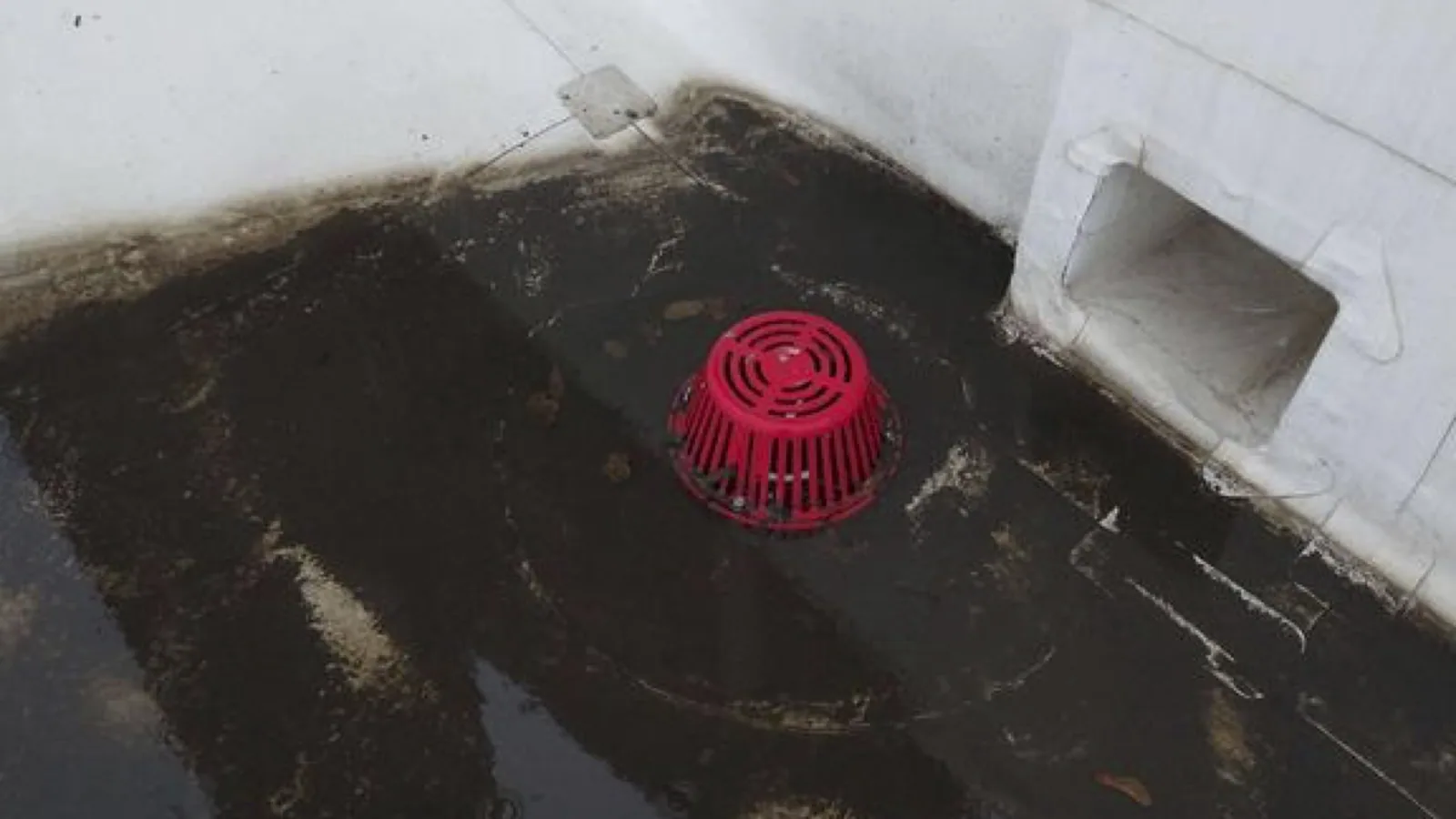
Inspect membrane laps, drain bowls, scuppers, overflow openings, edge metal, and flashing corners above the reported space. Public buildings may have canopies or wall transitions over entrances where water can stain finishes or affect a route. Check that the roof sheds water toward the intended outlet and that a repair will not obstruct a scupper or overflow. A drain and scupper assessment identifies whether debris, a loose connection, or surrounding membrane needs attention.
Where water enters at a parapet or penetration, look for a lifted termination, failed counterflashing, corrosion, or movement at the transition. Sealant placed over a failing detail may hide the entry without restoring the assembly. We prepare the surface and use a repair compatible with the roof system. If moisture extends under the membrane, a targeted test can set the removal limit before the repair grows.
After hail or damaging wind, check perimeter metal, rooftop screens, equipment attachments, skylights, and penetrations for displacement or impact. Victoria County has documented damaging weather, and South Texas has a history of tropical cyclones. Those events guide a post-storm inspection; they do not show whether a specific city roof has damage. We record observed conditions separately from prior wear or unresolved access areas.
Inspect drains, parapets, and public entries
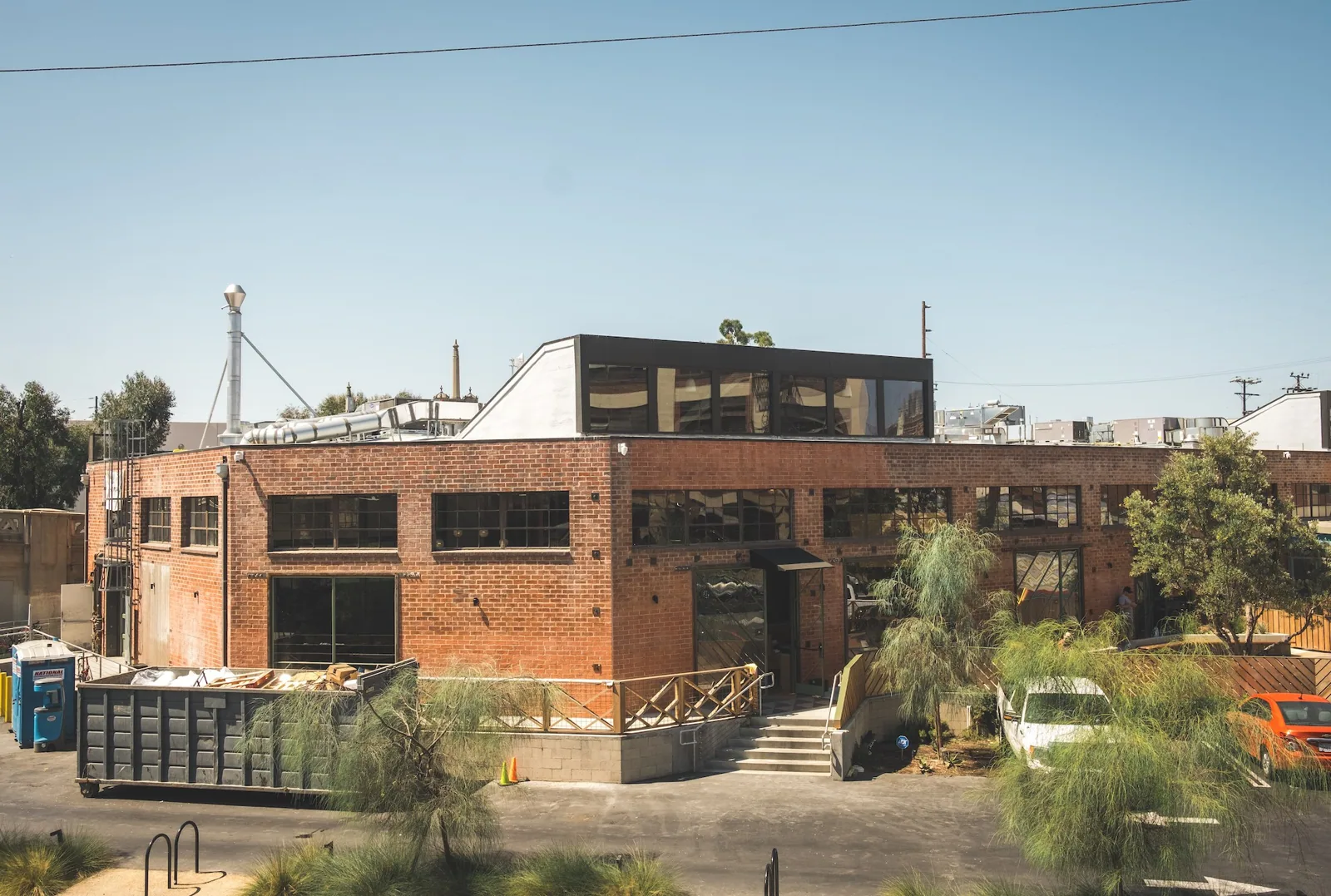
Before mobilization, identify the entrance, counter, meeting room, or fleet route that must stay available. A lift, material stack, or debris chute may affect sidewalks, accessible parking, or emergency access. We confirm the work boundary with the facility contact, set barriers, and schedule deliveries so public circulation remains clear. If one area needs a temporary closure, staff can communicate the location and expected duration.
Noise, odor, and vibration can interrupt hearings, public meetings, or service hours. A repair over a records room may require protection inside as well as on the roof. We coordinate any HVAC shutdown with the facility and explain whether an interior inspection is required. When emergency water entry demands immediate attention, response is available around the clock; safe access and protection come first, followed by a documented permanent repair.
Victoria’s adopted building-code page links the 2021 International Building Code with local amendments and lists the 2021 International Existing Building Code. Where the proposed scope changes an assembly or structural attachment, project professionals and the owner can check the applicable requirements. The roof contractor’s field scope should identify the existing construction, the repair method, and any detail requiring design review rather than treating code references as a substitute for inspection.
Keep public service routes open
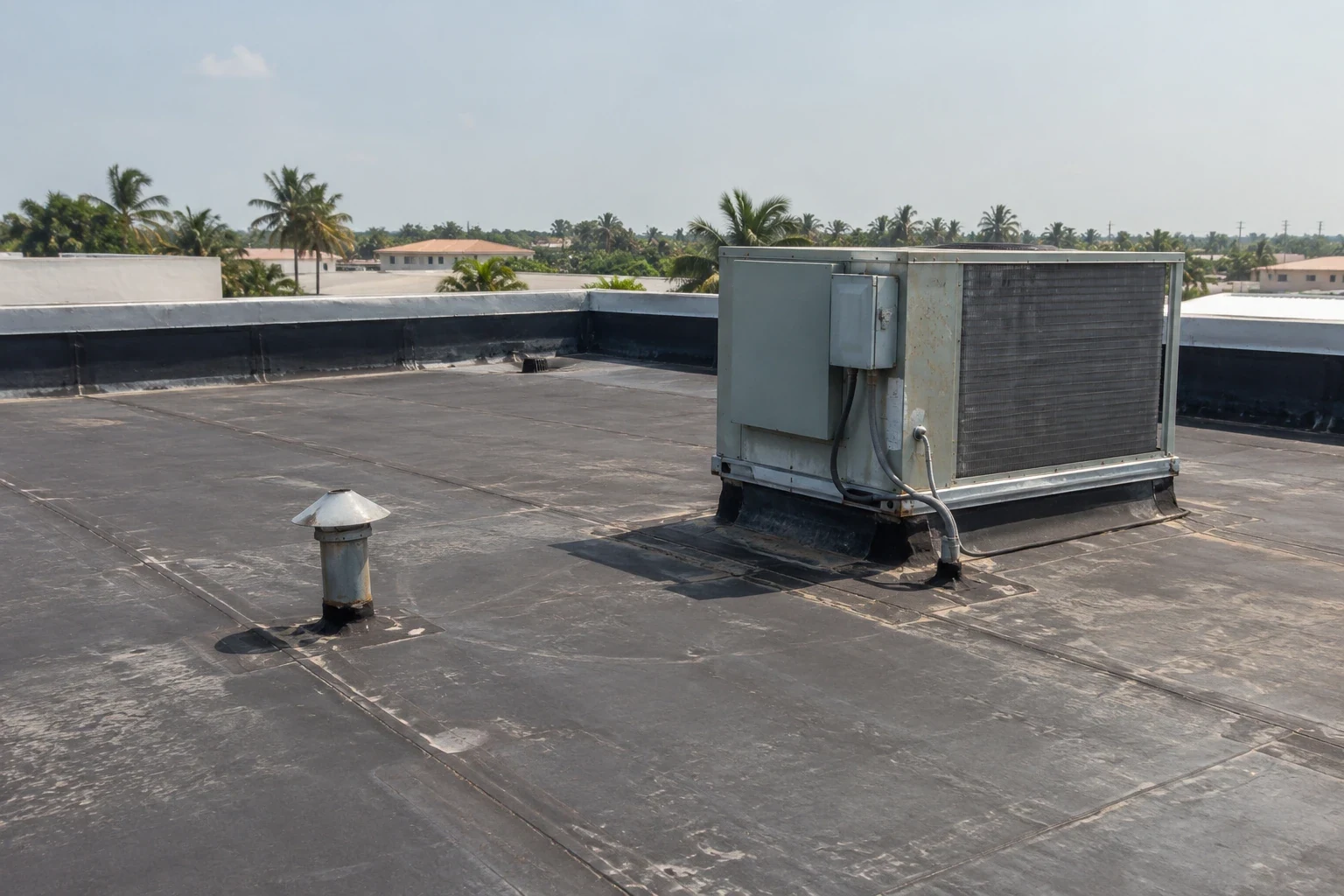
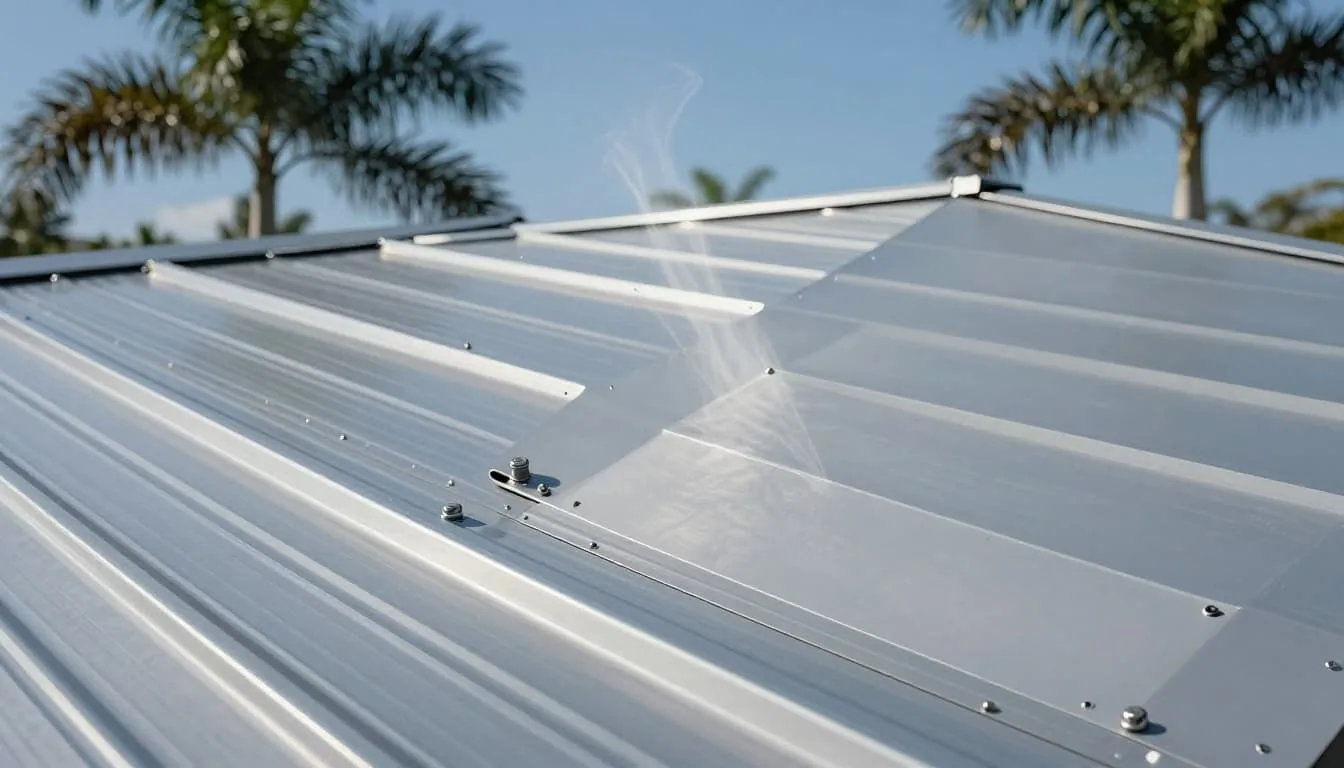
A local repair can address a puncture, open seam, or failed flashing where adjacent materials remain sound. We remove loose material to a stable edge, prepare the substrate, and complete a compatible tie-in. A modified bitumen assembly needs a different surface preparation from a standing seam roof. Roof plans and field measurements help identify each section before materials are ordered.
Repeated leaks, wet insulation, corrosion, and multiple failing transitions may shift the decision toward selective replacement or a broader project. We document what is confirmed and where additional testing would affect the scope. Cost drivers include access equipment, roof height, removal depth, public protection, material type, and whether a room or mechanical system needs temporary isolation. The written plan identifies work limits and the effect on public services.
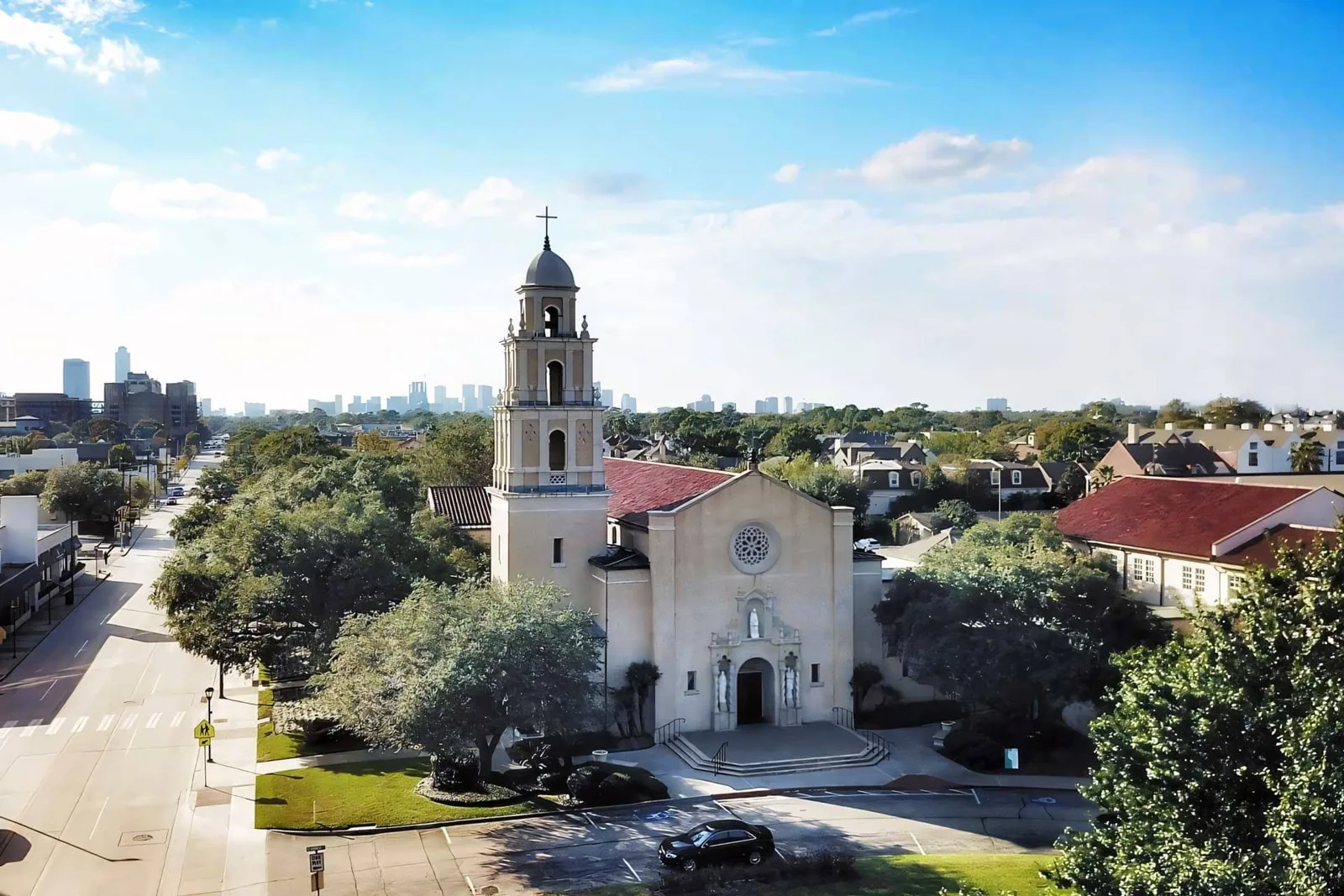
A public portfolio may include civic offices, worship spaces, and senior-care buildings, each with a different access plan. A church building may need work scheduled around gatherings, while a senior living facility requires coordination with resident-care staff. Keep those scopes separate from public counters, records rooms, and fleet areas. For each building, we match the roof plan to its use, current condition, and approved access rules.
Set a scope that matches public building use
Closeout photographs show the repaired detail, surrounding drains or edges, and the work area after cleanup. The facility receives material information, the roof section, any public route restrictions lifted, and a list of open items. If part of the roof was not accessible or a condition needs another trade, record that limitation with its location and the next action.
Keep the roof plan, repair history, equipment changes, and inspection photographs together with the asset file. A maintenance visit can check exposed flashing, drainage, and previous repairs before severe weather. When a new unit or antenna is added, coordinate the penetration and roof restoration with the trade making the change, then update the drawing for facilities.
Goliad requires permits for commercial building work, structural changes, and new business occupancy; Victoria lists locally amended building codes. Those municipal requirements are specific to their jurisdictions. A public property manager should provide the governing jurisdiction, project scope, roof drawings, room report, and access contact so we can organize the inspection and identify questions for the owner’s design team.
Our report links each repair to a roof section, gives facilities photographs, and states the proposed work sequence. Send the building address, service hours, affected room, roof records, and any security or public access requirements. We will coordinate the roof walk with facility staff and return a repair scope that keeps civic operations in view.
Retain records for the next facility review
Related Roofing Work
Frequently Asked Questions
Can a public counter remain open during roof repairs?
Often, if roof access, barriers, noise, and protection can be managed by section. We coordinate affected rooms and public routes with facilities staff before setting the sequence.
What should we provide for a roof survey?
Send the building plan, roof drawings, leak location, operating hours, and a facilities contact. Note records rooms, meeting dates, and any security or access procedure that affects the inspection.
Does a code reference determine the needed roof work?
No. The field condition defines repair scope. When work changes an assembly or attachment, the owner and project professional can review the applicable jurisdiction and code requirements.
How are multiple civic buildings handled?
We label each building and roof section separately. Different systems, access controls, and maintenance records should not be combined into one condition statement without inspection.
Provide the building plan, affected public area, service hours, roof records, and access contact. We will inspect the relevant roof sections, document drains and transitions, and return photographs with a defined repair sequence.
Call 555-555-5555 or email [email protected].