
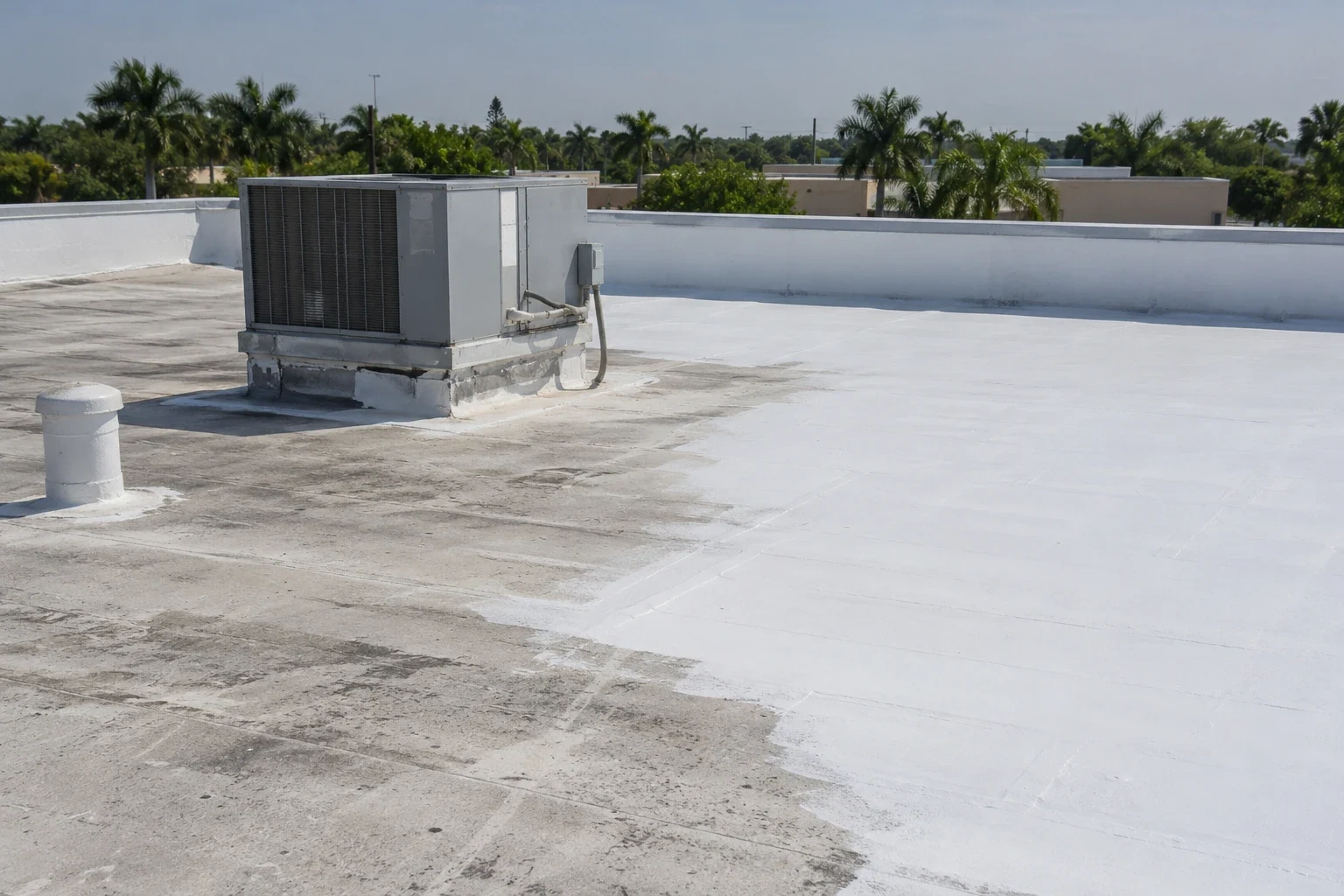
Acrylic Roof Coatings in Victoria, TX
Roof Systems · Victoria, TX
Acrylic roof coating in Victoria is planned around roof slope, dry weather, compatible preparation, and secure repairs at seams and transitions.
Next step
Request a Roof Assessment
Call
555-555-5555
An acrylic coating needs a compatible surface and a dry window for application and cure. If seams are open, insulation is wet, or a drain is blocked, coating can leave the underlying problem in place. Victoria’s heat and rain cycles shape the work plan, but the roof’s condition determines whether restoration fits. We inspect the membrane, drainage, and transitions before recommending an acrylic system.
Acrylic Roof Coatings
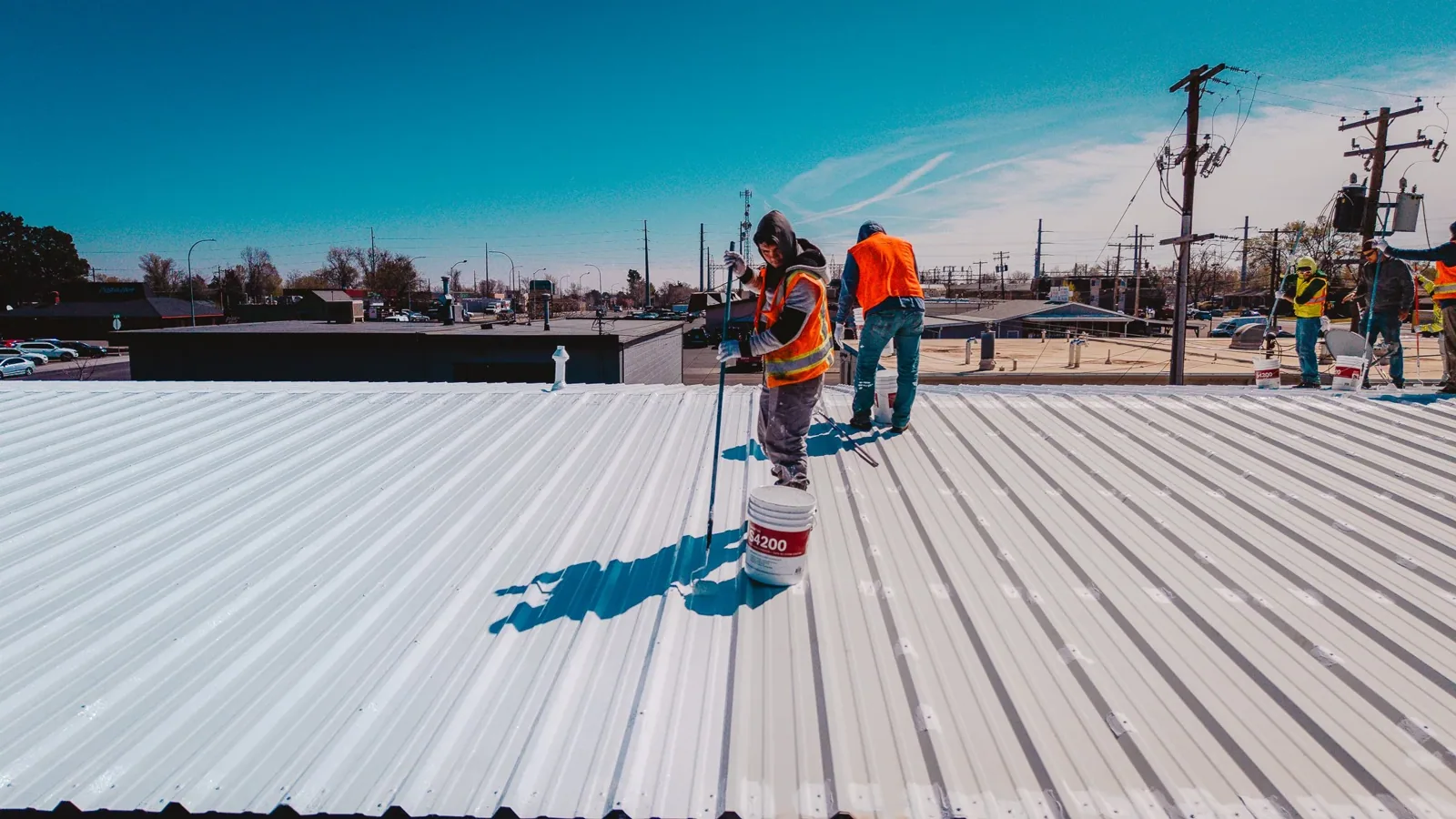
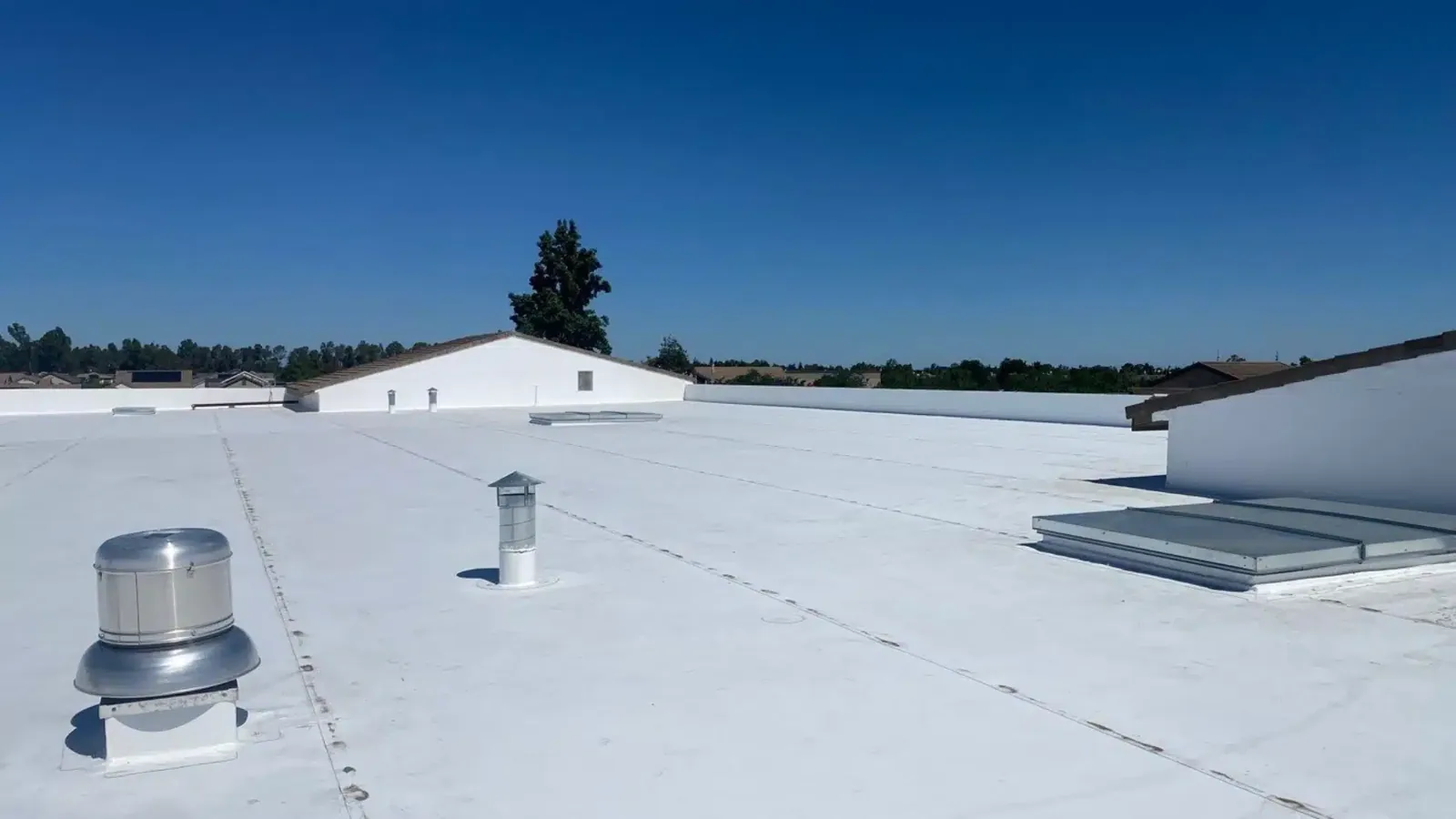
Identify the existing membrane, coating history, surface condition, and prior repairs. Acrylic may be applied over some prepared roof surfaces when the product requirements allow it; compatibility should be confirmed for the actual assembly. We inspect adhesion, contamination, chalking, and areas where water remains. A test area can help resolve a bond question before a larger section is coated.
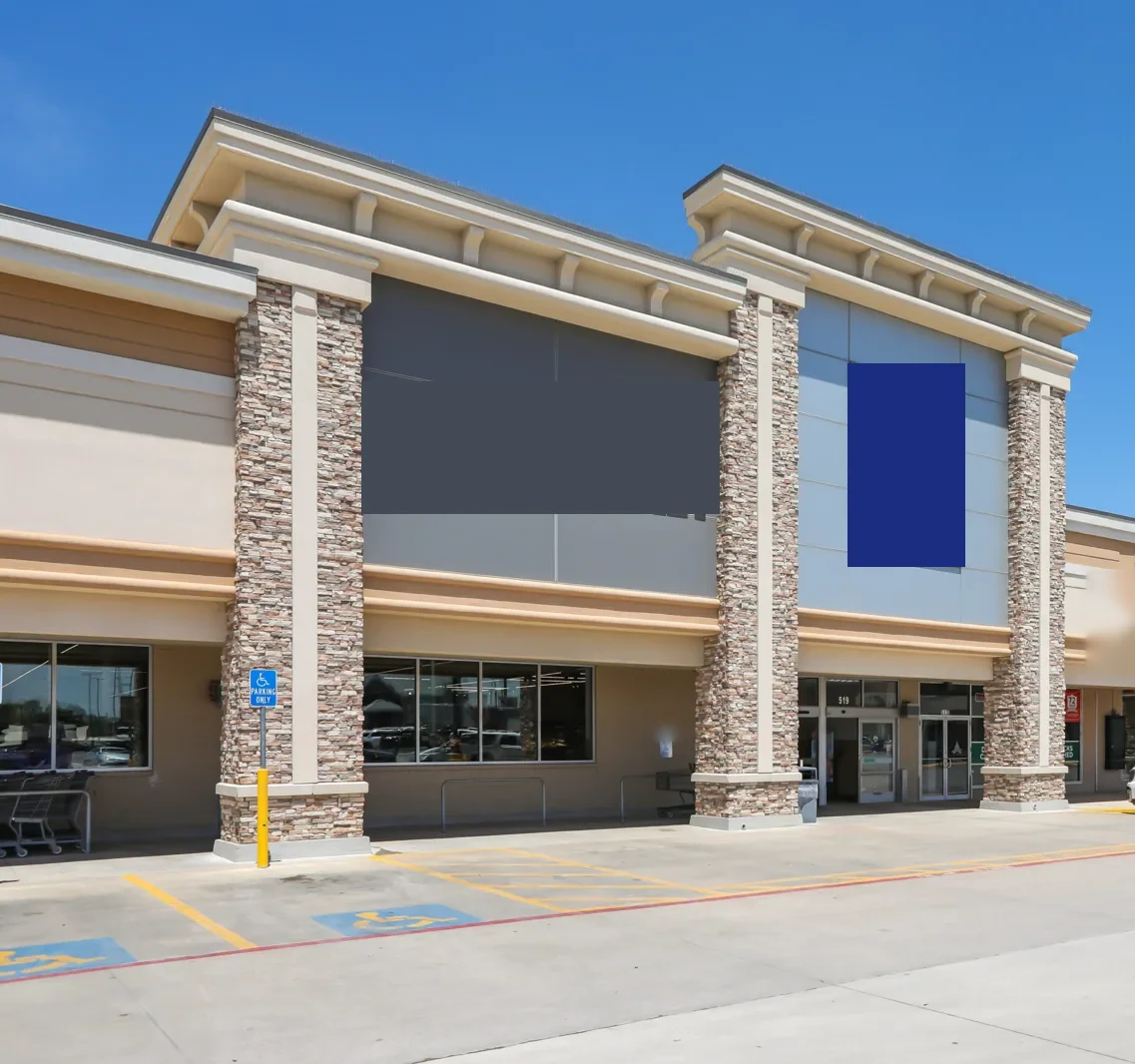
The North Navarro Street Retail Corridor includes commercial and retail properties with varied roof footprints. At a property near North Navarro Street, we still verify roof section, surface, drains, and tenant access individually. A corridor name does not identify the coating or membrane installed at any given building.
If moisture or attachment could change the recommendation, an infrared survey can help identify areas for follow-up. The reading is a screening aid, not a direct confirmation of the layer condition. An authorized opening may be needed before wet insulation can be removed or a repair boundary set.
Confirm the roof is suitable for restoration
Inspect membrane laps, patches, flashing corners, terminations, and equipment curbs. Open seams and moving transitions should be repaired with compatible materials before field coating. A coating is not a substitute for stabilizing a curb or replacing damaged metal. Record each pre-coating repair separately so the owner can see which detail received a repair and which roof area received the new finish.
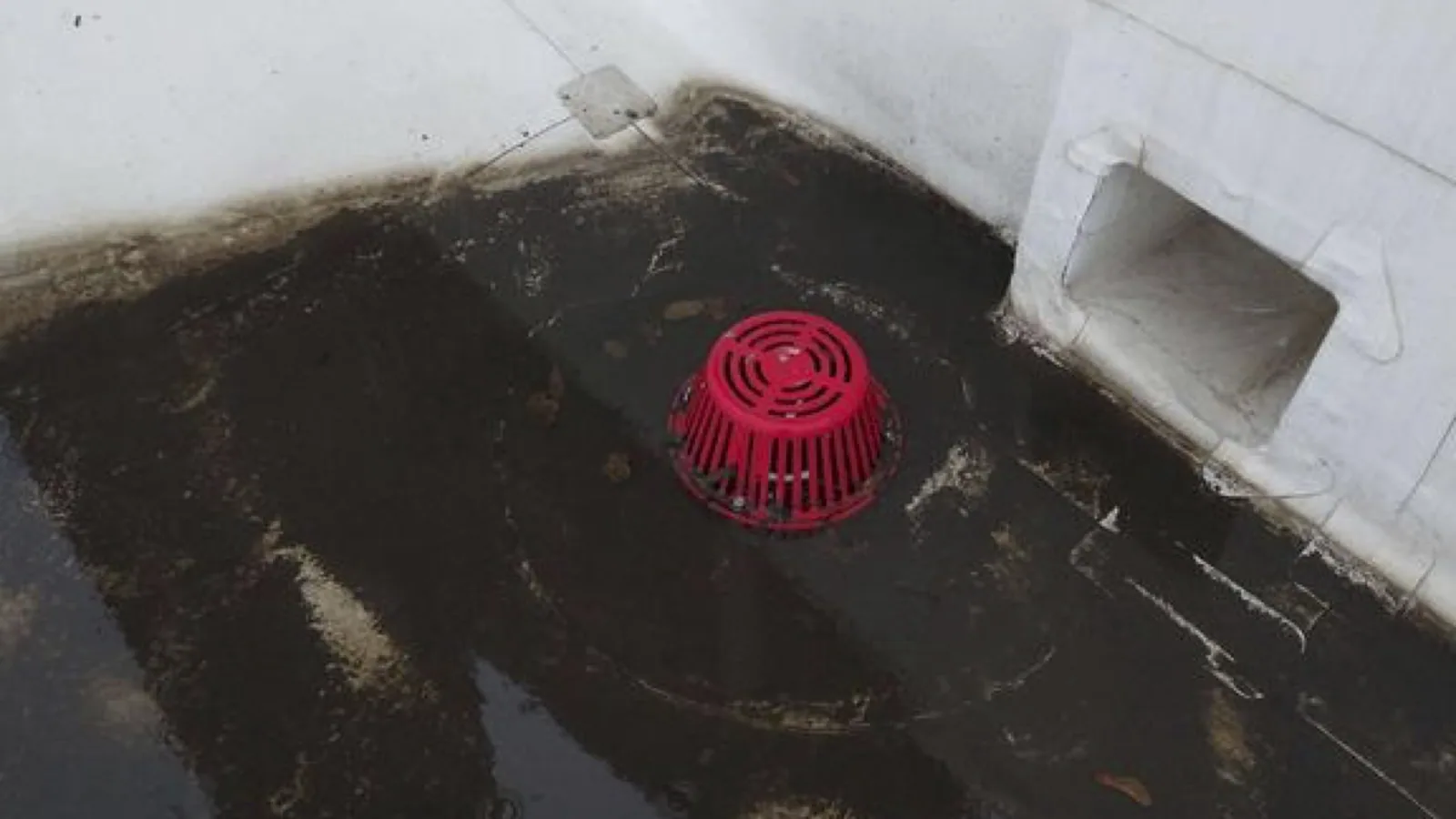
Drain bowls and scuppers must remain open as coating is installed. Added film can narrow an outlet or cover a clamping surface if the detail is not protected. If a low area retains water, establish whether the outlet is blocked or the roof has a slope issue. A drain review can identify a separate correction before the acrylic is applied.
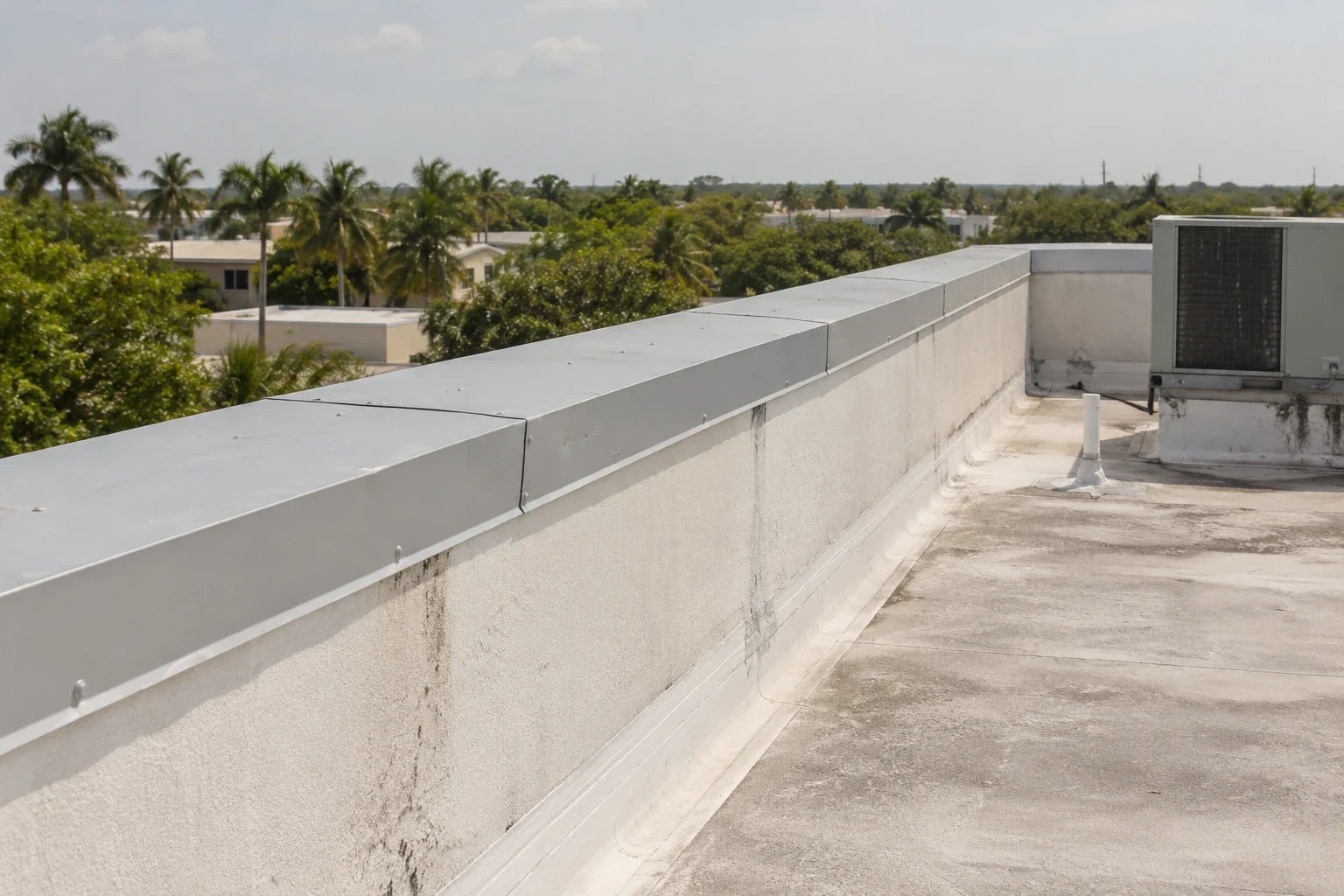
At wall and parapet edges, check that flashing and metal termination remain secure. A coping and gutter inspection can address loose corners, seams, or a discharge route that would remain vulnerable beneath a coating. Coating coverage should stop at the designed boundary, not conceal a failing edge.
Correct open details before applying acrylic
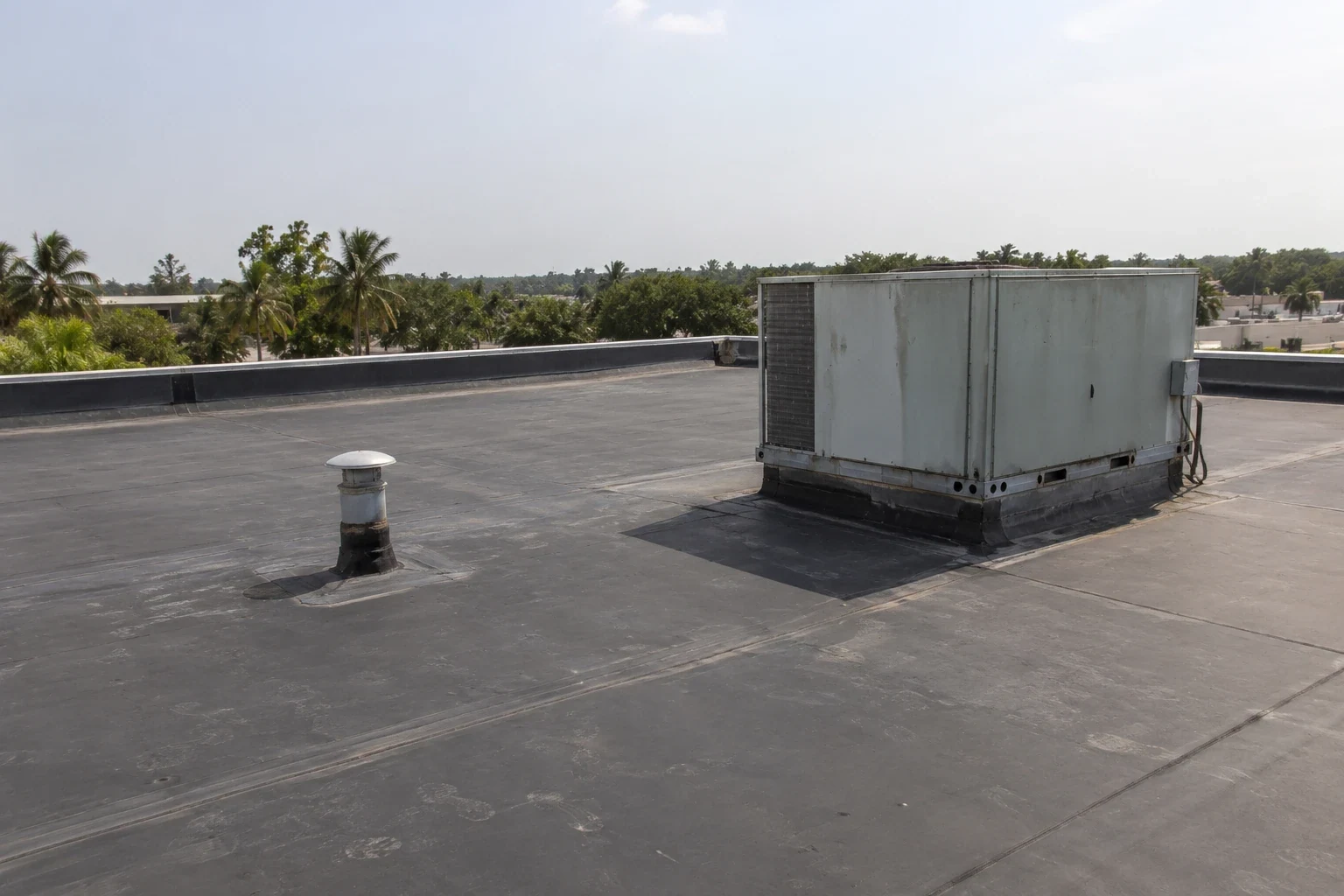
Preparation includes removing loose coating, dirt, debris, and residue that can prevent adhesion. We protect intakes, equipment, drains, and occupied areas below. Surface cleaning must not drive water into open seams or leave the assembly damp. The roof dries before primer or coating is applied, with work proceeding only when conditions fit the system instructions.
Where compatibility or adhesion is uncertain, prepare a test section using the intended cleaning method and primer. Record the location and review the bond after the product’s stated interval. If the test does not perform as needed, revise the preparation or select another restoration method. Applying more material does not correct a surface that has not bonded.
Victoria’s July 2026 climate entry lists 94°F as a normal high and 110°F as a recorded mark. High surface temperatures and humidity affect application and cure conditions. We monitor conditions at the roof and follow the coating instructions rather than treating the monthly climate record as a workday forecast.
Clean and dry the roof before application
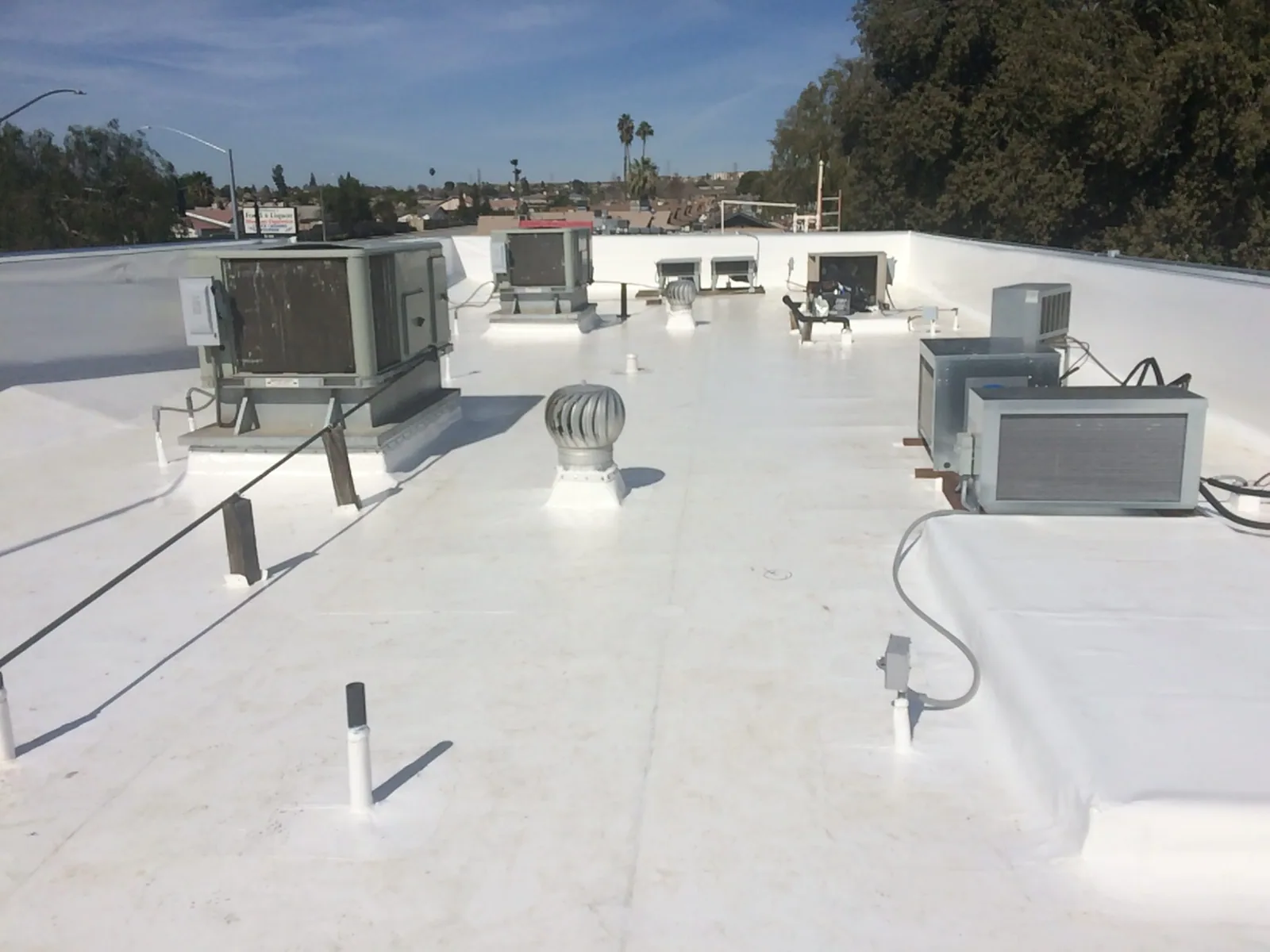
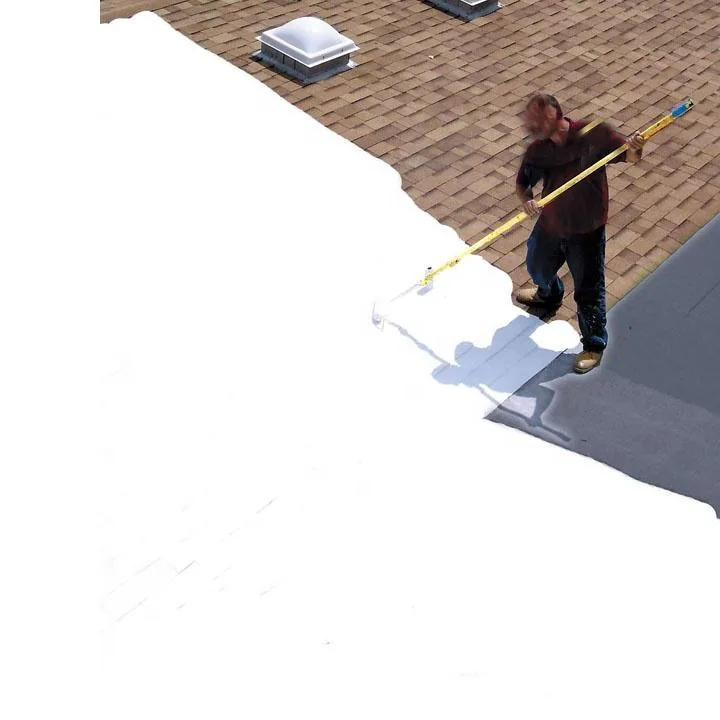
Acrylic coating is applied in the sequence, thickness, and coverage rate specified for the selected system. The crew divides the roof so each section can be finished or protected before the weather changes. Reinforcement is placed at details when the scope requires it. Inspect for pinholes, thin areas, missed corners, and coating bridging across a joint that still moves. Correct deficiencies while the surface remains accessible. If a roof section will remain between coats overnight, protect the transition and record the point where work stopped. Before the next pass, confirm the previous layer is ready to receive additional material and that dust or water has not changed the surface.
Rain before cure can affect the film. Wind-blown dust can settle on a wet layer, and dew or condensation can interfere with the next coat. Victoria County has recorded hail and damaging gusts. That history supports weather monitoring and post-storm checks but cannot determine whether a particular roof is sound or whether a planned application can proceed.
At an occupied building, schedule noisy preparation and restrict access around the work zone. The property manager identifies sensitive rooms, air intakes, and delivery routes. A phased roof work plan can coordinate daily notices, temporary barriers, and closeout for each section.
Build coats within the weather window
Acrylic systems can be useful on compatible roof surfaces where the design and drainage support the coating. They are not the only restoration choice. Ponding conditions, foot traffic, existing film, and expected maintenance should be evaluated before product selection. A reflective surface does not correct insulation loss or an unstable roof assembly.
Compare silicone coating against the same substrate and water exposure, and consider TPO membrane replacement if the existing assembly has broader failure. The right option depends on field evidence, transitions, and project requirements rather than a generic performance claim.
The Downtown Victoria Business District includes older commercial properties and professional uses, so roof additions may meet newer membrane at parapets and drains. Photograph each seam change and compare roof height before selecting primer or coating. We document each surface separately and retain that reference for the owner’s records. Where a transition cannot be opened, state what remains unconfirmed and identify the next inspection step.
Compare acrylic with other roof systems
Closeout identifies the roof sections coated, surface preparation, repairs performed, application details required by the specification, and any excluded locations. Photograph drains, curbs, edges, and field areas. If a surface could not be prepared or tested, state what remains to be evaluated. The coating record should match the finished work and give later service crews a location reference.
Maintenance checks the coating for punctures, peeling, loss of coverage, open tie-ins, and debris at drains. Use compatible repair materials and inspect any location disturbed by a service trade. A maintenance visit can compare those details over time and record when the roof needs another evaluation.
For acrylic coating in Victoria, send the roof plan, current membrane and coating information, leak history, ponding concerns, and access window. We will evaluate substrate, moisture, preparation, weather exposure, and transitions, then document whether acrylic restoration is supported.
Record application and maintenance needs
Related Roofing Work

Frequently Asked Questions
Can acrylic coating be applied over any membrane?
No. The membrane, prior coatings, moisture, and surface preparation determine compatibility. We test or verify the actual roof before specifying the work.
Does acrylic coating work where water ponds?
The cause of ponding should be checked first. A blocked outlet or low roof area may need correction before the coating system is selected.
How long must acrylic coating stay dry?
The selected product’s cure requirements and actual weather conditions govern. Rain, dew, humidity, and roof temperature can change the application schedule.
Can acrylic coating seal an open roof seam?
A moving or separated seam should receive a compatible repair first. Coating should not be used to hide an unresolved transition.
What details should be in a coating closeout?
Record preparation, repair locations, applied sections, test results, photos, and any roof area that was excluded or could not be confirmed.
Share the roof plan, existing membrane and coating details, leak history, ponding areas, and access window. We will evaluate preparation, compatibility, and drainage before defining restoration.
Call 555-555-5555 or email [email protected].