
Silicone Roof Coatings in Victoria, TX
Roof Systems · Victoria, TX
Silicone roof coating in Victoria requires a stable, dry substrate, compatible preparation, and clear inspection of drains, seams, and transitions.
Next step
Request a Roof Assessment
Call
555-555-5555
A silicone coating needs a roof that is sound enough to hold it. It can protect a compatible prepared surface, but it will not correct wet insulation, a moving curb, or a failed drain connection. In Victoria, heat and intense rain make application conditions and drainage part of the system review. We inspect the existing assembly and set the repair boundary before recommending silicone restoration.
Silicone Roof Coatings
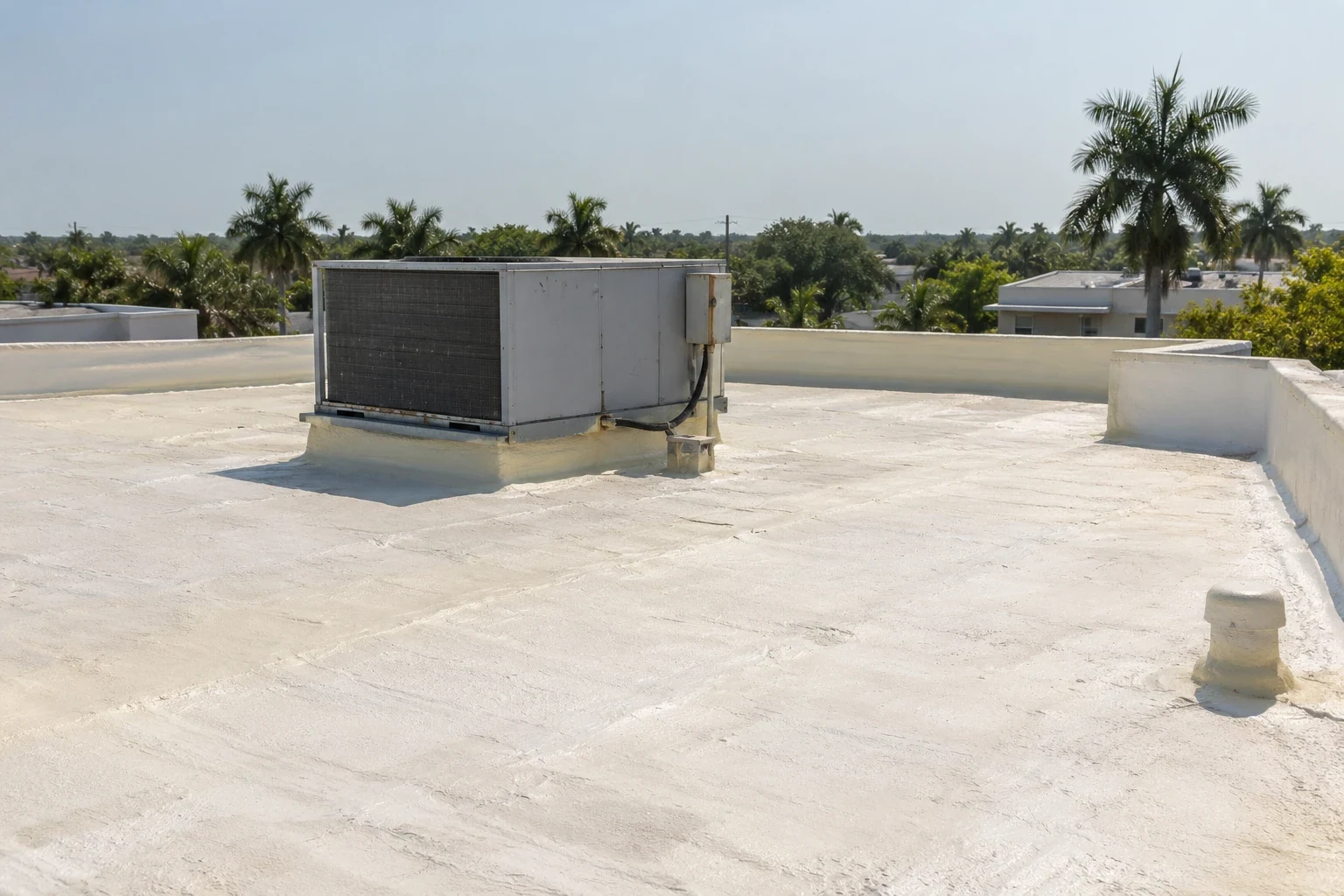
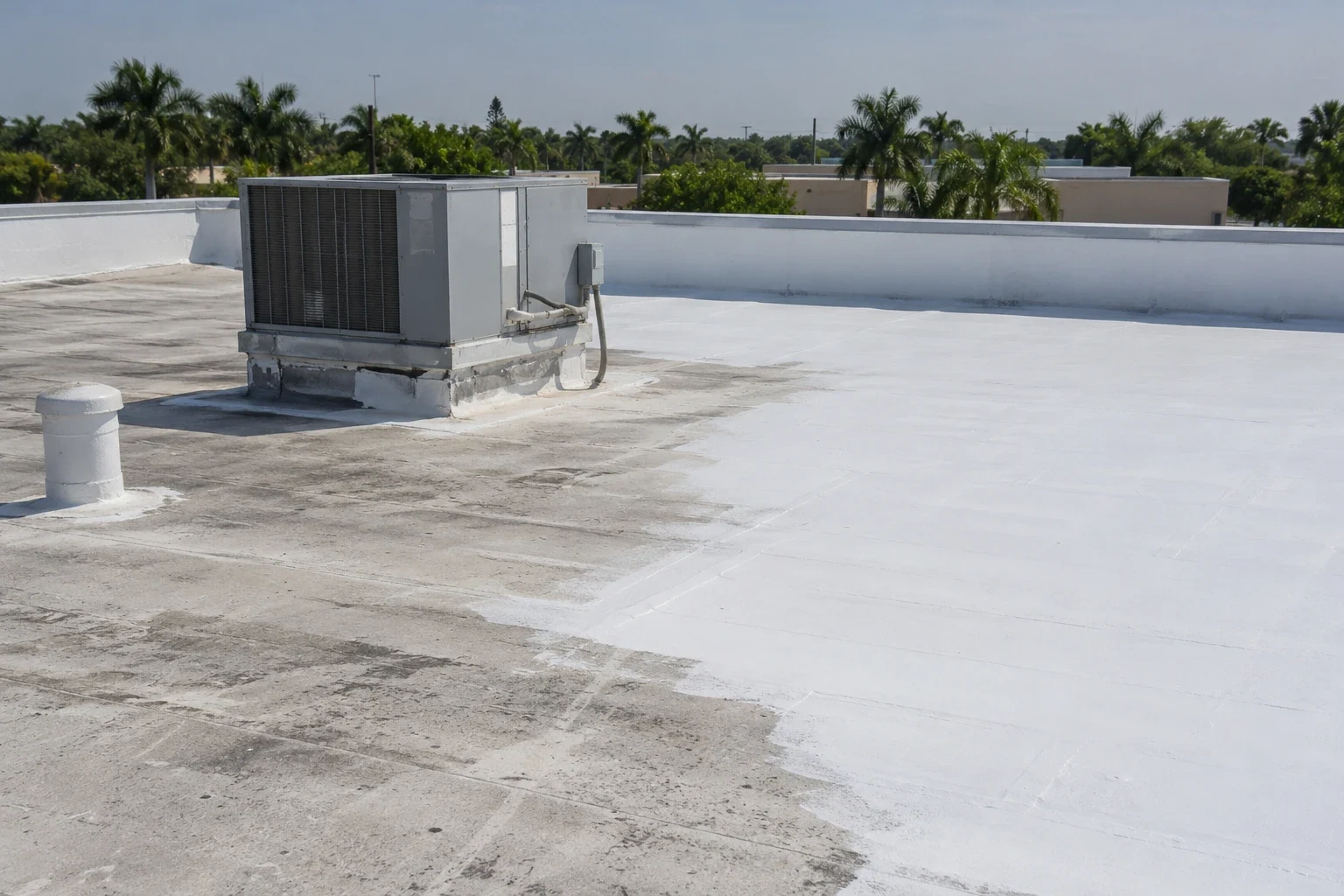
Identify the roof membrane, coating history, repairs, surface contamination, and areas where water stands. Silicone does not bond equally to every substrate or old coating. We check adhesion and compatibility using the method specified for the product and consider test areas where records are incomplete. Loose coating, oily residue, chalking, or wet material needs correction before broad application.
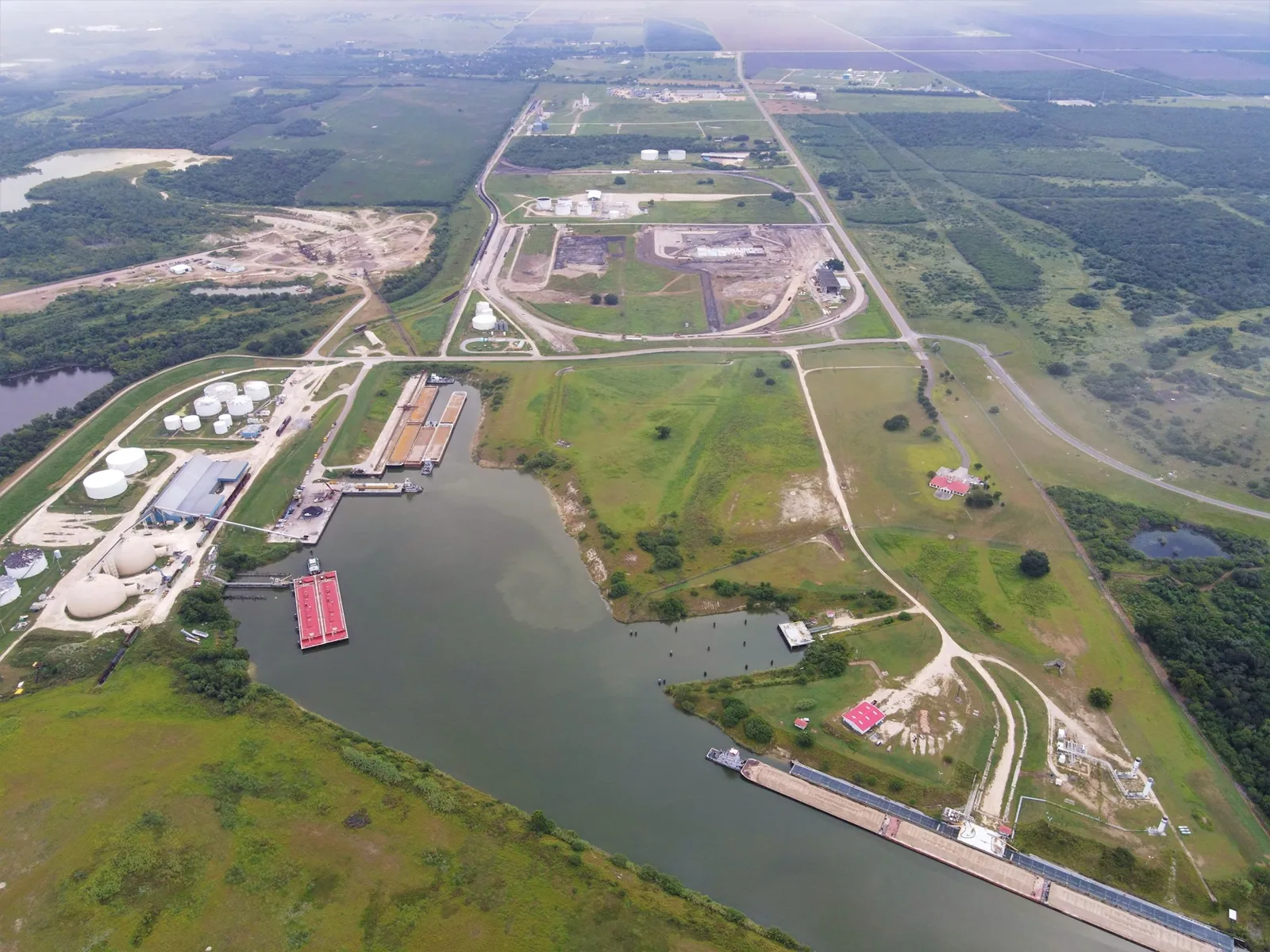
Separate each roof section by system and construction phase. A large building near Port of Victoria Industrial Park South may have varied roof areas and service routes. Freight activity in the park informs staging coordination, but it does not establish the assembly at a specific facility. We verify the roof and access route with the property contact.
An inspection can map seams, blisters, drains, penetrations, and prior repairs before restoration. If moisture could change the boundary, targeted testing or a selective opening may be needed. A coating should not be used to close over a concealed defect that has not been assessed.
Confirm the existing surface can accept silicone
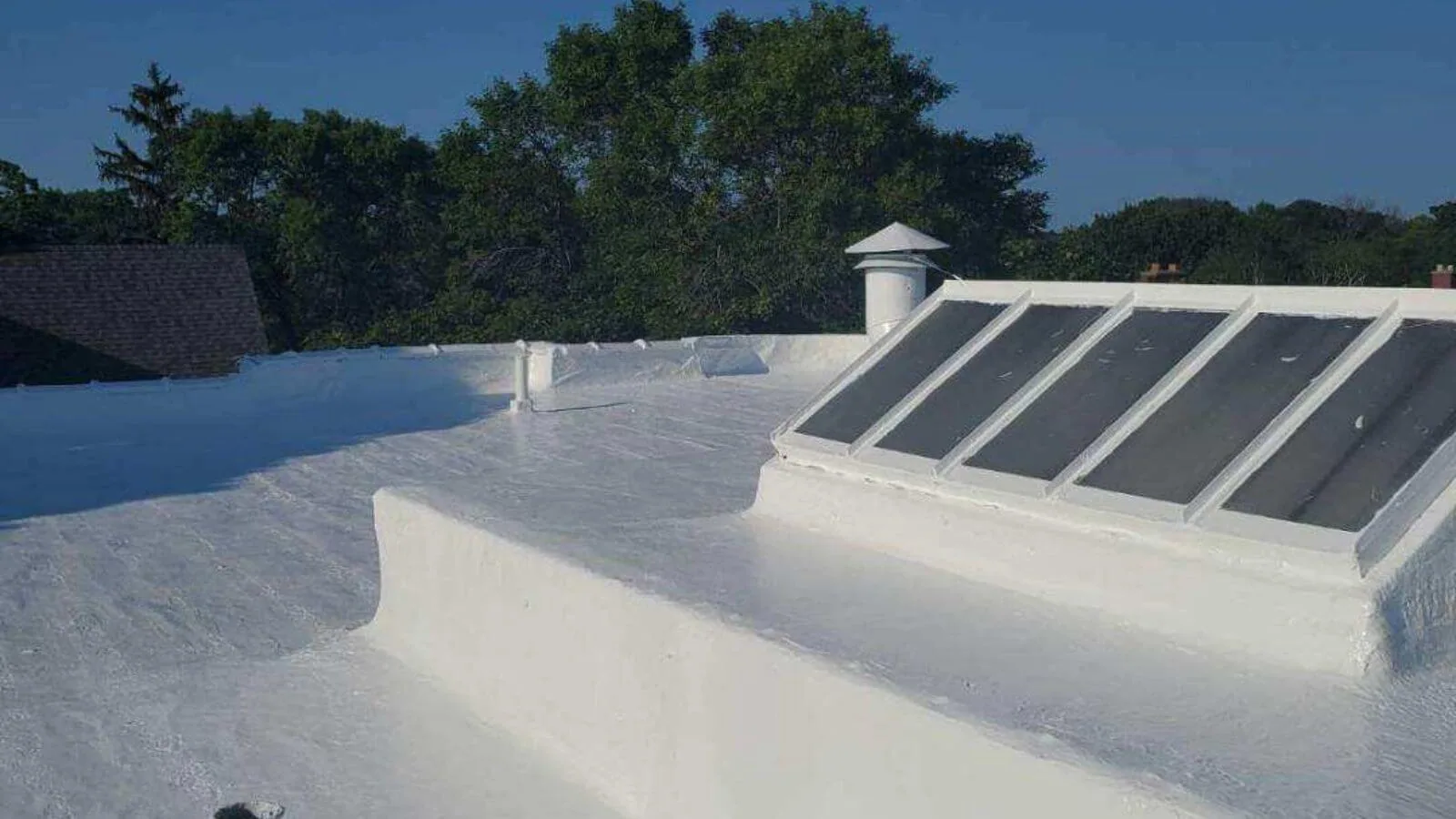
Open laps, failed flashing, separated terminations, and damaged membrane need compatible repair before coating. We inspect the detail and substrate, remove loose material within the scope, and prepare a sound tie-in. A coating may bridge a stable transition when specified, but it should not be relied on to span ongoing movement or an open joint that needs a repair.
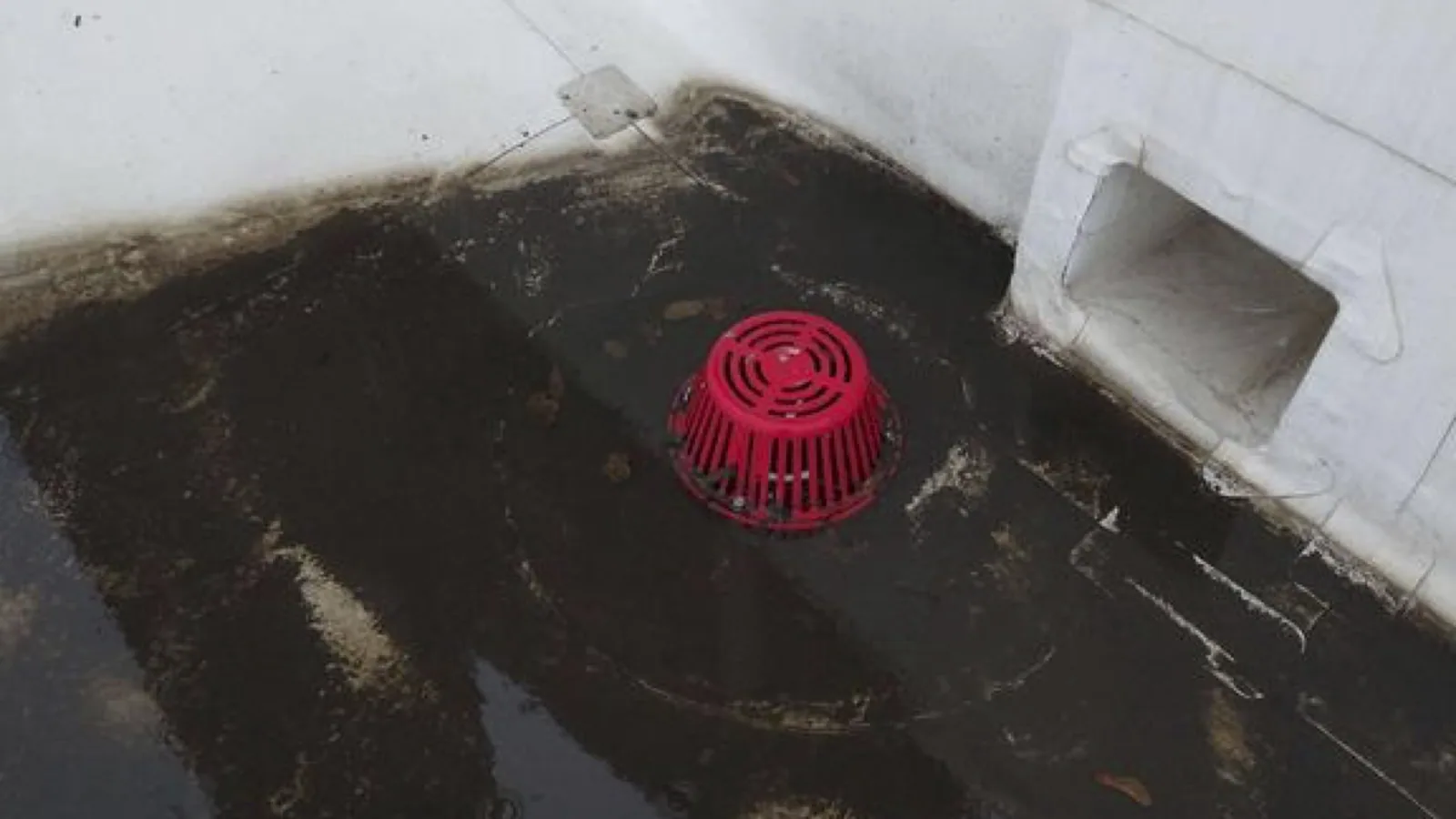
At drains and scuppers, preserve the clamping area and keep the outlet open. A coating build-up must not narrow the throat, cover a strainer, or bury an overflow. If the roof holds water because the drain is blocked or the field is low, a drainage evaluation can identify whether cleaning, component work, or slope correction should precede coating.
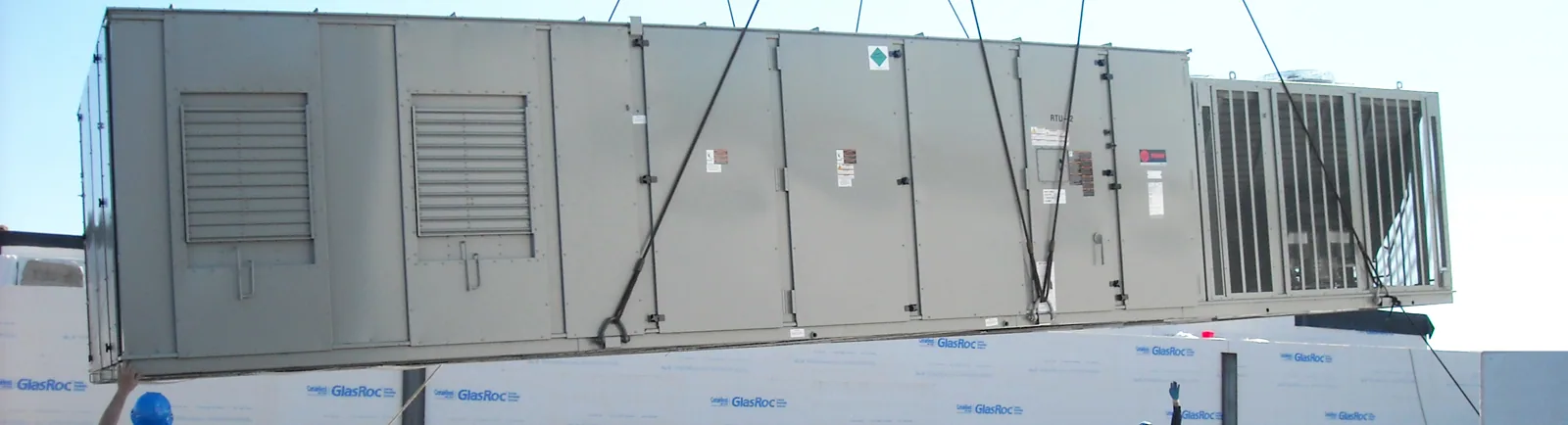
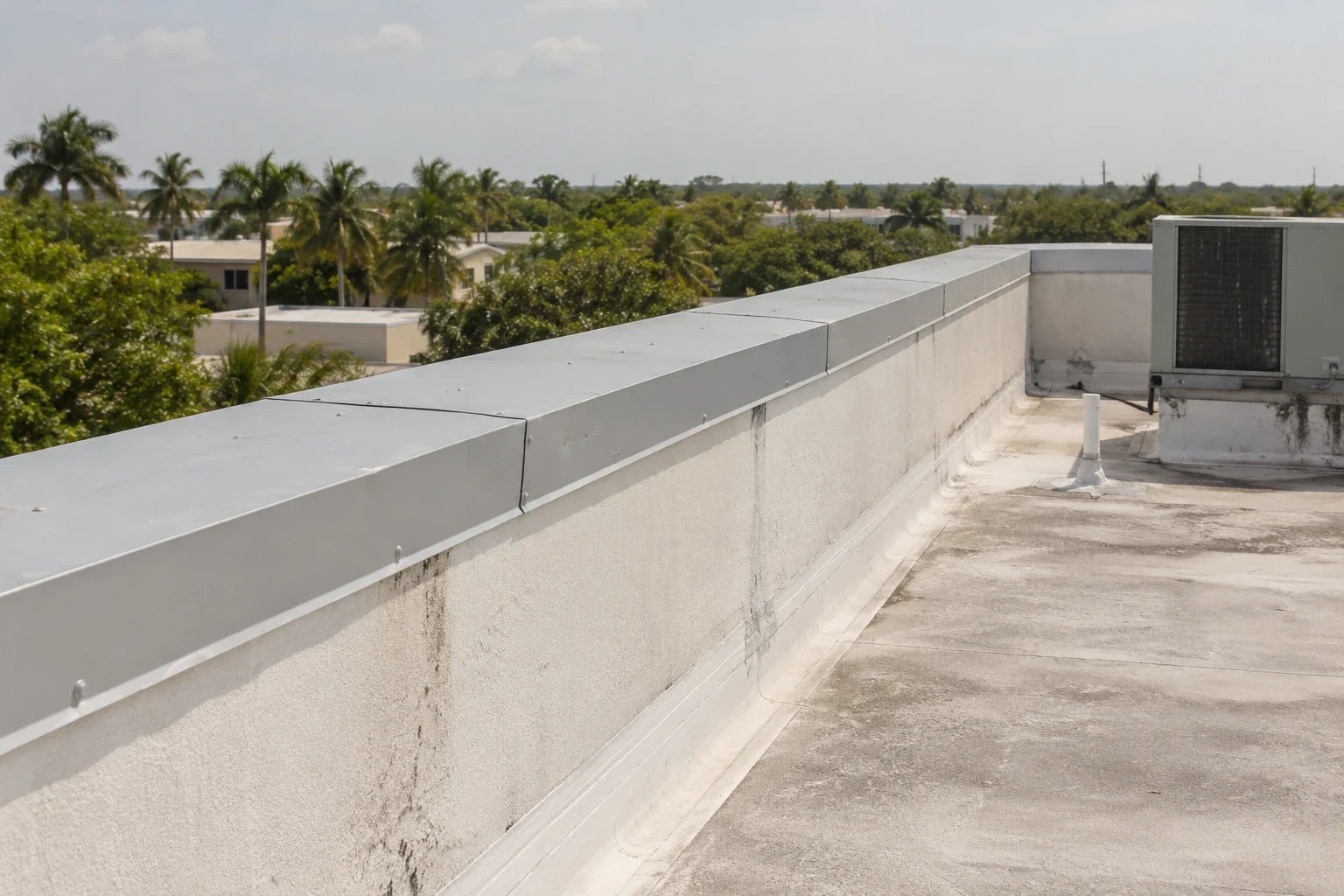
Curbs and edge metal deserve separate review. A curb detail inspection can identify movement that would stress a coating tie-in, and a perimeter review can correct loose coping or gutter transitions. Keep those repairs in the work record so the owner can distinguish coated field from repaired details.
Repair the roof details before coating
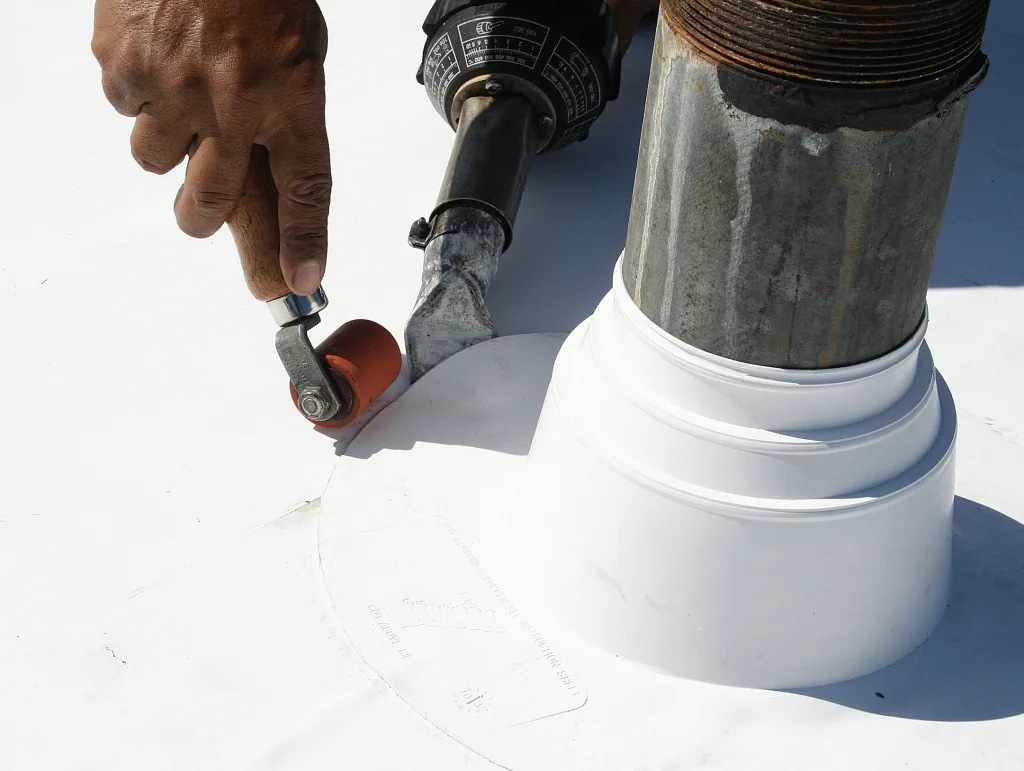
Preparation removes loose coating, dirt, biological growth, and residue that could affect bond. Cleaning methods should fit the membrane and protect equipment, intakes, drains, and occupied areas below. The surface must dry before primer or silicone is applied. We follow the product’s requirements for primer, reinforcement, application rate, and cure conditions rather than treating every roof like the same substrate.
Where compatibility is uncertain, apply a prepared test area and review adhesion after the specified time. Record the surface condition and preparation so a poor bond is not hidden by a broad application. If the test fails, revise the work method or select a different restoration plan before proceeding. We keep the test location and result with the roof section records.
Victoria’s July climate data lists a normal daily high of 94°F and a recorded peak of 110°F for 2026. Sun can raise roof temperatures beyond ambient readings. The crew monitors conditions at the application area, stages materials as directed, and delays work when temperature, moisture, or weather falls outside the system’s instructions.
Clean and prepare within product limits
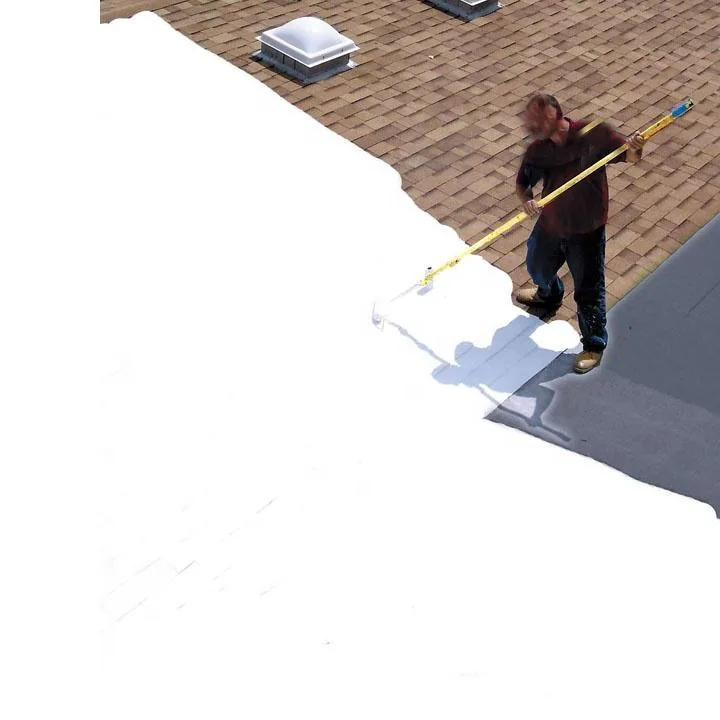
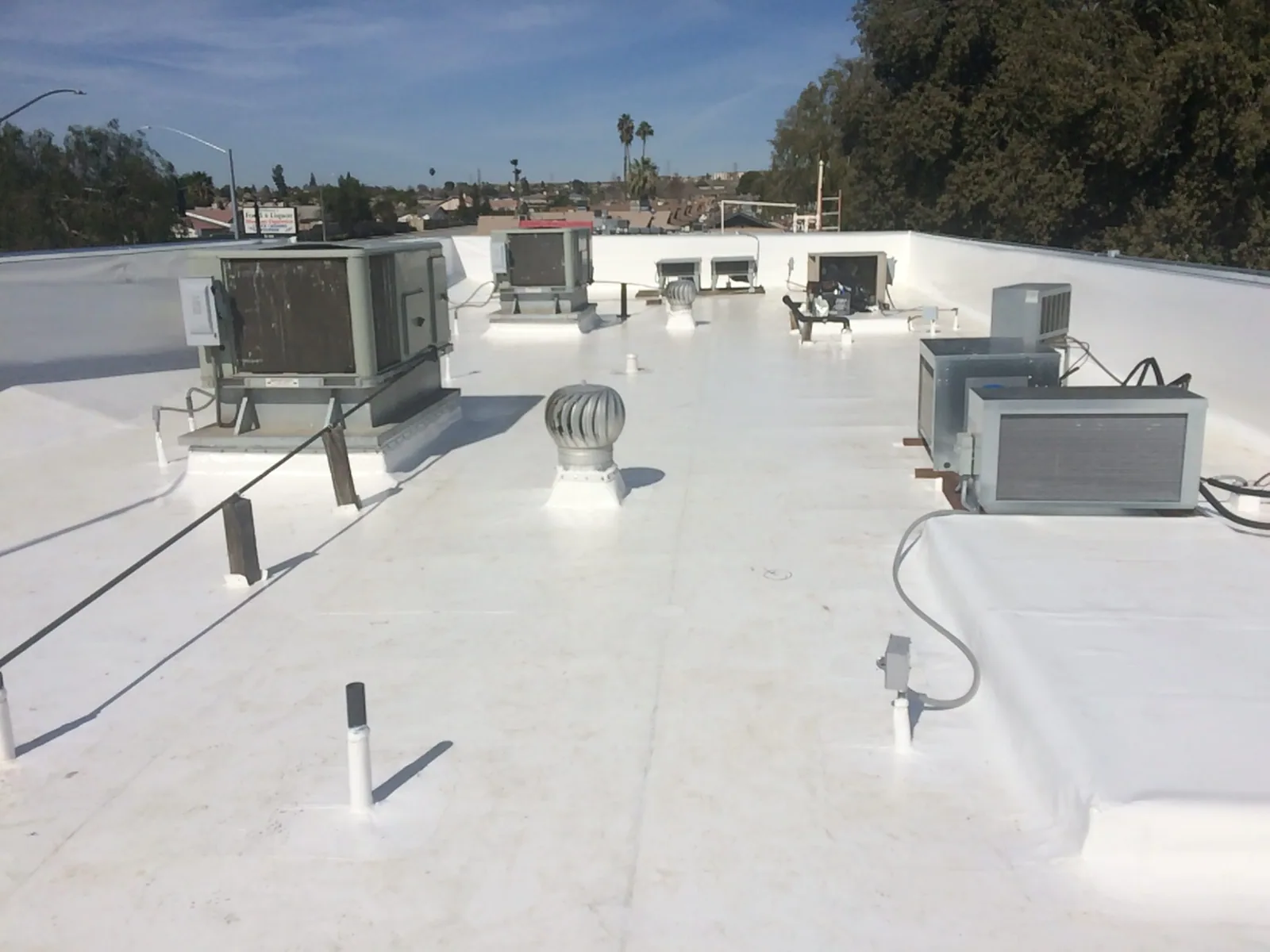
Once the surface and repairs are ready, define a section that can be coated and protected under current conditions. Mask drains, equipment labels, and surfaces that should remain clear. Apply silicone at the specified coverage and thickness, with reinforcement at details where the system calls for it. Inspect laps, corners, edges, and transitions as the application progresses; a uniform field appearance alone does not prove the required thickness or bond.
Before a finish coat covers a tie-in, inspect reinforcement for wrinkles, confirm the transition lies flat, and record application coverage by section. Thin areas and missed corners should be corrected while the work remains accessible. Wind can carry spray or debris, and rain before cure can affect the finish. Weather monitoring is part of daily control, especially on a broad roof that cannot be completed at once. Victoria County has recorded damaging gusts and hail. Regional exposure informs scheduling, but current site conditions decide whether the application can proceed that day.
For occupied buildings, protect air intakes and tenant areas and share restrictions with the facility contact. The phased roof work plan can coordinate access and daily closeout. Keep paths to equipment, drains, and hatches open unless the manager authorizes a temporary restriction.
Apply and inspect each roof section
Silicone is not selected solely because water remains on a roof. The substrate, drainage, foot traffic, existing coating, and project requirements matter. A roof with structural ponding or wet insulation may need a different correction. Before deciding, document what water path exists and whether the system can be prepared and maintained as intended.
An acrylic roof coating may have different application and water exposure characteristics. A TPO membrane is a new single-ply system with distinct attachment and seam work. Compare options against the building and actual roof condition rather than broad claims about energy, longevity, or maintenance.
Victoria Regional Airport Business Area supports commercial and industrial activity. For any project, the property contact sets staging, access, and operations restrictions. The local context helps plan deliveries; it does not establish the right coating or membrane for the facility.
Compare silicone with other coating options
Closeout identifies the roof sections coated, repairs completed first, application details, test results, and any exclusions. Photograph the transitions, drains, penetrations, and representative field. If an area could not be prepared or inspected, state the limit and the next step. Keep product and preparation information with the roof plan to guide compatible future service.
Silicone maintenance should check surface wear, punctures, open transitions, and debris at drains. Do not add another coating without reviewing compatibility and the existing film. Check areas around pipes and supports after later trades, since a puncture or unsealed service cut can expose the underlying substrate. A maintenance visit can record conditions before they expose the roof membrane or block drainage.
For a Victoria coating review, provide the roof type, prior coating product, leak history, ponding locations, and access window. We will inspect the surface and transitions, define repairs and preparation, and state whether a silicone application is supported by the existing roof.
Keep coating and maintenance records current
Related Roofing Work
Frequently Asked Questions
Can silicone coating go over any existing roof?
No. Substrate type, old coating, moisture, adhesion, and preparation determine compatibility. We check the surface before specifying application in each roof section.
Will silicone fix standing water?
It does not correct the cause of a low area or blocked outlet. Inspect drainage and roof geometry before choosing a coating.
How do you check whether silicone will bond?
Where compatibility is uncertain, prepare a test area and evaluate adhesion using the product’s procedure before broad application.
Can a silicone roof be recoated later?
Possibly, after assessing the existing coating, contamination, adhesion, and repair history. Use a compatible preparation and application method.
What affects a silicone coating schedule in Victoria?
Roof temperature, moisture, wind, rain, and product cure requirements shape the work window. Access and intake protection also affect the sequence.
Share roof plans, system and coating records, leak history, drainage concerns, and access rules. We will assess preparation, repairs, and compatibility before recommending restoration.
Call 555-555-5555 or email [email protected].