
Spray Polyurethane Foam Roofing in Victoria, TX
Roof Systems · Victoria, TX
Spray polyurethane foam roofing in Victoria needs dry substrate, controlled application, correct foam thickness, and a maintained protective coating.
Next step
Request a Roof Assessment
Call
555-555-5555
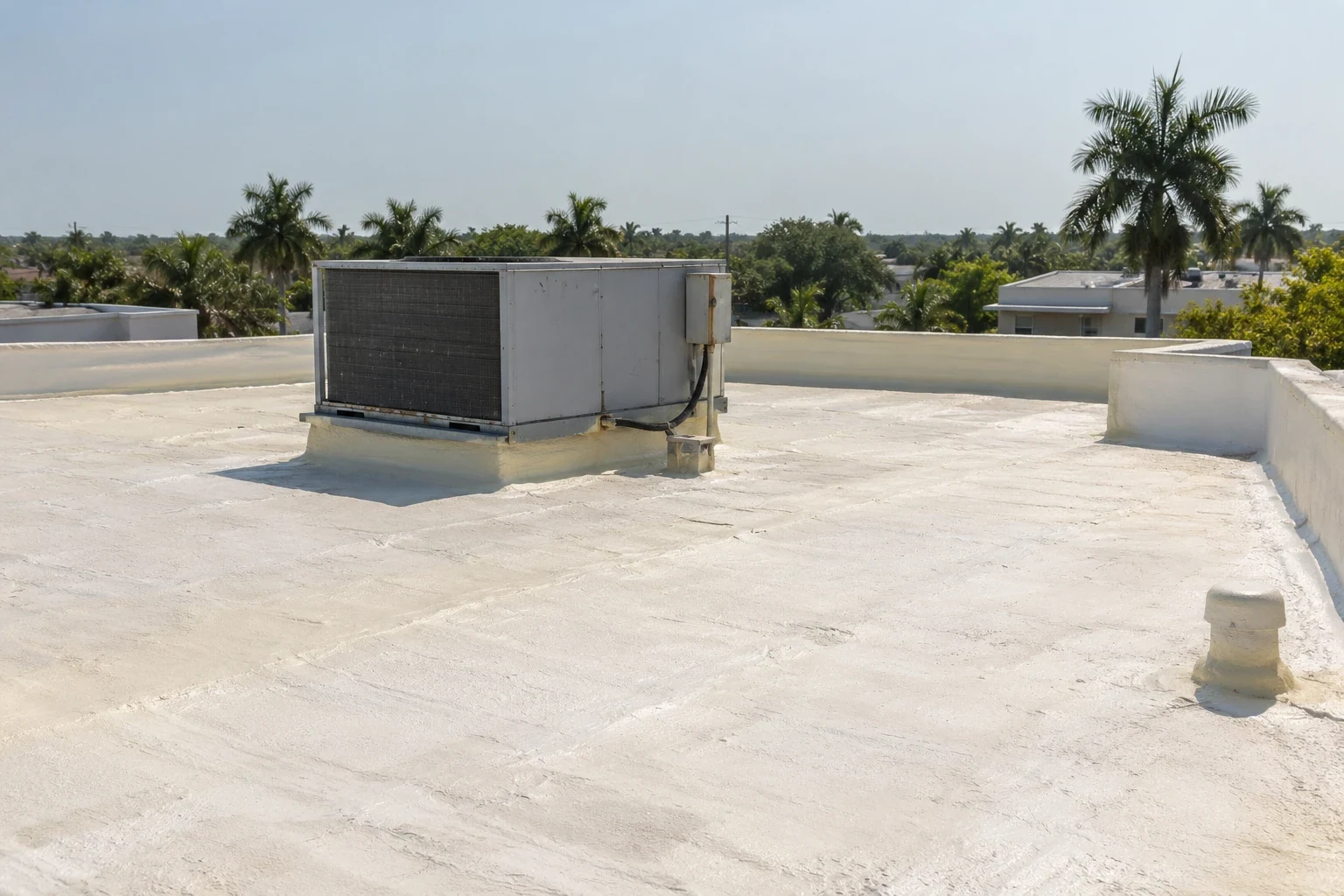
A spray foam roof is only as dependable as the surface beneath it and the coating that protects it. Before application, we inspect adhesion, moisture, drainage, penetrations, and existing roof layers. Victoria’s hot, humid conditions and storm exposure affect preparation and weather windows. The field review determines whether foam restoration is suitable, where repairs must come first, and how the finished coating will connect to drains and edges.
Spray Polyurethane Foam Roofing
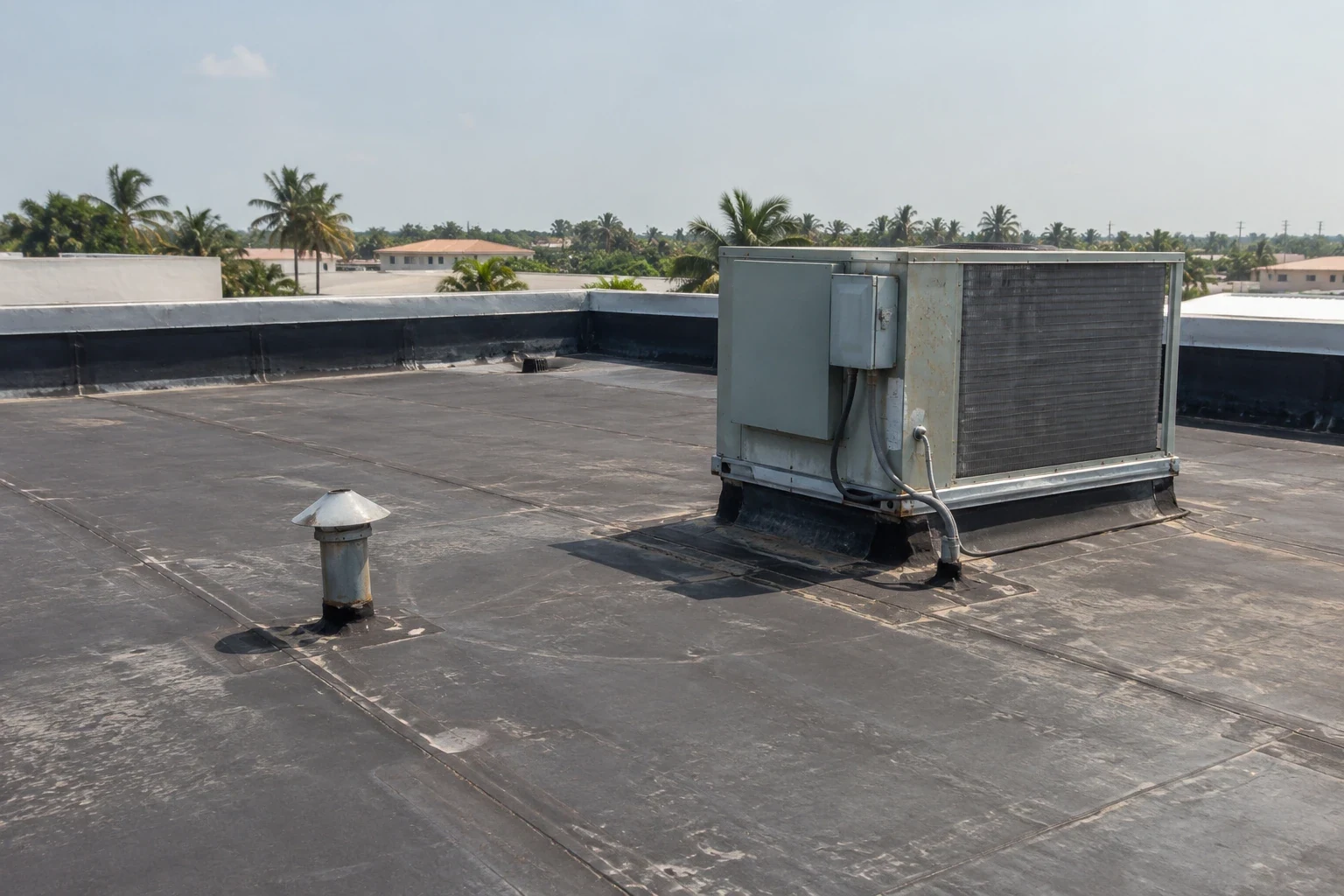
Foam bonds directly to the prepared surface, so loose material, moisture, residue, and unstable layers can undermine the new assembly. We identify the existing membrane or deck, inspect seams and previous patches, and check areas where water remains. If a concealed layer could affect adhesion or attachment, testing or selective removal may be needed. A spray application does not eliminate a wet or failed substrate.
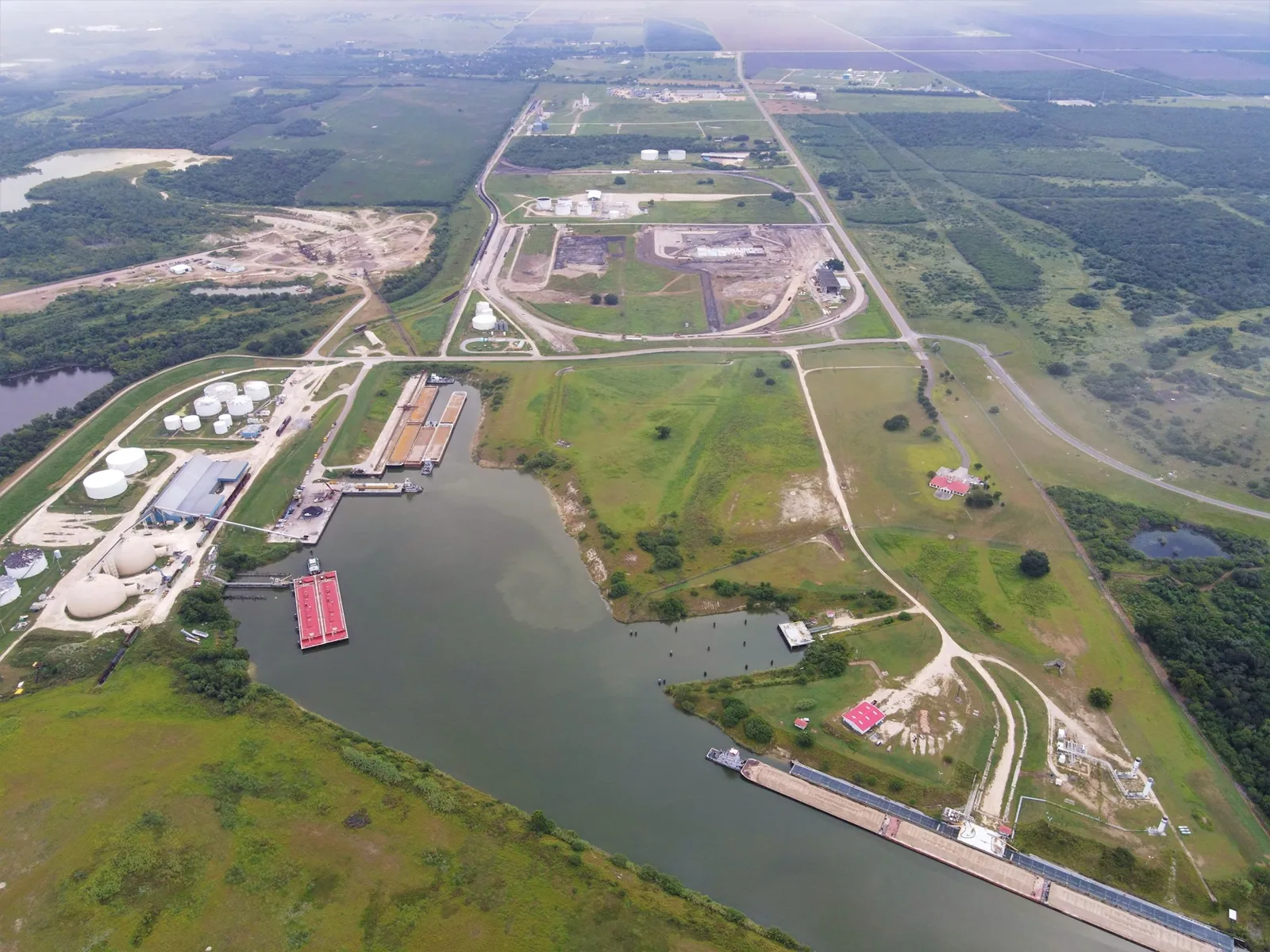
On commercial properties near Port of Victoria Industrial Park South, large roof sections can include separate building phases, equipment zones, and delivery constraints. We map the roof, mark drains and curbs, and confirm where materials can be staged with the property contact. Industrial surroundings help inform coordination but do not indicate the roof assembly or condition at a particular property.
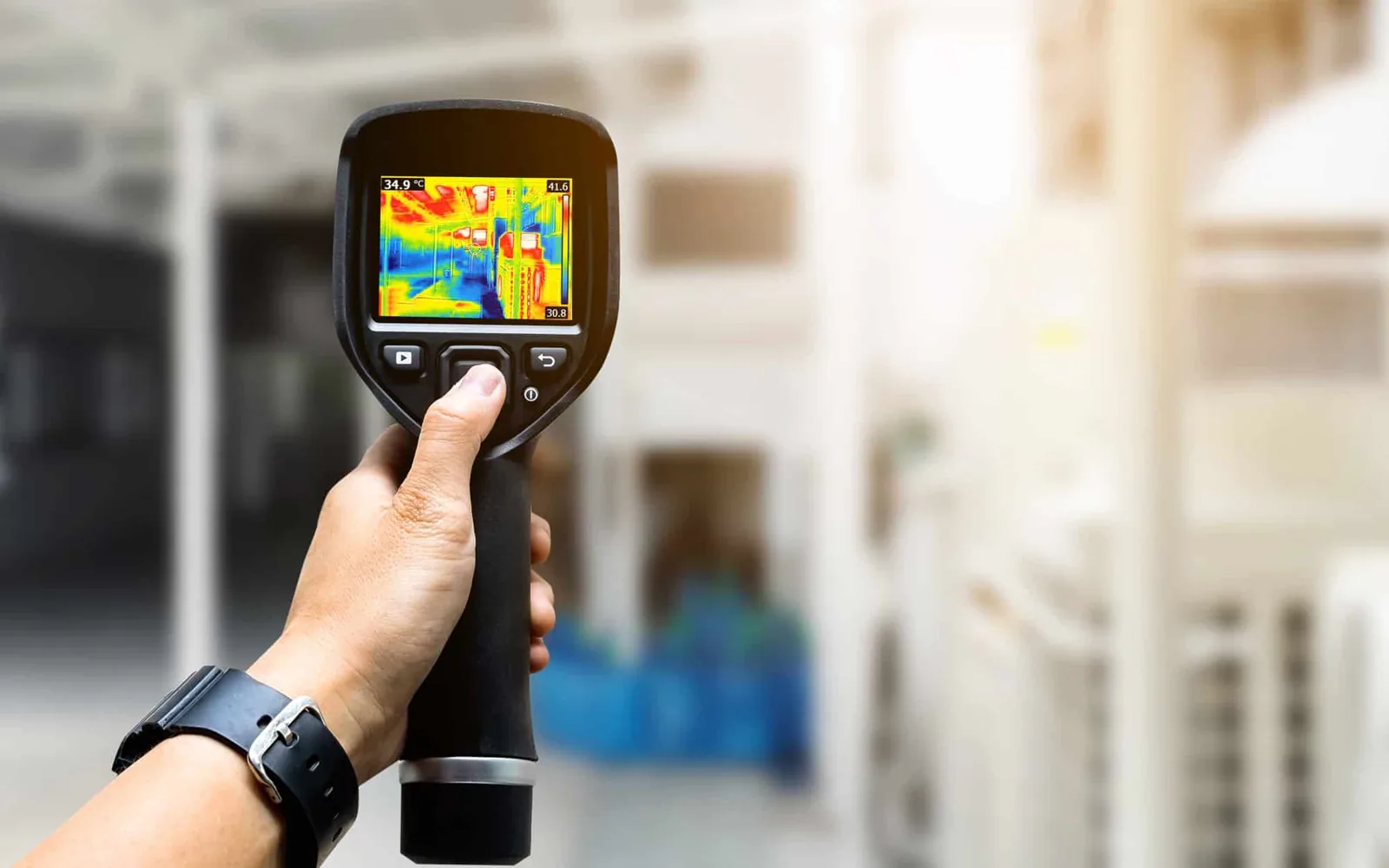
An infrared moisture survey may identify patterns for targeted follow-up when moisture could change the restoration boundary. Readings need interpretation with the roof plan and field conditions. If the test points to wet insulation, confirm through an authorized opening before covering the area with foam.
Verify a dry and stable substrate
Application begins with substrate preparation and protection for intakes, equipment, walkways, and areas below. The crew monitors material temperature, proportioning, spray technique, and the conditions required by the selected system. Foam is applied in lifts to achieve the specified thickness and avoid voids, ridges, or weak transitions. The approved design and product instructions control how the work is measured and accepted.
Wind can carry overspray beyond the roof edge, and high humidity or a damp surface can affect the application. Protect nearby vehicles, ventilation openings, and adjacent property as directed by the project plan. Stop when conditions exceed the system’s limits or the spray pattern cannot be controlled. A larger area is not worth applying if the bond or thickness cannot be checked reliably.
Victoria’s July 2026 station entry lists a normal high of 94°F and a 110°F recorded maximum. Heat can affect material storage and rooftop work. We check actual surface and ambient conditions, follow the specified application range, and coordinate the shift around the building’s operations rather than assuming a weather record describes the workday.
Control foam application and thickness
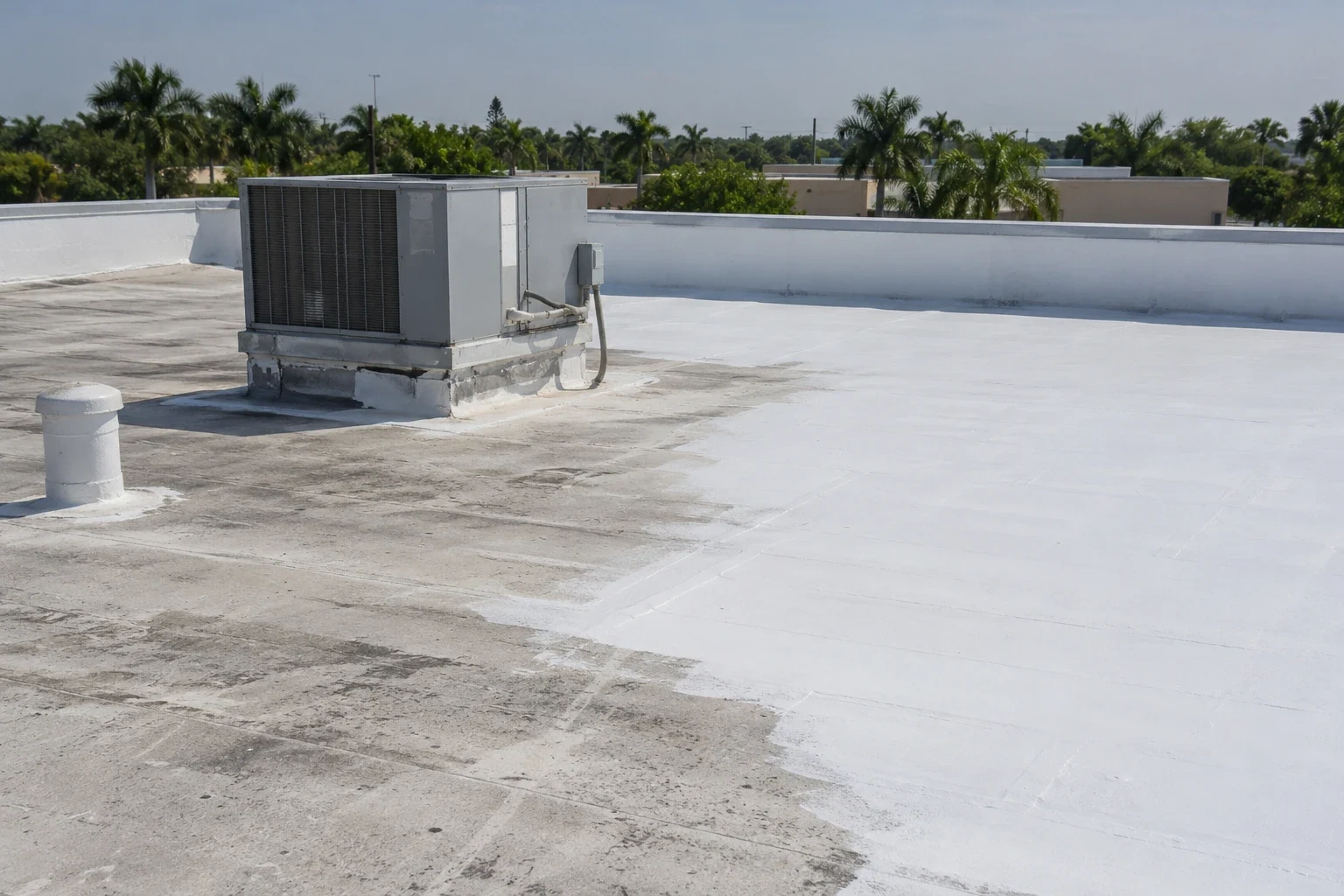
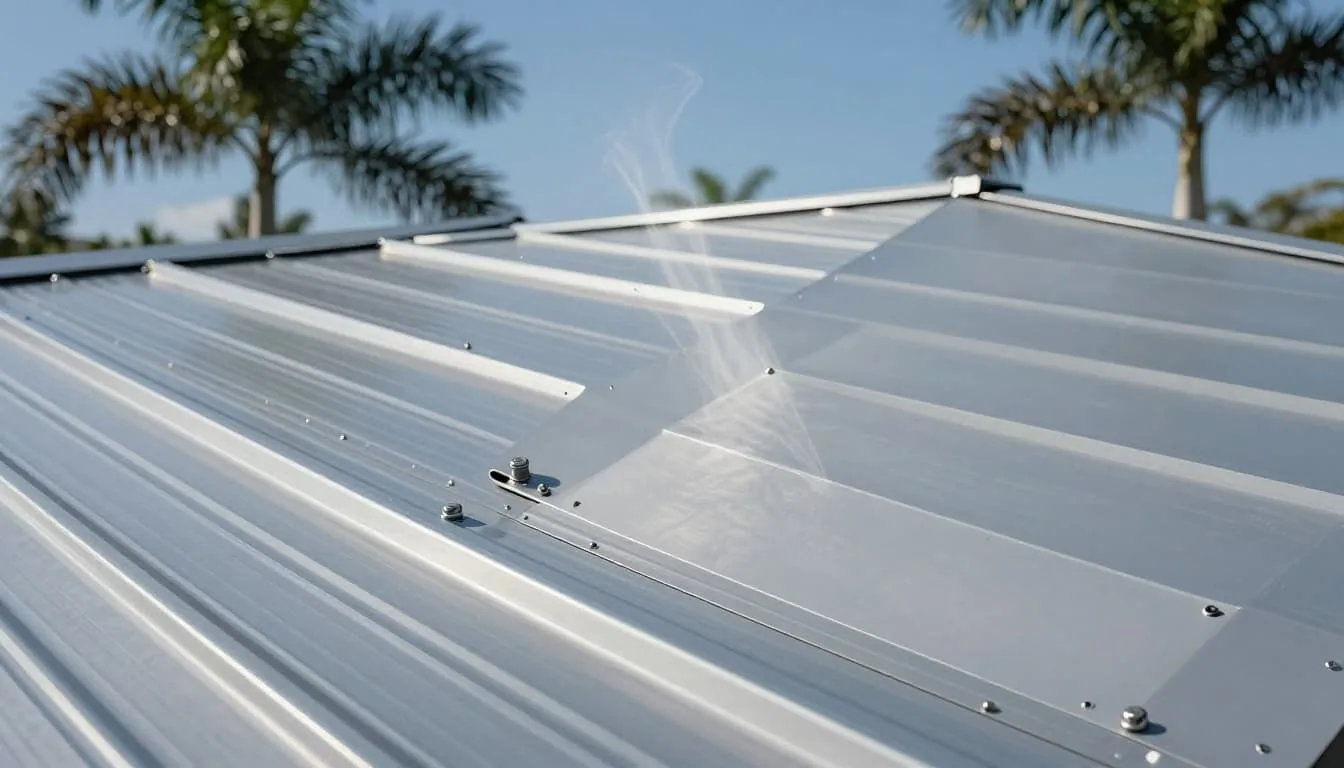
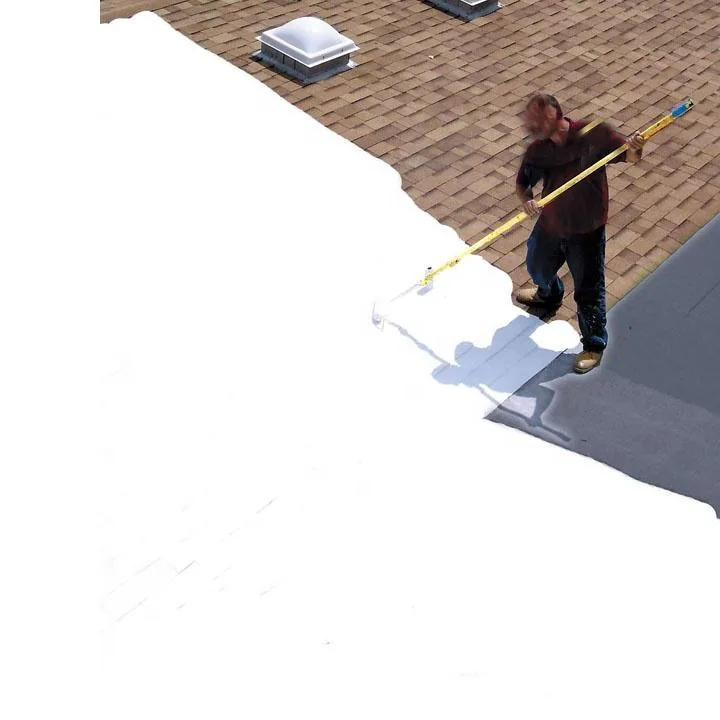
Polyurethane foam requires a compatible protective coating to shield it from ultraviolet exposure and weather. The coating type, application rate, reinforcement, and renewal needs follow the project specification. We inspect the foam surface for voids, open cells, blisters, or damage and correct the substrate before coating. A finish layer should not conceal an incomplete foam pass or an unprepared transition.
Silicone and acrylic coatings have different application and drainage characteristics. Compare silicone coating systems and acrylic coating systems against roof slope, ponding, exposure, and manufacturer requirements. We do not select a coating based only on color or a generic claim about performance.
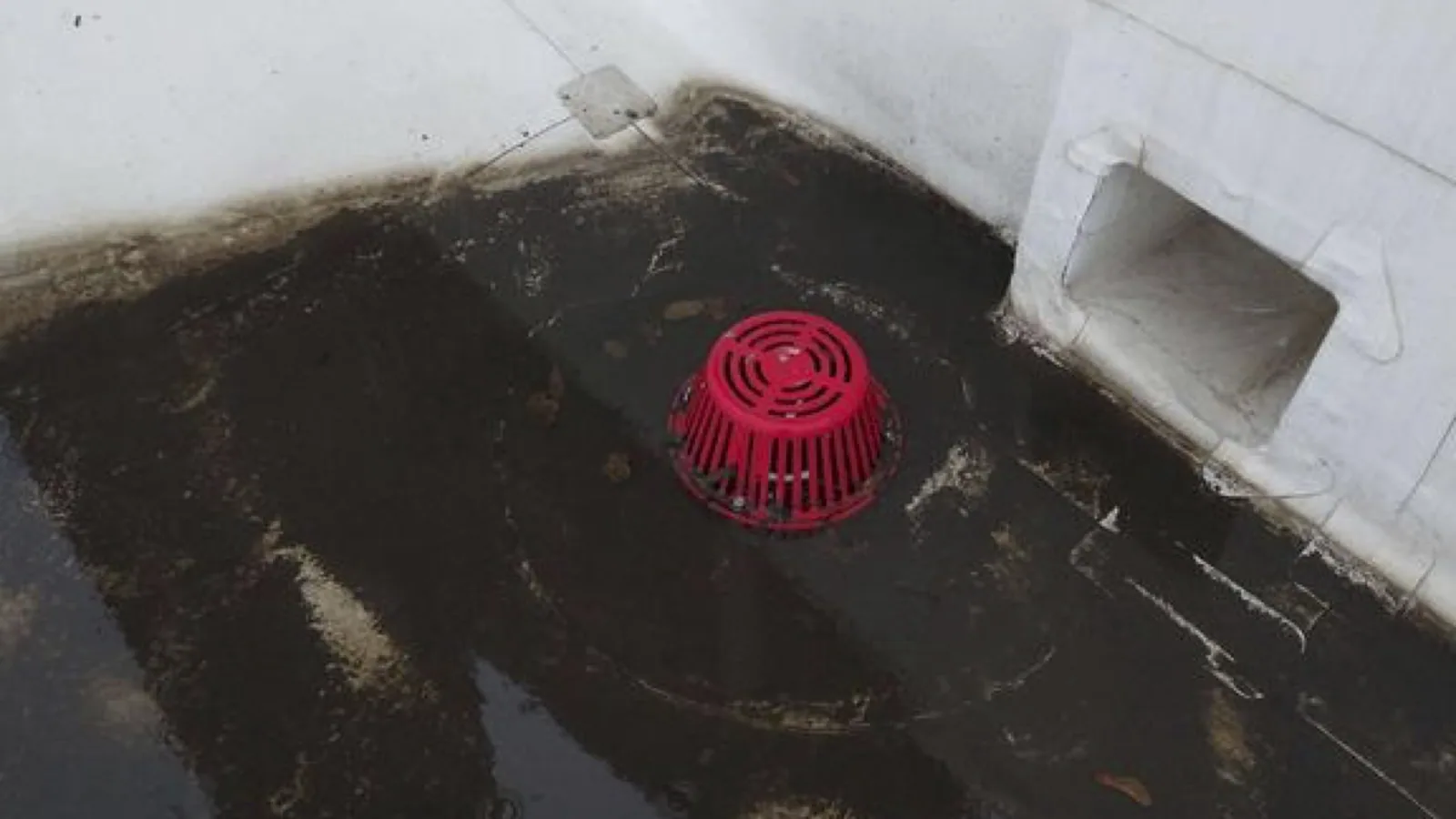
At drains and scuppers, preserve the opening and tie the foam and coating into the approved flashing detail. Keep a visible path for water and inspect overflow routes. A drainage review can address a blocked outlet or low area before application. Do not build foam across a drain bowl or reduce an overflow opening.
Apply a protective coating over the foam
Foam can create tapered transitions around curbs, penetrations, and changes in roof height, but it cannot stabilize a loose support or correct structural movement. We inspect flashing corners, equipment bases, expansion joints, and edge metal before shaping the work. A moving curb requires stabilization and an approved detail. A curb and support inspection can coordinate roof-side work with the responsible mechanical contact.
At wall and parapet edges, verify the foam termination, metal flashing, and protective coating are continuous. Check that the new build-up does not obstruct access, door clearance, or drain connections. Where the existing edge is loose, a coping and gutter review may be needed before foam is installed.
Near Victoria Regional Airport Business Area, freight and commercial activity creates site-specific access and staging needs. The development areas are part of Victoria’s industrial context; the property contact sets any delivery window and protection requirements. Keep overspray controls and material routes inside the authorized work area.
Shape transitions without covering movement
Inspect the protective coating for wear, punctures, open seams, and areas where foam is exposed. Rooftop traffic, later equipment service, hail, and wind can damage the finish. Maintenance should identify the location and repair material so a small opening does not remain exposed through another weather cycle. Compare coating thickness and adhesion at representative areas, and examine penetrations where service crews may step or set tools. Repair exposed foam with compatible materials before water reaches the substrate. Keep foot traffic on designated paths, since a sharp edge or dropped tool can puncture the protective layer. A maintenance visit can track the coating condition and drain details by roof section.
Keep product data, foam thickness records, coating application information, weather conditions, and closeout photos with the roof plan. Note any area not treated or tested. If equipment changes after installation, inspect whether supports or conduit disturbed the protective layer and restore the approved detail before leaving the roof.
Victoria’s documented hail and gust events make post-storm review prudent, but each mark still needs field inspection. A storm assessment can distinguish visible impact, coating wear, and previous repairs without assuming the entire foam roof needs replacement.
Maintain coating and repair records
For spray foam roofing in Victoria, provide the roof plan, existing system records, leak history, coating information, and access restrictions. We will inspect the substrate, moisture concerns, drainage, and transitions, then identify the preparation and application requirements supported by the roof.
If foam is already installed, share the product information and repair history. Photos of exposed foam, ponding, or punctures can help locate the inspection area. We will document what can be confirmed and identify any opening or test needed before applying a new coating.
At an occupied property, tell us about air intakes, sensitive equipment, pedestrian paths, and work windows. The scope will address preparation, overspray protection, thickness checks, coating, and closeout records so the property manager can coordinate the work with site operations.
Request a foam roof evaluation
Related Roofing Work
Frequently Asked Questions
Can spray foam go over an existing roof?
That depends on substrate stability, moisture, adhesion, and project requirements. We inspect the assembly and confirm preparation needs before specifying the application.
Why does a foam roof need a coating?
The protective layer shields the foam from ultraviolet exposure and weather. Its type and upkeep depend on the selected system and project documents.
What causes foam to separate from the roof?
Moisture, contamination, poor preparation, or an unstable substrate can affect bond. We investigate the affected area before applying more material.
Can foam correct a ponding roof?
A designed taper may guide water toward an outlet when elevations and substrate support it. First distinguish roof geometry from a blocked drain or structural issue.
What changes the application schedule in Victoria?
Surface moisture, heat, humidity, wind, and overspray controls affect the work window. The system’s application limits and site access rules govern the sequence.
Send roof plans, existing system records, leak history, coating details, and access limits. We will assess the substrate, drainage, transitions, and preparation before defining the application scope.
Call 555-555-5555 or email [email protected].